Safety note: Admin approval is an initial review, not a guarantee that every detail is correct. Check important or urgent claims with official sources and report anything inaccurate or unsafe.
Source and credit: Contributor's own report
New Truck Wash to Strengthen Biosecurity Across Burnie Region - Burnie, TAS
Smart summary
A new heavy-vehicle truck wash facility at Smithton is set to improve livestock biosecurity, reduce road contamination and support the agricultural industry across north-west Tasmania, including the Burnie region.
A new truck wash facility in Smithton, serving north-west Tasmania including the Burnie region, has officially opened to strengthen biosecurity for the livestock industry while delivering cleaner roads and improved environmental outcomes. The project is expected to benefit farmers, livestock transport operators and agricultural businesses by providing a dedicated location for cleaning heavy vehicles before they travel between farms and processing facilities.
The facility has been developed to reduce the risk of animal diseases spreading through contaminated livestock trucks. Cleaning transport vehicles between loads is considered an important part of Australia's biosecurity system, helping protect farms and maintain the health of livestock across the region.
Industry representatives said the new truck wash will make it easier for transport operators to meet biosecurity requirements while reducing mud, manure and other contaminants that can accumulate on vehicles during livestock movements. Cleaner trucks also help improve road safety and reduce environmental impacts caused by waste being carried onto public roads.
The agricultural sector remains one of the largest contributors to the economy of north-west Tasmania. Beef, dairy and sheep producers rely heavily on efficient transport networks to move animals between farms, saleyards and processing facilities. The new truck wash is expected to support these industries by providing modern infrastructure that promotes safer and cleaner transport practices.
Biosecurity experts have welcomed the investment, noting that preventative measures are essential for protecting Tasmania's strong reputation for producing high-quality agricultural products. Maintaining strict hygiene standards throughout the livestock supply chain helps reduce the likelihood of disease outbreaks that could affect both local producers and export markets.
The facility has also been designed with environmental considerations in mind. Water treatment systems will help manage wastewater generated during vehicle cleaning, reducing the risk of contaminants entering surrounding waterways. Authorities say the project supports both agricultural productivity and environmental sustainability.
Local farming organisations have praised the initiative, describing it as an important investment in regional infrastructure. They believe improved biosecurity facilities will strengthen confidence within the livestock industry while supporting producers who rely on safe and efficient transport.
The project is expected to benefit transport operators travelling throughout north-west Tasmania, including Burnie, Wynyard, Smithton, Devonport and surrounding farming districts. Officials believe improved access to dedicated cleaning facilities will encourage greater compliance with biosecurity standards across the region.
Government and industry representatives said the truck wash demonstrates the importance of continued investment in regional infrastructure that supports agriculture, protects animal health and contributes to the long-term sustainability of Tasmania's farming sector.
The facility is now operational and available for eligible livestock transport operators. Authorities encourage drivers to use the service regularly to help maintain Tasmania's high biosecurity standards and support the ongoing success of the state's agricultural industries.
The new truck wash is expected to play an important role in protecting livestock, supporting regional businesses and reinforcing north-west Tasmania's reputation as one of Australia's leading agricultural regions.
LivestockBiosecurityTransportTasmaniaAgricultural
A new truck wash facility in Smithton, serving north-west Tasmania including the Burnie region, has officially opened to strengthen biosecurity for the livestock industry while delivering cleaner roads and improved environmental outcomes. The project is expected to benefit farmers, livestock transport operators and agricultural businesses by providing a dedicated location for cleaning heavy vehicles before they travel between farms and processing facilities.
The facility has been developed to reduce the risk of animal diseases spreading through contaminated livestock trucks. Cleaning transport vehicles between loads is considered an important part of Australia's biosecurity system, helping protect farms and maintain the health of livestock across the region.
Industry representatives said the new truck wash will make it easier for transport operators to meet biosecurity requirements while reducing mud, manure and other contaminants that can accumulate on vehicles during livestock movements. Cleaner trucks also help improve road safety and reduce environmental impacts caused by waste being carried onto public roads.
The agricultural sector remains one of the largest contributors to the economy of north-west Tasmania. Beef, dairy and sheep producers rely heavily on efficient transport networks to move animals between farms, saleyards and processing facilities. The new truck wash is expected to support these industries by providing modern infrastructure that promotes safer and cleaner transport practices.
Biosecurity experts have welcomed the investment, noting that preventative measures are essential for protecting Tasmania's strong reputation for producing high-quality agricultural products. Maintaining strict hygiene standards throughout the livestock supply chain helps reduce the likelihood of disease outbreaks that could affect both local producers and export markets.
The facility has also been designed with environmental considerations in mind. Water treatment systems will help manage wastewater generated during vehicle cleaning, reducing the risk of contaminants entering surrounding waterways. Authorities say the project supports both agricultural productivity and environmental sustainability.
Local farming organisations have praised the initiative, describing it as an important investment in regional infrastructure. They believe improved biosecurity facilities will strengthen confidence within the livestock industry while supporting producers who rely on safe and efficient transport.
The project is expected to benefit transport operators travelling throughout north-west Tasmania, including Burnie, Wynyard, Smithton, Devonport and surrounding farming districts. Officials believe improved access to dedicated cleaning facilities will encourage greater compliance with biosecurity standards across the region.
Government and industry representatives said the truck wash demonstrates the importance of continued investment in regional infrastructure that supports agriculture, protects animal health and contributes to the long-term sustainability of Tasmania's farming sector.
The facility is now operational and available for eligible livestock transport operators. Authorities encourage drivers to use the service regularly to help maintain Tasmania's high biosecurity standards and support the ongoing success of the state's agricultural industries.
The new truck wash is expected to play an important role in protecting livestock, supporting regional businesses and reinforcing north-west Tasmania's reputation as one of Australia's leading agricultural regions.
The Northern Territory government has admitted that its initial $500,000 school upgrade budget is insufficient, promising additional funding as two Alic...
Restoration work on one of Tasmania’s oldest theatres is underway, but difficult site conditions have pushed costs more than $13 million above the origi...
A specialist stonemason is carefully recreating an eroded sandstone lion on a historic Darlinghurst building in Sydney, using archival photographs and t...
A new flight from Sydney to the Gold Coast is drawing attention to a journey that began eight decades ago, connecting Australia’s aviation history with...
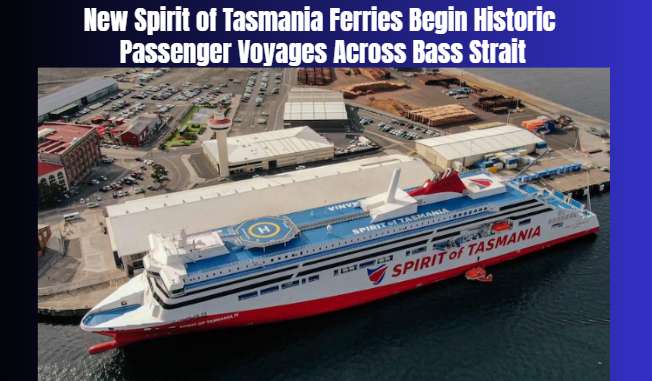
Two next-generation Spirit of Tasmania vessels begin their first passenger journeys between Victoria and Tasmania, bringing increased passenger capacity...
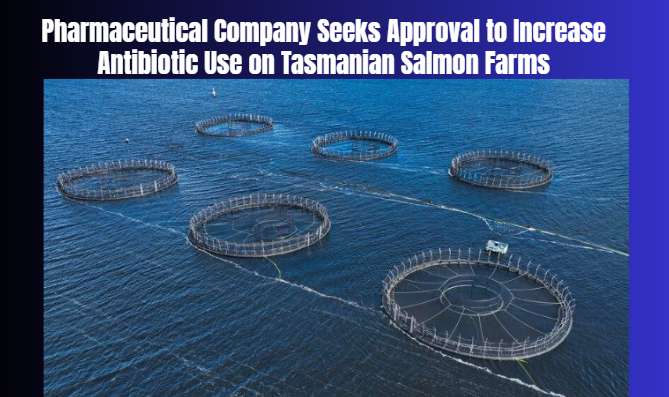
An animal health company has applied to increase antibiotic dosage levels and expand treatment areas in Tasmania's salmon farming industry, raising conc...
Restoration work on one of Tasmania’s oldest theatres is underway, but difficult site conditions have pushed costs more than $13 million above the origi...
A bill to prohibit conversion practices has passed Tasmania’s lower house, marking a significant step in the state’s debate over protections for LGBTQIA...
A psychiatric report presented to South Australia's Supreme Court has raised questions about Tamika Chesser's mental competence in the case involving th...
A freedom of information request has revealed that Gold Coast Council does not hold a copy of the invoice for Mayor Tom Tate's three-day stay at Donald...
Eight people have died in separate road crashes across Victoria during the Melbourne Cup long weekend, with four of the fatal incidents involving motorc...