Australian Scientists Develop Tea Tree Oil Nanotechnology to Fight Costly Sheep Flystrike
By Neha · Published 15 Jul 2026 · Updated 15 Jul 2026
Lismore, NSW · New South Wales News
Safety note: Admin approval is an initial review, not a guarantee that every detail is correct. Check important or urgent claims with official sources and report anything inaccurate or unsafe.
Source and credit: Contributor's own report
Australian Scientists Develop Tea Tree Oil Nanotechnology to Fight Costly Sheep Flystrike - Lismore, NSW
Smart summary
Researchers have created a natural tea tree oil-based treatment using nanotechnology that could provide a safer alternative to chemical insecticides and help combat growing resistance in sheep blowflies.
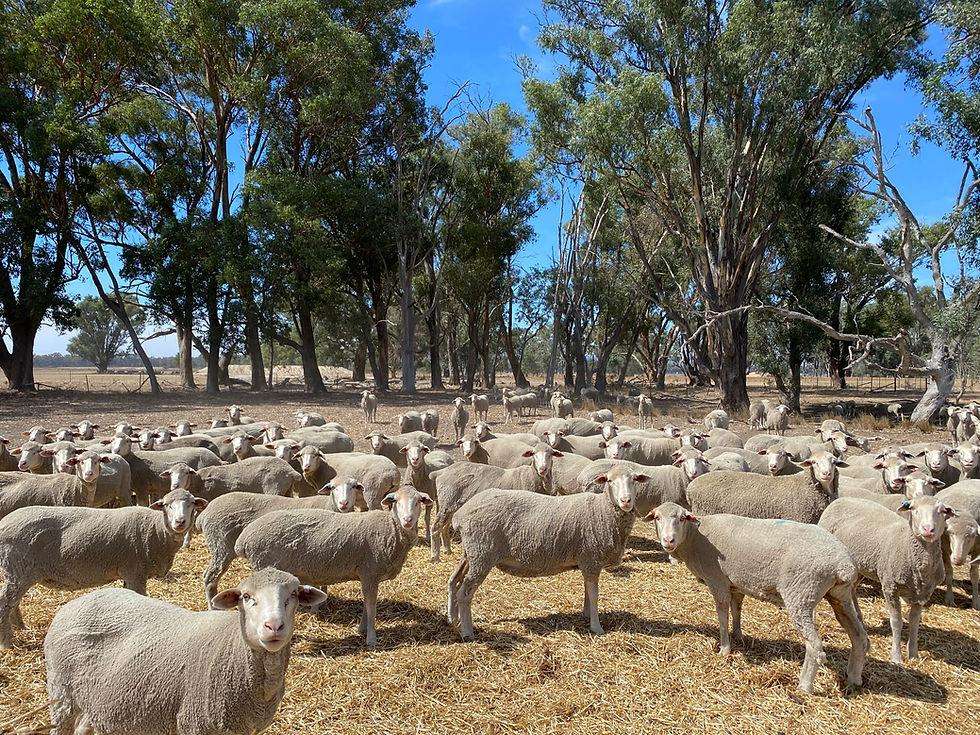
Australian researchers are developing an innovative biopesticide that combines tea tree oil with nanotechnology to protect sheep from flystrike, one of the livestock industry's most damaging and costly diseases. The new treatment aims to provide wool producers with an effective natural alternative as blowflies become increasingly resistant to conventional chemical insecticides.
Flystrike occurs when blowflies lay eggs in a sheep's wool, allowing maggots to feed on the animal's skin. The condition causes severe pain, infection and, if left untreated, can be fatal. It is estimated to cost Australia's sheep industry around $320 million each year through animal losses, treatment expenses and reduced wool production.
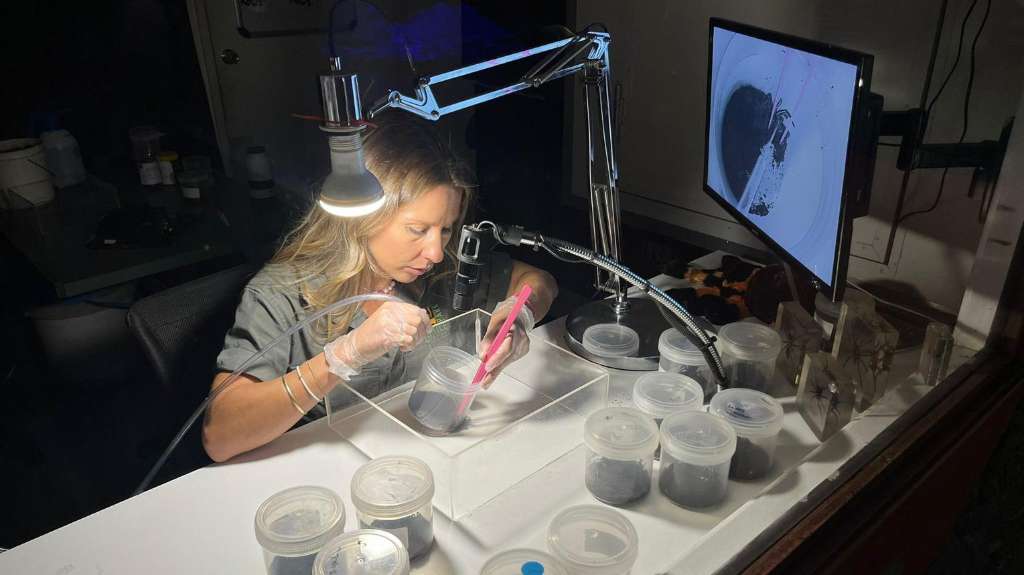
The project is being led by Australian Wool Innovation (AWI) in partnership with the Queensland Department of Primary Industries, the University of Queensland, Agri Futures Australia, Beef + Lamb New Zealand, and tea tree producer Main Camp Natural Extracts. Researchers have developed microscopic nanoparticles that encapsulate tea tree oil, protecting it from sunlight and evaporation while allowing it to remain effective on sheep wool for much longer than untreated oil.
According to AWI Senior Research Manager Dr Carolina Diaz, raw tea tree oil naturally repels and kills insects but loses its effectiveness within hours because it evaporates quickly and breaks down under ultraviolet light. Encapsulating the oil inside nanoparticles helps it adhere to wool fibres and may extend protection for several weeks, making it practical for commercial farming.
Researchers hope the natural formulation can be incorporated into existing flystrike management programs, reducing reliance on synthetic chemicals and slowing the development of insecticide resistance. Because tea tree oil is a naturally derived essential oil, the treatment may also leave fewer chemical residues on wool and have a lower environmental impact.
The tea tree oil used in the project is supplied by Main Camp Natural Extracts, Australia's largest producer of tea tree oil. Company chief executive Philip Butlin said a successful product would not only improve sheep welfare but also create new opportunities for Australia's tea tree industry by expanding demand for the locally produced essential oil.
Sheep trials are scheduled to begin during the next fly season and will continue through the end of 2026. Researchers will evaluate how effectively the formulation prevents flystrike under real farming conditions. If the trials prove successful, the team plans to seek commercial partners to bring the product to market.
Scientists say the project demonstrates how advanced technologies such as nanotechnology can be combined with natural products to improve animal health while supporting more sustainable farming practices. If successful, the innovation could become an important new tool for sheep producers across Australia and other wool-producing nations.
TreeSheepWoolFlystrikeNatural
Australian researchers are developing an innovative biopesticide that combines tea tree oil with nanotechnology to protect sheep from flystrike, one of the livestock industry's most damaging and costly diseases. The new treatment aims to provide wool producers with an effective natural alternative as blowflies become increasingly resistant to conventional chemical insecticides.
Flystrike occurs when blowflies lay eggs in a sheep's wool, allowing maggots to feed on the animal's skin. The condition causes severe pain, infection and, if left untreated, can be fatal. It is estimated to cost Australia's sheep industry around $320 million each year through animal losses, treatment expenses and reduced wool production.
The project is being led by Australian Wool Innovation (AWI) in partnership with the Queensland Department of Primary Industries, the University of Queensland, Agri Futures Australia, Beef + Lamb New Zealand, and tea tree producer Main Camp Natural Extracts. Researchers have developed microscopic nanoparticles that encapsulate tea tree oil, protecting it from sunlight and evaporation while allowing it to remain effective on sheep wool for much longer than untreated oil.
According to AWI Senior Research Manager Dr Carolina Diaz, raw tea tree oil naturally repels and kills insects but loses its effectiveness within hours because it evaporates quickly and breaks down under ultraviolet light. Encapsulating the oil inside nanoparticles helps it adhere to wool fibres and may extend protection for several weeks, making it practical for commercial farming.
Researchers hope the natural formulation can be incorporated into existing flystrike management programs, reducing reliance on synthetic chemicals and slowing the development of insecticide resistance. Because tea tree oil is a naturally derived essential oil, the treatment may also leave fewer chemical residues on wool and have a lower environmental impact.
The tea tree oil used in the project is supplied by Main Camp Natural Extracts, Australia's largest producer of tea tree oil. Company chief executive Philip Butlin said a successful product would not only improve sheep welfare but also create new opportunities for Australia's tea tree industry by expanding demand for the locally produced essential oil.
Sheep trials are scheduled to begin during the next fly season and will continue through the end of 2026. Researchers will evaluate how effectively the formulation prevents flystrike under real farming conditions. If the trials prove successful, the team plans to seek commercial partners to bring the product to market.
Scientists say the project demonstrates how advanced technologies such as nanotechnology can be combined with natural products to improve animal health while supporting more sustainable farming practices. If successful, the innovation could become an important new tool for sheep producers across Australia and other wool-producing nations.
Newcastle Museum will host the fifth annual Hunter Science Festival on 23 August, featuring 40 interactive exhibits, combat robots, science shows and ha...
The Australian Reptile Park’s funnel-web spider program has reached a significant milestone as efforts continue to secure the future of Australia’s crit...
A 36-year-old man has been charged after investigators allegedly found fraudulent identification documents, cloned number plates, cash and drug-manufact...
A Sydney court has heard that a man sent 249 messages to a former partner within 24 hours, with the messages treated as a single alleged breach of an ap...
A high-profile athlete has returned to court and told the hearing that an alleged unwanted kiss by former broadcaster Alan Jones remained difficult to f...
Work on the $150 million Sydney Town Hall Square project has been paused after the NSW Planning Minister referred the development for review by the Inde...
Cairns Regional Council has unanimously voted to seek $400,000 in Queensland Government funding for a program designed to connect local businesses with the region’s growing film...
An automated external defibrillator and memorial plaque have been installed at Ellery Creek Big Hole following the death of disability advocate Ellen Fr...
Queensland firefighters spent several hours monitoring a significant grass fire at Mary Kinross Park in Bargara, near Bundaberg, after the blaze broke out on Wednesday evening....