Safety note: Admin approval is an initial review, not a guarantee that every detail is correct. Check important or urgent claims with official sources and report anything inaccurate or unsafe.
Source and credit: Contributor's own report
Firefighter-Turned Fossil Hunter Solves Ancient Dinosaur Mysteries Through Social Media - Richmond, QLD
Smart summary
Northern Territory firefighter Travis Enright is inspiring thousands by uncovering 100-million-year-old fossils and sharing his discoveries with a global audience online.
A Northern Territory firefighter has become an unexpected star in the world of palaeontology by helping uncover ancient marine reptile fossils and sharing his discoveries with hundreds of thousands of people through social media. Travis Enright, who lives in Katherine, spends his free time volunteering as a fossil hunter in Richmond, Queensland—an area widely recognised as Australia's fossil capital.
Enright's journey into fossil hunting began by chance in 2022 when flooding disrupted a road trip through outback Queensland. While visiting Richmond, he decided to try fossil hunting and, within just a few hours, discovered what was then considered Australia's most complete ghost shark fossil. The remarkable find reignited his childhood fascination with dinosaurs and prehistoric life.
Since then, he has returned regularly to volunteer at Kronosaurus Korner, a museum and fossil centre famous for its collection of ancient marine reptiles. Working alongside professional palaeontologists, Enright helps excavate fossils dating back more than 100 million years, many of which contribute to scientific research.
One of his most exciting discoveries is a large elasmosaur fossil nicknamed "Moria"—a long-necked marine reptile that once swam through Australia's inland sea. While carefully reconstructing the skeleton, Enright found evidence suggesting the animal had been attacked by a giant Kronosaurus, one of the ocean's most powerful prehistoric predators. He describes the investigation as solving a "100-million-year-old cold case."
Enright documents every stage of his fossil excavations on social media, where more than 200,000 followers watch his discoveries unfold. His videos explain how fossils are uncovered, cleaned and studied, helping make palaeontology accessible to people of all ages. Scientists say his online work has helped bridge the gap between academic research and the general public.
Internationally recognised palaeontologist Dr Dean Lomax praised Enright's enthusiasm and contribution to science, describing him as someone who encourages more people to appreciate fossils and Australia's prehistoric history. The pair recently worked together in Queensland and the United Kingdom while filming a documentary exploring famous fossil sites.
Although Enright continues working full-time as a firefighter, he spends much of his spare time excavating fossils, mentoring aspiring fossil hunters and contributing to scientific discoveries. His work demonstrates that important contributions to science can come from passionate volunteers as well as professional researchers.
The story has captured widespread attention because it highlights Australia's extraordinary fossil heritage and the role social media can play in inspiring public interest in science. By combining exploration, education and storytelling, Enright is helping bring prehistoric Australia to life for a new generation of fossil enthusiasts.
FossilEnrightFossilsDiscoveriesMedia
A Northern Territory firefighter has become an unexpected star in the world of palaeontology by helping uncover ancient marine reptile fossils and sharing his discoveries with hundreds of thousands of people through social media. Travis Enright, who lives in Katherine, spends his free time volunteering as a fossil hunter in Richmond, Queensland—an area widely recognised as Australia's fossil capital.
Enright's journey into fossil hunting began by chance in 2022 when flooding disrupted a road trip through outback Queensland. While visiting Richmond, he decided to try fossil hunting and, within just a few hours, discovered what was then considered Australia's most complete ghost shark fossil. The remarkable find reignited his childhood fascination with dinosaurs and prehistoric life.
Since then, he has returned regularly to volunteer at Kronosaurus Korner, a museum and fossil centre famous for its collection of ancient marine reptiles. Working alongside professional palaeontologists, Enright helps excavate fossils dating back more than 100 million years, many of which contribute to scientific research.
One of his most exciting discoveries is a large elasmosaur fossil nicknamed "Moria"—a long-necked marine reptile that once swam through Australia's inland sea. While carefully reconstructing the skeleton, Enright found evidence suggesting the animal had been attacked by a giant Kronosaurus, one of the ocean's most powerful prehistoric predators. He describes the investigation as solving a "100-million-year-old cold case."
Enright documents every stage of his fossil excavations on social media, where more than 200,000 followers watch his discoveries unfold. His videos explain how fossils are uncovered, cleaned and studied, helping make palaeontology accessible to people of all ages. Scientists say his online work has helped bridge the gap between academic research and the general public.
Internationally recognised palaeontologist Dr Dean Lomax praised Enright's enthusiasm and contribution to science, describing him as someone who encourages more people to appreciate fossils and Australia's prehistoric history. The pair recently worked together in Queensland and the United Kingdom while filming a documentary exploring famous fossil sites.
Although Enright continues working full-time as a firefighter, he spends much of his spare time excavating fossils, mentoring aspiring fossil hunters and contributing to scientific discoveries. His work demonstrates that important contributions to science can come from passionate volunteers as well as professional researchers.
The story has captured widespread attention because it highlights Australia's extraordinary fossil heritage and the role social media can play in inspiring public interest in science. By combining exploration, education and storytelling, Enright is helping bring prehistoric Australia to life for a new generation of fossil enthusiasts.
The federal government has submitted a proposal to the European Space Agency for astronaut Katherine Bennell-Pegg to travel to the International Space S...
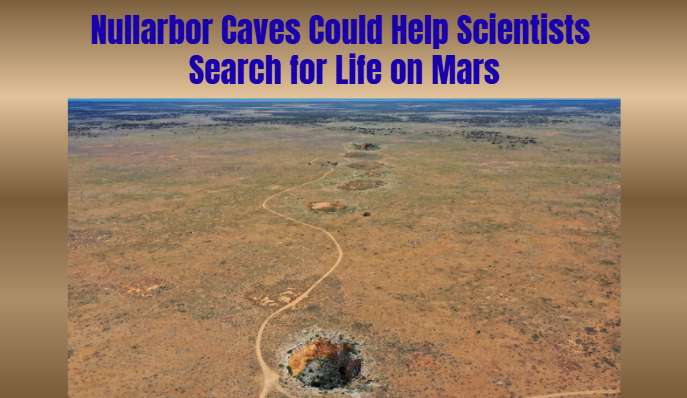
Researchers studying ancient cave systems beneath South Australia's Nullarbor Plain say the underground environment could provide clues for future searc...
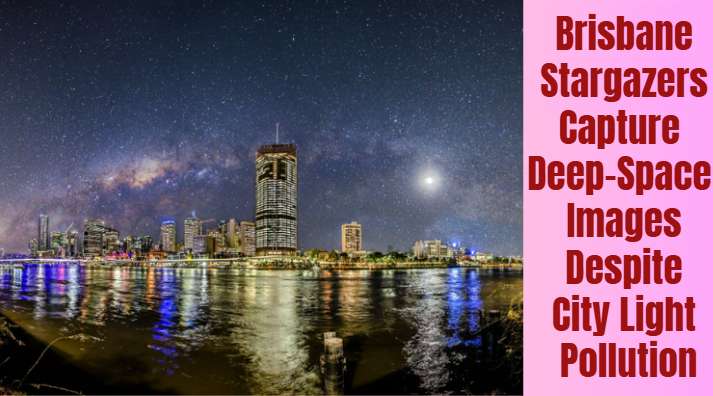
Amateur astronomers are using new telescope technology to photograph the Moon, planets and distant galaxies from Brisbane homes, showing that city skies...
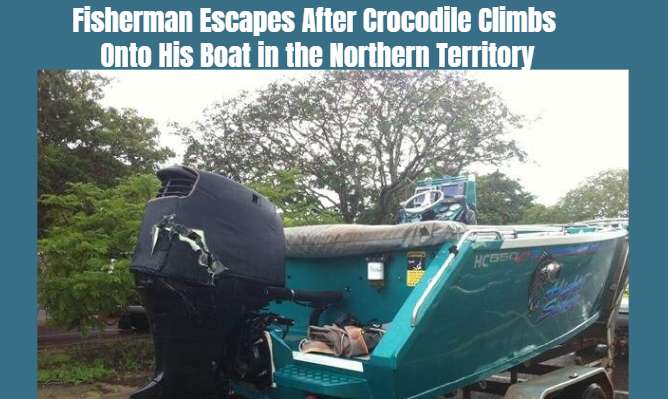
A fisherman escaped unharmed after a large crocodile climbed onto his boat while he was fishing alone on the Mary River, prompting renewed safety warnin...
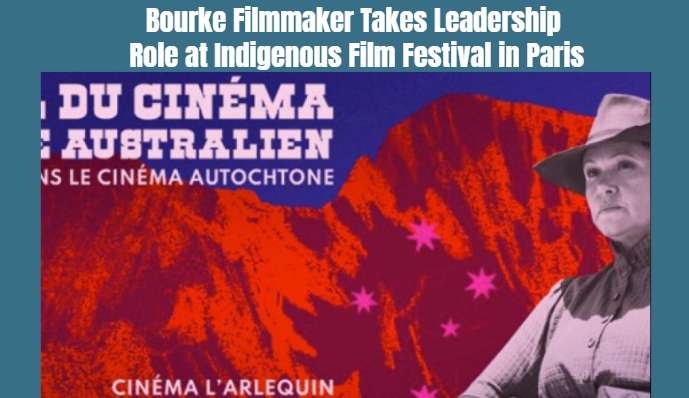
A filmmaker from Bourke in western New South Wales has taken over leadership of an Indigenous film festival in Paris, creating an opportunity to bring A...
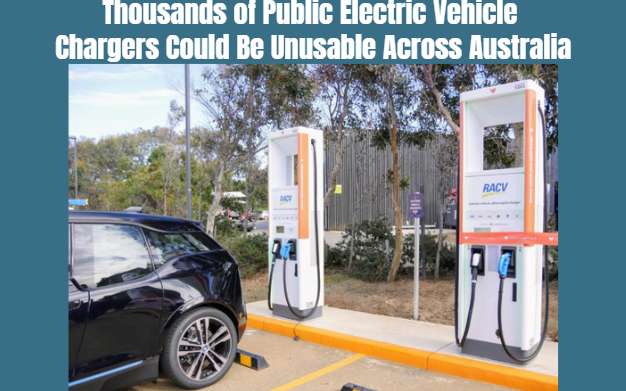
Concerns are growing over the reliability and availability of Australia's public electric vehicle charging network, with thousands of charging points po...
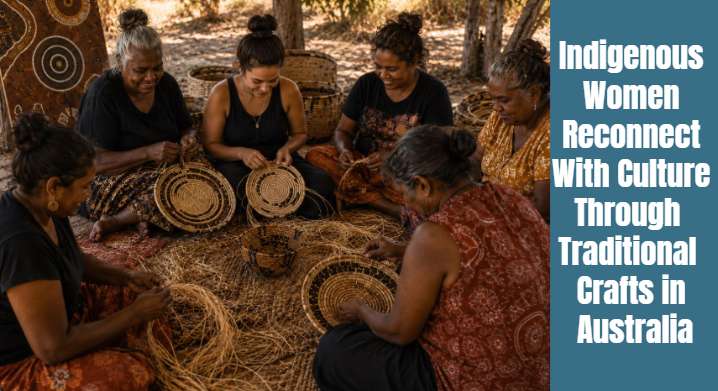
Indigenous women are using traditional weaving and craft-making to strengthen cultural connections, preserve knowledge passed down through generations a...
A psychiatric report presented to South Australia's Supreme Court has raised questions about Tamika Chesser's mental competence in the case involving th...
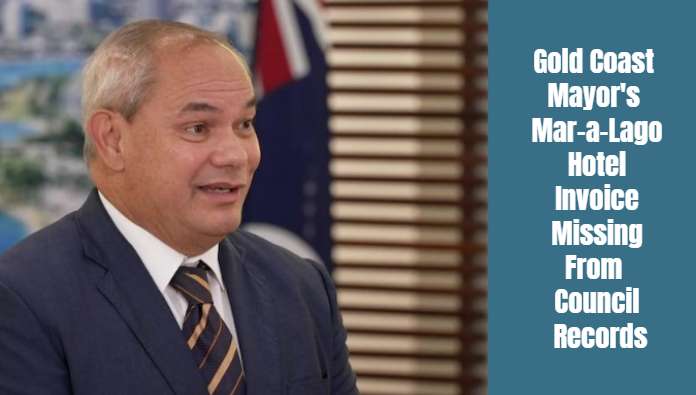
A freedom of information request has revealed that Gold Coast Council does not hold a copy of the invoice for Mayor Tom Tate's three-day stay at Donald...