Bendigo Father Seeks Life-Changing US Treatment After Rare Dysautonomia Diagnosis
By Neha Maurya · Published 07 Jul 2026 · Updated 07 Jul 2026
Bendigo, VIC · Victoria News
Safety note: Admin approval is an initial review, not a guarantee that every detail is correct. Check important or urgent claims with official sources and report anything inaccurate or unsafe.
Source and credit: Contributor's own report
Bendigo Father Seeks Life-Changing US Treatment After Rare Dysautonomia Diagnosis - Bendigo, VIC
Smart summary
Bendigo father of three James Maw is raising funds for specialist treatment in the United States after years of debilitating health problems following a mountain biking accident led to a diagnosis of dysautonomia, a r...
A Bendigo family's determination and community spirit are driving a fundraising campaign to help James "Jim" Maw, a 42-year-old father of three, travel to the United States for specialist treatment that is unavailable in Australia. After years of chronic illness, Jim has been accepted into a highly specialised dysautonomia program at the Mayo Clinic in Minnesota, but the cost of treatment and travel exceeds A$30,000.
Jim's health journey began in 2019 after a serious mountain biking accident at Mount Buller. Although he initially believed he had escaped major injury, he later required spinal surgery after damage to several vertebrae in his neck was discovered. Following surgery, he developed a range of unexplained symptoms, including dizziness, fainting, chronic fatigue, severe migraines, vision problems and digestive issues.
Doctors eventually diagnosed him with dysautonomia, a condition that affects the autonomic nervous system—the part of the body responsible for regulating automatic functions such as heart rate, blood pressure, breathing and digestion. The illness has dramatically changed his daily life, leaving him unable to work and significantly limiting his independence.
Over several years, Jim underwent numerous medical assessments and treatments across Australia. He also required a pacemaker after developing dangerously slow heart rhythms. Despite extensive care, specialists concluded that the advanced diagnostic testing and multidisciplinary treatment he now requires are not currently available within Australia.
Hope emerged when the Mayo Clinic accepted Jim into its internationally recognised dysautonomia program. The assessment includes comprehensive neurological and cardiovascular testing designed to identify the underlying causes of complex autonomic disorders and develop personalised treatment strategies. However, because much of the treatment is not covered by Australian healthcare, Jim and his family must raise significant funds to cover medical costs, travel and accommodation.
The fundraising campaign has received strong support from the Bendigo community. Jim's three daughters have played a leading role by using social media and community events to raise awareness and encourage donations. Friends, local businesses and residents have also organised fundraising activities to help the family reach its goal.
Jim, who previously worked in public and environmental health as well as the disability sector, says his greatest motivation is being able to regain enough health to spend quality time with his daughters and return to the active lifestyle he once enjoyed. While there is no guarantee of a cure, the specialist assessment offers the possibility of improved treatment options and a better quality of life.
The campaign has also helped raise awareness of dysautonomia, a condition that remains relatively unknown despite affecting thousands of people worldwide. Supporters hope Jim's story will encourage greater understanding of the challenges faced by people living with complex neurological disorders while giving him the opportunity to access potentially life-changing medical care.
TreatmentDysautonomiaAlsoBendigoCampaign
A Bendigo family's determination and community spirit are driving a fundraising campaign to help James "Jim" Maw, a 42-year-old father of three, travel to the United States for specialist treatment that is unavailable in Australia. After years of chronic illness, Jim has been accepted into a highly specialised dysautonomia program at the Mayo Clinic in Minnesota, but the cost of treatment and travel exceeds A$30,000.
Jim's health journey began in 2019 after a serious mountain biking accident at Mount Buller. Although he initially believed he had escaped major injury, he later required spinal surgery after damage to several vertebrae in his neck was discovered. Following surgery, he developed a range of unexplained symptoms, including dizziness, fainting, chronic fatigue, severe migraines, vision problems and digestive issues.
Doctors eventually diagnosed him with dysautonomia, a condition that affects the autonomic nervous system—the part of the body responsible for regulating automatic functions such as heart rate, blood pressure, breathing and digestion. The illness has dramatically changed his daily life, leaving him unable to work and significantly limiting his independence.
Over several years, Jim underwent numerous medical assessments and treatments across Australia. He also required a pacemaker after developing dangerously slow heart rhythms. Despite extensive care, specialists concluded that the advanced diagnostic testing and multidisciplinary treatment he now requires are not currently available within Australia.
Hope emerged when the Mayo Clinic accepted Jim into its internationally recognised dysautonomia program. The assessment includes comprehensive neurological and cardiovascular testing designed to identify the underlying causes of complex autonomic disorders and develop personalised treatment strategies. However, because much of the treatment is not covered by Australian healthcare, Jim and his family must raise significant funds to cover medical costs, travel and accommodation.
The fundraising campaign has received strong support from the Bendigo community. Jim's three daughters have played a leading role by using social media and community events to raise awareness and encourage donations. Friends, local businesses and residents have also organised fundraising activities to help the family reach its goal.
Jim, who previously worked in public and environmental health as well as the disability sector, says his greatest motivation is being able to regain enough health to spend quality time with his daughters and return to the active lifestyle he once enjoyed. While there is no guarantee of a cure, the specialist assessment offers the possibility of improved treatment options and a better quality of life.
The campaign has also helped raise awareness of dysautonomia, a condition that remains relatively unknown despite affecting thousands of people worldwide. Supporters hope Jim's story will encourage greater understanding of the challenges faced by people living with complex neurological disorders while giving him the opportunity to access potentially life-changing medical care.
A Queensland Police Service annual report shows the service failed to meet its targets for public perceptions of honesty, trust, fairness and profession...
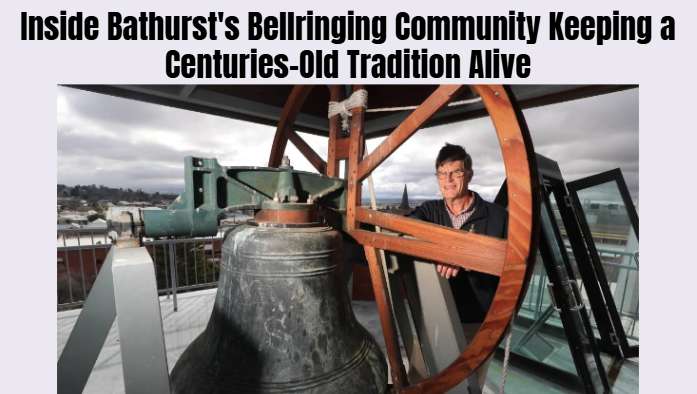
Bathurst bellringers are preparing to gather to celebrate a historic tradition dating back to 17th-century England, bringing together a community dedica...
Changes to Australia’s working holiday visa program have raised concerns among tourism and hospitality businesses in Far North Queensland, where backpac...
Bluebottles measuring up to three times the usual size have been washing onto Gold Coast beaches earlier than expected, prompting questions from scienti...
Residents affected by Victoria’s plan to demolish 44 public housing towers are challenging the decision in Australia’s highest court, arguing they were...
A former federal police officer says Victoria acted too slowly against the illegal tobacco trade, while Premier Ben Carroll has admitted the government...
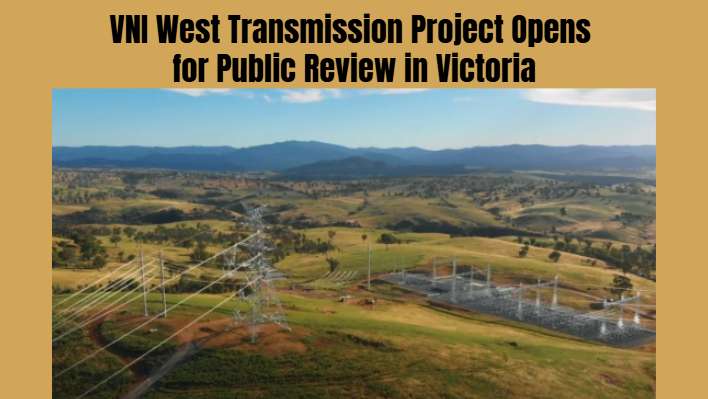
Victoria’s proposed VNI West electricity transmission project has entered a new public review stage today, with residents and communities invited to exa...
A teenager has suffered serious burns after three cars caught fire in Melbourne’s north-west early Monday morning, with police investigating the inciden...