Body-cam wake-up call: Fairy Meadow woman swears off alcohol after attack on police
By Neha · Published 24 Jun 2026 · Updated 24 Jun 2026
Wollongong, NSW · New South Wales News
Safety note: Admin approval is an initial review, not a guarantee that every detail is correct. Check important or urgent claims with official sources and report anything inaccurate or unsafe.
Source and credit: Contributor's own report
Body-cam wake-up call: Fairy Meadow woman swears off alcohol after attack on police - Wollongong, NSW
Smart summary
A Fairy Meadow woman has admitted she suffers from alcohol addiction after viewing police body-worn camera footage showing her drunken assault on officers, leading to court proceedings and a commitment to sobriety.
A Fairy Meadow woman has told a court that she has recognised the severity of her alcohol addiction after seeing body-worn camera footage of herself assaulting police officers while intoxicated. The incident became a turning point in her life, prompting her to seek help and commit to giving up alcohol.
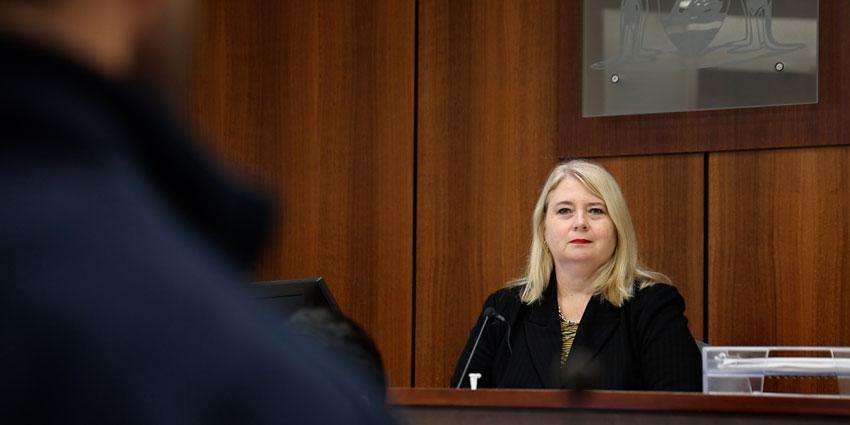
The court heard that the woman was heavily affected by alcohol at the time of the incident and became involved in a confrontation with police officers. During the encounter, she assaulted an officer, resulting in criminal charges being laid against her. Body-worn camera footage captured the incident and later became an important piece of evidence during legal proceedings.
According to reports presented in court, the woman was deeply affected when she later watched the footage. Seeing her behaviour from an objective perspective reportedly caused her significant embarrassment and concern. The footage highlighted the extent to which alcohol had impacted her judgment, behaviour and interactions with others.
The woman subsequently admitted she had an alcohol problem and acknowledged that her drinking had contributed directly to the offending. The court was told that she had taken steps toward rehabilitation, including reducing or eliminating alcohol consumption and engaging with support services designed to address addiction issues. Her legal representatives argued that the incident served as a powerful wake-up call and that she had demonstrated genuine remorse for her actions.
Police assaults are treated seriously by courts throughout New South Wales because officers are performing public duties and are entitled to protection while carrying out law enforcement responsibilities. Sentencing decisions in such matters typically consider factors including the level of violence involved, prior criminal history, the offender's personal circumstances, and evidence of rehabilitation.
In this case, the woman's acknowledgment of her addiction and her efforts to address the underlying causes of her offending were important considerations before the court. Magistrates often place significant weight on evidence that an offender has taken meaningful steps to reduce the likelihood of reoffending, particularly where substance abuse is a contributing factor.
The case also highlights the growing role of police body-worn cameras in the justice system. Such footage frequently provides courts with a clear and objective record of incidents, helping judges and magistrates assess behaviour and determine appropriate outcomes. In some instances, viewing the footage can have a profound impact on offenders by confronting them with the reality of their actions.
Alcohol-related offending remains a significant issue across Australia, with police and health authorities regularly warning about the risks associated with excessive drinking. Incidents involving violence, disorderly conduct and assaults often have alcohol as a contributing factor. The woman's case demonstrates how substance abuse can lead to serious legal consequences but also how intervention and treatment can become an opportunity for personal change.
Ultimately, the court was satisfied that the woman had shown insight into her behaviour and accepted responsibility for her actions. Her commitment to sobriety was presented as evidence that she is attempting to move forward and avoid repeating the mistakes that brought her before the court.
AlcoholWomanCourtFootagePolice
A Fairy Meadow woman has told a court that she has recognised the severity of her alcohol addiction after seeing body-worn camera footage of herself assaulting police officers while intoxicated. The incident became a turning point in her life, prompting her to seek help and commit to giving up alcohol.
The court heard that the woman was heavily affected by alcohol at the time of the incident and became involved in a confrontation with police officers. During the encounter, she assaulted an officer, resulting in criminal charges being laid against her. Body-worn camera footage captured the incident and later became an important piece of evidence during legal proceedings.
According to reports presented in court, the woman was deeply affected when she later watched the footage. Seeing her behaviour from an objective perspective reportedly caused her significant embarrassment and concern. The footage highlighted the extent to which alcohol had impacted her judgment, behaviour and interactions with others.
The woman subsequently admitted she had an alcohol problem and acknowledged that her drinking had contributed directly to the offending. The court was told that she had taken steps toward rehabilitation, including reducing or eliminating alcohol consumption and engaging with support services designed to address addiction issues. Her legal representatives argued that the incident served as a powerful wake-up call and that she had demonstrated genuine remorse for her actions.
Police assaults are treated seriously by courts throughout New South Wales because officers are performing public duties and are entitled to protection while carrying out law enforcement responsibilities. Sentencing decisions in such matters typically consider factors including the level of violence involved, prior criminal history, the offender's personal circumstances, and evidence of rehabilitation.
In this case, the woman's acknowledgment of her addiction and her efforts to address the underlying causes of her offending were important considerations before the court. Magistrates often place significant weight on evidence that an offender has taken meaningful steps to reduce the likelihood of reoffending, particularly where substance abuse is a contributing factor.
The case also highlights the growing role of police body-worn cameras in the justice system. Such footage frequently provides courts with a clear and objective record of incidents, helping judges and magistrates assess behaviour and determine appropriate outcomes. In some instances, viewing the footage can have a profound impact on offenders by confronting them with the reality of their actions.
Alcohol-related offending remains a significant issue across Australia, with police and health authorities regularly warning about the risks associated with excessive drinking. Incidents involving violence, disorderly conduct and assaults often have alcohol as a contributing factor. The woman's case demonstrates how substance abuse can lead to serious legal consequences but also how intervention and treatment can become an opportunity for personal change.
Ultimately, the court was satisfied that the woman had shown insight into her behaviour and accepted responsibility for her actions. Her commitment to sobriety was presented as evidence that she is attempting to move forward and avoid repeating the mistakes that brought her before the court.
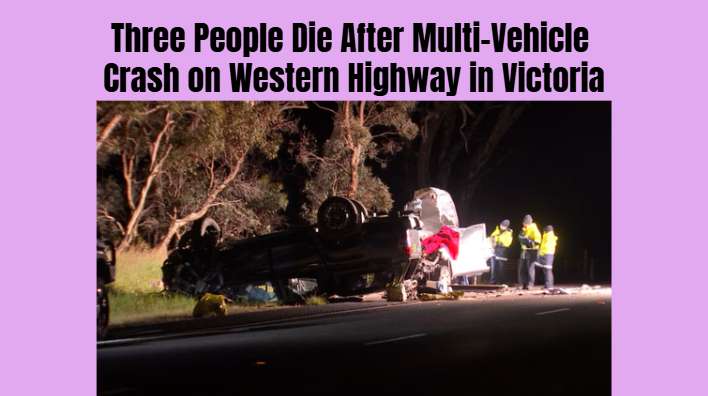
Three people, including a 14-year-old girl, have died following a multi-vehicle collision on the Western Highway near Ledcourt in Victoria's north-west.
A 50-year-old man has died after being struck by a vehicle in Fernvale, west of Brisbane, with police launching a homicide investigation and arresting a...
Police have arrested three teenagers after a man was allegedly stabbed while confronting a group of boys attempting to break into a car in Melbourne’s s...
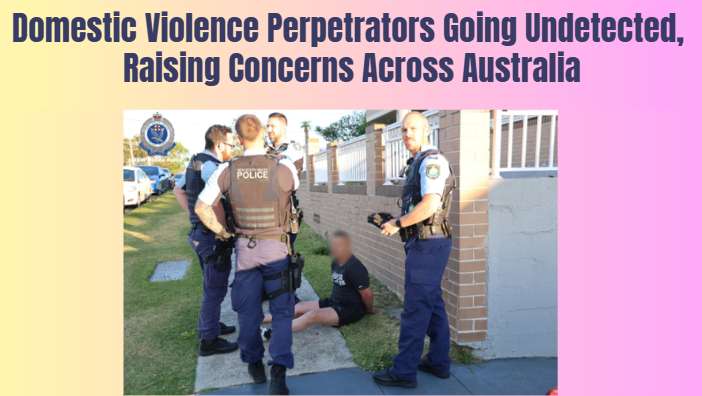
Recent domestic violence-related deaths in New South Wales have highlighted concerns about gaps in identifying alleged perpetrators before serious viole...
A Sydney patient says he spent 23 hours waiting on a chair at Westmead Hospital's emergency department, while new figures show continuing pressure on th...
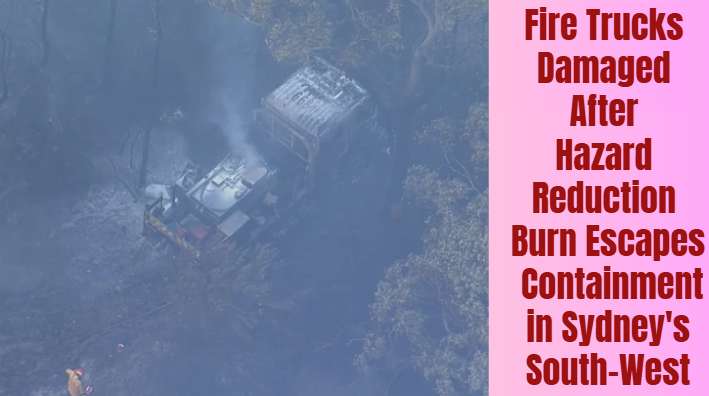
Multiple Rural Fire Service trucks were damaged after a planned hazard reduction burn at Wedderburn in Sydney's south-west escaped containment on Saturday.
Recent domestic violence-related deaths in New South Wales have highlighted concerns about gaps in identifying alleged perpetrators before serious viole...
Australian health experts are warning that cat bites and scratches can cause severe infections, with hospitalisations from cat-related injuries nearly t...
A Sydney patient says he spent 23 hours waiting on a chair at Westmead Hospital's emergency department, while new figures show continuing pressure on th...
Three people, including a 14-year-old girl, have died following a multi-vehicle collision on the Western Highway near Ledcourt in Victoria's north-west.
A 50-year-old man has died after being struck by a vehicle in Fernvale, west of Brisbane, with police launching a homicide investigation and arresting a...
Multiple Rural Fire Service trucks were damaged after a planned hazard reduction burn at Wedderburn in Sydney's south-west escaped containment on Saturday.