Safety note: Admin approval is an initial review, not a guarantee that every detail is correct. Check important or urgent claims with official sources and report anything inaccurate or unsafe.
Source and credit: Contributor's own report
Bondi Survivor Tells Royal Commission Social Media Hate Deepened Trauma After Attack - Sydney, NSW
Smart summary
A survivor of the Bondi terror attack has described how conspiracy theories, deepfake images and antisemitic abuse spread online within hours of the tragedy, prompting calls for stronger regulation of social media pla...
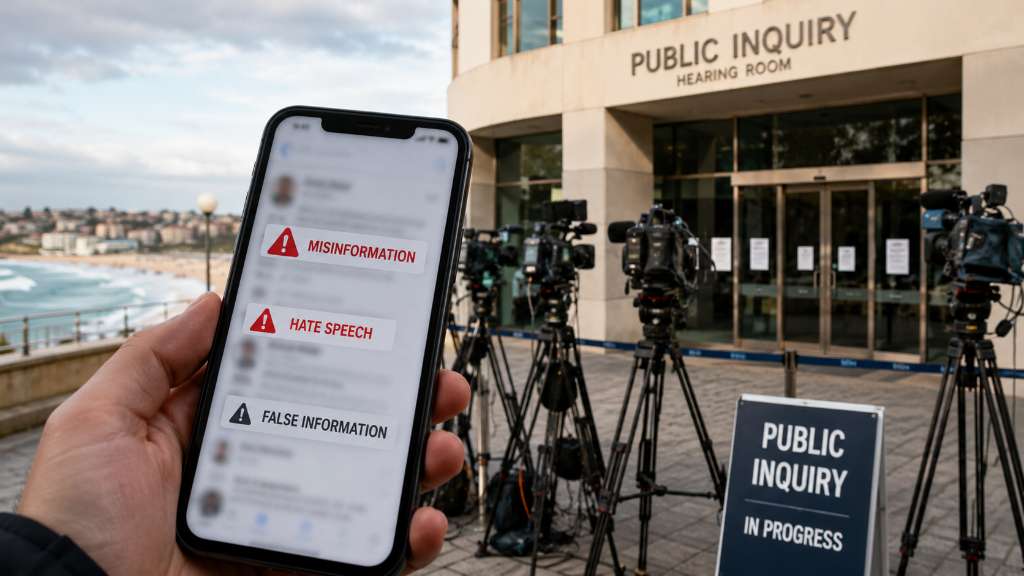
Australia's Royal Commission into Antisemitism and Social Cohesion has heard emotional evidence from a survivor of the Bondi terror attack, who described experiencing an overwhelming wave of online abuse and misinformation almost immediately after the incident. The witness told the inquiry that manipulated images, conspiracy theories and hateful messages rapidly circulated across social media platforms, compounding the trauma already caused by the attack itself.
According to evidence presented before the commission, deepfake images falsely depicting the survivor in fabricated situations spread widely online, attracting thousands of hostile comments and antisemitic messages. The witness said the experience demonstrated how quickly misinformation can escalate following major events and how difficult it can be for victims to have false content removed from digital platforms. Despite repeated requests for the material to be taken down, responses from technology companies were inconsistent, with some platforms acting while others failed to intervene.
Counsel assisting the commission argued that social media has become one of the most significant channels for the spread of antisemitism, hate speech and disinformation in Australia. The hearings examined evidence suggesting online platforms can amplify extremist narratives, enabling harmful content to reach large audiences within minutes. Commissioners heard that algorithms designed to maximise engagement may inadvertently promote divisive or inflammatory material, making online abuse more widespread and difficult to control.
Business leader Steven Lowy also gave evidence about the growing prevalence of antisemitic abuse directed at him, his family and the broader Jewish community. He told the inquiry that thousands of threatening or abusive online posts had been documented over the past year, highlighting what he described as a significant deterioration in public discourse. His submission called for stronger regulation of digital platforms, improved law enforcement responses and greater public education to combat antisemitism and online extremism.
The commission also examined the varying levels of cooperation received from major technology companies. While some organisations provided detailed responses to requests for information, others were criticised for limited engagement or failing to participate meaningfully in the inquiry. Counsel assisting argued that stronger accountability measures may be necessary to ensure online platforms respond more effectively to harmful content and protect vulnerable users from targeted abuse.
The Royal Commission into Antisemitism and Social Cohesion was established following the Bondi terror attack and is examining the causes of rising antisemitism, online hate and social division in Australia. Its hearings are expected to continue over the coming months before final recommendations are delivered to the federal government. The evidence presented so far has highlighted the growing influence of social media in shaping public narratives during times of crisis and the challenges authorities face in addressing digital misinformation while protecting freedom of expression.
OnlineSocialCommissionPlatformsAntisemitism
Australia's Royal Commission into Antisemitism and Social Cohesion has heard emotional evidence from a survivor of the Bondi terror attack, who described experiencing an overwhelming wave of online abuse and misinformation almost immediately after the incident. The witness told the inquiry that manipulated images, conspiracy theories and hateful messages rapidly circulated across social media platforms, compounding the trauma already caused by the attack itself.
According to evidence presented before the commission, deepfake images falsely depicting the survivor in fabricated situations spread widely online, attracting thousands of hostile comments and antisemitic messages. The witness said the experience demonstrated how quickly misinformation can escalate following major events and how difficult it can be for victims to have false content removed from digital platforms. Despite repeated requests for the material to be taken down, responses from technology companies were inconsistent, with some platforms acting while others failed to intervene.
Counsel assisting the commission argued that social media has become one of the most significant channels for the spread of antisemitism, hate speech and disinformation in Australia. The hearings examined evidence suggesting online platforms can amplify extremist narratives, enabling harmful content to reach large audiences within minutes. Commissioners heard that algorithms designed to maximise engagement may inadvertently promote divisive or inflammatory material, making online abuse more widespread and difficult to control.
Business leader Steven Lowy also gave evidence about the growing prevalence of antisemitic abuse directed at him, his family and the broader Jewish community. He told the inquiry that thousands of threatening or abusive online posts had been documented over the past year, highlighting what he described as a significant deterioration in public discourse. His submission called for stronger regulation of digital platforms, improved law enforcement responses and greater public education to combat antisemitism and online extremism.
The commission also examined the varying levels of cooperation received from major technology companies. While some organisations provided detailed responses to requests for information, others were criticised for limited engagement or failing to participate meaningfully in the inquiry. Counsel assisting argued that stronger accountability measures may be necessary to ensure online platforms respond more effectively to harmful content and protect vulnerable users from targeted abuse.
The Royal Commission into Antisemitism and Social Cohesion was established following the Bondi terror attack and is examining the causes of rising antisemitism, online hate and social division in Australia. Its hearings are expected to continue over the coming months before final recommendations are delivered to the federal government. The evidence presented so far has highlighted the growing influence of social media in shaping public narratives during times of crisis and the challenges authorities face in addressing digital misinformation while protecting freedom of expression.
A 43-year-old man has been charged following a fire at a funeral home in Warragul, Victoria, on Wednesday evening, 23 September 2026. Police allege the man walked along Howitt S...
A 14-year-old boy from Maryborough has been charged after Queensland police alleged he was preparing to cause death or grievous bodily harm and possesse...
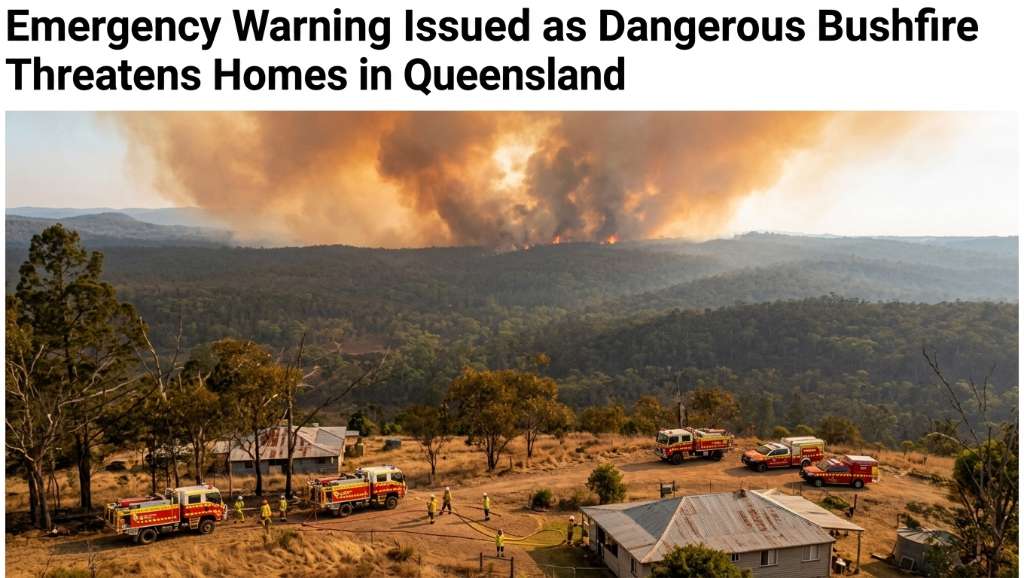
Residents in Teelah, north of Blackbutt, have been urged to seek shelter as a dangerous bushfire burns near homes in Queensland's South Burnett region.
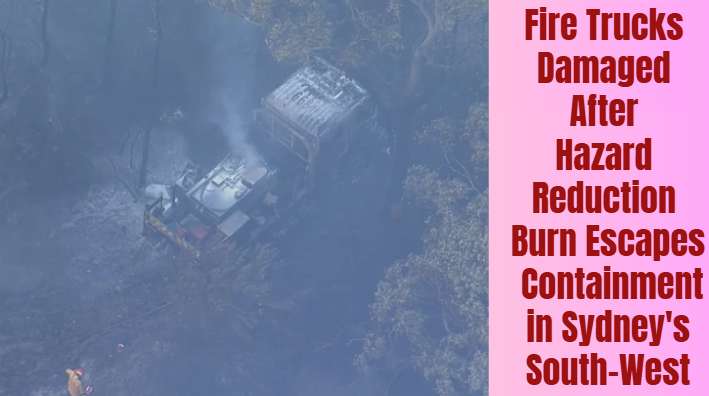
Multiple Rural Fire Service trucks were damaged after a planned hazard reduction burn at Wedderburn in Sydney's south-west escaped containment on Saturday.
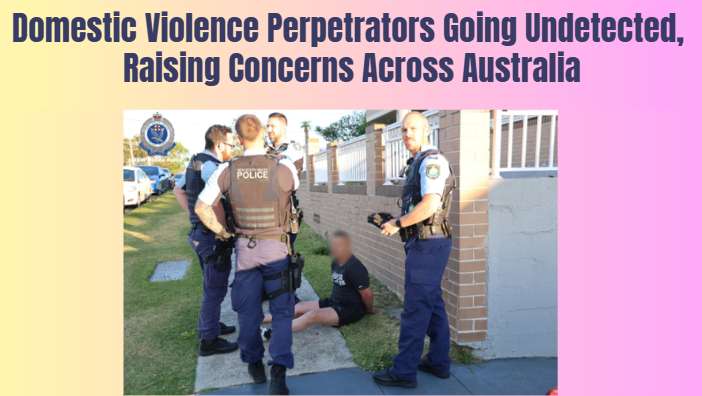
Recent domestic violence-related deaths in New South Wales have highlighted concerns about gaps in identifying alleged perpetrators before serious viole...
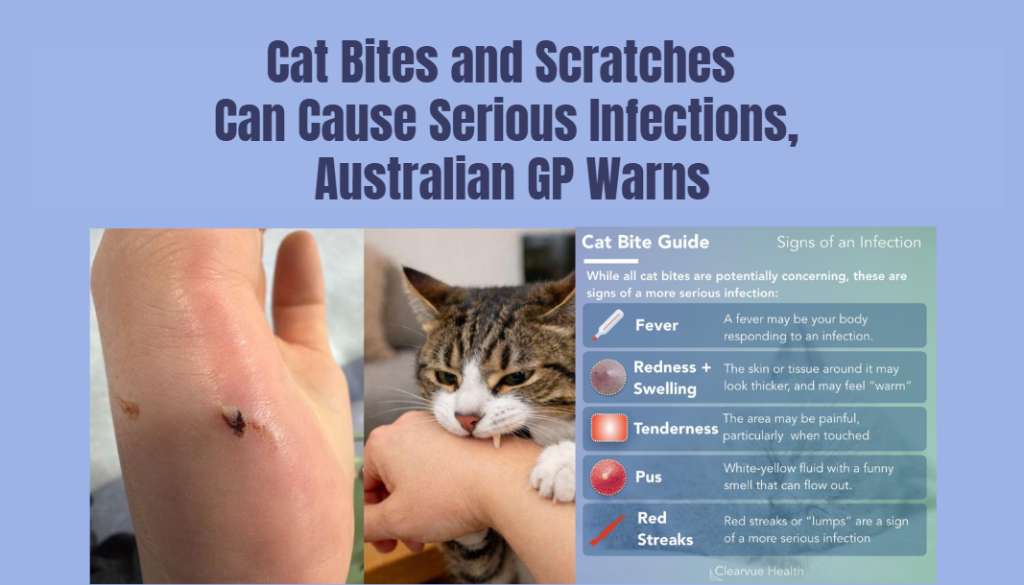
Australian health experts are warning that cat bites and scratches can cause severe infections, with hospitalisations from cat-related injuries nearly t...
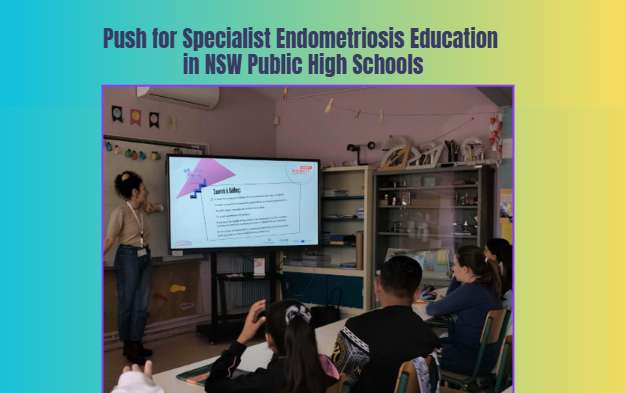
A parliamentary petition calling for specialist endometriosis education in NSW public high schools has attracted more than 1,700 signatures, as health a...
A 50-year-old man has died after being struck by a vehicle in Fernvale, west of Brisbane, with police launching a homicide investigation and arresting a...
Multiple Rural Fire Service trucks were damaged after a planned hazard reduction burn at Wedderburn in Sydney's south-west escaped containment on Saturday.
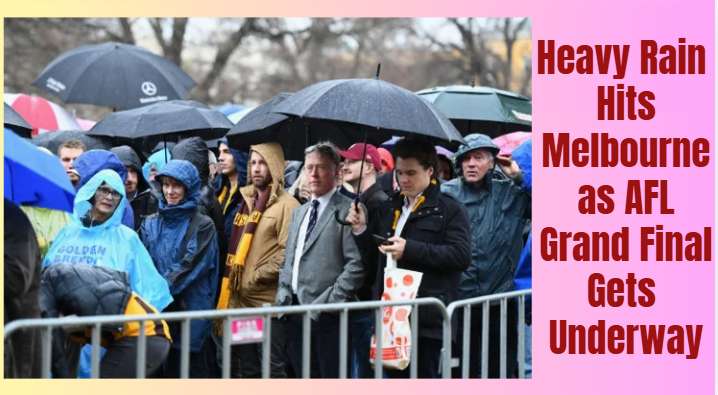
Wet conditions at the Melbourne Cricket Ground are creating difficult conditions for the AFL Grand Final, while poor weather has also disrupted flights...
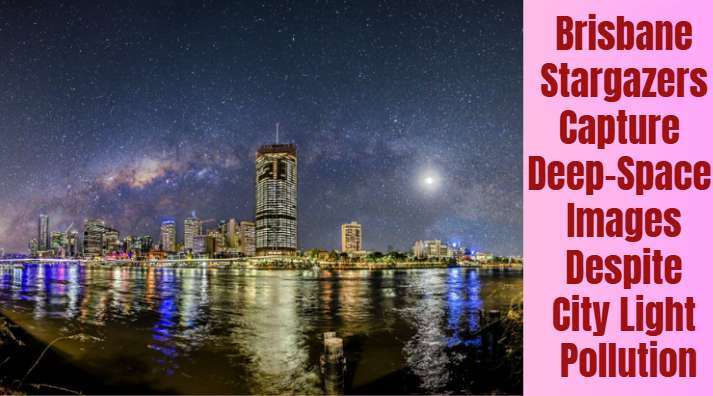
Amateur astronomers are using new telescope technology to photograph the Moon, planets and distant galaxies from Brisbane homes, showing that city skies...