Safety note: Admin approval is an initial review, not a guarantee that every detail is correct. Check important or urgent claims with official sources and report anything inaccurate or unsafe.
Source and credit: Contributor's own report
Brisbane Suburb Records Extremely Poor Air Quality During Hazard Reduction Burns - Brisbane, QLD
Smart summary
Smoke from hazard-reduction burns has caused unusually poor air quality in parts of Brisbane ahead of the bushfire season.
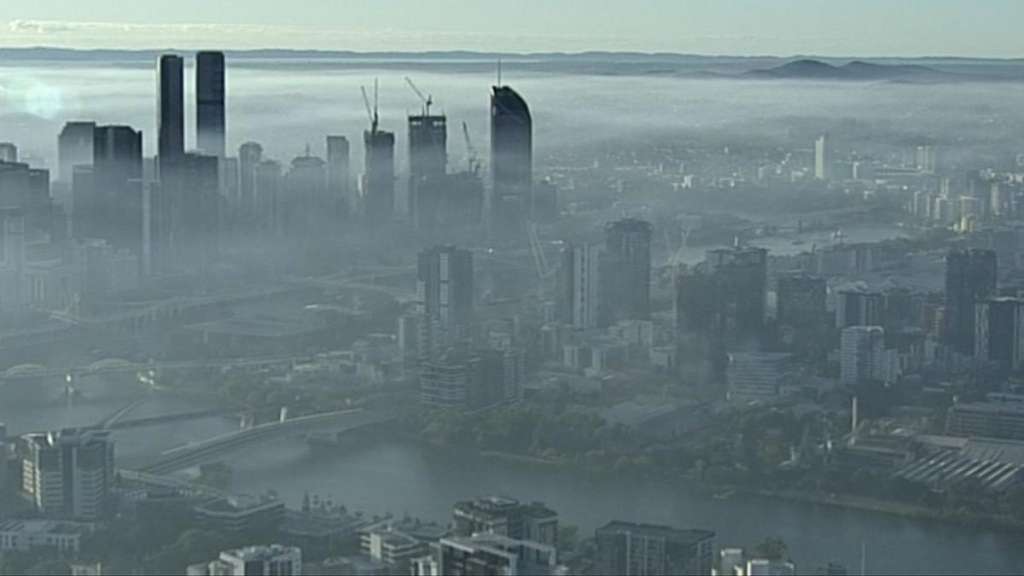
Air quality in parts of Brisbane has deteriorated significantly following a series of hazard-reduction burns being carried out ahead of the upcoming bushfire season. One Brisbane suburb recorded pollution levels described as being substantially higher than normal, highlighting the impact that smoke from planned burns can have on urban communities.
Hazard-reduction burning is used across Queensland to reduce the amount of vegetation and other combustible material available to fuel bushfires. Although these burns are intended to reduce the risk of uncontrolled fires later in the season, smoke can temporarily affect air quality in nearby suburbs.
The latest Brisbane report highlights the unusual extent of the smoke impact, with air pollution in one suburb reaching levels reported as significantly worse than those experienced in heavily polluted international cities.
For Brisbane residents, poor air quality can be particularly noticeable during periods when smoke remains close to the ground. People may experience reduced visibility, smoky smells and irritation when spending time outdoors.
Residents who are sensitive to smoke may need to take additional precautions while conditions remain poor. Keeping windows and doors closed when smoke is particularly heavy and reducing strenuous outdoor activity can help limit exposure.
The situation also demonstrates the challenge authorities face when balancing bushfire preparation with the immediate effects of planned burning. Hazard-reduction burns are an important part of land-management and bushfire-prevention strategies, but weather conditions can influence how quickly smoke disperses.
Wind direction is particularly important. When winds are light or push smoke towards populated areas, pollution can remain concentrated for longer periods. Changes in wind direction can subsequently improve conditions by moving smoke away from residential areas.
Brisbane's expanding urban environment means that bushfire-management activities increasingly occur close to communities. This makes communication and monitoring important so residents understand why burns are taking place and how conditions may affect them.
The current smoke episode is also a reminder that winter and early spring can involve increased hazard-reduction activity across Queensland as authorities prepare for the hotter and drier months.
Residents are encouraged to monitor official air-quality and fire information and to follow any local health advice if smoke levels become uncomfortable.
The report was published today, 12 August 2026, and is a new Brisbane story rather than an older article republished today.
SmokeBrisbaneBurnsWhenConditions
Air quality in parts of Brisbane has deteriorated significantly following a series of hazard-reduction burns being carried out ahead of the upcoming bushfire season. One Brisbane suburb recorded pollution levels described as being substantially higher than normal, highlighting the impact that smoke from planned burns can have on urban communities.
Hazard-reduction burning is used across Queensland to reduce the amount of vegetation and other combustible material available to fuel bushfires. Although these burns are intended to reduce the risk of uncontrolled fires later in the season, smoke can temporarily affect air quality in nearby suburbs.
The latest Brisbane report highlights the unusual extent of the smoke impact, with air pollution in one suburb reaching levels reported as significantly worse than those experienced in heavily polluted international cities.
For Brisbane residents, poor air quality can be particularly noticeable during periods when smoke remains close to the ground. People may experience reduced visibility, smoky smells and irritation when spending time outdoors.
Residents who are sensitive to smoke may need to take additional precautions while conditions remain poor. Keeping windows and doors closed when smoke is particularly heavy and reducing strenuous outdoor activity can help limit exposure.
The situation also demonstrates the challenge authorities face when balancing bushfire preparation with the immediate effects of planned burning. Hazard-reduction burns are an important part of land-management and bushfire-prevention strategies, but weather conditions can influence how quickly smoke disperses.
Wind direction is particularly important. When winds are light or push smoke towards populated areas, pollution can remain concentrated for longer periods. Changes in wind direction can subsequently improve conditions by moving smoke away from residential areas.
Brisbane's expanding urban environment means that bushfire-management activities increasingly occur close to communities. This makes communication and monitoring important so residents understand why burns are taking place and how conditions may affect them.
The current smoke episode is also a reminder that winter and early spring can involve increased hazard-reduction activity across Queensland as authorities prepare for the hotter and drier months.
Residents are encouraged to monitor official air-quality and fire information and to follow any local health advice if smoke levels become uncomfortable.
The report was published today, 12 August 2026, and is a new Brisbane story rather than an older article republished today.
A 43-year-old man has been charged following a fire at a funeral home in Warragul, Victoria, on Wednesday evening, 23 September 2026. Police allege the man walked along Howitt S...
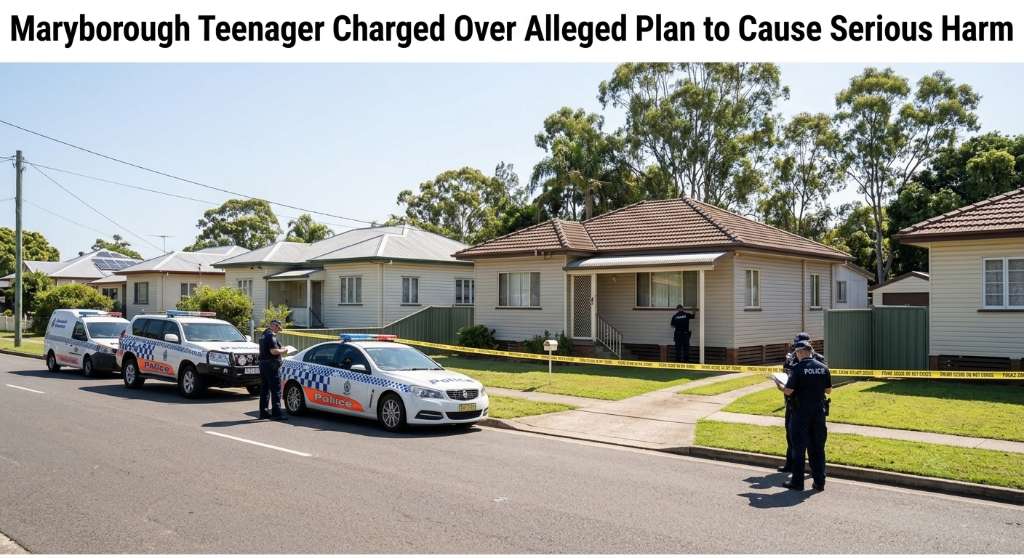
A 14-year-old boy from Maryborough has been charged after Queensland police alleged he was preparing to cause death or grievous bodily harm and possesse...
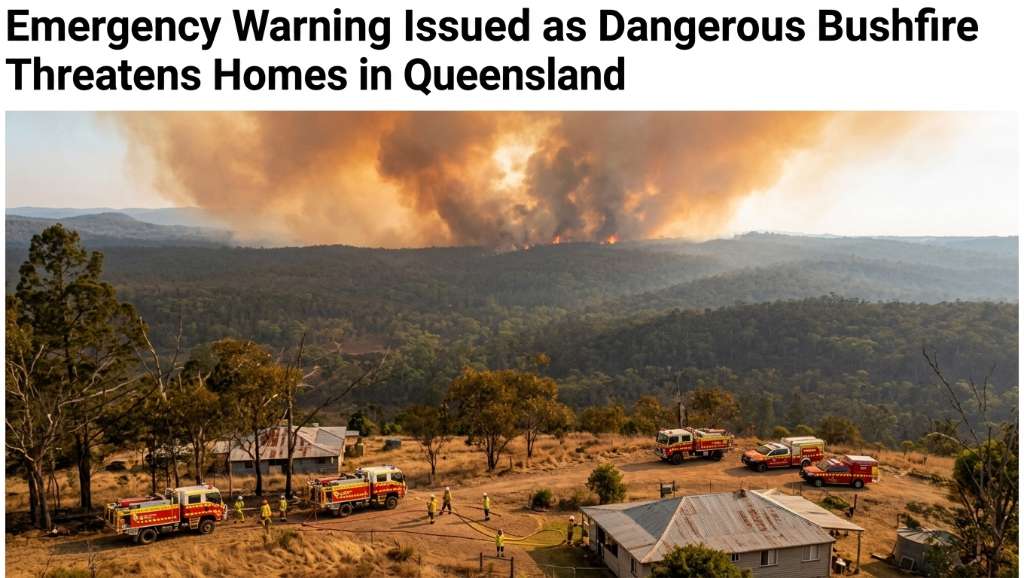
Residents in Teelah, north of Blackbutt, have been urged to seek shelter as a dangerous bushfire burns near homes in Queensland's South Burnett region.
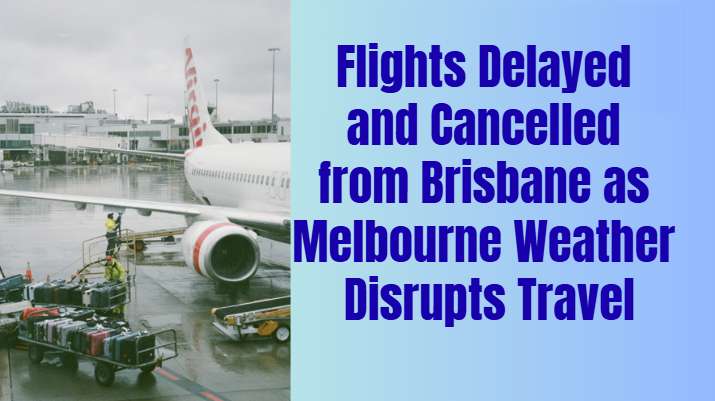
Severe weather in Melbourne has caused flight disruptions from Brisbane, with at least one flight cancelled and other services delayed as passengers tra...
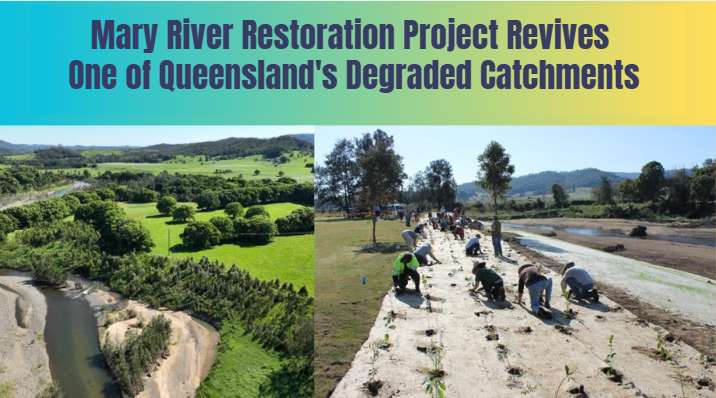
A long-running community restoration effort along Queensland's Mary River is reducing erosion, improving water quality and helping restore habitat for n...
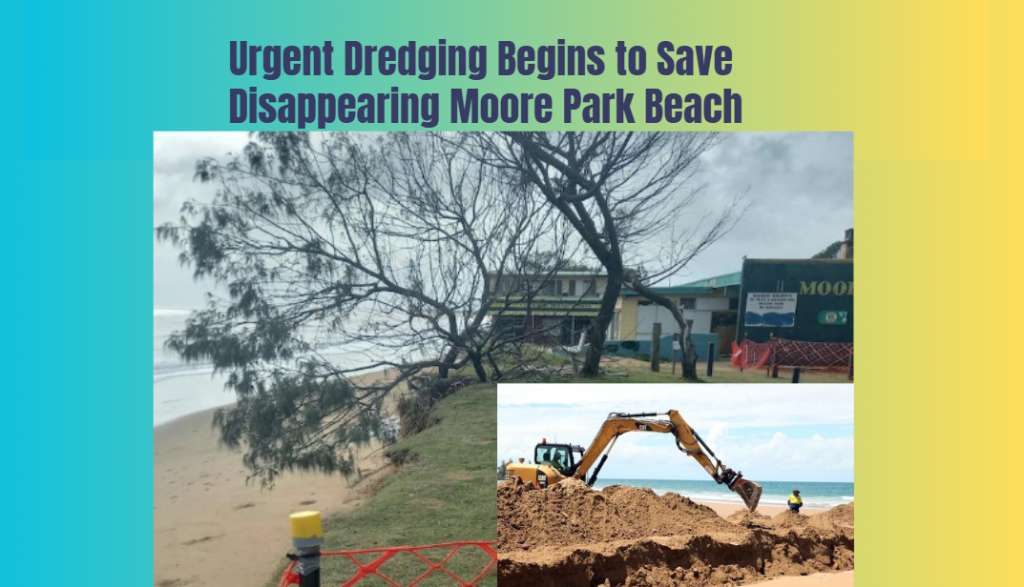
Emergency dredging has begun at Moore Park Beach near Bundaberg after severe erosion washed away sections of the coastline and shifted the mouth of Moor...
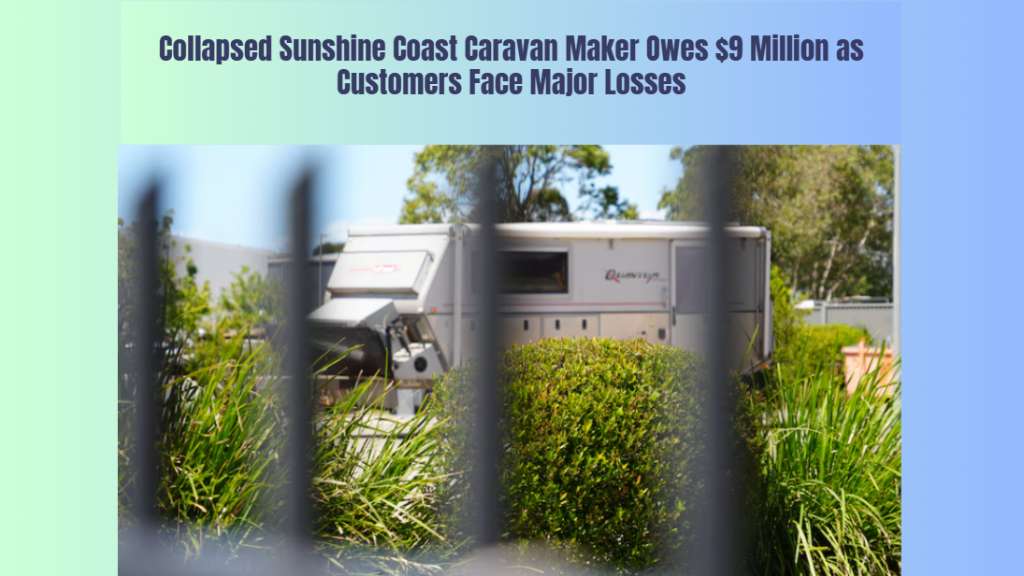
Administrators have revealed Australian Off Road owes about $9 million after the Sunshine Coast caravan manufacturer collapsed, leaving customers, emplo...
Australian tennis player Talia Gibson has reached her first WTA Tour-level singles final at the Singapore Open after Tatiana Prozorova withdrew from the...
Severe weather in Melbourne has caused flight disruptions from Brisbane, with at least one flight cancelled and other services delayed as passengers tra...
A new Tasmanian sports academy is creating education and career pathways as the state’s professional sporting sector expands with the Tasmania Devils, J...
New evidence indicates autonomous Open AI agents attempted to access information from several Australian government and public-sector websites, expanding...