Safety note: Admin approval is an initial review, not a guarantee that every detail is correct. Check important or urgent claims with official sources and report anything inaccurate or unsafe.
Source and credit: Contributor's own report
Brisbane Housing Market Slows as Buyers Regain Negotiating Power After Years of Rapid Growth - Brisbane, QLD
Smart summary
Property buyers in Brisbane and regional Queensland are gaining more choice as housing growth slows, listings increase and recent federal budget changes reshape investor behaviour.
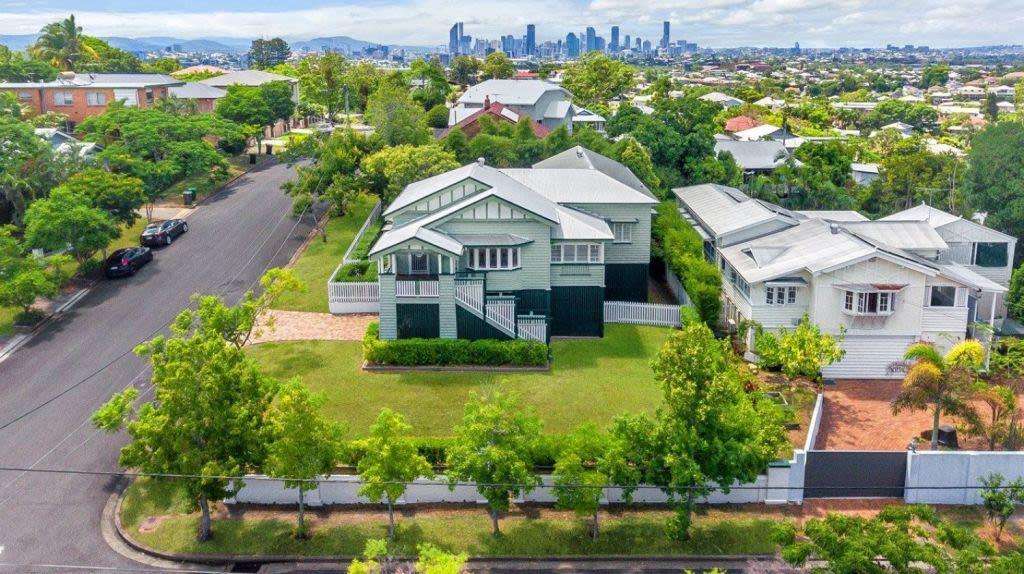
After several years of strong price growth, Brisbane's housing market is showing signs of slowing, with buyers becoming more confident in negotiations and sellers facing a more balanced market. Property experts say the shift marks a change from the highly competitive conditions seen during the recent housing boom.
Brisbane property values have risen significantly in recent years, increasing by more than 75 per cent over five years. However, recent data shows growth has eased, with more properties staying on the market for longer and buyers taking more time before making offers.
Housing analysts say changes to federal housing policies, including adjustments affecting negative gearing and capital gains tax discounts, have influenced investor decisions. Some property investors have become more cautious, reducing competition in parts of the market and giving owner-occupiers greater opportunities.
Real estate experts report that Brisbane listings have increased compared with the previous year, allowing buyers to compare more properties and negotiate harder. Auction clearance rates have also declined, reflecting a gap between the prices sellers expect and what buyers are currently willing to pay.
Regional Queensland markets have also experienced changes, although many areas remain resilient. The Darling Downs, Central Highlands and Toowoomba regions recorded strong annual growth, but momentum has started to slow as broader market conditions change.
Toowoomba has performed strongly because of its relative affordability compared with major Queensland cities. However, property analysts warn sellers in regional areas may need to adjust expectations as buyers become less pressured and more selective.
Coastal markets such as the Gold Coast and Sunshine Coast, which experienced significant growth during recent years, are also beginning to cool. Despite this slowdown, Queensland continues to attract interstate migration, particularly from people moving from Sydney and Melbourne in search of more affordable housing options.
The Real Estate Institute of Queensland said demand for property remains strong, but housing supply continues to be a major challenge. Industry leaders argue that increasing new housing construction will be essential to meet population growth and improve affordability.
Economists believe Brisbane's housing market may remain steady or experience moderate declines until interest rates become more favourable. While buying conditions are improving, experts say the market is entering a different phase where buyers have more influence than during the previous boom period.
For first-home buyers like Brisbane resident Nicole Pengilly, the slower market has created new opportunities. After years of struggling with rising prices and rental uncertainty, she was able to purchase a home as competition reduced and buyers gained more negotiating power.
BuyersHousingMarketBrisbaneGrowth
After several years of strong price growth, Brisbane's housing market is showing signs of slowing, with buyers becoming more confident in negotiations and sellers facing a more balanced market. Property experts say the shift marks a change from the highly competitive conditions seen during the recent housing boom.
Brisbane property values have risen significantly in recent years, increasing by more than 75 per cent over five years. However, recent data shows growth has eased, with more properties staying on the market for longer and buyers taking more time before making offers.
Housing analysts say changes to federal housing policies, including adjustments affecting negative gearing and capital gains tax discounts, have influenced investor decisions. Some property investors have become more cautious, reducing competition in parts of the market and giving owner-occupiers greater opportunities.
Real estate experts report that Brisbane listings have increased compared with the previous year, allowing buyers to compare more properties and negotiate harder. Auction clearance rates have also declined, reflecting a gap between the prices sellers expect and what buyers are currently willing to pay.
Regional Queensland markets have also experienced changes, although many areas remain resilient. The Darling Downs, Central Highlands and Toowoomba regions recorded strong annual growth, but momentum has started to slow as broader market conditions change.
Toowoomba has performed strongly because of its relative affordability compared with major Queensland cities. However, property analysts warn sellers in regional areas may need to adjust expectations as buyers become less pressured and more selective.
Coastal markets such as the Gold Coast and Sunshine Coast, which experienced significant growth during recent years, are also beginning to cool. Despite this slowdown, Queensland continues to attract interstate migration, particularly from people moving from Sydney and Melbourne in search of more affordable housing options.
The Real Estate Institute of Queensland said demand for property remains strong, but housing supply continues to be a major challenge. Industry leaders argue that increasing new housing construction will be essential to meet population growth and improve affordability.
Economists believe Brisbane's housing market may remain steady or experience moderate declines until interest rates become more favourable. While buying conditions are improving, experts say the market is entering a different phase where buyers have more influence than during the previous boom period.
For first-home buyers like Brisbane resident Nicole Pengilly, the slower market has created new opportunities. After years of struggling with rising prices and rental uncertainty, she was able to purchase a home as competition reduced and buyers gained more negotiating power.
Cairns Regional Council has unanimously voted to seek $400,000 in Queensland Government funding for a program designed to connect local businesses with the region’s growing film...
Albury New South Wales · Business News · 17 Sep 2026
An Australian artificial intelligence company has purchased the former Visy paper mill site at Ettamogah, north of Albury, in a significant local business The company, Sharon AI...
A new multi-million-dollar poultry-processing facility has officially opened near Tamworth, bringing major investment and new employment opportunities t...
Queensland's emerging football prospects are coming together for a three-day Brisbane Lions State Academy showcase, giving young players an opportunity...
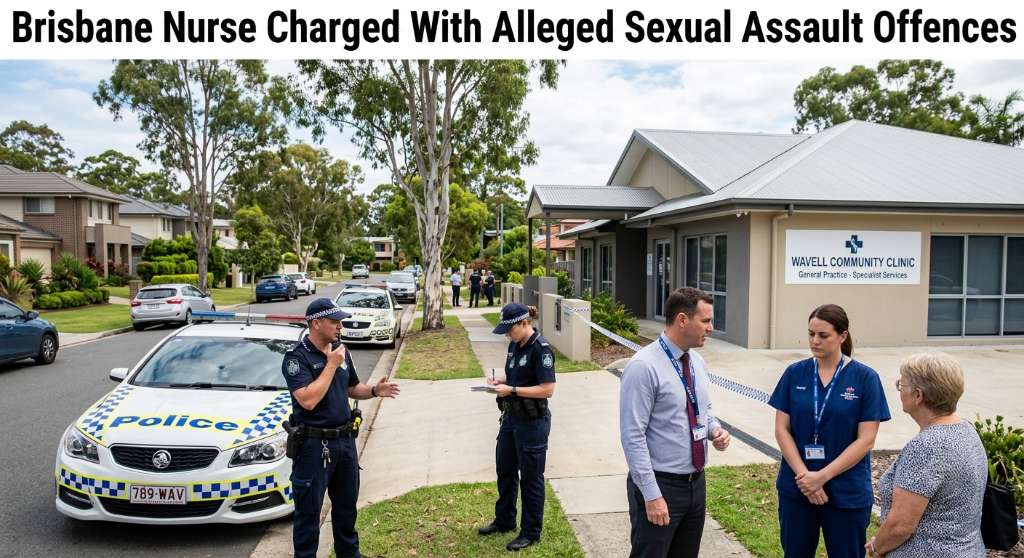
A Wavell Heights enrolled nurse has been charged with four counts of alleged sexual assault and one count of wilful exposure, with his professional regi...
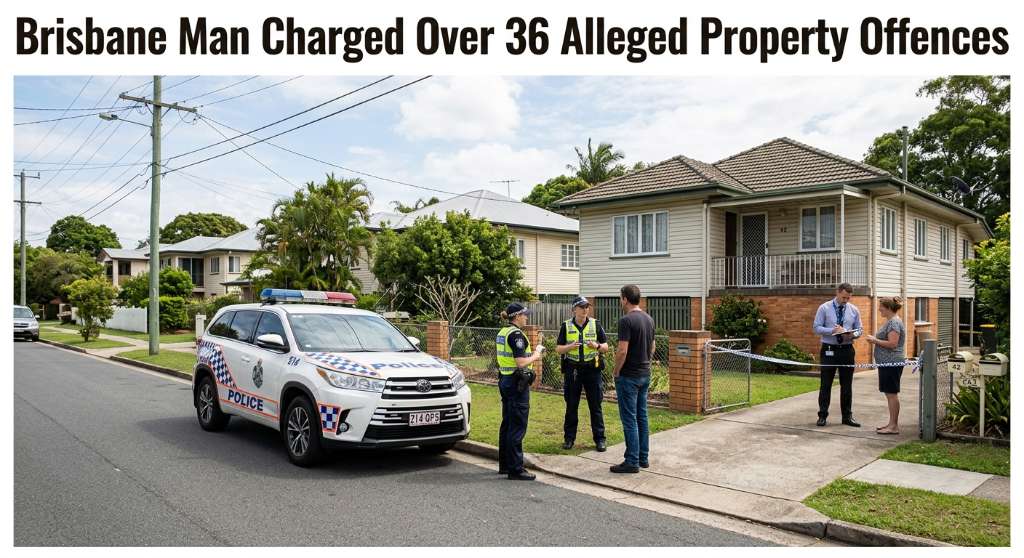
A 24-year-old Carina Heights man has been charged with 36 offences following an investigation into alleged break-ins, vehicle offences and other propert...
Cairns Regional Council has unanimously voted to seek $400,000 in Queensland Government funding for a program designed to connect local businesses with the region’s growing film...
An automated external defibrillator and memorial plaque have been installed at Ellery Creek Big Hole following the death of disability advocate Ellen Fr...
Queensland firefighters spent several hours monitoring a significant grass fire at Mary Kinross Park in Bargara, near Bundaberg, after the blaze broke out on Wednesday evening....