Safety note: Admin approval is an initial review, not a guarantee that every detail is correct. Check important or urgent claims with official sources and report anything inaccurate or unsafe.
Source and credit: Contributor's own report
New Owners Reveal Plans for Tasmania's Largest Farm Following Controversial Sale - Gladstone, QLD
Smart summary
The new owners of Rushy Lagoon say Tasmania's largest farm will continue agricultural production while introducing forestry, cropping, conservation and tourism as part of a long-term land management strategy.
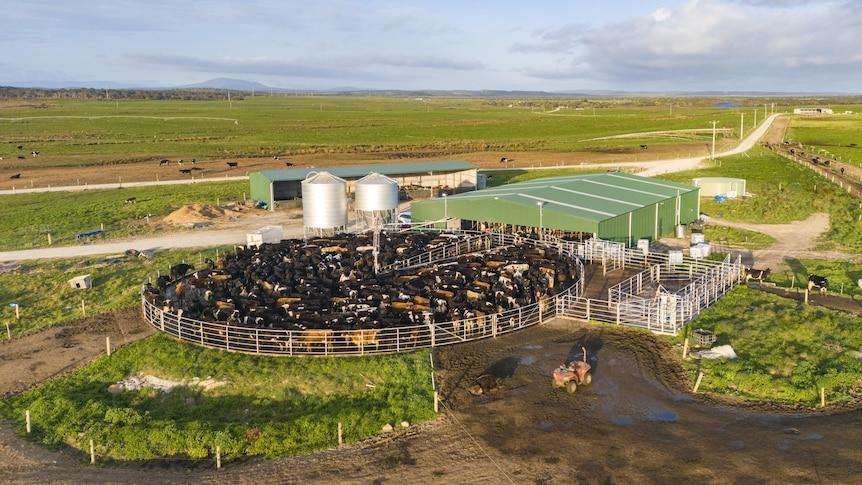
The new owners of Rushy Lagoon, Tasmania's largest farming property, have unveiled their vision for the 22,000-hectare estate after the Federal Government approved its sale to the Tasmanian Natural Asset Trust, managed by British investment firm Gresham House. The proposal has attracted widespread attention because of plans to combine farming with forestry and environmental restoration.
Gresham House said the property will remain a working rural enterprise rather than becoming exclusively a plantation. Alongside the previously announced radiata pine plantation, the company is considering expanding cropping operations, leasing sections of the property for cattle grazing, and developing tourism and mountain biking opportunities to diversify income and support the local economy.
The company said only lower-quality agricultural land would be converted to commercial forestry, while other areas would continue to support farming. It also plans to undertake ecological restoration projects, including improving wetlands, waterways and biodiversity across the property.
Rushy Lagoon has long been one of Tasmania's most significant agricultural properties, historically operating as a large dairy, beef and cropping enterprise. The property has the capacity to run thousands of cattle and sheep and has played an important role in food production in the state's north-east for decades.
The sale has been strongly criticised by farming groups and the Tasmanian Government. Opponents argue that converting productive farmland into plantation forestry could reduce agricultural output and affect long-term food security. Tas Farmers has questioned claims that the project will create around 190 jobs over its lifetime and has called for greater transparency regarding the economic benefits.
In response, Gresham House maintains the project will deliver a balanced approach by combining timber production, sustainable agriculture and environmental conservation. The company says the radiata pine plantations will supply timber to Tasmanian sawmills, reduce pressure on native forests and create employment opportunities during planting, management and harvesting.
The sale, valued at more than $100 million, was approved by Federal Treasurer Jim Chalmers after assessment by the Foreign Investment Review Board. The decision followed months of review and sparked political debate over foreign ownership of agricultural land and the use of carbon-credit projects on productive farmland.
Settlement of the property is expected in August 2026, after which the new owners will begin implementing their long-term management strategy. Detailed planning for forestry, agriculture and tourism projects will occur over the coming months in consultation with regulators and local communities.
PropertyWillAgriculturalFarmingForestry
The new owners of Rushy Lagoon, Tasmania's largest farming property, have unveiled their vision for the 22,000-hectare estate after the Federal Government approved its sale to the Tasmanian Natural Asset Trust, managed by British investment firm Gresham House. The proposal has attracted widespread attention because of plans to combine farming with forestry and environmental restoration.
Gresham House said the property will remain a working rural enterprise rather than becoming exclusively a plantation. Alongside the previously announced radiata pine plantation, the company is considering expanding cropping operations, leasing sections of the property for cattle grazing, and developing tourism and mountain biking opportunities to diversify income and support the local economy.
The company said only lower-quality agricultural land would be converted to commercial forestry, while other areas would continue to support farming. It also plans to undertake ecological restoration projects, including improving wetlands, waterways and biodiversity across the property.
Rushy Lagoon has long been one of Tasmania's most significant agricultural properties, historically operating as a large dairy, beef and cropping enterprise. The property has the capacity to run thousands of cattle and sheep and has played an important role in food production in the state's north-east for decades.
The sale has been strongly criticised by farming groups and the Tasmanian Government. Opponents argue that converting productive farmland into plantation forestry could reduce agricultural output and affect long-term food security. Tas Farmers has questioned claims that the project will create around 190 jobs over its lifetime and has called for greater transparency regarding the economic benefits.
In response, Gresham House maintains the project will deliver a balanced approach by combining timber production, sustainable agriculture and environmental conservation. The company says the radiata pine plantations will supply timber to Tasmanian sawmills, reduce pressure on native forests and create employment opportunities during planting, management and harvesting.
The sale, valued at more than $100 million, was approved by Federal Treasurer Jim Chalmers after assessment by the Foreign Investment Review Board. The decision followed months of review and sparked political debate over foreign ownership of agricultural land and the use of carbon-credit projects on productive farmland.
Settlement of the property is expected in August 2026, after which the new owners will begin implementing their long-term management strategy. Detailed planning for forestry, agriculture and tourism projects will occur over the coming months in consultation with regulators and local communities.
Cairns Regional Council has unanimously voted to seek $400,000 in Queensland Government funding for a program designed to connect local businesses with the region’s growing film...
Albury New South Wales · Business News · 17 Sep 2026
An Australian artificial intelligence company has purchased the former Visy paper mill site at Ettamogah, north of Albury, in a significant local business The company, Sharon AI...
A new multi-million-dollar poultry-processing facility has officially opened near Tamworth, bringing major investment and new employment opportunities t...
Queensland's emerging football prospects are coming together for a three-day Brisbane Lions State Academy showcase, giving young players an opportunity...
A Wavell Heights enrolled nurse has been charged with four counts of alleged sexual assault and one count of wilful exposure, with his professional regi...
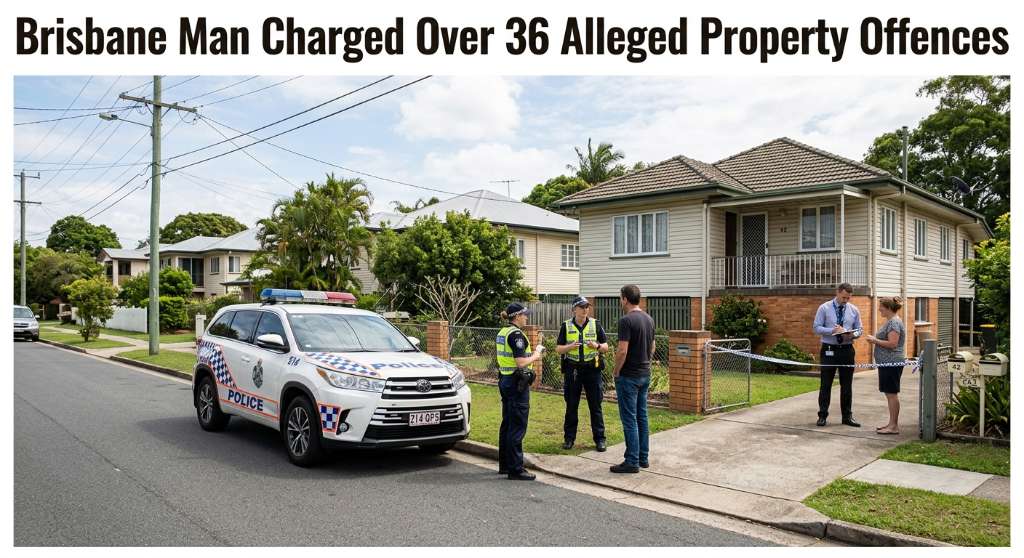
A 24-year-old Carina Heights man has been charged with 36 offences following an investigation into alleged break-ins, vehicle offences and other propert...
Cairns Regional Council has unanimously voted to seek $400,000 in Queensland Government funding for a program designed to connect local businesses with the region’s growing film...
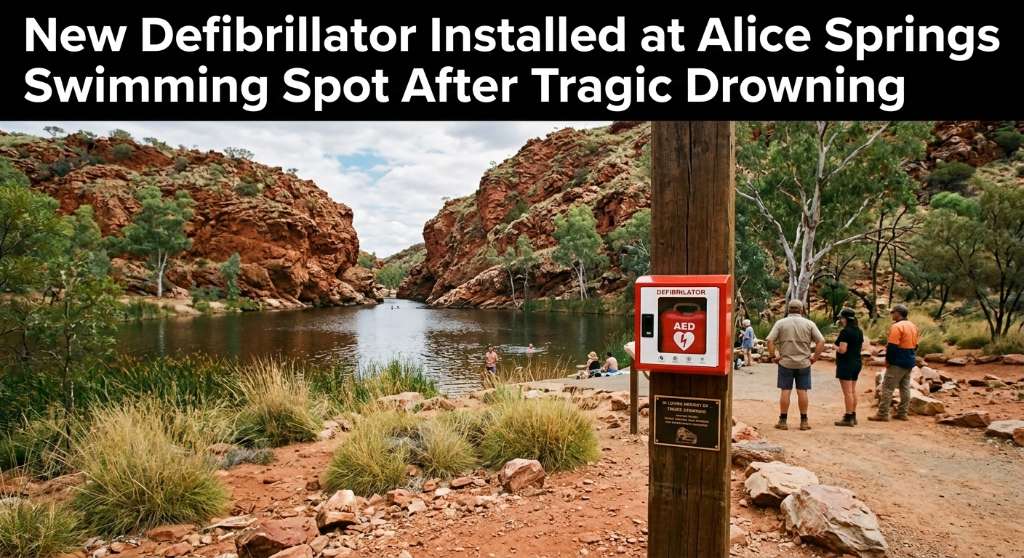
An automated external defibrillator and memorial plaque have been installed at Ellery Creek Big Hole following the death of disability advocate Ellen Fr...
Queensland firefighters spent several hours monitoring a significant grass fire at Mary Kinross Park in Bargara, near Bundaberg, after the blaze broke out on Wednesday evening....