Safety note: Admin approval is an initial review, not a guarantee that every detail is correct. Check important or urgent claims with official sources and report anything inaccurate or unsafe.
Source and credit: Contributor's own report
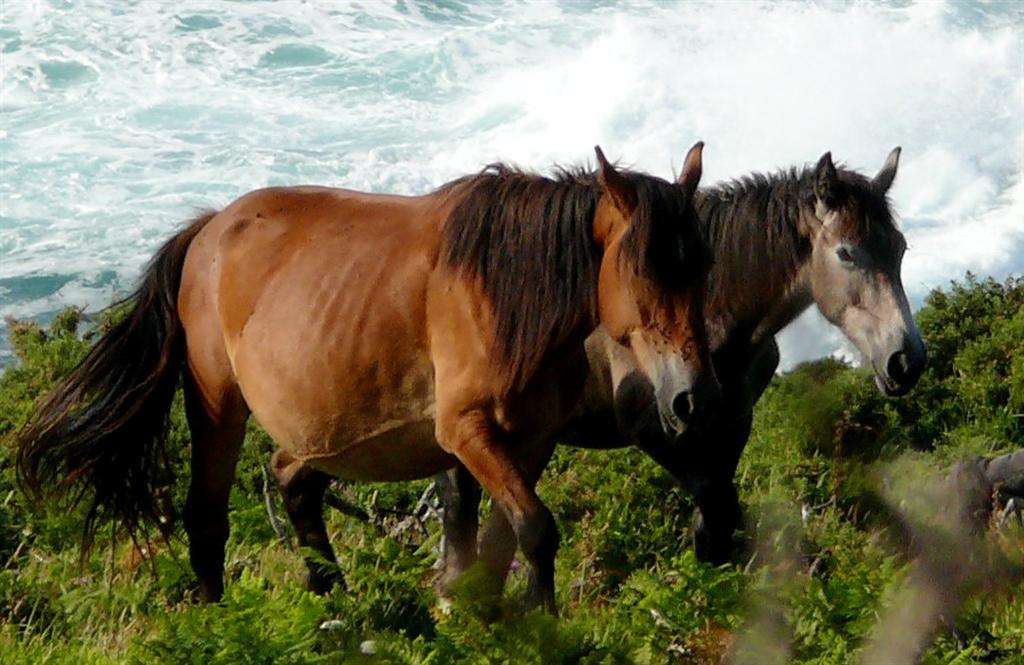
Calls Grow to Stop Proposed Aerial Horse Cull Near Coffs Harbour - Coffs Harbour, NSW
Smart summary
A NSW Nationals MP is urging the Minns Government to halt a proposed aerial shooting operation targeting wild horses in Yuraygir National Park and the Yuraygir State Conservation Area between Coffs Harbour and Yamba.
Calls are growing for the NSW Government to stop a proposed aerial shooting operation targeting wild horses in the Yuraygir National Park and Yuraygir State Conservation Area, an area located between Coffs Harbour and Yamba.
NSW Nationals MP for Clarence Richie Williamson has urged the Minns Government to immediately halt the proposed operation, arguing that the planned cull deserves further consideration.
The issue has attracted attention in the Coffs Harbour region because the proposed operation would take place in a large area of bushland north of the city. Yuraygir National Park is one of the major protected coastal areas on the NSW North Coast and contains extensive forests, wetlands, beaches and other natural environments.
The debate centres on how authorities should manage wild horses and protect sensitive ecosystems. Feral or unmanaged horses can affect native vegetation, waterways and habitats when their numbers increase, while authorities also face community concerns about animal welfare and the methods used for population control.
Aerial shooting is one of the management techniques used in some circumstances to control introduced animal populations. However, the method can generate significant public debate because of concerns about animal welfare, monitoring and whether alternative management approaches should be considered.
The latest call from Mr Williamson adds political pressure to the NSW Government as it considers the proposed operation.
For residents around Coffs Harbour and the Clarence Valley, the issue is relevant because the Yuraygir landscape is an important environmental and recreational area. The national park attracts visitors for walking, camping, fishing, wildlife observation and other outdoor activities.
Environmental management in the region can therefore have implications not only for biodiversity but also for tourism and recreation.
Supporters of population-control measures generally argue that unmanaged introduced animals can damage fragile ecosystems and compete with native wildlife. They say effective control may be necessary to protect environmental values in national parks.
Opponents of aerial shooting can raise concerns about animal welfare and whether other approaches could reduce impacts while still achieving population-management objectives.
The proposed operation has therefore become part of a wider discussion about how governments should manage introduced species on public land.
The NSW Government will ultimately be responsible for determining whether the planned operation proceeds and under what conditions.
For Coffs Harbour, the issue provides another example of the environmental management challenges facing the North Coast. The region combines significant protected natural areas with growing communities, tourism activity and agricultural land.
Balancing these competing interests can be complex, particularly when decisions involve wildlife management inside national parks.
The latest report does not mean the proposed aerial operation has already taken place. Rather, the current development is a political call for the government to reconsider or stop the proposal.
This story is different from the Coffs Harbour temporary-migrant-worker inquiry story already sent and is a separate environmental/local-politics development.
OperationProposedCoffsHarbourAerial
Calls are growing for the NSW Government to stop a proposed aerial shooting operation targeting wild horses in the Yuraygir National Park and Yuraygir State Conservation Area, an area located between Coffs Harbour and Yamba.
NSW Nationals MP for Clarence Richie Williamson has urged the Minns Government to immediately halt the proposed operation, arguing that the planned cull deserves further consideration.
The issue has attracted attention in the Coffs Harbour region because the proposed operation would take place in a large area of bushland north of the city. Yuraygir National Park is one of the major protected coastal areas on the NSW North Coast and contains extensive forests, wetlands, beaches and other natural environments.
The debate centres on how authorities should manage wild horses and protect sensitive ecosystems. Feral or unmanaged horses can affect native vegetation, waterways and habitats when their numbers increase, while authorities also face community concerns about animal welfare and the methods used for population control.
Aerial shooting is one of the management techniques used in some circumstances to control introduced animal populations. However, the method can generate significant public debate because of concerns about animal welfare, monitoring and whether alternative management approaches should be considered.
The latest call from Mr Williamson adds political pressure to the NSW Government as it considers the proposed operation.
For residents around Coffs Harbour and the Clarence Valley, the issue is relevant because the Yuraygir landscape is an important environmental and recreational area. The national park attracts visitors for walking, camping, fishing, wildlife observation and other outdoor activities.
Environmental management in the region can therefore have implications not only for biodiversity but also for tourism and recreation.
Supporters of population-control measures generally argue that unmanaged introduced animals can damage fragile ecosystems and compete with native wildlife. They say effective control may be necessary to protect environmental values in national parks.
Opponents of aerial shooting can raise concerns about animal welfare and whether other approaches could reduce impacts while still achieving population-management objectives.
The proposed operation has therefore become part of a wider discussion about how governments should manage introduced species on public land.
The NSW Government will ultimately be responsible for determining whether the planned operation proceeds and under what conditions.
For Coffs Harbour, the issue provides another example of the environmental management challenges facing the North Coast. The region combines significant protected natural areas with growing communities, tourism activity and agricultural land.
Balancing these competing interests can be complex, particularly when decisions involve wildlife management inside national parks.
The latest report does not mean the proposed aerial operation has already taken place. Rather, the current development is a political call for the government to reconsider or stop the proposal.
This story is different from the Coffs Harbour temporary-migrant-worker inquiry story already sent and is a separate environmental/local-politics development.
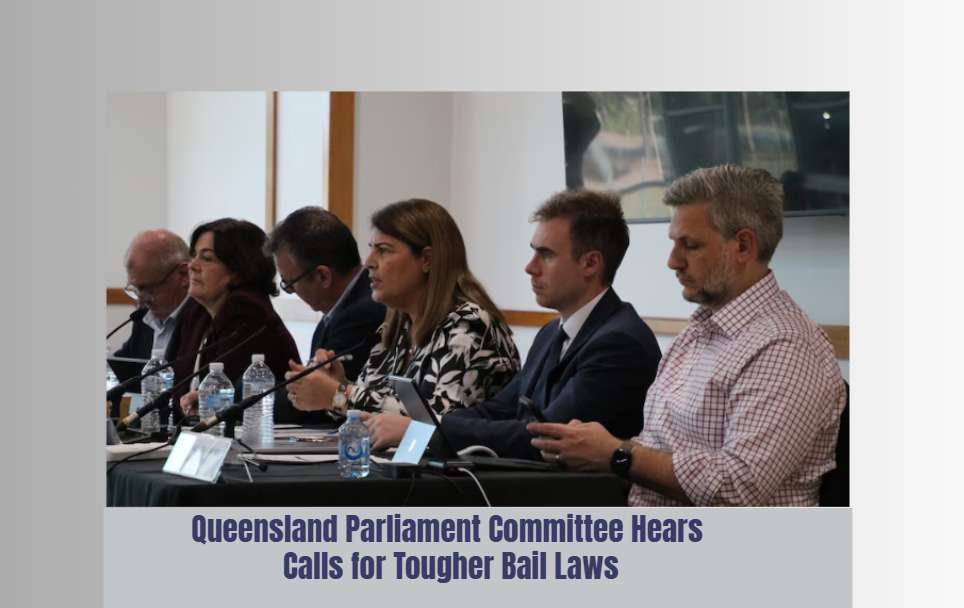
A Queensland parliamentary committee has completed regional hearings on proposed tougher bail laws, hearing from crime victims, legal experts and commun...
Prime Minister Anthony Albanese has launched Australia's campaign for a two-year seat on the United Nations Security Council while signing a decade-long...
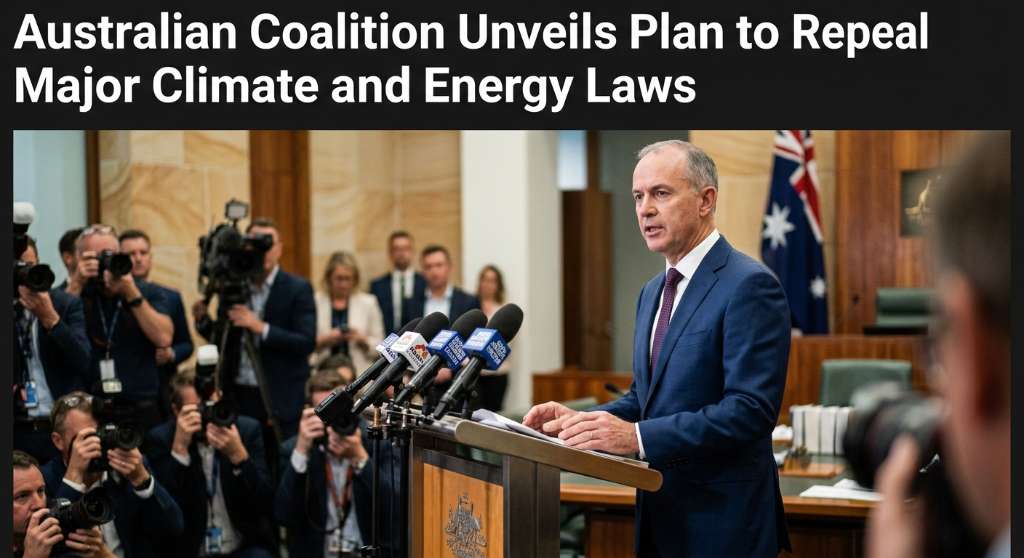
The federal Coalition has released an eight-point energy policy proposing changes to Australia's climate legislation, offshore wind zones, vehicle effic...
The Federal Government is preparing new measures targeting temporary visas, visa overstayers, international students and visa-hopping, while maintaining...
Prime Minister Anthony Albanese has launched Australia's campaign for a two-year seat on the United Nations Security Council while signing a decade-long...
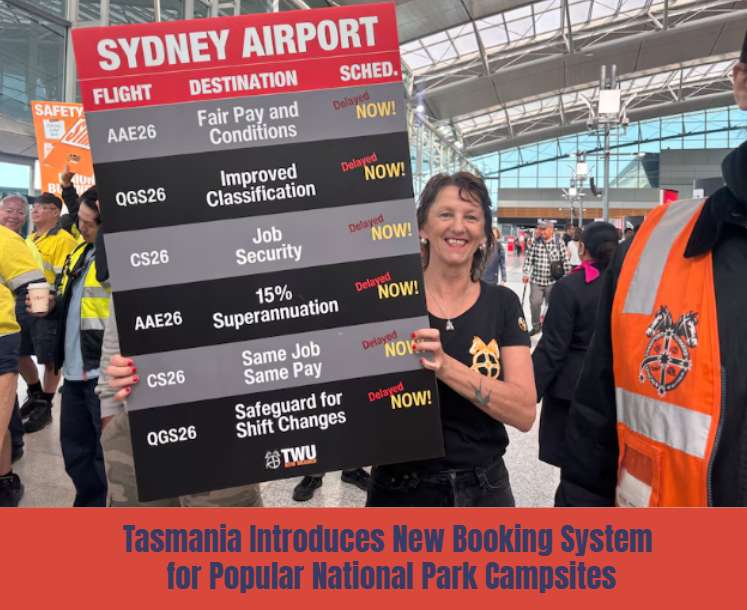
Passengers travelling through Sydney Airport on September 24 are being warned to allow extra time as separate strikes involving airport security and gro...
Two men have been charged after detectives investigating an alleged large-scale drug supply network seized cocaine, methylamphetamine, MDMA and other it...
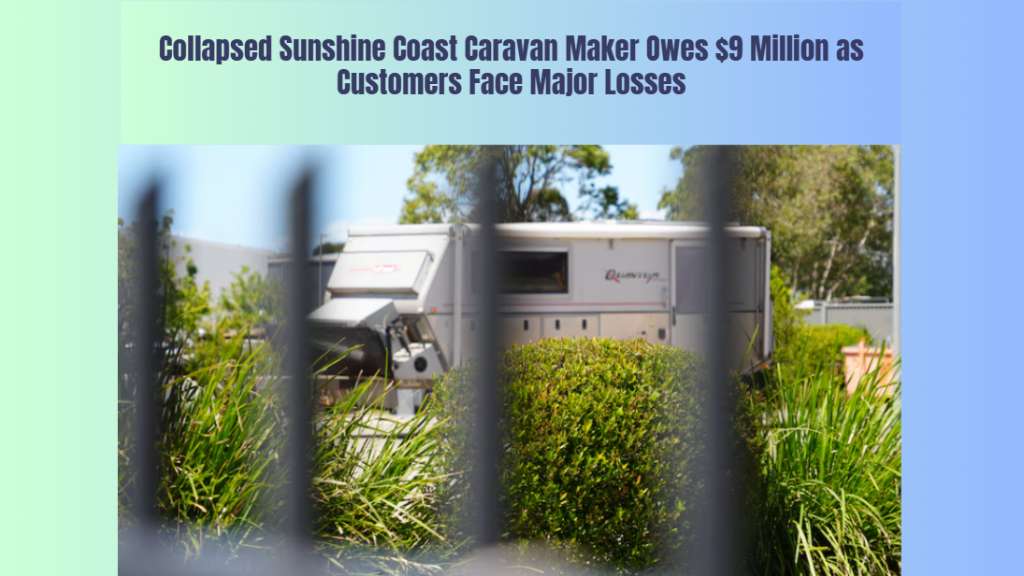
Administrators have revealed Australian Off Road owes about $9 million after the Sunshine Coast caravan manufacturer collapsed, leaving customers, emplo...
A woman has died following a serious three-vehicle collision involving a commercial bus and two cars in Glenburn, in Victoria’s Yarra Ranges, on Thursday, 24 September 2026. Eme...
A woman has died following a serious three-car collision in Leongatha, Victoria, on Wednesday afternoon, 23 September 2026. Emergency services were called to the Strzelecki High...
A Queensland parliamentary committee has completed regional hearings on proposed tougher bail laws, hearing from crime victims, legal experts and commun...