Safety note: Admin approval is an initial review, not a guarantee that every detail is correct. Check important or urgent claims with official sources and report anything inaccurate or unsafe.
Source and credit: Contributor's own report
CASA warns of recurring safety issues in Northern Australia's helicopter industry - Darwin, Northern Territory
Smart summary
Australia's aviation regulator has issued a safety warning after inspections uncovered recurring maintenance and compliance problems in Northern Australia's helicopter sector, raising concerns about aircraft airworthi...
Australia's Civil Aviation Safety Authority (CASA) has raised concerns about safety standards across the helicopter industry in Northern Australia after a series of inspections revealed recurring maintenance and compliance issues.
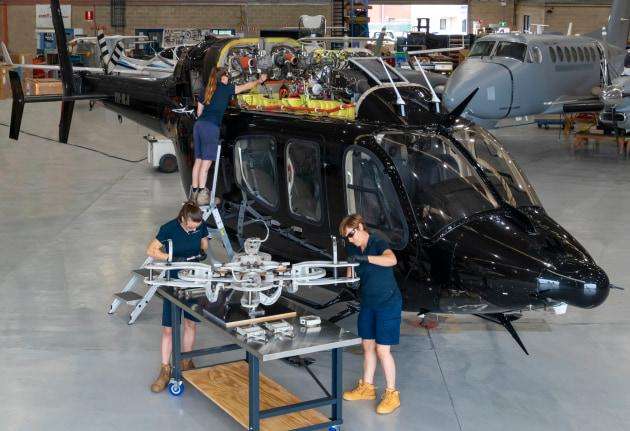
The warning follows increased surveillance by CASA across helicopter operators in northern regions, where helicopters play a vital role in cattle mustering, tourism, emergency services, mining and remote community transport. According to the regulator, inspectors identified "routine gaps" in maintenance practices and documentation that could affect whether aircraft are safe to fly.
CASA said inspectors repeatedly found problems with how aircraft serviceability was being verified and recorded. These included mandatory aircraft components not being properly verified during maintenance, removable equipment not being presented for inspection, and operator modifications not being fully considered during certification. While these issues may appear administrative, CASA warned they are essential to confirming an aircraft's airworthiness before it returns to service.
The renewed scrutiny follows the high-profile 2025 criminal trial of Northern Territory helicopter operator and television personality Matt Wright, during which evidence was heard about alleged poor maintenance practices and inaccurate recording of helicopter flying hours within parts of the industry. CASA stressed that the current warning is based on its own inspection findings and that none of Wright's criminal charges related directly to breaches of helicopter safety standards.
The regulator said accurate maintenance records and scheduled servicing are critical because missing or incomplete information could result in helicopters being released into service without a full understanding of their mechanical condition, creating unnecessary safety risks for pilots, passengers and people on the ground.
CASA also highlighted an ongoing shortage of Licensed Aircraft Maintenance Engineers (LAMEs), particularly in rural and remote Australia. Chief Executive Pip Spence said the authority is working to increase the number of qualified engineers through expanded licensing programs. So far this year, CASA has issued 326 licences, an increase of about 11 per cent compared with the previous year, with a target of exceeding 350 licences by the end of 2026.
The aviation watchdog said improving maintenance capability is essential to strengthening safety across the helicopter sector, especially in remote areas where engineering resources can be limited and aircraft often operate in demanding environments.
CASA has urged helicopter operators, maintenance engineers and pilots to ensure maintenance documentation is complete, scheduled inspections are carried out correctly and all regulatory obligations are met before aircraft are returned to service. The authority said maintaining a strong safety culture requires everyone involved in helicopter operations to fulfil their responsibilities.
The warning is expected to prompt operators across Northern Australia to review their maintenance systems and compliance procedures as CASA continues targeted inspections throughout the region.
CasaMaintenanceHelicopterAircraftSafety
Australia's Civil Aviation Safety Authority (CASA) has raised concerns about safety standards across the helicopter industry in Northern Australia after a series of inspections revealed recurring maintenance and compliance issues.
The warning follows increased surveillance by CASA across helicopter operators in northern regions, where helicopters play a vital role in cattle mustering, tourism, emergency services, mining and remote community transport. According to the regulator, inspectors identified "routine gaps" in maintenance practices and documentation that could affect whether aircraft are safe to fly.
CASA said inspectors repeatedly found problems with how aircraft serviceability was being verified and recorded. These included mandatory aircraft components not being properly verified during maintenance, removable equipment not being presented for inspection, and operator modifications not being fully considered during certification. While these issues may appear administrative, CASA warned they are essential to confirming an aircraft's airworthiness before it returns to service.
The renewed scrutiny follows the high-profile 2025 criminal trial of Northern Territory helicopter operator and television personality Matt Wright, during which evidence was heard about alleged poor maintenance practices and inaccurate recording of helicopter flying hours within parts of the industry. CASA stressed that the current warning is based on its own inspection findings and that none of Wright's criminal charges related directly to breaches of helicopter safety standards.
The regulator said accurate maintenance records and scheduled servicing are critical because missing or incomplete information could result in helicopters being released into service without a full understanding of their mechanical condition, creating unnecessary safety risks for pilots, passengers and people on the ground.
CASA also highlighted an ongoing shortage of Licensed Aircraft Maintenance Engineers (LAMEs), particularly in rural and remote Australia. Chief Executive Pip Spence said the authority is working to increase the number of qualified engineers through expanded licensing programs. So far this year, CASA has issued 326 licences, an increase of about 11 per cent compared with the previous year, with a target of exceeding 350 licences by the end of 2026.
The aviation watchdog said improving maintenance capability is essential to strengthening safety across the helicopter sector, especially in remote areas where engineering resources can be limited and aircraft often operate in demanding environments.
CASA has urged helicopter operators, maintenance engineers and pilots to ensure maintenance documentation is complete, scheduled inspections are carried out correctly and all regulatory obligations are met before aircraft are returned to service. The authority said maintaining a strong safety culture requires everyone involved in helicopter operations to fulfil their responsibilities.
The warning is expected to prompt operators across Northern Australia to review their maintenance systems and compliance procedures as CASA continues targeted inspections throughout the region.
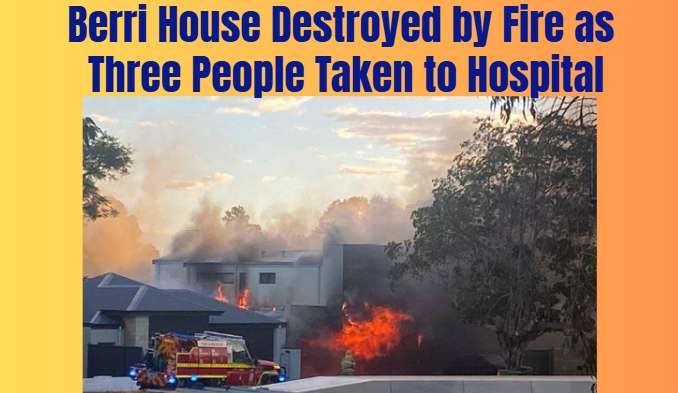
A house in Berri, South Australia, was destroyed by fire on Sunday morning, with three people taken to hospital as a precaution after escaping the burni...
A 43-year-old man has been charged following a fire at a funeral home in Warragul, Victoria, on Wednesday evening, 23 September 2026. Police allege the man walked along Howitt S...
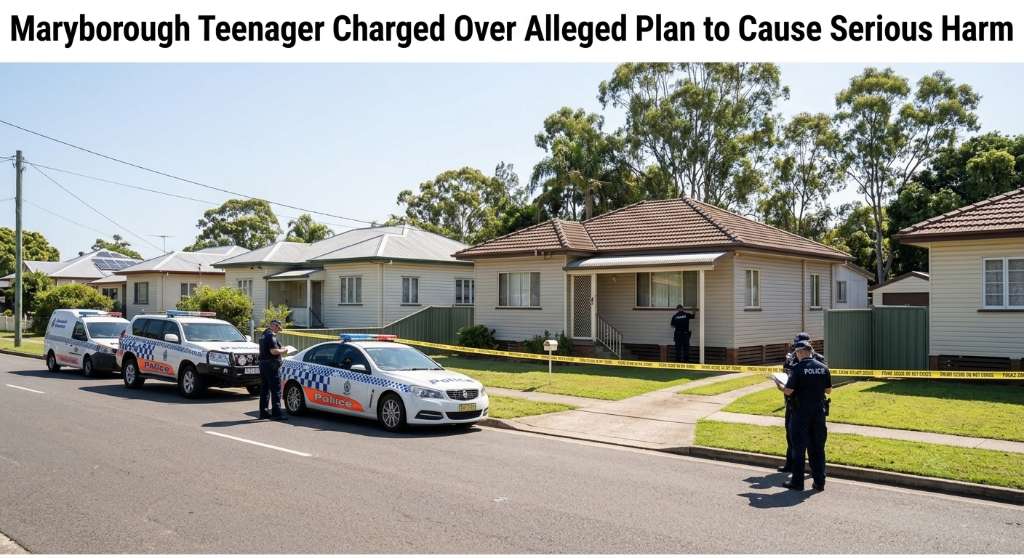
A 14-year-old boy from Maryborough has been charged after Queensland police alleged he was preparing to cause death or grievous bodily harm and possesse...
Essential bus services connecting Alice Springs with five remote communities have been reduced, with the operator warning that some routes could be canc...
Northern Territory Police are investigating a series of alleged aggravated burglaries in Alice Springs after up to seven homes in the Araluen area were...
Darwin-based Aboriginal hip-hop artist Yung Milla has been crowned the winner of The Voice Australia 2026 after receiving audience votes across the coun...
A carpentry apprentice in Alice Springs says course cancellations at Charles Darwin University could delay his qualification by up to 12 months because...
A 22-year-old Elimbah man has been charged after a two-car crash at Baringa on the Sunshine Coast, with police alleging he fled into nearby bushland bef...
A new proposal for factory-built ecohomes in Orange aims to speed up construction while reducing household energy costs as local property prices remain...
Geelong's historic Botanic Gardens are preparing for their 175th anniversary, with volunteers and horticultural staff working to preserve a living colle...