Safety note: Admin approval is an initial review, not a guarantee that every detail is correct. Check important or urgent claims with official sources and report anything inaccurate or unsafe.
Source and credit: Contributor's own report
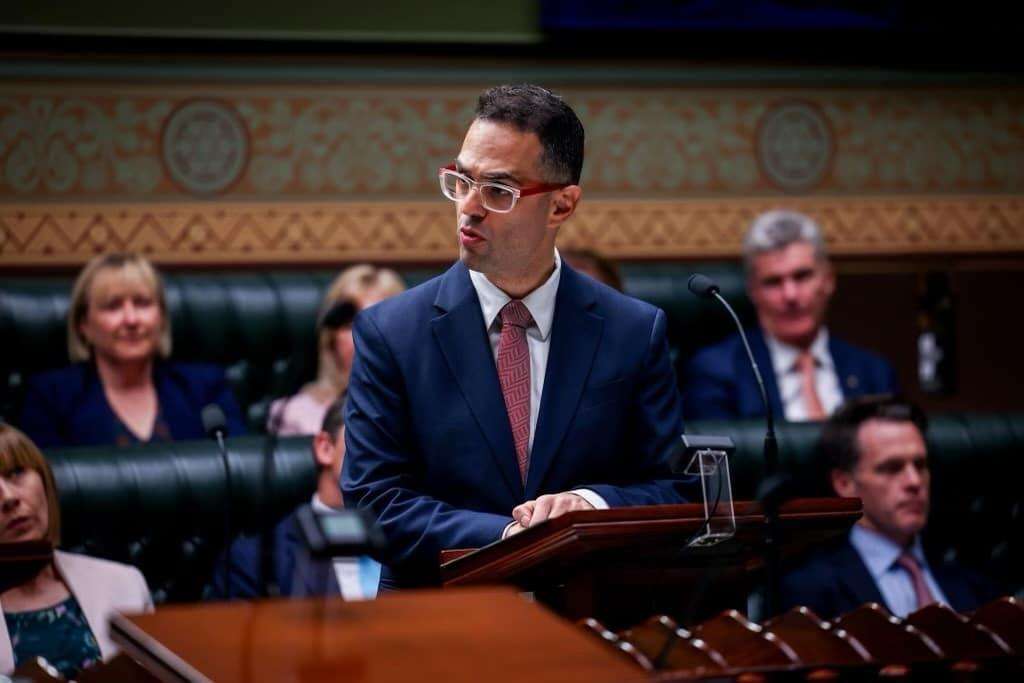
Central West winners and losers from 2026-27 NSW Budget - Orange, NSW
Smart summary
Healthcare, education and regional infrastructure projects received significant support in the NSW Budget, while some regional communities and unfunded projects were left disappointed.
The 2026-27 New South Wales Budget has delivered a mixed outcome for communities across the Central West, with major investments in healthcare, education, transport affordability and regional infrastructure creating clear winners, while several long-sought local projects missed out on funding.
Among the biggest winners are healthcare services and hospitals. The NSW Government committed record health spending, including funding to recruit thousands of additional health workers, expand hospital capacity and improve medical infrastructure across the state. Regional communities in the Central West are expected to benefit from broader investments in health services, workforce recruitment and hospital upgrades.
Education also emerged as a strong winner. Budget measures include continued investment in schools, vocational training and workforce development programs designed to address skill shortages across regional NSW. The government has highlighted education and training as key pillars for long-term economic growth and regional prosperity.
Residents will also benefit from several cost-of-living measures. The budget includes a one-year $100 reduction in vehicle registration costs for eligible motorists, frozen public transport fares, and a lower weekly toll cap. While toll relief is less relevant in regional areas than metropolitan Sydney, registration savings will be welcomed by many Central West households.
Regional infrastructure projects also received targeted funding. The budget includes allocations for airport upgrades, community facilities and regional development initiatives intended to improve connectivity and economic opportunities across western NSW. Some projects in the broader western region received direct support, including upgrades to aviation infrastructure and community facilities.
However, not everyone came away satisfied. Several regional communities identified as priorities by local leaders failed to secure new funding commitments. Critics argue that important projects involving water security, local health infrastructure, road upgrades and community facilities remain unfunded despite ongoing advocacy efforts. Regional representatives have expressed concern that many country areas continue to compete for limited infrastructure dollars while major spending remains concentrated in metropolitan centres.
Regional NSW was also identified as a relative loser in some budget analyses because certain flagship cost-of-living measures primarily benefit Sydney commuters. Toll relief programs, for example, offer little direct assistance to many regional residents who rarely use toll roads.
Another challenge highlighted in the budget is the state's financial position. NSW is forecast to record a $2.3 billion deficit before returning to surplus in later years. Rising debt levels have prompted debate about how much funding will be available for future regional projects and whether additional infrastructure commitments can be sustained over the long term.
Overall, the budget delivers meaningful support for health, education and household cost-of-living pressures in the Central West, but disappointment remains among communities that were hoping for major new infrastructure commitments. The winners are sectors receiving direct investment and service improvements, while the losers are largely communities and projects that remain on waiting lists for future funding rounds.
RegionalBudgetInfrastructureFundingProjects
The 2026-27 New South Wales Budget has delivered a mixed outcome for communities across the Central West, with major investments in healthcare, education, transport affordability and regional infrastructure creating clear winners, while several long-sought local projects missed out on funding.
Among the biggest winners are healthcare services and hospitals. The NSW Government committed record health spending, including funding to recruit thousands of additional health workers, expand hospital capacity and improve medical infrastructure across the state. Regional communities in the Central West are expected to benefit from broader investments in health services, workforce recruitment and hospital upgrades.
Education also emerged as a strong winner. Budget measures include continued investment in schools, vocational training and workforce development programs designed to address skill shortages across regional NSW. The government has highlighted education and training as key pillars for long-term economic growth and regional prosperity.
Residents will also benefit from several cost-of-living measures. The budget includes a one-year $100 reduction in vehicle registration costs for eligible motorists, frozen public transport fares, and a lower weekly toll cap. While toll relief is less relevant in regional areas than metropolitan Sydney, registration savings will be welcomed by many Central West households.
Regional infrastructure projects also received targeted funding. The budget includes allocations for airport upgrades, community facilities and regional development initiatives intended to improve connectivity and economic opportunities across western NSW. Some projects in the broader western region received direct support, including upgrades to aviation infrastructure and community facilities.
However, not everyone came away satisfied. Several regional communities identified as priorities by local leaders failed to secure new funding commitments. Critics argue that important projects involving water security, local health infrastructure, road upgrades and community facilities remain unfunded despite ongoing advocacy efforts. Regional representatives have expressed concern that many country areas continue to compete for limited infrastructure dollars while major spending remains concentrated in metropolitan centres.
Regional NSW was also identified as a relative loser in some budget analyses because certain flagship cost-of-living measures primarily benefit Sydney commuters. Toll relief programs, for example, offer little direct assistance to many regional residents who rarely use toll roads.
Another challenge highlighted in the budget is the state's financial position. NSW is forecast to record a $2.3 billion deficit before returning to surplus in later years. Rising debt levels have prompted debate about how much funding will be available for future regional projects and whether additional infrastructure commitments can be sustained over the long term.
Overall, the budget delivers meaningful support for health, education and household cost-of-living pressures in the Central West, but disappointment remains among communities that were hoping for major new infrastructure commitments. The winners are sectors receiving direct investment and service improvements, while the losers are largely communities and projects that remain on waiting lists for future funding rounds.
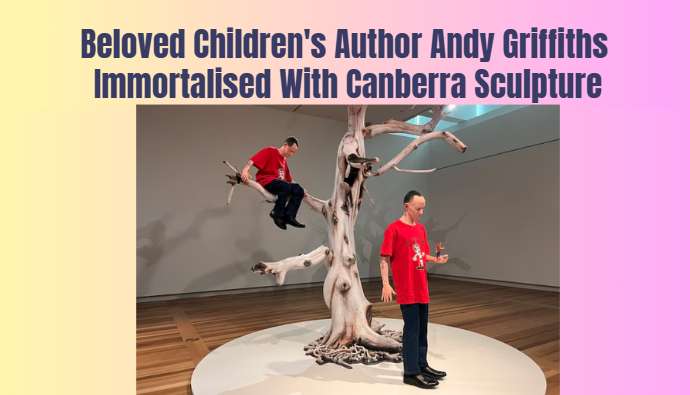
A four-metre-high 3D-printed sculpture celebrating Australian children's author Andy Griffiths has gone on display at Canberra's National Portrait Gallery.
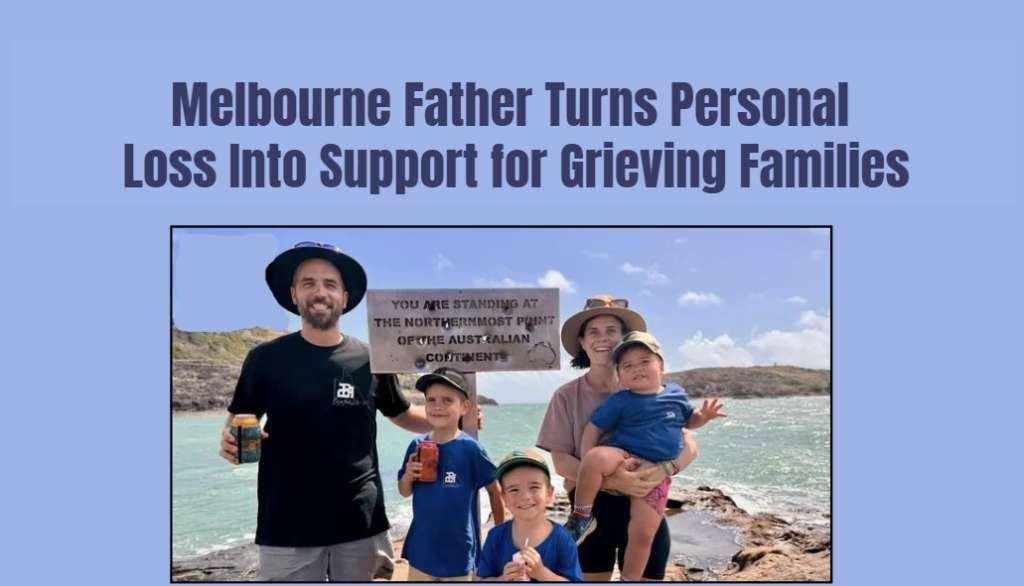
After losing two sons, Melbourne father Nick Olney has established a charity helping grieving parents preserve memories of their babies and access suppo...
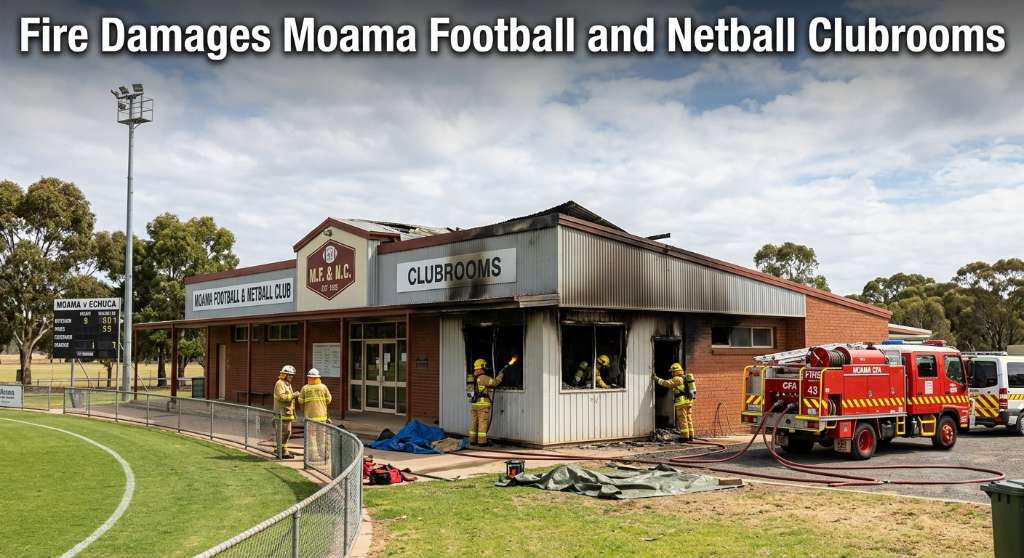
A fire damaged the Moama Football and Netball Club's social rooms during Saturday's grand final, forcing about 1,000 people to leave the building becaus...
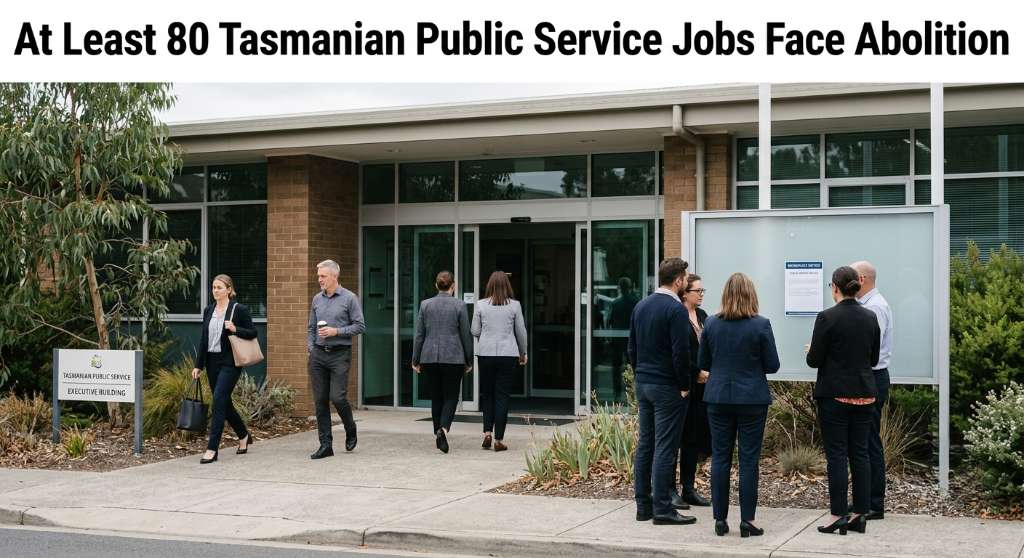
At least 80 positions have been identified for abolition as Tasmania restructures parts of its public service and works toward a broader reduction in go...
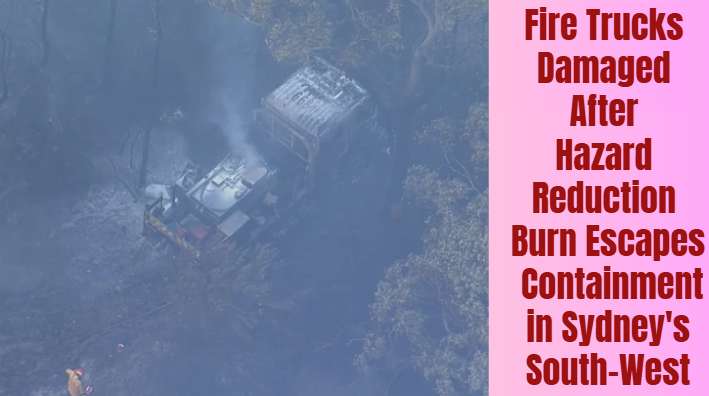
Multiple Rural Fire Service trucks were damaged after a planned hazard reduction burn at Wedderburn in Sydney's south-west escaped containment on Saturday.
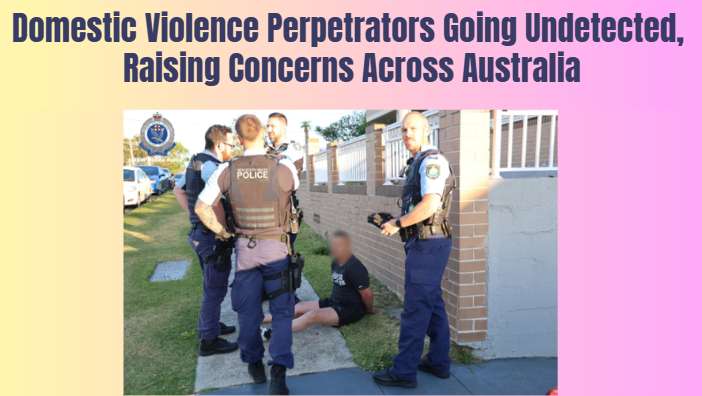
Recent domestic violence-related deaths in New South Wales have highlighted concerns about gaps in identifying alleged perpetrators before serious viole...
Australian health experts are warning that cat bites and scratches can cause severe infections, with hospitalisations from cat-related injuries nearly t...
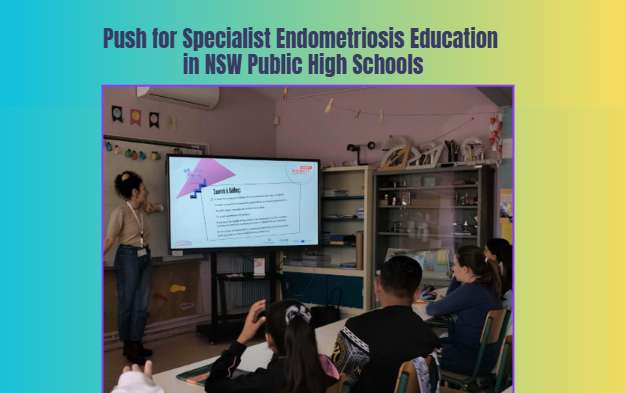
A parliamentary petition calling for specialist endometriosis education in NSW public high schools has attracted more than 1,700 signatures, as health a...
A 50-year-old man has died after being struck by a vehicle in Fernvale, west of Brisbane, with police launching a homicide investigation and arresting a...
Multiple Rural Fire Service trucks were damaged after a planned hazard reduction burn at Wedderburn in Sydney's south-west escaped containment on Saturday.
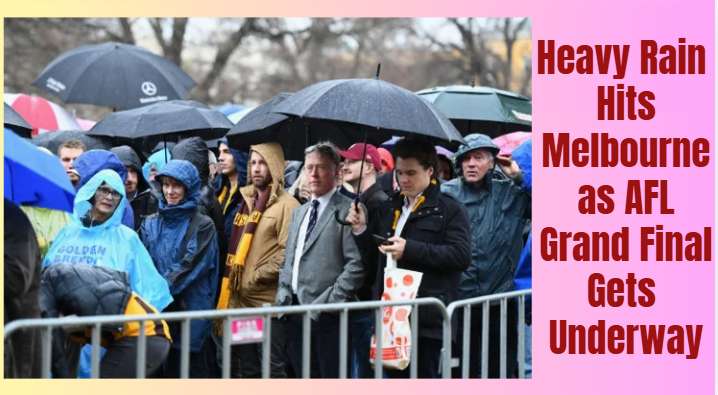
Wet conditions at the Melbourne Cricket Ground are creating difficult conditions for the AFL Grand Final, while poor weather has also disrupted flights...
Amateur astronomers are using new telescope technology to photograph the Moon, planets and distant galaxies from Brisbane homes, showing that city skies...