Coroner Rules Death of Missing Bushwalker Esther Wallace Was Not Suspicious
By Neha Maurya · Published 04 Jul 2026 · Updated 04 Jul 2026
Orange, NSW · New South Wales News
Safety note: Admin approval is an initial review, not a guarantee that every detail is correct. Check important or urgent claims with official sources and report anything inaccurate or unsafe.
Source and credit: Contributor's own report
Coroner Rules Death of Missing Bushwalker Esther Wallace Was Not Suspicious - Orange, NSW
Smart summary
A NSW coronial inquest has concluded that the death of Esther Wallace, who disappeared during a midnight bushwalk near Orange in 2022, was not suspicious, while praising emergency crews for their extensive 12-day sear...
A coronial inquest has found that the death of Esther Marie Wallace, whose disappearance sparked a major search operation in New South Wales' Central West in late 2022, was not the result of suspicious circumstances. NSW Deputy State Coroner Rebecca Hosking handed down her findings after examining the circumstances surrounding Wallace's disappearance, the emergency response, and the search operation that ultimately led to the discovery of her body.
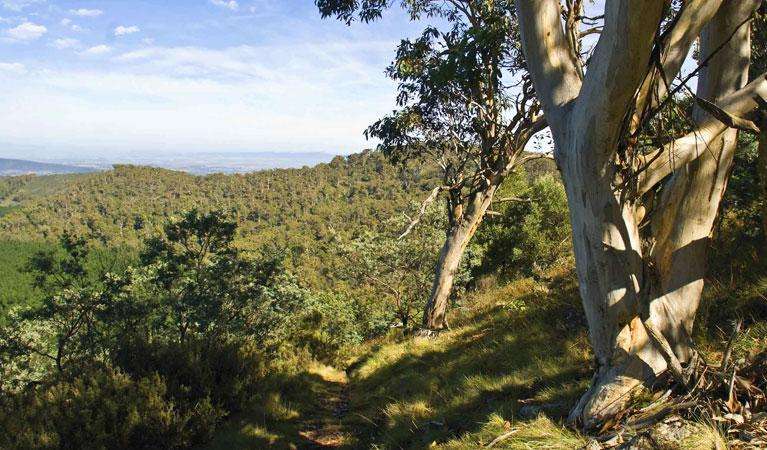
Wallace, 47, travelled with her partner, Alan Smith, to the Mount Canobolas State Conservation Area near Orange on the night of 29 November 2022. After smoking cannabis earlier that evening, the pair began walking the Federal Falls Loop Track shortly after midnight despite freezing conditions, with temperatures reported to be around minus 4 degrees Celsius. Wallace was wearing sandals and light clothing, making the conditions particularly dangerous.
During the return journey, the couple wandered off the marked trail and became disoriented in dense bushland. According to the coroner's findings, Wallace became frightened and panicked after realising they were lost. As daylight approached, the pair disagreed about which direction to take. Smith believed they needed to walk uphill toward the car park, while Wallace wanted to head in another direction. She eventually sat down and refused to continue walking. Smith left her sitting on his high-visibility jacket with a torch while he climbed uphill to seek help. He returned twice in an attempt to persuade her to come with him, but she declined. After reaching the car park, he charged his phone, searched for her again, and reported her missing shortly before 8am.
A large-scale search involving NSW Police, the State Emergency Service (SES), the Rural Fire Service, National Parks and Wildlife Service, and Forestry Corporation NSW began immediately. Specialist search-and-rescue teams searched rugged terrain on foot, used helicopters and drones, and combed dense bushland over a 12-day period. During the search, investigators recovered Wallace's jacket, headband, blouse, underwear and the torch left with her. Her body was eventually found about 1.7 kilometres from the car park, partially covered by fallen logs in remote bushland.
The post-mortem examination could not establish a precise medical cause of death. However, the coroner determined that exposure to the elements, hypothermia and dehydration were the most likely contributing factors. There was no evidence of foul play, and investigators found nothing to suggest another person had caused her death.
Deputy State Coroner Hosking praised the persistence and professionalism of the emergency responders, noting they continued searching well beyond the period when many operations would normally be suspended. She concluded the search was appropriately planned, adequately resourced and conducted according to accepted search-and-rescue practices. No recommendations were made following the inquest.
The findings provide closure for Wallace's family while recognising the extraordinary efforts of emergency personnel and volunteers who spent nearly two weeks searching the difficult terrain. The case also serves as a reminder of the risks associated with bushwalking in remote areas, particularly at night and during extreme weather conditions.
WallaceCoronerSearchDeathEmergency
A coronial inquest has found that the death of Esther Marie Wallace, whose disappearance sparked a major search operation in New South Wales' Central West in late 2022, was not the result of suspicious circumstances. NSW Deputy State Coroner Rebecca Hosking handed down her findings after examining the circumstances surrounding Wallace's disappearance, the emergency response, and the search operation that ultimately led to the discovery of her body.
Wallace, 47, travelled with her partner, Alan Smith, to the Mount Canobolas State Conservation Area near Orange on the night of 29 November 2022. After smoking cannabis earlier that evening, the pair began walking the Federal Falls Loop Track shortly after midnight despite freezing conditions, with temperatures reported to be around minus 4 degrees Celsius. Wallace was wearing sandals and light clothing, making the conditions particularly dangerous.
During the return journey, the couple wandered off the marked trail and became disoriented in dense bushland. According to the coroner's findings, Wallace became frightened and panicked after realising they were lost. As daylight approached, the pair disagreed about which direction to take. Smith believed they needed to walk uphill toward the car park, while Wallace wanted to head in another direction. She eventually sat down and refused to continue walking. Smith left her sitting on his high-visibility jacket with a torch while he climbed uphill to seek help. He returned twice in an attempt to persuade her to come with him, but she declined. After reaching the car park, he charged his phone, searched for her again, and reported her missing shortly before 8am.
A large-scale search involving NSW Police, the State Emergency Service (SES), the Rural Fire Service, National Parks and Wildlife Service, and Forestry Corporation NSW began immediately. Specialist search-and-rescue teams searched rugged terrain on foot, used helicopters and drones, and combed dense bushland over a 12-day period. During the search, investigators recovered Wallace's jacket, headband, blouse, underwear and the torch left with her. Her body was eventually found about 1.7 kilometres from the car park, partially covered by fallen logs in remote bushland.
The post-mortem examination could not establish a precise medical cause of death. However, the coroner determined that exposure to the elements, hypothermia and dehydration were the most likely contributing factors. There was no evidence of foul play, and investigators found nothing to suggest another person had caused her death.
Deputy State Coroner Hosking praised the persistence and professionalism of the emergency responders, noting they continued searching well beyond the period when many operations would normally be suspended. She concluded the search was appropriately planned, adequately resourced and conducted according to accepted search-and-rescue practices. No recommendations were made following the inquest.
The findings provide closure for Wallace's family while recognising the extraordinary efforts of emergency personnel and volunteers who spent nearly two weeks searching the difficult terrain. The case also serves as a reminder of the risks associated with bushwalking in remote areas, particularly at night and during extreme weather conditions.
A 29-year-old man from Aldinga has been charged with multiple drug, traffic and weapons offences after police allegedly found methamphetamine, other ill...
South Australian police have arrested a 22-year-old woman following an alleged assault on an elderly woman outside a business on Beach Road, Christies B...
Two men have been charged after a series of police raids across Cessnock, Denman, Muswellbrook and Singleton Heights uncovered 1,465 cannabis plants, wi...
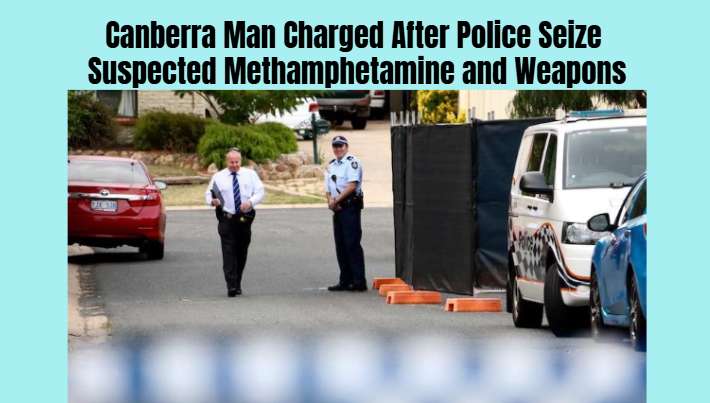
A 36-year-old man from Kambah has been charged with drug trafficking and multiple prohibited weapons offences after ACT Policing searched his home as pa...
The upcoming Coffs Harbour bypass is expected to remove around 35,000 vehicles a day from the city's main highway route, prompting local businesses, inc...
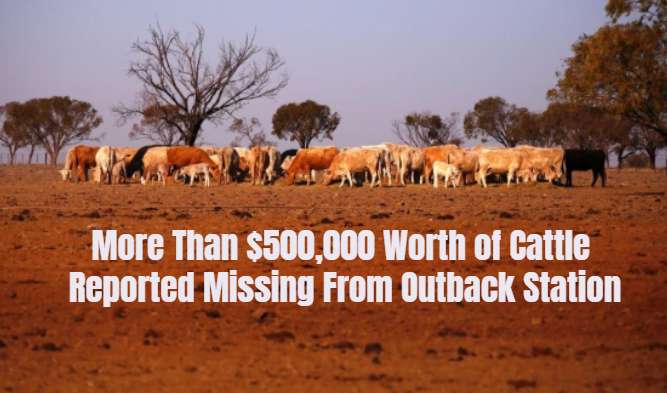
Police are investigating the disappearance of hundreds of thousands of dollars' worth of cattle from an outback property in far-western New South Wales.
Armidale Regional Council will replace an ageing cast-iron water main in Ampol and Miller Streets with a modern system, with construction scheduled to b...
Young people from regional and remote Queensland communities are participating in youth councils and a state youth parliament, raising issues such as di...
A 29-year-old man from Aldinga has been charged with multiple drug, traffic and weapons offences after police allegedly found methamphetamine, other ill...
South Australian police have arrested a 22-year-old woman following an alleged assault on an elderly woman outside a business on Beach Road, Christies B...
Two men have been charged after a series of police raids across Cessnock, Denman, Muswellbrook and Singleton Heights uncovered 1,465 cannabis plants, wi...