Safety note: Admin approval is an initial review, not a guarantee that every detail is correct. Check important or urgent claims with official sources and report anything inaccurate or unsafe.
Source and credit: Contributor's own report
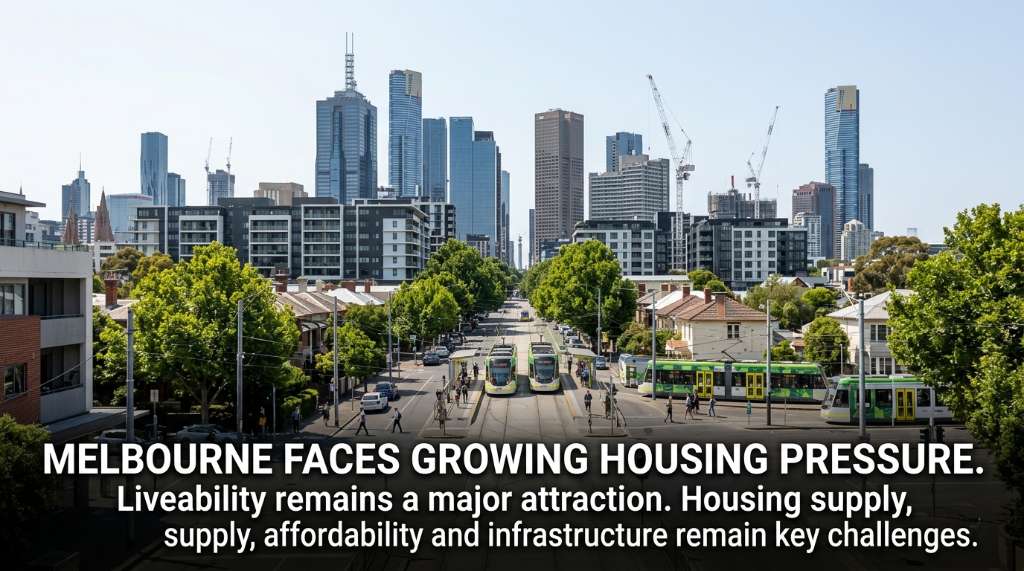
Melbourne’s Liveability Success Comes With Growing Housing Pressure - Melbourne, VIC
Smart summary
Melbourne has again been recognised among the world’s most liveable cities, but strong demand is increasing pressure on housing affordability, transport and infrastructure.
Melbourne is continuing to attract attention as one of the world's highly liveable cities, with its strong healthcare, education, infrastructure and quality-of-life credentials helping it remain a desirable place to live. A report published today highlights Melbourne's position among Australia's leading cities while also pointing to the challenges created by continued population and housing demand.
The city's liveability is supported by a combination of established services and infrastructure. Melbourne has a large education sector, extensive public transport, healthcare facilities, cultural attractions and a diverse employment market. These features contribute to the city's appeal for residents, students, workers and people considering moving from other parts of Australia or overseas.
However, the same qualities that make Melbourne attractive can also create pressure. As more people want to live close to employment, education, public transport and established amenities, demand for housing can increase. This can make affordability a major challenge for renters and prospective home buyers.
Housing supply is therefore becoming an increasingly important part of Melbourne's future. More homes in locations with good access to infrastructure can help accommodate population growth, but development also needs to be supported by roads, public transport, schools, healthcare and other community services.
Transport is another major consideration. Melbourne's size means that commuting patterns have a significant influence on where people choose to live. Areas with convenient access to trains, trams, buses and major roads can become particularly attractive, potentially increasing property demand around well-connected neighbourhoods.
The report also highlights a broader challenge facing highly liveable cities: maintaining quality of life while managing growth. Population growth can bring economic benefits, new businesses and additional investment, but it can also place pressure on existing infrastructure and services.
For Melbourne, maintaining its liveability will therefore depend not only on its existing strengths but also on how effectively the city responds to future growth. Housing supply, affordability and infrastructure investment will remain important issues for residents and governments.
The city's position also reflects the wider appeal of Australian metropolitan areas. Melbourne, Sydney and Adelaide have all been highlighted among the world's most liveable cities, demonstrating the country's strong international reputation for urban quality of life.
MelbourneAlsoHousingInfrastructureCities
Melbourne is continuing to attract attention as one of the world's highly liveable cities, with its strong healthcare, education, infrastructure and quality-of-life credentials helping it remain a desirable place to live. A report published today highlights Melbourne's position among Australia's leading cities while also pointing to the challenges created by continued population and housing demand.
The city's liveability is supported by a combination of established services and infrastructure. Melbourne has a large education sector, extensive public transport, healthcare facilities, cultural attractions and a diverse employment market. These features contribute to the city's appeal for residents, students, workers and people considering moving from other parts of Australia or overseas.
However, the same qualities that make Melbourne attractive can also create pressure. As more people want to live close to employment, education, public transport and established amenities, demand for housing can increase. This can make affordability a major challenge for renters and prospective home buyers.
Housing supply is therefore becoming an increasingly important part of Melbourne's future. More homes in locations with good access to infrastructure can help accommodate population growth, but development also needs to be supported by roads, public transport, schools, healthcare and other community services.
Transport is another major consideration. Melbourne's size means that commuting patterns have a significant influence on where people choose to live. Areas with convenient access to trains, trams, buses and major roads can become particularly attractive, potentially increasing property demand around well-connected neighbourhoods.
The report also highlights a broader challenge facing highly liveable cities: maintaining quality of life while managing growth. Population growth can bring economic benefits, new businesses and additional investment, but it can also place pressure on existing infrastructure and services.
For Melbourne, maintaining its liveability will therefore depend not only on its existing strengths but also on how effectively the city responds to future growth. Housing supply, affordability and infrastructure investment will remain important issues for residents and governments.
The city's position also reflects the wider appeal of Australian metropolitan areas. Melbourne, Sydney and Adelaide have all been highlighted among the world's most liveable cities, demonstrating the country's strong international reputation for urban quality of life.
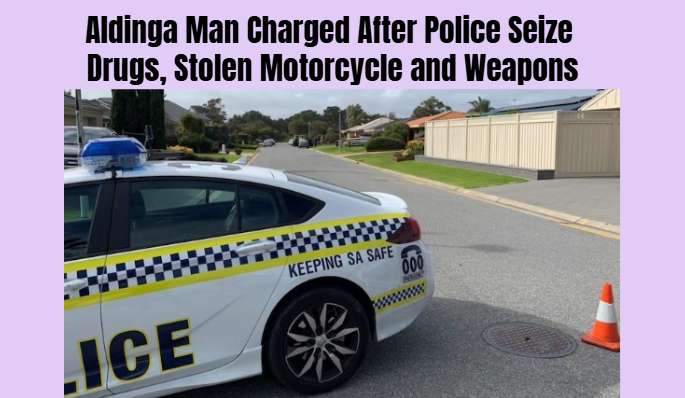
A 29-year-old man from Aldinga has been charged with multiple drug, traffic and weapons offences after police allegedly found methamphetamine, other ill...
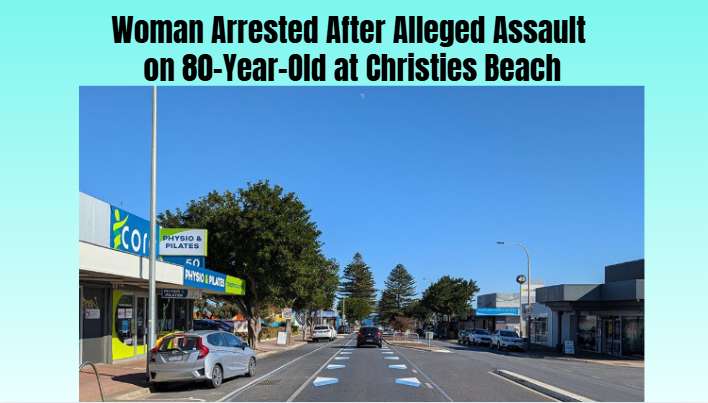
South Australian police have arrested a 22-year-old woman following an alleged assault on an elderly woman outside a business on Beach Road, Christies B...
Two men have been charged after a series of police raids across Cessnock, Denman, Muswellbrook and Singleton Heights uncovered 1,465 cannabis plants, wi...
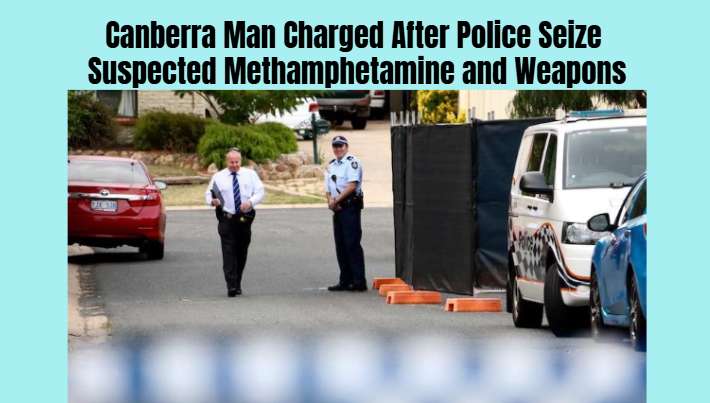
A 36-year-old man from Kambah has been charged with drug trafficking and multiple prohibited weapons offences after ACT Policing searched his home as pa...
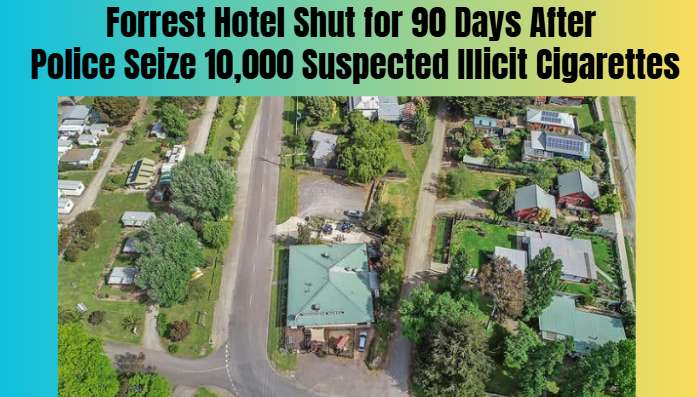
Police have closed a hotel in Forrest, Victoria, for 90 days after seizing approximately 10,000 suspected illicit cigarettes, loose tobacco and cash dur...
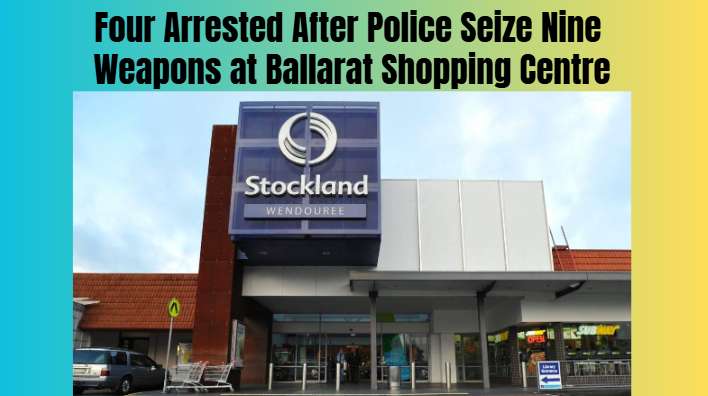
Victoria Police seized nine weapons and arrested four people during a targeted operation involving more than 300 searches at Stockland Plaza in Ballarat.
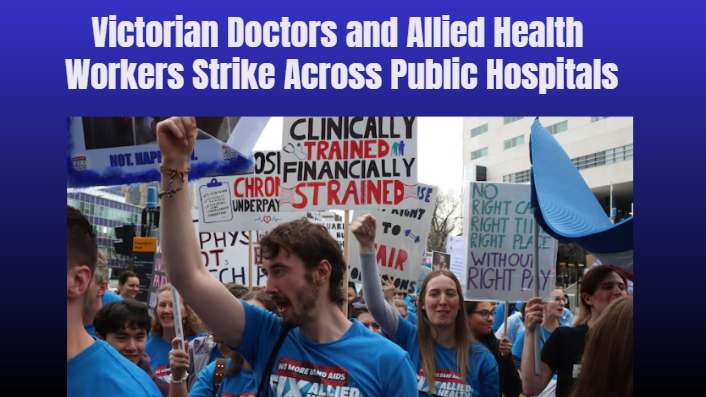
Thousands of Victorian doctors and allied health professionals have begun industrial action over stalled negotiations on pay and working conditions, wit...
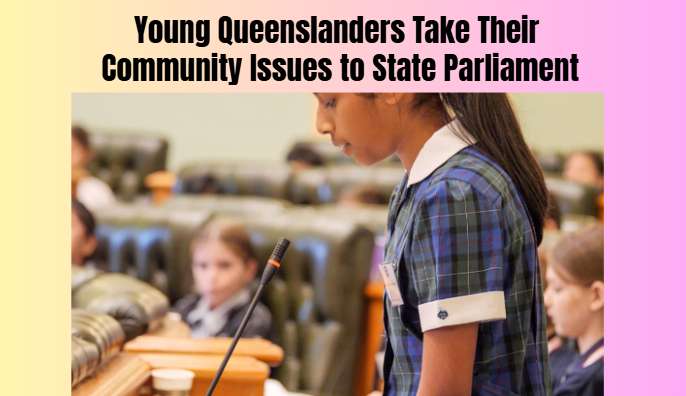
Young people from regional and remote Queensland communities are participating in youth councils and a state youth parliament, raising issues such as di...
A 29-year-old man from Aldinga has been charged with multiple drug, traffic and weapons offences after police allegedly found methamphetamine, other ill...
South Australian police have arrested a 22-year-old woman following an alleged assault on an elderly woman outside a business on Beach Road, Christies B...
Two men have been charged after a series of police raids across Cessnock, Denman, Muswellbrook and Singleton Heights uncovered 1,465 cannabis plants, wi...