Coroner rules Esther Wallace's death not suspicious after 12-day Mount Canobolas search
By Neha Maurya · Published 30 Jun 2026 · Updated 30 Jun 2026
Orange, NSW · New South Wales News
Safety note: Admin approval is an initial review, not a guarantee that every detail is correct. Check important or urgent claims with official sources and report anything inaccurate or unsafe.
Source and credit: Contributor's own report
Coroner rules Esther Wallace's death not suspicious after 12-day Mount Canobolas search - Orange, NSW
Smart summary
A NSW coroner has found the death of missing bushwalker Esther Wallace was not suspicious, praising emergency crews for their persistence during a 12-day search through rugged bushland near Orange in 2022.
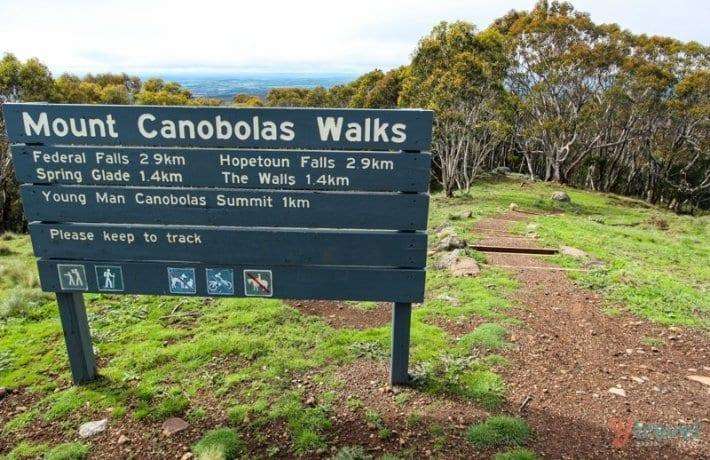
A New South Wales coroner has ruled that the death of missing bushwalker Esther Marie Wallace was not suspicious, concluding that emergency services conducted an extensive and well-managed search after she disappeared in the Mount Canobolas State Conservation Area near Orange in November 2022.
Deputy State Coroner Rebecca Hosking handed down her findings after examining the circumstances surrounding Wallace's disappearance and the emergency response that followed. Wallace, aged 47, was reported missing after she became separated from her partner during a late-night walk on the Federal Falls track. The pair had begun the four-kilometre bushwalk around midnight on 30 November 2022, despite freezing conditions, with temperatures falling to about minus four degrees Celsius.
The inquest heard that Wallace was wearing sandals and light clothing unsuitable for the harsh alpine conditions. During the return journey, the couple accidentally wandered off the marked trail into dense bushland. Wallace became frightened and panicked after realising they were lost. According to the coroner's findings, she eventually sat down and refused to continue walking while her partner attempted to find help.
After reaching the car park and charging his mobile phone, Wallace's partner reported her missing early that morning. Police immediately launched a major search involving officers from the NSW Police Force, State Emergency Service (SES), National Parks and Wildlife Service, Rural Fire Service, Forestry Corporation personnel and numerous volunteers. Search teams combed steep, heavily forested terrain where visibility was often less than one metre.
During the 12-day operation, searchers discovered several personal belongings, including Wallace's black headband, the orange high-visibility jacket she had been sitting on, her white blouse and other clothing. On the final day of the search, specialist SES bush search and rescue personnel detected an odour that led them to her remains approximately 150 metres from a fire trail.
A post-mortem examination was unable to determine the precise medical cause of death because of the advanced state of decomposition. However, the coroner found that exposure to the elements, hypothermia and dehydration were the most likely contributing factors. No evidence suggested any criminal involvement, and the death was officially ruled not suspicious.
Judge Hosking praised the dedication of emergency personnel, noting they continued searching well beyond the period when many search operations would ordinarily end. She said the commitment shown by police, SES volunteers and other agencies allowed Wallace's family to recover her remains and begin the grieving process. The coroner concluded that the search was appropriately planned, sufficiently resourced and carried out according to accepted search and rescue standards, making no recommendations for changes to future operations.
The findings bring closure to a case that deeply affected the Orange community and emergency service volunteers. Authorities also reminded bushwalkers to prepare carefully before entering remote areas by checking weather conditions, wearing suitable clothing, carrying communication devices and remaining on marked tracks, particularly in difficult terrain or during extreme weather.
SearchWallaceCoronerEmergencyDeath
A New South Wales coroner has ruled that the death of missing bushwalker Esther Marie Wallace was not suspicious, concluding that emergency services conducted an extensive and well-managed search after she disappeared in the Mount Canobolas State Conservation Area near Orange in November 2022.
Deputy State Coroner Rebecca Hosking handed down her findings after examining the circumstances surrounding Wallace's disappearance and the emergency response that followed. Wallace, aged 47, was reported missing after she became separated from her partner during a late-night walk on the Federal Falls track. The pair had begun the four-kilometre bushwalk around midnight on 30 November 2022, despite freezing conditions, with temperatures falling to about minus four degrees Celsius.
The inquest heard that Wallace was wearing sandals and light clothing unsuitable for the harsh alpine conditions. During the return journey, the couple accidentally wandered off the marked trail into dense bushland. Wallace became frightened and panicked after realising they were lost. According to the coroner's findings, she eventually sat down and refused to continue walking while her partner attempted to find help.
After reaching the car park and charging his mobile phone, Wallace's partner reported her missing early that morning. Police immediately launched a major search involving officers from the NSW Police Force, State Emergency Service (SES), National Parks and Wildlife Service, Rural Fire Service, Forestry Corporation personnel and numerous volunteers. Search teams combed steep, heavily forested terrain where visibility was often less than one metre.
During the 12-day operation, searchers discovered several personal belongings, including Wallace's black headband, the orange high-visibility jacket she had been sitting on, her white blouse and other clothing. On the final day of the search, specialist SES bush search and rescue personnel detected an odour that led them to her remains approximately 150 metres from a fire trail.
A post-mortem examination was unable to determine the precise medical cause of death because of the advanced state of decomposition. However, the coroner found that exposure to the elements, hypothermia and dehydration were the most likely contributing factors. No evidence suggested any criminal involvement, and the death was officially ruled not suspicious.
Judge Hosking praised the dedication of emergency personnel, noting they continued searching well beyond the period when many search operations would ordinarily end. She said the commitment shown by police, SES volunteers and other agencies allowed Wallace's family to recover her remains and begin the grieving process. The coroner concluded that the search was appropriately planned, sufficiently resourced and carried out according to accepted search and rescue standards, making no recommendations for changes to future operations.
The findings bring closure to a case that deeply affected the Orange community and emergency service volunteers. Authorities also reminded bushwalkers to prepare carefully before entering remote areas by checking weather conditions, wearing suitable clothing, carrying communication devices and remaining on marked tracks, particularly in difficult terrain or during extreme weather.
Northern Territory Police are investigating a series of alleged aggravated burglaries in Alice Springs after up to seven homes in the Araluen area were...
Two teenagers have been arrested after a large factory fire in Melbourne's north was declared suspicious, with police investigating how the blaze started.
NSW Police are appealing for information to identify a woman wanted in connection with the death of a 73-year-old man following an alleged hit-and-run i...
A Sydney patient says he spent 23 hours waiting on a chair at Westmead Hospital's emergency department, while new figures show continuing pressure on th...
Multiple Rural Fire Service trucks were damaged after a planned hazard reduction burn at Wedderburn in Sydney's south-west escaped containment on Saturday.
Treasurer Jim Chalmers says the federal budget bottom line has improved by $6 billion compared with the May forecast, while the government faces pressur...
Northern Territory Police are investigating a series of alleged aggravated burglaries in Alice Springs after up to seven homes in the Araluen area were...