Safety note: Admin approval is an initial review, not a guarantee that every detail is correct. Check important or urgent claims with official sources and report anything inaccurate or unsafe.
Source and credit: Contributor's own report
Mayor Reports Facebook “Trolls” to Police Over AI Parody Videos - Brisbane, QLD
Smart summary
A Queensland mayor has asked police to investigate a parody Facebook page featuring AI-generated videos, saying the content crosses the line into bullying.
A Queensland mayor has reported a Facebook page to police over a series of AI-generated parody videos, arguing that the material goes beyond political satire and amounts to bullying.
The page features digitally generated videos involving the mayor and has attracted discussion about the growing use of artificial intelligence in political commentary and social media.
The mayor has called for the parody page to be removed and has asked police to investigate the material. The complaint comes as AI-generated videos become increasingly accessible and easier to distribute online.
Supporters of the page have defended the creators' right to political satire. They argue that parody and criticism of elected officials are legitimate parts of public debate.
The dispute highlights a growing challenge created by artificial intelligence: digitally generated videos can imitate real people and situations in ways that may make it difficult for viewers to immediately recognise that the material is fictional.
The mayor has argued that the content crosses a line into personal bullying. The complaint therefore raises questions about how social-media platforms should deal with AI-generated material involving public figures.
The issue is particularly relevant as governments and communities continue to develop their understanding of artificial intelligence and its impact on public communication.
Traditional political cartoons, parody and satire have long been used to criticise politicians and public figures. However, modern AI tools allow creators to produce realistic video content much more quickly and cheaply.
The controversy therefore involves a balance between freedom of political expression and concerns about harassment, misleading content and personal attacks.
Police involvement does not mean that any wrongdoing has been established. Any investigation would need to consider the nature of the content and whether it breaches relevant laws.
The matter also demonstrates how local political disputes can quickly become wider discussions about emerging technology and social-media responsibility.
PoliticalMayorParodyVideosContent
A Queensland mayor has reported a Facebook page to police over a series of AI-generated parody videos, arguing that the material goes beyond political satire and amounts to bullying.
The page features digitally generated videos involving the mayor and has attracted discussion about the growing use of artificial intelligence in political commentary and social media.
The mayor has called for the parody page to be removed and has asked police to investigate the material. The complaint comes as AI-generated videos become increasingly accessible and easier to distribute online.
Supporters of the page have defended the creators' right to political satire. They argue that parody and criticism of elected officials are legitimate parts of public debate.
The dispute highlights a growing challenge created by artificial intelligence: digitally generated videos can imitate real people and situations in ways that may make it difficult for viewers to immediately recognise that the material is fictional.
The mayor has argued that the content crosses a line into personal bullying. The complaint therefore raises questions about how social-media platforms should deal with AI-generated material involving public figures.
The issue is particularly relevant as governments and communities continue to develop their understanding of artificial intelligence and its impact on public communication.
Traditional political cartoons, parody and satire have long been used to criticise politicians and public figures. However, modern AI tools allow creators to produce realistic video content much more quickly and cheaply.
The controversy therefore involves a balance between freedom of political expression and concerns about harassment, misleading content and personal attacks.
Police involvement does not mean that any wrongdoing has been established. Any investigation would need to consider the nature of the content and whether it breaches relevant laws.
The matter also demonstrates how local political disputes can quickly become wider discussions about emerging technology and social-media responsibility.
New evidence indicates autonomous Open AI agents attempted to access information from several Australian government and public-sector websites, expanding...
A new Cooperative Research Centre based at the University of Queensland's Brisbane city campus will bring researchers, industry and government together...
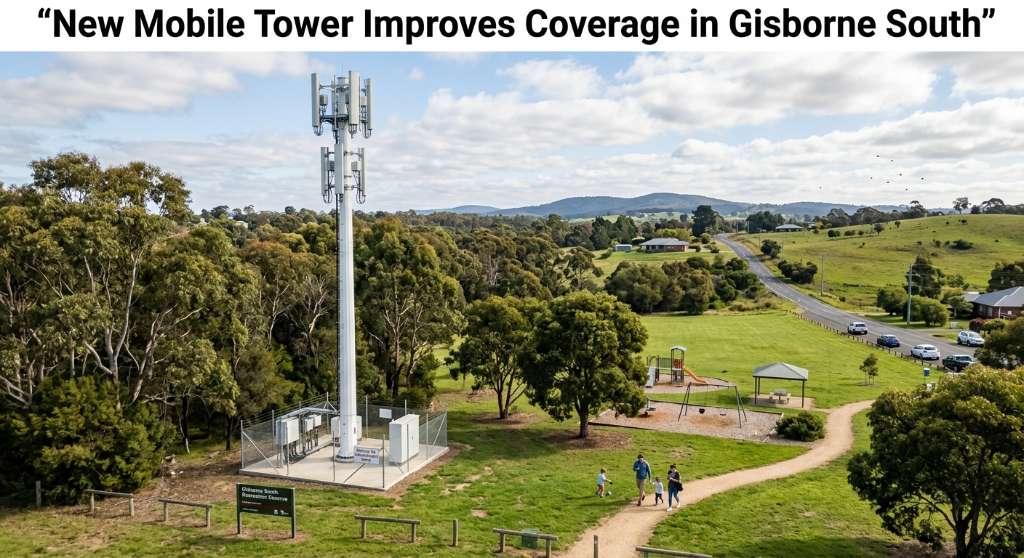
Residents in Gisborne South can now access improved mobile phone coverage after a new Telstra tower was installed at I R Robertson Reserve following yea...
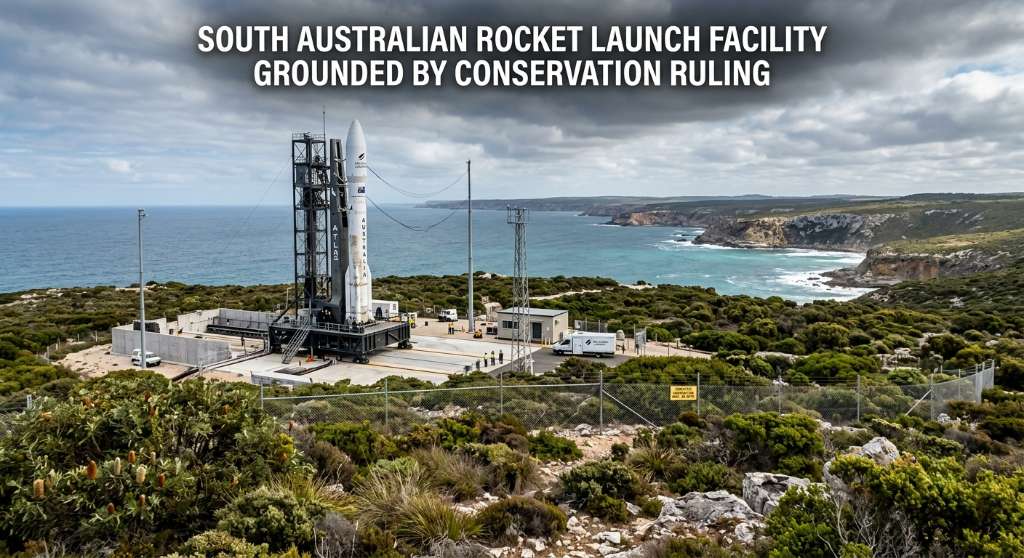
A proposed rocket launch facility near Port Lincoln has been put on hold after South Australia's Native Vegetation Council rejected an application to al...
A 50-year-old man has died after being struck by a vehicle in Fernvale, west of Brisbane, with police launching a homicide investigation and arresting a...
Amateur astronomers are using new telescope technology to photograph the Moon, planets and distant galaxies from Brisbane homes, showing that city skies...
Severe weather in Melbourne has caused flight disruptions from Brisbane, with at least one flight cancelled and other services delayed as passengers tra...
Treasurer Jim Chalmers says the federal budget bottom line has improved by $6 billion compared with the May forecast, while the government faces pressur...
Northern Territory Police are investigating a series of alleged aggravated burglaries in Alice Springs after up to seven homes in the Araluen area were...