Safety note: Admin approval is an initial review, not a guarantee that every detail is correct. Check important or urgent claims with official sources and report anything inaccurate or unsafe.
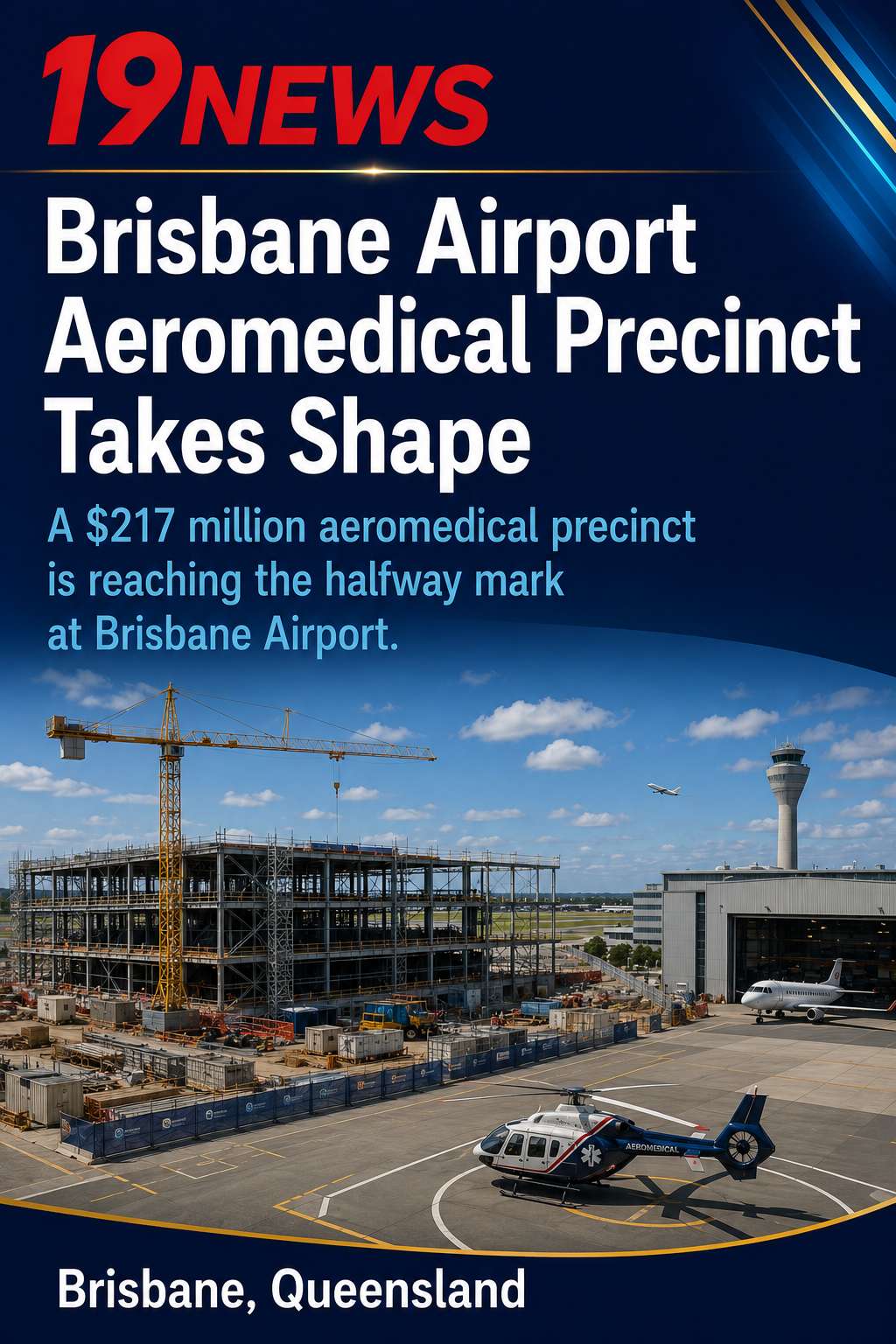
A major $217 million aeromedical precinct is taking shape at Brisbane Airport, strengthening the city's role as a medical and aviation hub.
Construction is progressing on a major aeromedical precinct at Brisbane Airport, with the project designed to strengthen Brisbane's role as a hub for specialist medical transport and aviation services.
The development is part of a broader investment in infrastructure at Brisbane Airport and is expected to provide dedicated facilities for aeromedical operations.
The project has an estimated construction value of $217 million, while the Queensland Government has committed significant funding toward the wider development of the precinct.
The new facilities are designed to support medical transport operations and improve the way patients, medical teams and specialist equipment move through the airport.
Brisbane's location makes the airport an important transport point for Queensland and the wider region. Patients requiring specialist treatment can be transported by air from regional and remote areas, making reliable aeromedical infrastructure particularly important.
The precinct is also expected to support Queensland's growing healthcare and aviation sectors by providing purpose-built facilities for organisations involved in medical transport.
The development comes as Brisbane continues to experience major infrastructure investment ahead of the 2032 Olympic and Paralympic Games. Airport infrastructure is being expanded and upgraded to accommodate long-term growth in passenger numbers, freight activity and specialist aviation services.
The aeromedical precinct represents a different aspect of that broader development, focusing specifically on healthcare and emergency transport requirements.
For Brisbane, the project could strengthen the city's position as a central medical destination for patients travelling from across Queensland and other parts of Australia.
The construction is now taking shape at Brisbane Airport, with further work expected as the precinct moves toward completion.
The development is also expected to create opportunities for specialist businesses and workers operating across aviation, healthcare, logistics and emergency medical transport.
With Queensland's population continuing to grow and demand for specialist healthcare increasing, improved aeromedical infrastructure could become increasingly important.
The Brisbane Airport development therefore represents a significant investment in infrastructure that connects the city's aviation and healthcare sectors while supporting medical services across Queensland.
BrisbaneAirportMedicalAeromedicalDevelopment
Construction is progressing on a major aeromedical precinct at Brisbane Airport, with the project designed to strengthen Brisbane's role as a hub for specialist medical transport and aviation services.
The development is part of a broader investment in infrastructure at Brisbane Airport and is expected to provide dedicated facilities for aeromedical operations.
The project has an estimated construction value of $217 million, while the Queensland Government has committed significant funding toward the wider development of the precinct.
The new facilities are designed to support medical transport operations and improve the way patients, medical teams and specialist equipment move through the airport.
Brisbane's location makes the airport an important transport point for Queensland and the wider region. Patients requiring specialist treatment can be transported by air from regional and remote areas, making reliable aeromedical infrastructure particularly important.
The precinct is also expected to support Queensland's growing healthcare and aviation sectors by providing purpose-built facilities for organisations involved in medical transport.
The development comes as Brisbane continues to experience major infrastructure investment ahead of the 2032 Olympic and Paralympic Games. Airport infrastructure is being expanded and upgraded to accommodate long-term growth in passenger numbers, freight activity and specialist aviation services.
The aeromedical precinct represents a different aspect of that broader development, focusing specifically on healthcare and emergency transport requirements.
For Brisbane, the project could strengthen the city's position as a central medical destination for patients travelling from across Queensland and other parts of Australia.
The construction is now taking shape at Brisbane Airport, with further work expected as the precinct moves toward completion.
The development is also expected to create opportunities for specialist businesses and workers operating across aviation, healthcare, logistics and emergency medical transport.
With Queensland's population continuing to grow and demand for specialist healthcare increasing, improved aeromedical infrastructure could become increasingly important.
The Brisbane Airport development therefore represents a significant investment in infrastructure that connects the city's aviation and healthcare sectors while supporting medical services across Queensland.
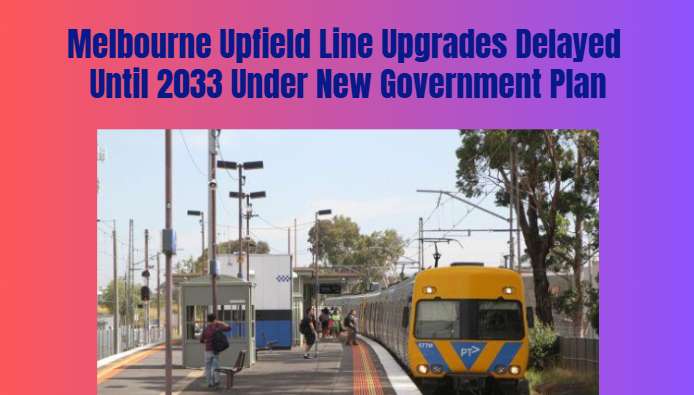
The Victorian Government has announced an $80 million study into duplicating Melbourne's Upfield railway line while delaying eight planned level-crossin...
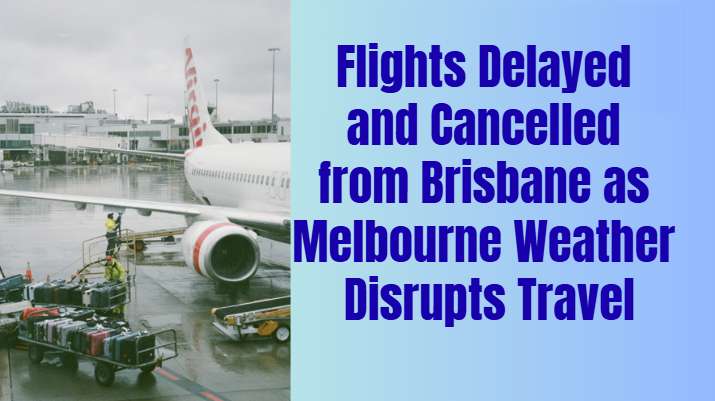
Severe weather in Melbourne has caused flight disruptions from Brisbane, with at least one flight cancelled and other services delayed as passengers tra...
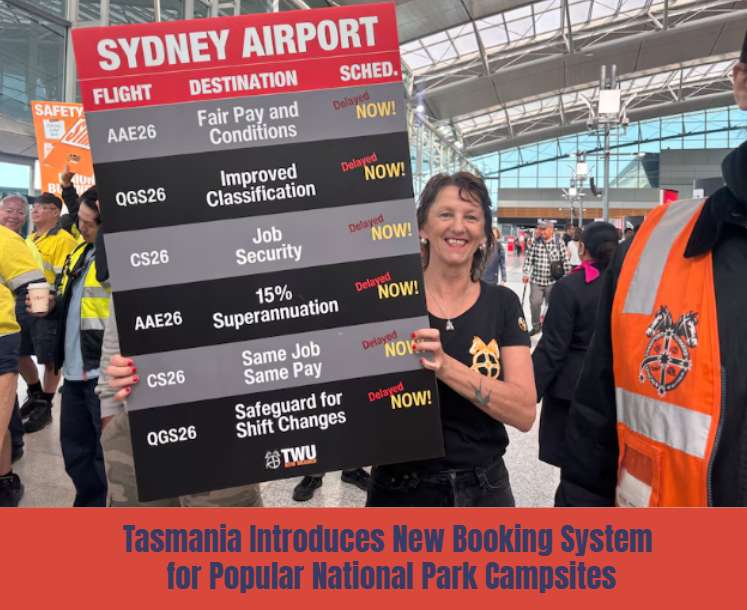
Passengers travelling through Sydney Airport on September 24 are being warned to allow extra time as separate strikes involving airport security and gro...
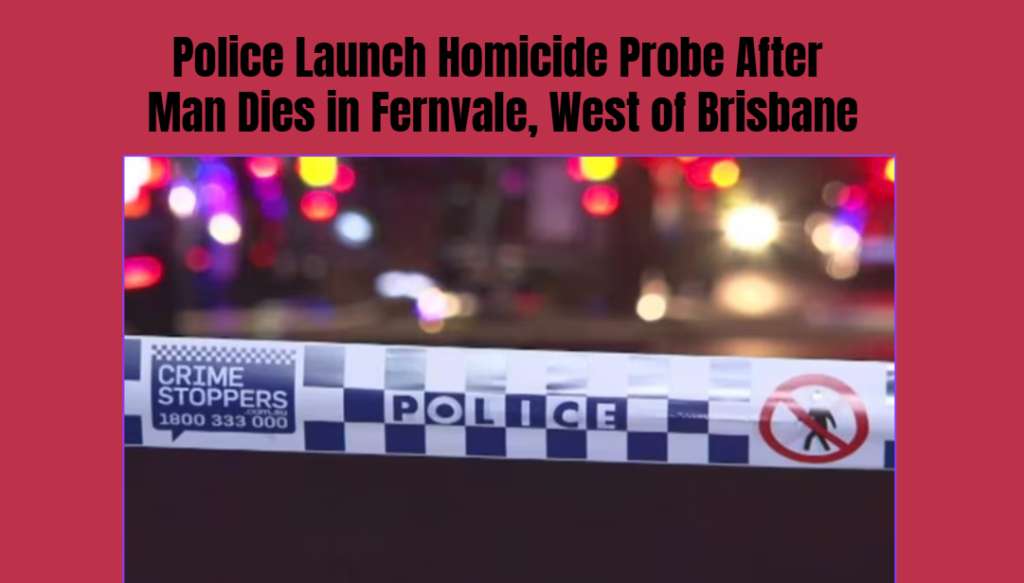
A 50-year-old man has died after being struck by a vehicle in Fernvale, west of Brisbane, with police launching a homicide investigation and arresting a...
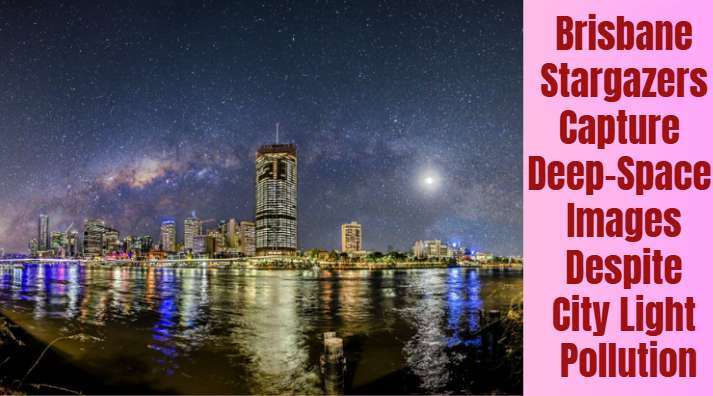
Amateur astronomers are using new telescope technology to photograph the Moon, planets and distant galaxies from Brisbane homes, showing that city skies...
Severe weather in Melbourne has caused flight disruptions from Brisbane, with at least one flight cancelled and other services delayed as passengers tra...
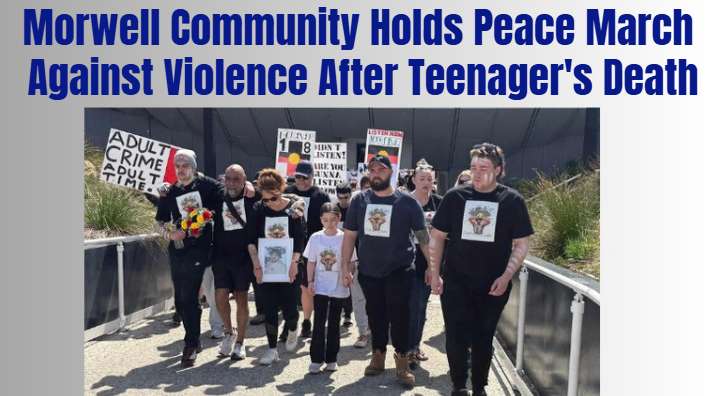
Around 300 people walked through Morwell to remember Kaiden Morgan-Johnston one year after his death and call for safer streets across the Latrobe Valley.
Two teenagers have been arrested after a large factory fire in Melbourne's north was declared suspicious, with police investigating how the blaze started.
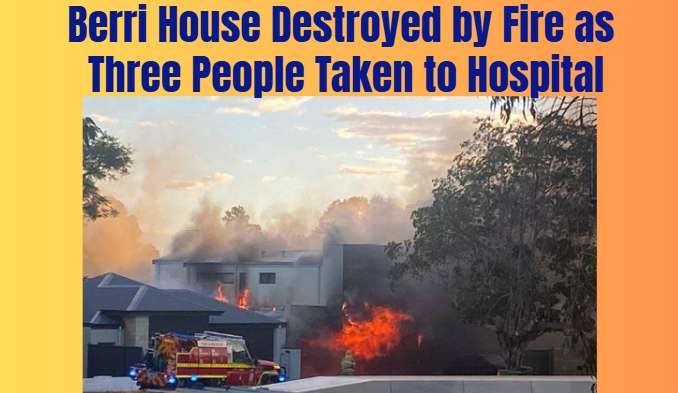
A house in Berri, South Australia, was destroyed by fire on Sunday morning, with three people taken to hospital as a precaution after escaping the burni...