CS Energy Faces $1 Billion Lawsuit Over Callide Power Station Failures
By Neha · Published 22 Jun 2026 · Updated 22 Jun 2026
Biloela, Queensland
Safety note: Admin approval is an initial review, not a guarantee that every detail is correct. Check important or urgent claims with official sources and report anything inaccurate or unsafe.
Source and credit: Contributor's own report
CS Energy Faces $1 Billion Lawsuit Over Callide Power Station Failures - Biloela, Queensland
Smart summary
Queensland government-owned energy company CS Energy is facing legal action seeking more than $1 billion in damages over catastrophic failures at the Callide Power Station that disrupted electricity supplies and trigg...
Government-owned electricity generator CS Energy is facing a lawsuit reportedly worth more than $1 billion over a series of major failures at the Callide Power Station that have had significant consequences for Queensland's energy network and the national electricity market.
The legal action relates to events surrounding the catastrophic failure of Callide C Unit 4 in May 2021. The incident resulted in an explosion and extensive damage to the generating unit, causing a major reduction in electricity generation capacity within Queensland. The outage contributed to widespread disruptions in the National Electricity Market and raised concerns about power system reliability across eastern Australia.
The lawsuit has reportedly been initiated by a group of electricity market participants who argue they suffered substantial financial losses as a result of the prolonged outage and associated market impacts. The claim is understood to seek damages exceeding $1 billion, making it one of the most significant legal actions involving Australia's energy sector in recent years.
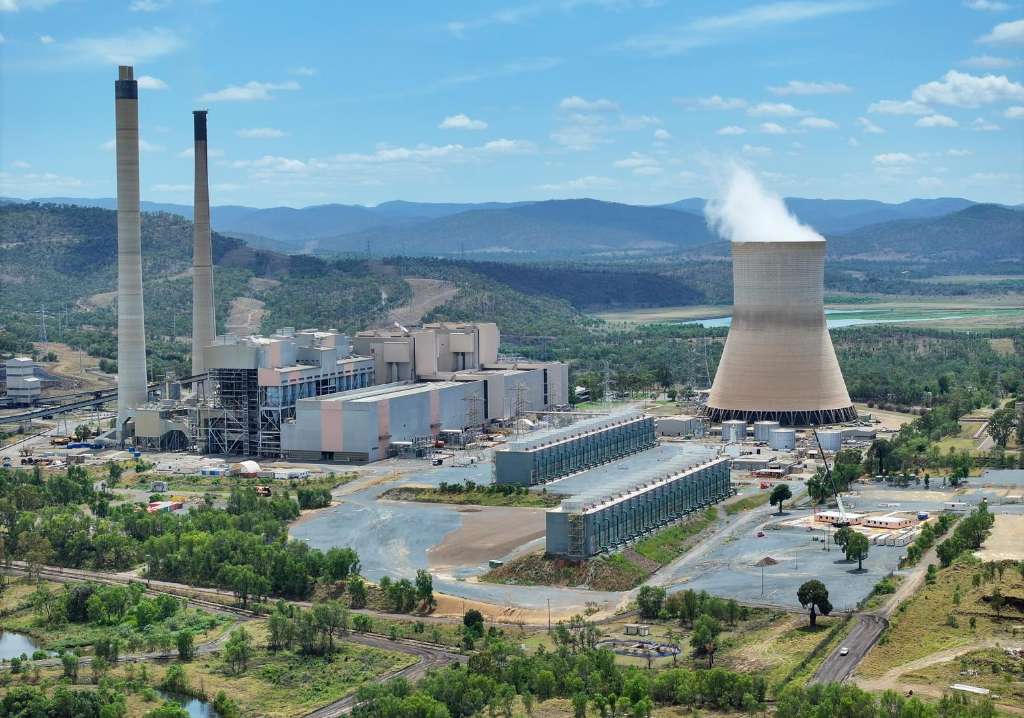
Callide Power Station, located near Biloela in Central Queensland, plays an important role in the state's electricity supply. The station consists of multiple generating units and has historically provided a substantial portion of Queensland's baseload power generation.
Following the 2021 explosion, investigations identified technical failures associated with electrical equipment and protection systems. The event caused extensive damage and forced the unit offline for an extended period while repairs and safety assessments were undertaken. The disruption occurred during a period when electricity demand and wholesale energy prices were already under pressure.
Market analysts have previously noted that the outage contributed to volatility in electricity prices across the National Electricity Market. Reduced generation capacity can increase wholesale prices by limiting available supply, particularly during periods of high demand or constrained generation elsewhere in the system.
CS Energy has consistently maintained that it has worked closely with regulators, investigators and industry stakeholders throughout the recovery process. The company has invested heavily in repairs, safety improvements and reliability measures since the incident occurred.
The legal proceedings are expected to examine technical evidence, operational decisions and the broader market consequences of the power station failure. Given the scale of the damages being sought, the case could have significant implications for the energy sector and for government-owned corporations involved in electricity generation.
The Queensland Government, as the owner of CS Energy, will be closely monitoring the proceedings. Any substantial financial liability could have implications for the state-owned energy portfolio and future infrastructure investment decisions.
Energy experts say the case highlights the critical importance of maintaining reliable electricity infrastructure in an increasingly complex energy market. As Australia continues its transition toward a more diverse energy mix, reliability and resilience remain key concerns for policymakers, generators and consumers alike.
The matter is expected to proceed through the courts, where detailed evidence regarding the causes of the failure and the extent of the alleged losses will be examined before any determination is made.
EnergyElectricityMarketPowerGeneration
Government-owned electricity generator CS Energy is facing a lawsuit reportedly worth more than $1 billion over a series of major failures at the Callide Power Station that have had significant consequences for Queensland's energy network and the national electricity market.
The legal action relates to events surrounding the catastrophic failure of Callide C Unit 4 in May 2021. The incident resulted in an explosion and extensive damage to the generating unit, causing a major reduction in electricity generation capacity within Queensland. The outage contributed to widespread disruptions in the National Electricity Market and raised concerns about power system reliability across eastern Australia.
The lawsuit has reportedly been initiated by a group of electricity market participants who argue they suffered substantial financial losses as a result of the prolonged outage and associated market impacts. The claim is understood to seek damages exceeding $1 billion, making it one of the most significant legal actions involving Australia's energy sector in recent years.
Callide Power Station, located near Biloela in Central Queensland, plays an important role in the state's electricity supply. The station consists of multiple generating units and has historically provided a substantial portion of Queensland's baseload power generation.
Following the 2021 explosion, investigations identified technical failures associated with electrical equipment and protection systems. The event caused extensive damage and forced the unit offline for an extended period while repairs and safety assessments were undertaken. The disruption occurred during a period when electricity demand and wholesale energy prices were already under pressure.
Market analysts have previously noted that the outage contributed to volatility in electricity prices across the National Electricity Market. Reduced generation capacity can increase wholesale prices by limiting available supply, particularly during periods of high demand or constrained generation elsewhere in the system.
CS Energy has consistently maintained that it has worked closely with regulators, investigators and industry stakeholders throughout the recovery process. The company has invested heavily in repairs, safety improvements and reliability measures since the incident occurred.
The legal proceedings are expected to examine technical evidence, operational decisions and the broader market consequences of the power station failure. Given the scale of the damages being sought, the case could have significant implications for the energy sector and for government-owned corporations involved in electricity generation.
The Queensland Government, as the owner of CS Energy, will be closely monitoring the proceedings. Any substantial financial liability could have implications for the state-owned energy portfolio and future infrastructure investment decisions.
Energy experts say the case highlights the critical importance of maintaining reliable electricity infrastructure in an increasingly complex energy market. As Australia continues its transition toward a more diverse energy mix, reliability and resilience remain key concerns for policymakers, generators and consumers alike.
The matter is expected to proceed through the courts, where detailed evidence regarding the causes of the failure and the extent of the alleged losses will be examined before any determination is made.
Australian shoppers and small businesses are preparing for changes to card-payment surcharges, with new Reserve Bank rules due to take effect from Octob...
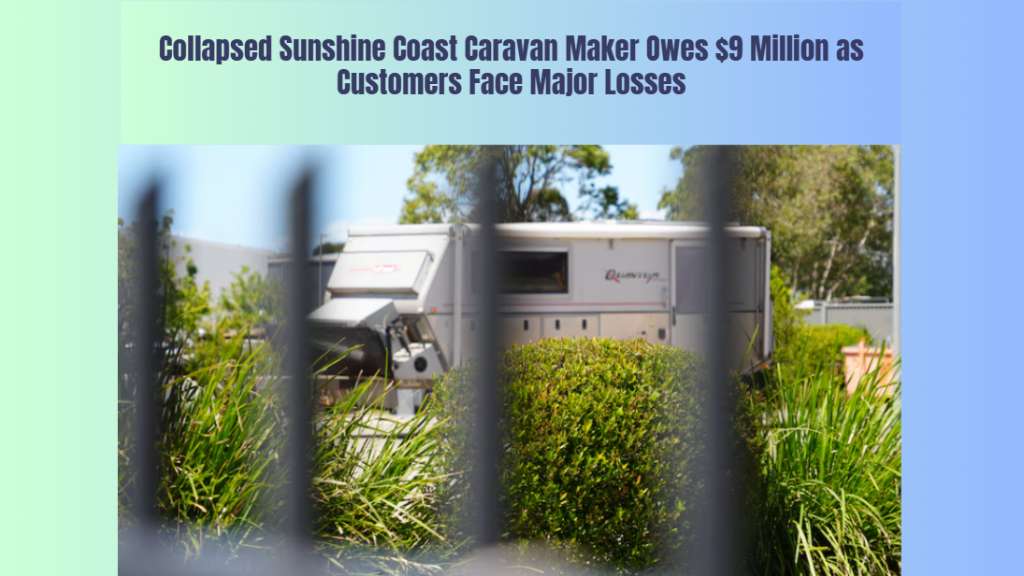
Administrators have revealed Australian Off Road owes about $9 million after the Sunshine Coast caravan manufacturer collapsed, leaving customers, emplo...
Bathurst New South Wales · Business News · 21 Sep 2026
Bathurst-based Bell Conveyancing has received three honours at the 2026 Carillon Business Awards, marking a significant recognition for the local business and its work in the re...
Brisbane is hosting a three-day national conference focused on critical minerals, supply chains, processing, investment and the future of Australia's re...
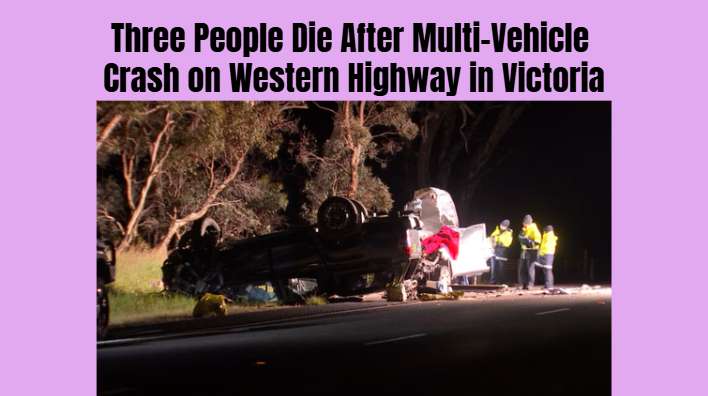
Three people, including a 14-year-old girl, have died following a multi-vehicle collision on the Western Highway near Ledcourt in Victoria's north-west.
Australian cyclist Sarah Gigante is back racing internationally after more than a year away from competition and will lead a four-rider Australian team...
Adam Scott and Min Woo Lee played key roles as the International team produced a clean sweep against the United States in the second-day foursomes at th...
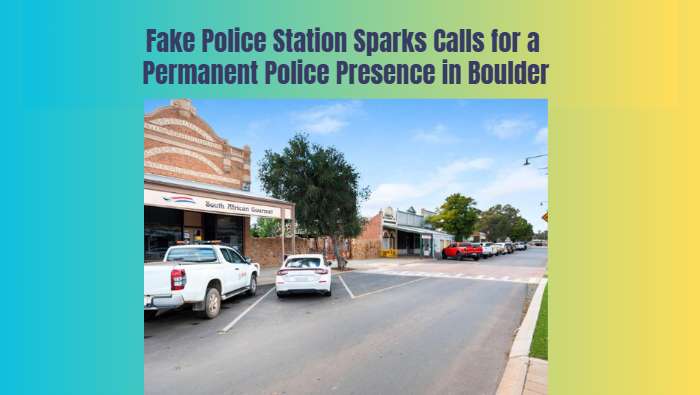
A temporary police station created as a film set in Boulder appeared to calm activity on Burt Street, prompting locals to renew calls for a permanent 24...
A Sydney patient says he spent 23 hours waiting on a chair at Westmead Hospital's emergency department, while new figures show continuing pressure on th...
Three people, including a 14-year-old girl, have died following a multi-vehicle collision on the Western Highway near Ledcourt in Victoria's north-west.
A 50-year-old man has died after being struck by a vehicle in Fernvale, west of Brisbane, with police launching a homicide investigation and arresting a...
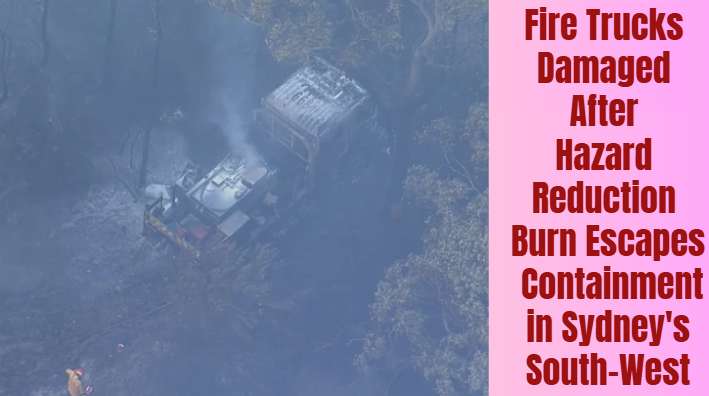
Multiple Rural Fire Service trucks were damaged after a planned hazard reduction burn at Wedderburn in Sydney's south-west escaped containment on Saturday.