Safety note: Admin approval is an initial review, not a guarantee that every detail is correct. Check important or urgent claims with official sources and report anything inaccurate or unsafe.
Source and credit: Contributor's own report
Dark Lab abandons MONA's 'Transformer' art project for Tasmania's far south - Hobart, TAS
Smart summary
Dark Lab, the creative arm of MONA, has cancelled its long-planned Transformer public art installation at Ida Bay in Tasmania's Huon Valley, citing rising construction costs, the lengthy approval process and changing...
After seven years of planning, Tasmania's ambitious Transformer public art project has been officially abandoned, with Dark Lab announcing it will no longer proceed with the major installation proposed for Ida Bay in the state's far south. The decision marks the end of one of Tasmania's most significant regional arts and tourism proposals, which had been designed to attract visitors to the Huon Valley following the devastating 2019 bushfires.
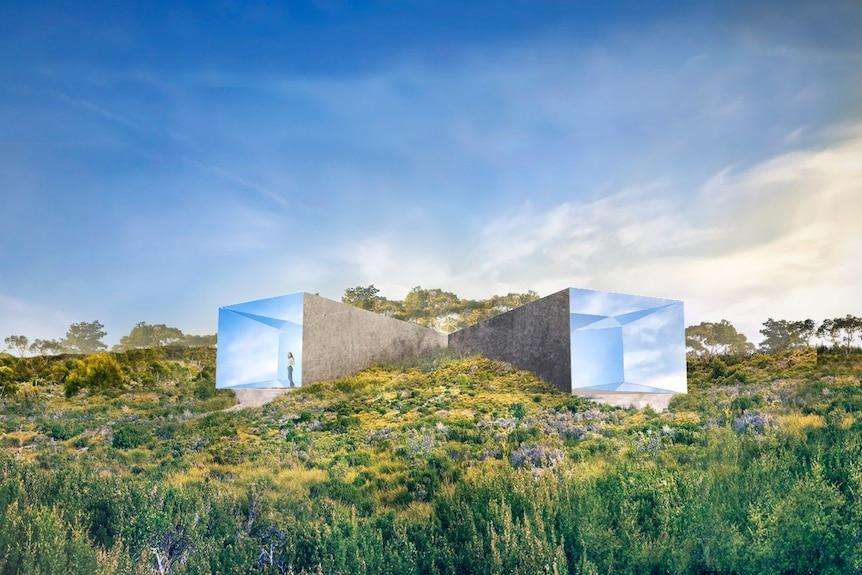
Transformer was commissioned by Dark Lab, the creative subsidiary of the Museum of Old and New Art (MONA), and designed by internationally renowned American artist Doug Aitken. The project centred on a reflective pavilion positioned within the Ida Bay State Reserve, allowing visitors to experience the surrounding wilderness through mirrored interiors that interacted with changing light and weather conditions. A visitor centre, café, ticketing facilities, toilets and car parking were also planned as part of the development.
Dark Lab Chief Executive and Creative Director Leigh Carmichael said the organisation had exhausted every opportunity to make the project viable before deciding to withdraw. According to Carmichael, the circumstances surrounding the project had changed dramatically since work began in 2019. He pointed to the lengthy approval process, the COVID-19 pandemic and rapidly escalating construction costs as the major reasons the project could no longer proceed.
The most recent public estimate placed the project's cost at approximately $8.7 million, considerably higher than earlier projections. Dark Lab confirmed it will return all government grant funding received for the development, while MONA founder David Walsh will personally cover the costs already incurred during planning and design.
Transformer formed part of Project X, an initiative created to encourage tourism and investment in Tasmania's far south after widespread bushfire damage. The installation was expected to attract around 30,000 visitors annually, providing an economic boost for local businesses and encouraging longer stays in the Huon Valley. Supporters believed the artwork would become a landmark destination comparable to other internationally recognised public art installations.
The proposal had secured planning approval from the Huon Valley Council and environmental approval from the Tasmania Parks and Wildlife Service, following years of consultation and assessment. Despite those approvals, Dark Lab concluded that the financial realities of completing the visitor centre and associated infrastructure had become unsustainable.
Carmichael expressed disappointment at ending the project, thanking residents of Tasmania's far south for their support throughout the lengthy planning process. He said Dark Lab still believes a major tourism catalyst is needed for the region but acknowledged that current economic conditions make such an investment impractical.
The cancellation represents a significant setback for regional tourism ambitions in southern Tasmania. While the Huon Valley remains home to nationally recognised attractions and spectacular natural landscapes, the loss of Transformer means one of its most anticipated cultural developments will not proceed. Local leaders hope future projects can continue building tourism opportunities, even though this ambitious vision has come to an end.
ProjectDarkTasmaniaTourismTransformer
After seven years of planning, Tasmania's ambitious Transformer public art project has been officially abandoned, with Dark Lab announcing it will no longer proceed with the major installation proposed for Ida Bay in the state's far south. The decision marks the end of one of Tasmania's most significant regional arts and tourism proposals, which had been designed to attract visitors to the Huon Valley following the devastating 2019 bushfires.
Transformer was commissioned by Dark Lab, the creative subsidiary of the Museum of Old and New Art (MONA), and designed by internationally renowned American artist Doug Aitken. The project centred on a reflective pavilion positioned within the Ida Bay State Reserve, allowing visitors to experience the surrounding wilderness through mirrored interiors that interacted with changing light and weather conditions. A visitor centre, café, ticketing facilities, toilets and car parking were also planned as part of the development.
Dark Lab Chief Executive and Creative Director Leigh Carmichael said the organisation had exhausted every opportunity to make the project viable before deciding to withdraw. According to Carmichael, the circumstances surrounding the project had changed dramatically since work began in 2019. He pointed to the lengthy approval process, the COVID-19 pandemic and rapidly escalating construction costs as the major reasons the project could no longer proceed.
The most recent public estimate placed the project's cost at approximately $8.7 million, considerably higher than earlier projections. Dark Lab confirmed it will return all government grant funding received for the development, while MONA founder David Walsh will personally cover the costs already incurred during planning and design.
Transformer formed part of Project X, an initiative created to encourage tourism and investment in Tasmania's far south after widespread bushfire damage. The installation was expected to attract around 30,000 visitors annually, providing an economic boost for local businesses and encouraging longer stays in the Huon Valley. Supporters believed the artwork would become a landmark destination comparable to other internationally recognised public art installations.
The proposal had secured planning approval from the Huon Valley Council and environmental approval from the Tasmania Parks and Wildlife Service, following years of consultation and assessment. Despite those approvals, Dark Lab concluded that the financial realities of completing the visitor centre and associated infrastructure had become unsustainable.
Carmichael expressed disappointment at ending the project, thanking residents of Tasmania's far south for their support throughout the lengthy planning process. He said Dark Lab still believes a major tourism catalyst is needed for the region but acknowledged that current economic conditions make such an investment impractical.
The cancellation represents a significant setback for regional tourism ambitions in southern Tasmania. While the Huon Valley remains home to nationally recognised attractions and spectacular natural landscapes, the loss of Transformer means one of its most anticipated cultural developments will not proceed. Local leaders hope future projects can continue building tourism opportunities, even though this ambitious vision has come to an end.
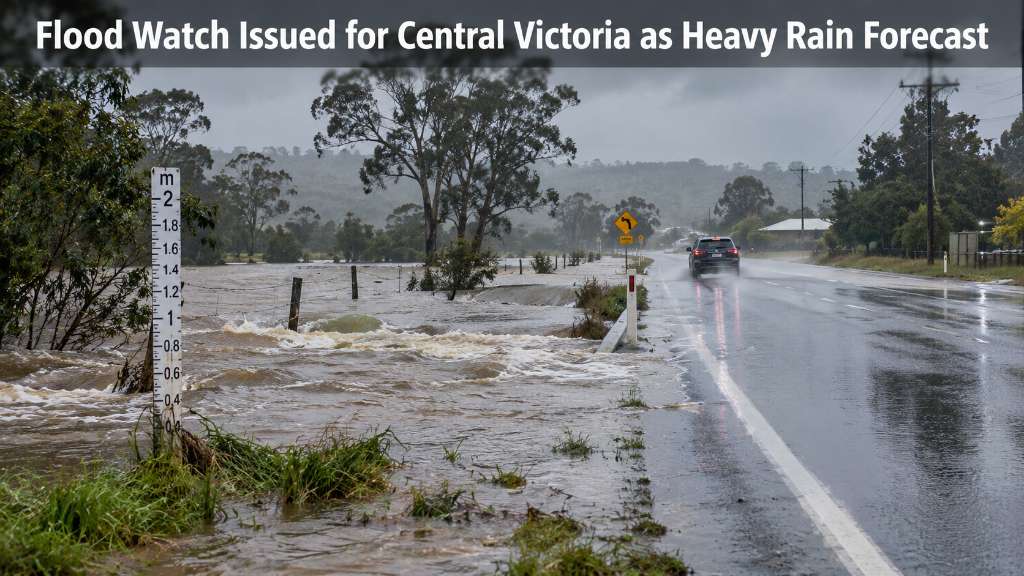
A flood watch is in place across parts of Victoria, with Ballarat and surrounding Central Victorian catchments facing the risk of minor to moderate floo...
Researchers are warning communities along South Australia's Lower Murray to prepare for more frequent flash droughts, with above-average temperatures fo...
Heavy and near-record rainfall has inundated parts of Western Australia's Goldfields and Esperance region, damaging pastoral properties and forcing the...
A 48-hour burst of heavy rain has brought almost 100 millimetres to parts of Western Australia, damaging some crops while providing welcome moisture bef...
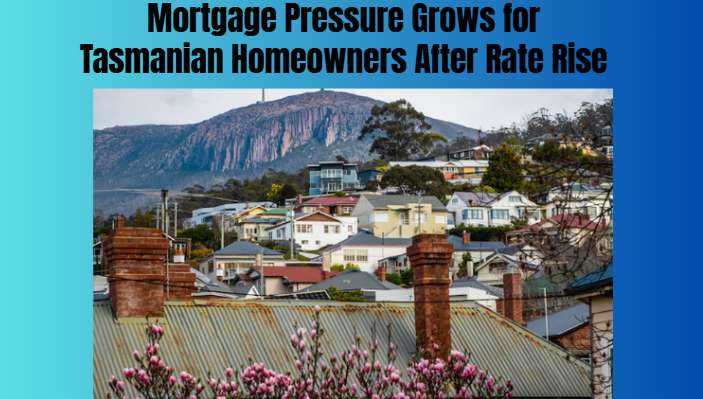
Tasmanian homeowners and businesses are facing higher borrowing costs after the Reserve Bank lifted the cash rate to 4.6 per cent, with lower average wa...
Chinese-owned Yongji Health has taken almost complete control of Tasmanian Botanics, one of Australia's largest medicinal cannabis producers, following...
Prime Minister Anthony Albanese says an agreement to secure the future of Tasmania's Bell Bay aluminium smelter is close, as the federal and state gover...
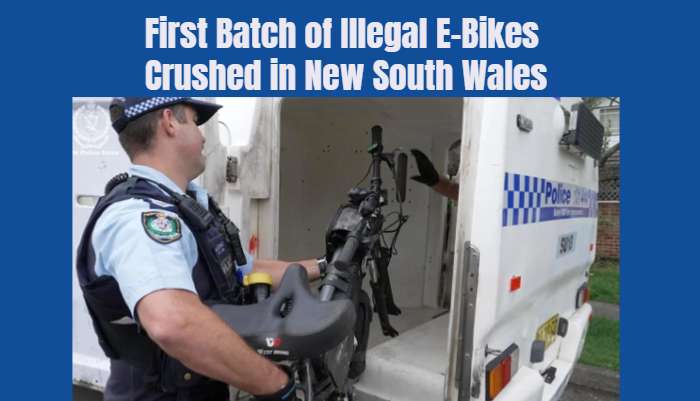
Authorities have crushed 23 confiscated electric bikes in Blacktown under new laws targeting non-compliant e-bikes, following a joint enforcement operat...
Thousands of Victorian doctors and allied health professionals have begun industrial action over stalled negotiations on pay and working conditions, wit...