Safety note: Admin approval is an initial review, not a guarantee that every detail is correct. Check important or urgent claims with official sources and report anything inaccurate or unsafe.
Dozens of Safety Breaches Found in Coffs Coast Agribusiness Blitz
Smart summary
A Safe Work NSW inspection blitz across the Coffs Harbour region has uncovered dozens of workplace-safety issues in the horticulture industry. The operation followed concerns about conditions faced by workers in the f...
A Safe Work NSW inspection blitz across the Coffs Harbour region has uncovered dozens of workplace-safety issues in the horticulture industry. The operation followed concerns about conditions faced by workers in the fruit-picking sector, including allegations of modern sla-very and exploitation.
Safe Work NSW conducted inspections over eight days, visiting 28 businesses in the Coffs Harbour region. Inspectors issued a total of 34 compliance notices, consisting of 29 improvement notices and five prohibition notices.
The five prohibition notices are particularly significant because they required certain work to stop immediately until the identified safety risks were addressed and rectified. These orders were issued to labour-hire firms operating on the Coffs Coast after inspectors identified serious risks at particular workplaces.
The Coffs Coast operation formed part of a broader Safe Work NSW blitz involving the horticultural industry. Inspectors also conducted a separate two-day operation in the Riverina, where another 32 businesses were inspected and 10 compliance notices were issued. Overall, 44 notices were issued across the two regions.
Safe Work NSW Commissioner Janet Schorer said inspectors focused on farms, pack houses, agricultural businesses and labour-hire arrangements associated with berry picking. The investigation was not limited to individual farms; authorities were also examining relationships between labour-hire companies and businesses further along the agricultural supply chain.
The safety problems identified during the inspections included issues involving moving plant and machinery, electrical safety and hazardous chemicals. These are important workplace risks in agricultural environments, where workers can operate machinery, work around electrical equipment and handle chemicals as part of farming and packing operations.
Inspectors also spent time speaking with workers and employers about workplace rights, safety systems and available support. Safe Work NSW is training inspectors to recognise potential indicators of modern s-lavery, reflecting the broader concerns surrounding vulnerable workers in parts of the fruit-picking industry.
The operation followed concerns raised through a NSW parliamentary inquiry into modern s-lavery risks faced by temporary migrant workers in rural and regional areas. Allegations surrounding the fruit-picking industry have included claims of underpayment and workers not receiving appropriate employment entitlements. These broader allegations are part of the reason authorities have increased scrutiny of labour-hire arrangements.
The NSW Work Health and Safety Minister, Sophie Cotsis, said more work was needed to protect vulnerable workers. She also said some workers may be afraid to provide information because of concerns about their circumstances or identification. The government has indicated support for a national labour-hire scheme, while also considering options for a NSW-based system.
Safe Work NSW said inspectors provided businesses with instructions explaining what needed to be corrected. Businesses can be given timeframes for completing improvements, and inspectors may return to check whether required changes have been made.
Authorities also passed relevant information to the Australian Federal Police following the operation. Safe Work NSW said additional inspections are planned during the fruit-picking season, meaning further compliance action could follow.
The operation is significant for Coffs Harbour because horticulture is an important part of the local economy, particularly berry production. The region relies on seasonal workers during harvesting periods, making safe and lawful labour-hire arrangements important for both workers and agricultural businesses.
Safe Work NSW states that labour-hire workers have the same workplace health and safety rights as other workers, including the right to a physically and psychologically safe workplace and the right to raise safety concerns.
The latest inspection results do not mean every business involved was found to have committed an offence. Compliance and prohibition notices are regulatory actions addressing identified workplace risks, while individual allegations of criminal or exploitative conduct require separate investigation and due process.
For Coffs Harbour, the focus now turns to whether businesses comply with the notices and whether future inspections identify further problems. Authorities say inspections will continue as the picking season progresses.
WorkWorkersSafeBusinessesInspectors
A Safe Work NSW inspection blitz across the Coffs Harbour region has uncovered dozens of workplace-safety issues in the horticulture industry. The operation followed concerns about conditions faced by workers in the fruit-picking sector, including allegations of modern sla-very and exploitation.
Safe Work NSW conducted inspections over eight days, visiting 28 businesses in the Coffs Harbour region. Inspectors issued a total of 34 compliance notices, consisting of 29 improvement notices and five prohibition notices.
The five prohibition notices are particularly significant because they required certain work to stop immediately until the identified safety risks were addressed and rectified. These orders were issued to labour-hire firms operating on the Coffs Coast after inspectors identified serious risks at particular workplaces.
The Coffs Coast operation formed part of a broader Safe Work NSW blitz involving the horticultural industry. Inspectors also conducted a separate two-day operation in the Riverina, where another 32 businesses were inspected and 10 compliance notices were issued. Overall, 44 notices were issued across the two regions.
Safe Work NSW Commissioner Janet Schorer said inspectors focused on farms, pack houses, agricultural businesses and labour-hire arrangements associated with berry picking. The investigation was not limited to individual farms; authorities were also examining relationships between labour-hire companies and businesses further along the agricultural supply chain.
The safety problems identified during the inspections included issues involving moving plant and machinery, electrical safety and hazardous chemicals. These are important workplace risks in agricultural environments, where workers can operate machinery, work around electrical equipment and handle chemicals as part of farming and packing operations.
Inspectors also spent time speaking with workers and employers about workplace rights, safety systems and available support. Safe Work NSW is training inspectors to recognise potential indicators of modern s-lavery, reflecting the broader concerns surrounding vulnerable workers in parts of the fruit-picking industry.
The operation followed concerns raised through a NSW parliamentary inquiry into modern s-lavery risks faced by temporary migrant workers in rural and regional areas. Allegations surrounding the fruit-picking industry have included claims of underpayment and workers not receiving appropriate employment entitlements. These broader allegations are part of the reason authorities have increased scrutiny of labour-hire arrangements.
The NSW Work Health and Safety Minister, Sophie Cotsis, said more work was needed to protect vulnerable workers. She also said some workers may be afraid to provide information because of concerns about their circumstances or identification. The government has indicated support for a national labour-hire scheme, while also considering options for a NSW-based system.
Safe Work NSW said inspectors provided businesses with instructions explaining what needed to be corrected. Businesses can be given timeframes for completing improvements, and inspectors may return to check whether required changes have been made.
Authorities also passed relevant information to the Australian Federal Police following the operation. Safe Work NSW said additional inspections are planned during the fruit-picking season, meaning further compliance action could follow.
The operation is significant for Coffs Harbour because horticulture is an important part of the local economy, particularly berry production. The region relies on seasonal workers during harvesting periods, making safe and lawful labour-hire arrangements important for both workers and agricultural businesses.
Safe Work NSW states that labour-hire workers have the same workplace health and safety rights as other workers, including the right to a physically and psychologically safe workplace and the right to raise safety concerns.
The latest inspection results do not mean every business involved was found to have committed an offence. Compliance and prohibition notices are regulatory actions addressing identified workplace risks, while individual allegations of criminal or exploitative conduct require separate investigation and due process.
For Coffs Harbour, the focus now turns to whether businesses comply with the notices and whether future inspections identify further problems. Authorities say inspections will continue as the picking season progresses.
Darwin Northern Territory · Other News · 01 Sep 2026
A scenic hike through Butterfly Gorge in the Northern Territory turned into a frightening experience when a buffalo charged at two hikers. ABC Darwin reported the story today, 1...
A major Queensland Government infrastructure investment is set to unlock thousands of new homes across the Fraser Coast, including projects in Maryborough.
Coffs Harbour New South Wales · Crime News · 01 Sep 2026
The Australian Federal Police charged a 53-year-old man from Woolgoolga, within the Coffs Harbour area, following an investigation into allegedly offensive and threatening socia...
Coffs Harbour New South Wales · Crime News · 01 Sep 2026
Coffs Harbour Local Court is hearing a range of matters today, Tuesday 1 September 2026, with the day's court list published as part of local court reporting. The list provides...
Coffs Harbour New South Wales · Crime News · 25 Aug 2026
A major criminal case involving the alleged importation and commercial supply of co-caine has continued in Coffs Harbour, with a 27-year-old man pleading guilty to a charge conn...
Coffs Harbour New South Wales · General News · 25 Aug 2026
A planned feral-animal control operation in Yuraygir National Park, north of Coffs Harbour, has been temporarily suspended following urgent legal action over the proposed cullin...
Bathurst New South Wales · Community News · 17 Sep 2026
Kerry “Pecky” Peck, a long-standing Bathurst radio personality, has been inducted into the Bathurst Business Hall of Fame in recognition of his extensive contribution to the loc...
Orange New South Wales · Community News · 17 Sep 2026
Orange City Council has elected a new Deputy Mayor for the next two years, with the decision announced today, 17 September 2026. The council said the election took place during...
Wagga Wagga New South Wales · Crime News · 17 Sep 2026
Riverina Police have established a specialised task force in Wagga Wagga to investigate a series of aggravated break-and-enter offences, home invasions and firearm-related incid...
Albury New South Wales · Business News · 17 Sep 2026
An Australian artificial intelligence company has purchased the former Visy paper mill site at Ettamogah, north of Albury, in a significant local business The company, Sharon AI...
Cairns Regional Council has unanimously voted to seek $400,000 in Queensland Government funding for a program designed to connect local businesses with the region’s growing film...
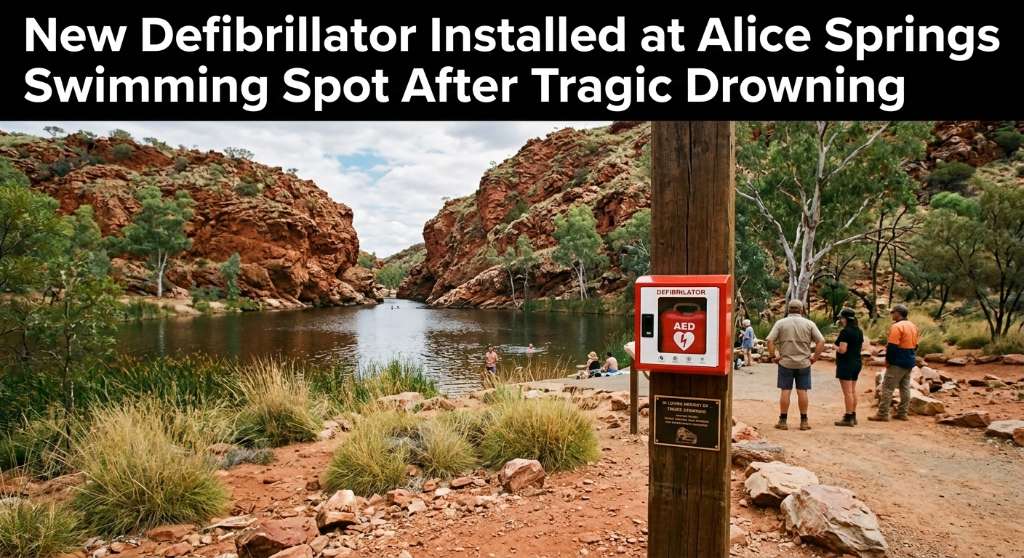
An automated external defibrillator and memorial plaque have been installed at Ellery Creek Big Hole following the death of disability advocate Ellen Fr...
Queensland firefighters spent several hours monitoring a significant grass fire at Mary Kinross Park in Bargara, near Bundaberg, after the blaze broke out on Wednesday evening....