Safety note: Admin approval is an initial review, not a guarantee that every detail is correct. Check important or urgent claims with official sources and report anything inaccurate or unsafe.
Source and credit: Contributor's own report
Energy Queensland worker's death was 'no doubt preventable', coronial inquest told - Cairns, Queensland
Smart summary
A coronial inquest has heard the 2022 workplace death of Energy Queensland worker Jeffrey Ali near Chillagoe was "no doubt preventable", with failures in reversing safety procedures and workplace protocols identified...
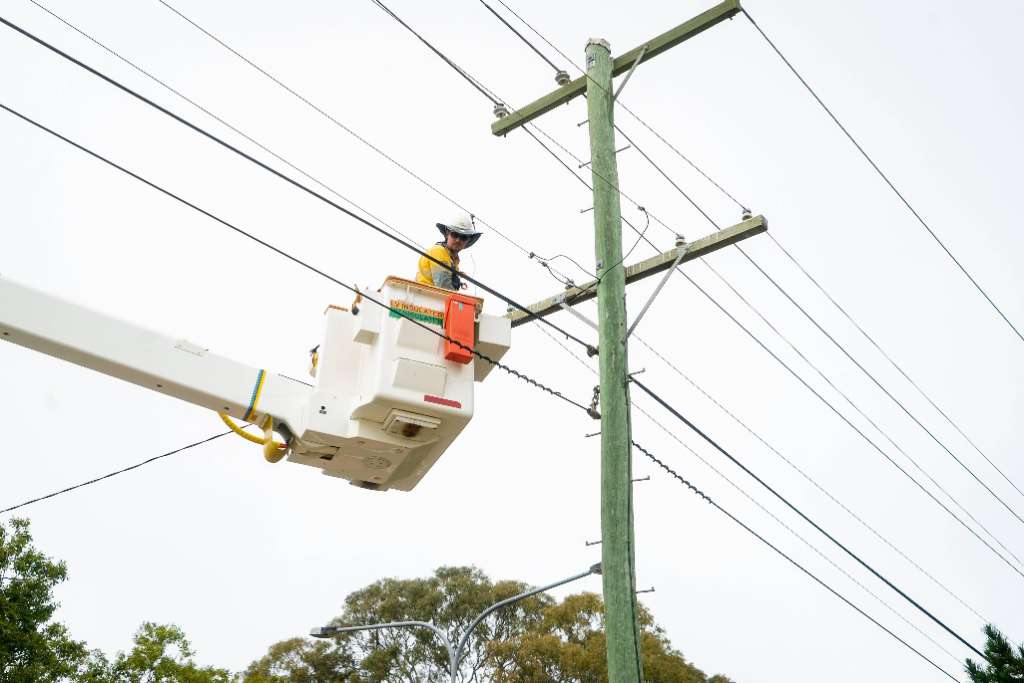
A coronial inquest into the death of Energy Queensland employee Jeffrey Ali has been told the fatal workplace incident that claimed his life in January 2022 could have been prevented if established safety procedures had been followed.
The inquest, being held in the Brisbane Coroners Court, is examining the circumstances surrounding the death of the 50-year-old lineworker, who was struck by a reversing truck while working near Chillagoe in Far North Queensland on 13 January 2022. Counsel assisting the coroner, April Freeman, told the court there was "no doubt" the tragedy was preventable and resulted from failures to properly implement existing safety measures rather than from any systemic deficiency in workplace policies.
The court heard that Mr Ali was standing behind a work truck while speaking on his mobile phone when the vehicle began reversing. The truck, driven by colleague Andrew McCulloch, reportedly travelled approximately 161 metres in reverse without the assistance of a designated spotter. Investigators allege this manoeuvre did not comply with accepted safe work practices for reversing heavy vehicles at worksites.
Evidence presented during the inquest indicated that Mr Ali was distracted by the phone conversation and may not have realised the truck was reversing towards him. The collision proved fatal, devastating his family, friends and work colleagues. Counsel assisting argued that had the reversing procedure been properly managed with an observer or alternative controls, the incident would likely have been avoided.
The court also heard emotional evidence from Mr Ali's widow, Tania Ali, who described the profound impact of her husband's death on the family. She said the tragedy had caused lasting emotional trauma and contributed to the decline in her father-in-law's health, who later passed away while grieving the loss of his son. Her evidence highlighted the enduring effects workplace fatalities have on families long after the incident itself.
Mr McCulloch, the driver of the truck, reportedly expressed deep remorse following the incident. However, the court was told he would not be called to give evidence because of ongoing mental health concerns arising from the fatal accident.
Since Mr Ali's death, Energy Queensland has introduced several changes to strengthen workplace safety. These include prohibiting mobile phone use while workers are operating near moving vehicles, revising reversing procedures, and updating requirements for spotters and vehicle movement protocols. The organisation says the changes are intended to reduce the risk of similar incidents occurring in the future.
The inquest is expected to consider whether additional recommendations should be made to further improve heavy vehicle safety at utility worksites. Coroner Stephanie Williams initiated the inquiry in the public interest despite the family's initial reluctance, noting the importance of identifying lessons that may help prevent future workplace deaths. Formal findings have not yet been handed down.
BeenReversingCourtDeathInquest
A coronial inquest into the death of Energy Queensland employee Jeffrey Ali has been told the fatal workplace incident that claimed his life in January 2022 could have been prevented if established safety procedures had been followed.
The inquest, being held in the Brisbane Coroners Court, is examining the circumstances surrounding the death of the 50-year-old lineworker, who was struck by a reversing truck while working near Chillagoe in Far North Queensland on 13 January 2022. Counsel assisting the coroner, April Freeman, told the court there was "no doubt" the tragedy was preventable and resulted from failures to properly implement existing safety measures rather than from any systemic deficiency in workplace policies.
The court heard that Mr Ali was standing behind a work truck while speaking on his mobile phone when the vehicle began reversing. The truck, driven by colleague Andrew McCulloch, reportedly travelled approximately 161 metres in reverse without the assistance of a designated spotter. Investigators allege this manoeuvre did not comply with accepted safe work practices for reversing heavy vehicles at worksites.
Evidence presented during the inquest indicated that Mr Ali was distracted by the phone conversation and may not have realised the truck was reversing towards him. The collision proved fatal, devastating his family, friends and work colleagues. Counsel assisting argued that had the reversing procedure been properly managed with an observer or alternative controls, the incident would likely have been avoided.
The court also heard emotional evidence from Mr Ali's widow, Tania Ali, who described the profound impact of her husband's death on the family. She said the tragedy had caused lasting emotional trauma and contributed to the decline in her father-in-law's health, who later passed away while grieving the loss of his son. Her evidence highlighted the enduring effects workplace fatalities have on families long after the incident itself.
Mr McCulloch, the driver of the truck, reportedly expressed deep remorse following the incident. However, the court was told he would not be called to give evidence because of ongoing mental health concerns arising from the fatal accident.
Since Mr Ali's death, Energy Queensland has introduced several changes to strengthen workplace safety. These include prohibiting mobile phone use while workers are operating near moving vehicles, revising reversing procedures, and updating requirements for spotters and vehicle movement protocols. The organisation says the changes are intended to reduce the risk of similar incidents occurring in the future.
The inquest is expected to consider whether additional recommendations should be made to further improve heavy vehicle safety at utility worksites. Coroner Stephanie Williams initiated the inquiry in the public interest despite the family's initial reluctance, noting the importance of identifying lessons that may help prevent future workplace deaths. Formal findings have not yet been handed down.
A Chinese private processor has purchased 68,000 tonnes of new-season Australian canola for shipment in March, marking the first known private-sector pu...
Darwin Northern Territory · Other News · 01 Sep 2026
A scenic hike through Butterfly Gorge in the Northern Territory turned into a frightening experience when a buffalo charged at two hikers. ABC Darwin reported the story today, 1...
Coffs Harbour New South Wales · Other News · 01 Sep 2026
A Safe Work NSW inspection blitz across the Coffs Harbour region has uncovered dozens of workplace-safety issues in the horticulture industry. The operation followed concerns ab...
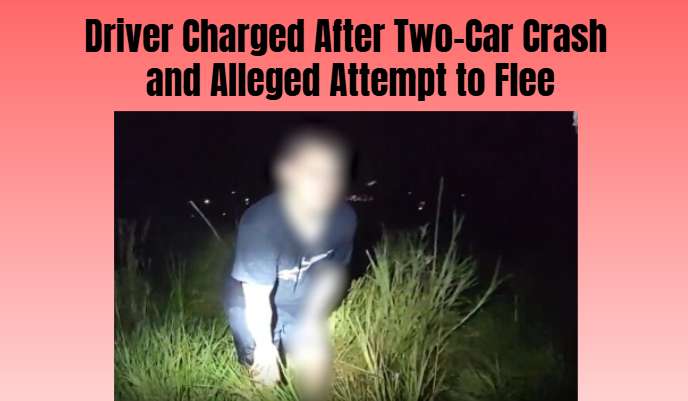
A 22-year-old Elimbah man has been charged after a two-car crash at Baringa on the Sunshine Coast, with police alleging he fled into nearby bushland bef...
A 34-year-old man has been charged after police allege a worker was threatened with a knife during an overnight robbery at a fast-food restaurant in Spr...
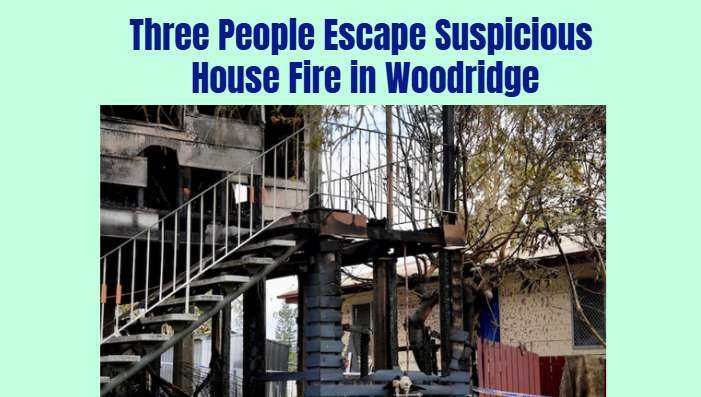
A two-storey home in Woodridge, south of Brisbane, has been extensively damaged by fire, with police declaring a crime scene after three people escaped...
A 22-year-old Elimbah man has been charged after a two-car crash at Baringa on the Sunshine Coast, with police alleging he fled into nearby bushland bef...
A new proposal for factory-built ecohomes in Orange aims to speed up construction while reducing household energy costs as local property prices remain...
Geelong's historic Botanic Gardens are preparing for their 175th anniversary, with volunteers and horticultural staff working to preserve a living colle...