Far North Queensland footballers chasing AFL dreams despite lack of elite pathway
By Neha Maurya · Published 03 Jul 2026 · Updated 03 Jul 2026
Cairns, Queensland · Queensland News
Safety note: Admin approval is an initial review, not a guarantee that every detail is correct. Check important or urgent claims with official sources and report anything inaccurate or unsafe.
Source and credit: Contributor's own report
Far North Queensland footballers chasing AFL dreams despite lack of elite pathway - Cairns, Queensland
Smart summary
Young footballers in Far North Queensland continue producing AFL-calibre talent, but coaches and administrators say the region remains disadvantaged by the absence of an elite-level representative team, forcing many p...
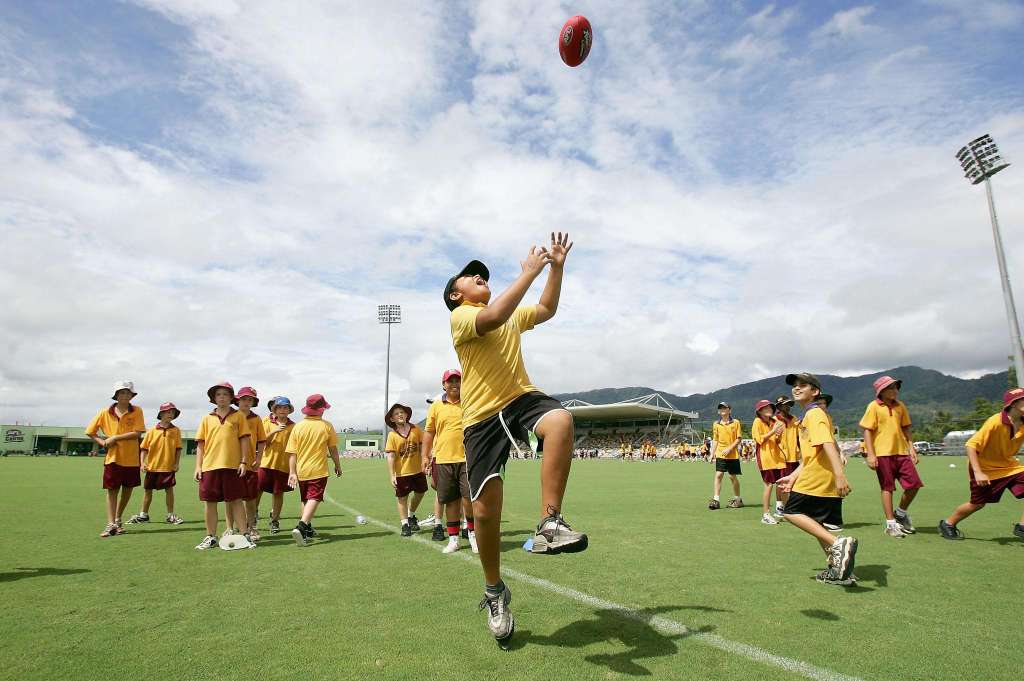
Far North Queensland has developed a reputation for producing talented Australian rules footballers despite rugby league traditionally dominating the sporting landscape. However, coaches, players and football administrators say the region's next generation of AFL prospects continues to face significant barriers because there is no elite representative program capable of consistently exposing local talent to national recruiters.
Several emerging players from Cairns and surrounding communities have attracted interest from AFL clubs in recent years, demonstrating that the region possesses the talent needed to compete at the highest level. Despite this success, aspiring footballers often need to leave home at a young age and move to south-east Queensland or Victoria to access stronger competitions, specialist coaching and greater exposure to recruiters. Those who remain in Far North Queensland can find it much more difficult to be regularly assessed by AFL talent scouts.
Local coaches argue the biggest challenge is the lack of an elite representative side similar to those operating in Queensland's south-east. Such programs provide talented teenagers with opportunities to compete against the nation's best junior footballers, receive high-performance coaching and participate in competitions regularly attended by AFL recruiters. Without that pathway, Far North Queensland players must rely on occasional talent camps or individual invitations to showcase their abilities.
Administrators believe the region has consistently demonstrated its ability to produce elite athletes. They point to former AFL players who began their football journeys in Far North Queensland and say stronger investment could significantly increase the number of local players progressing to the national competition. They argue that improving pathways would also encourage more children to participate in Australian rules football across the region.
Families also face considerable financial pressures. Travelling long distances for representative matches, talent identification camps and elite competitions often requires significant spending on transport, accommodation and time away from work or school. For many regional families, those costs create another obstacle to pursuing professional sporting opportunities. Coaches say a locally based elite program would reduce these financial burdens while allowing players to continue living with their families during important stages of their development.
Supporters of a dedicated Far North Queensland pathway believe the region's population growth and improving football participation justify greater investment from the AFL and AFL Queensland. They say establishing a recognised high-performance academy or representative team would help ensure talented players are identified earlier and receive the same development opportunities as their counterparts in larger metropolitan areas.
Despite the challenges, local clubs remain optimistic. Coaches say the passion for Australian rules football continues to grow across Cairns and surrounding communities, with increasing participation among juniors providing hope that more elite players will emerge in coming years. They believe the talent already exists—the challenge is ensuring those athletes have an accessible pathway to reach the AFL without having to leave the region prematurely.
Football leaders hope the discussion will encourage further collaboration between AFL Queensland, local clubs and the national competition to strengthen regional talent pathways. They argue that giving Far North Queensland's best young footballers equal opportunities would not only benefit individual athletes but also broaden the AFL's talent pool and further expand the game's presence across northern Australia.
QueenslandPlayersTalentEliteNorth
Far North Queensland has developed a reputation for producing talented Australian rules footballers despite rugby league traditionally dominating the sporting landscape. However, coaches, players and football administrators say the region's next generation of AFL prospects continues to face significant barriers because there is no elite representative program capable of consistently exposing local talent to national recruiters.
Several emerging players from Cairns and surrounding communities have attracted interest from AFL clubs in recent years, demonstrating that the region possesses the talent needed to compete at the highest level. Despite this success, aspiring footballers often need to leave home at a young age and move to south-east Queensland or Victoria to access stronger competitions, specialist coaching and greater exposure to recruiters. Those who remain in Far North Queensland can find it much more difficult to be regularly assessed by AFL talent scouts.
Local coaches argue the biggest challenge is the lack of an elite representative side similar to those operating in Queensland's south-east. Such programs provide talented teenagers with opportunities to compete against the nation's best junior footballers, receive high-performance coaching and participate in competitions regularly attended by AFL recruiters. Without that pathway, Far North Queensland players must rely on occasional talent camps or individual invitations to showcase their abilities.
Administrators believe the region has consistently demonstrated its ability to produce elite athletes. They point to former AFL players who began their football journeys in Far North Queensland and say stronger investment could significantly increase the number of local players progressing to the national competition. They argue that improving pathways would also encourage more children to participate in Australian rules football across the region.
Families also face considerable financial pressures. Travelling long distances for representative matches, talent identification camps and elite competitions often requires significant spending on transport, accommodation and time away from work or school. For many regional families, those costs create another obstacle to pursuing professional sporting opportunities. Coaches say a locally based elite program would reduce these financial burdens while allowing players to continue living with their families during important stages of their development.
Supporters of a dedicated Far North Queensland pathway believe the region's population growth and improving football participation justify greater investment from the AFL and AFL Queensland. They say establishing a recognised high-performance academy or representative team would help ensure talented players are identified earlier and receive the same development opportunities as their counterparts in larger metropolitan areas.
Despite the challenges, local clubs remain optimistic. Coaches say the passion for Australian rules football continues to grow across Cairns and surrounding communities, with increasing participation among juniors providing hope that more elite players will emerge in coming years. They believe the talent already exists—the challenge is ensuring those athletes have an accessible pathway to reach the AFL without having to leave the region prematurely.
Football leaders hope the discussion will encourage further collaboration between AFL Queensland, local clubs and the national competition to strengthen regional talent pathways. They argue that giving Far North Queensland's best young footballers equal opportunities would not only benefit individual athletes but also broaden the AFL's talent pool and further expand the game's presence across northern Australia.
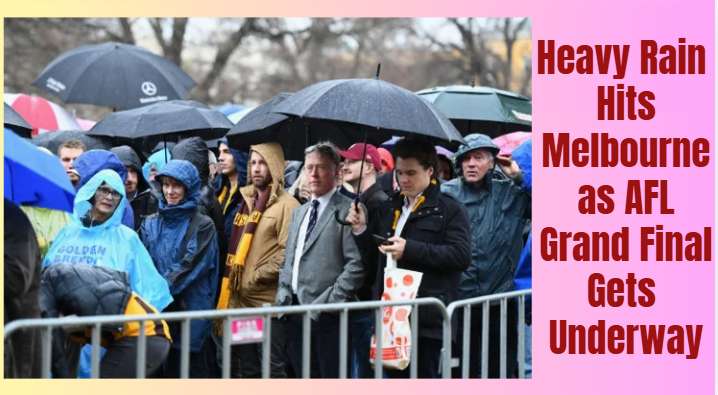
Wet conditions at the Melbourne Cricket Ground are creating difficult conditions for the AFL Grand Final, while poor weather has also disrupted flights...
Australian cyclist Sarah Gigante is back racing internationally after more than a year away from competition and will lead a four-rider Australian team...
A Queensland government audit has identified gaps in record-keeping around social housing applications cancelled because applicants could not be contact...
BESIX Watpac and John Holland have been selected as the sole finalist to progress contract negotiations for Brisbane’s planned 63,000-seat Victoria Park...
Gold Coast Mayor Tom Tate has renewed his proposal for a separate daylight-saving arrangement in southeast Queensland as daylight saving begins in sever...
Authorities have crushed 23 confiscated electric bikes in Blacktown under new laws targeting non-compliant e-bikes, following a joint enforcement operat...
Thousands of Victorian doctors and allied health professionals have begun industrial action over stalled negotiations on pay and working conditions, wit...