Former Adelaide Prison Worker Jailed for Nine Years for Raping Inmate
By Chloe · Published 25 Nov 2026 · Updated 25 Nov 2026
Adelaide, SA · South Australia News
Safety note: Admin approval is an initial review, not a guarantee that every detail is correct. Check important or urgent claims with official sources and report anything inaccurate or unsafe.
Source and credit: Contributor's own report
Former Adelaide Prison Worker Jailed for Nine Years for Raping Inmate - Adelaide, SA
Smart summary
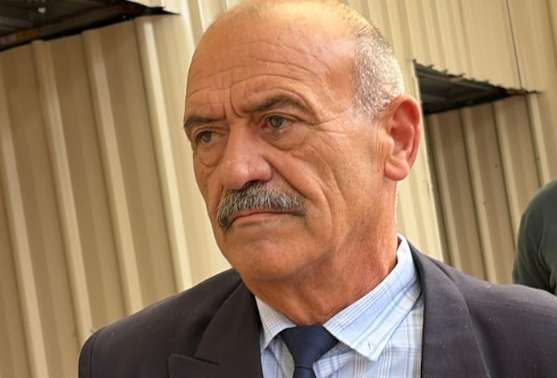
Enio Screpanti, a former prison worker, has been sentenced to nine years in jail after being convicted of sexually assaulting and raping a female prisoner in South Australia.
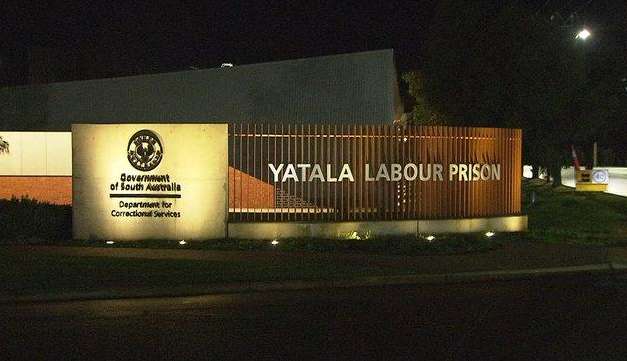
A former prison worker in Adelaide has been sentenced to nine years in prison after being convicted of raping and sexually assaulting a female inmate while working inside a correctional facility.
The offender, Enio Screpanti, aged 68, was sentenced in South Australia's District Court on Wednesday, November 25, 2026. The sentencing followed his conviction by a 12-person jury in August, which unanimously found him guilty of rape and aggravated indecent assault.
The offences occurred during the early 2020s while Screpanti occupied a position of authority within the prison environment.
During the trial, jurors heard evidence that the former prison worker sexually assaulted the woman in the prison gym before raping her several months later. The court heard that he had asked her to come to a shed under the pretext that they needed to complete a work-related task.
The victim told the court that she felt intimidated and frightened because of Screpanti's position and the isolated environment in which she was placed. She described experiencing pain, distress and humiliation during the assaults.
Judge Anne Barnett said the offender had exploited his position of authority and trust for his own sexual gratification. The judge also highlighted the substantial and long-lasting impact the offences had on the victim's wellbeing.
The court heard that Screpanti continued to maintain his innocence. During the sentencing proceedings, he reportedly shook his head while the victim's impact statement was being read.
The judge observed that he demonstrated very little understanding of the harm caused by his actions.
The case also involved evidence from another prisoner, convicted murderer Nicole McGuinness, who provided testimony about other alleged incidents. The court considered this evidence when examining the circumstances surrounding the offending and the level of control exercised over the victim.
Screpanti's bail was revoked following the jury's guilty verdict in August, and he has remained in custody.
His nine-year sentence means he must serve five years and nine months before becoming eligible to apply for parole. Eligibility does not guarantee release, as any application will be subject to the relevant parole authority's assessment.
The case has raised serious concerns about the protection of vulnerable prisoners and the responsibilities of people employed inside correctional facilities.
Prison workers are entrusted with maintaining safety, security and appropriate professional boundaries. The conviction demonstrates the seriousness of abusing authority over people who are dependent on correctional staff for their daily safety and wellbeing.
The sentencing brings an important stage of the criminal proceedings to a close while highlighting the need for accountability and safeguards within Australia's prison system.
PrisonCourtScrepantiAuthorityDuring
A former prison worker in Adelaide has been sentenced to nine years in prison after being convicted of raping and sexually assaulting a female inmate while working inside a correctional facility.
The offender, Enio Screpanti, aged 68, was sentenced in South Australia's District Court on Wednesday, November 25, 2026. The sentencing followed his conviction by a 12-person jury in August, which unanimously found him guilty of rape and aggravated indecent assault.
The offences occurred during the early 2020s while Screpanti occupied a position of authority within the prison environment.
During the trial, jurors heard evidence that the former prison worker sexually assaulted the woman in the prison gym before raping her several months later. The court heard that he had asked her to come to a shed under the pretext that they needed to complete a work-related task.
The victim told the court that she felt intimidated and frightened because of Screpanti's position and the isolated environment in which she was placed. She described experiencing pain, distress and humiliation during the assaults.
Judge Anne Barnett said the offender had exploited his position of authority and trust for his own sexual gratification. The judge also highlighted the substantial and long-lasting impact the offences had on the victim's wellbeing.
The court heard that Screpanti continued to maintain his innocence. During the sentencing proceedings, he reportedly shook his head while the victim's impact statement was being read.
The judge observed that he demonstrated very little understanding of the harm caused by his actions.
The case also involved evidence from another prisoner, convicted murderer Nicole McGuinness, who provided testimony about other alleged incidents. The court considered this evidence when examining the circumstances surrounding the offending and the level of control exercised over the victim.
Screpanti's bail was revoked following the jury's guilty verdict in August, and he has remained in custody.
His nine-year sentence means he must serve five years and nine months before becoming eligible to apply for parole. Eligibility does not guarantee release, as any application will be subject to the relevant parole authority's assessment.
The case has raised serious concerns about the protection of vulnerable prisoners and the responsibilities of people employed inside correctional facilities.
Prison workers are entrusted with maintaining safety, security and appropriate professional boundaries. The conviction demonstrates the seriousness of abusing authority over people who are dependent on correctional staff for their daily safety and wellbeing.
The sentencing brings an important stage of the criminal proceedings to a close while highlighting the need for accountability and safeguards within Australia's prison system.
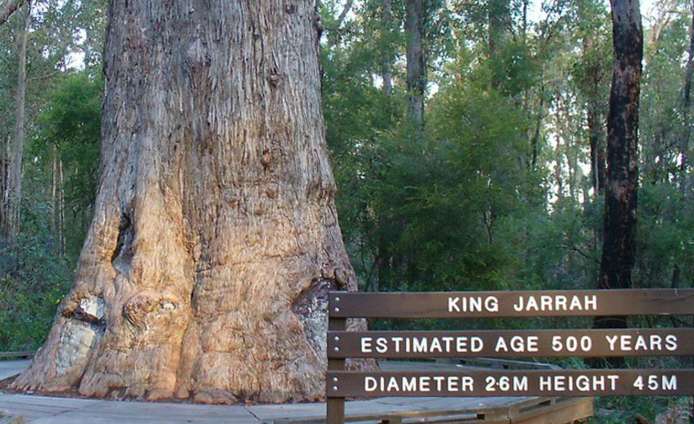
A landmark jarrah tree in Wellington National Park has been cut with a chainsaw near its base, prompting a police investigation and fears that the ancie...
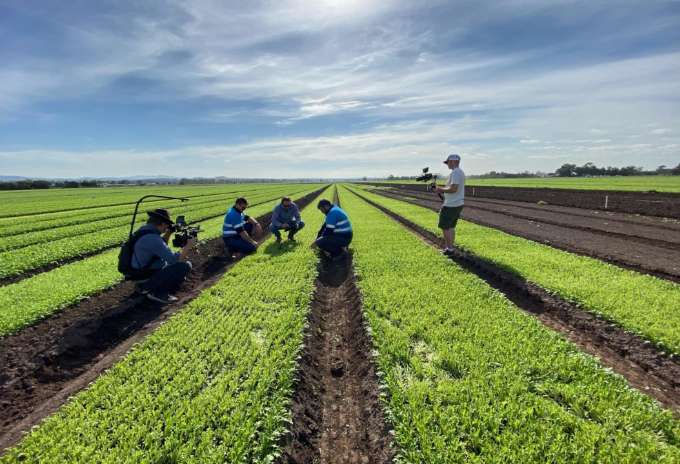
Victoria's Labour Hire Authority has uncovered alleged worker exploitation on three farms near Bairnsdale, with workers reportedly receiving up to 35 pe...
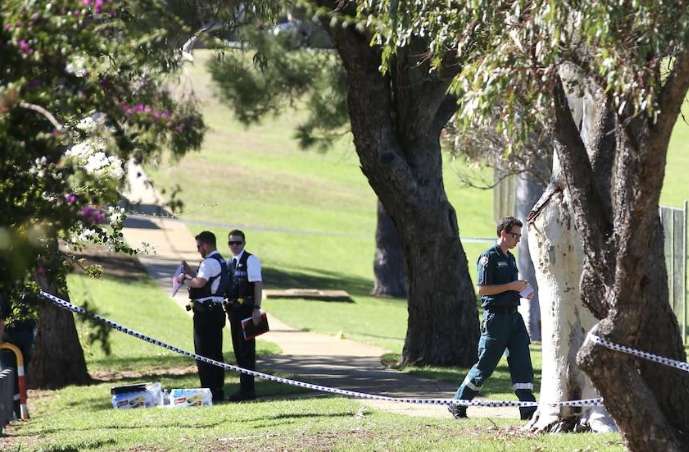
Western Australian police are investigating the death of a Perth father who died in hospital following an alleged assault at a playground earlier this m...
A new specialist police team based in Rockhampton will target serious organised crime, drug trafficking and money laundering across Mackay, Gladstone an...
A South Australian parole review has upheld the decision to release convicted murderer Alistair Mac Rae, despite an appeal by the state's Attorney-Genera...
South Australia's health department has denied deliberately timing two potentially embarrassing media statements to reduce public scrutiny during a majo...
A police recording has revealed an emotional conversation involving a woman who murdered her elderly father, as details of the investigation and subsequ...
South Australian police have arrested a man and a woman after allegedly discovering 910 alkaloid poppy plants growing at a residential property in Brahm...
Renewable energy company Vestas has removed a 120-metre wind-monitoring tower from a proposed wind farm site on the Western Downs after local pilots rep...
Tasmania's government expects to continue building the Macquarie Point stadium even if it cannot secure additional money from the federal government or...
A landmark jarrah tree in Wellington National Park has been cut with a chainsaw near its base, prompting a police investigation and fears that the ancie...
Victoria's Labour Hire Authority has uncovered alleged worker exploitation on three farms near Bairnsdale, with workers reportedly receiving up to 35 pe...