Safety note: Admin approval is an initial review, not a guarantee that every detail is correct. Check important or urgent claims with official sources and report anything inaccurate or unsafe.
Source and credit: Contributor's own report
Fremantle residents rally to save century-old Norfolk Island pines from removal - Fremantle, WA
Smart summary
Residents in South Fremantle are opposing plans to remove two century-old Norfolk Island pine trees as part of a pedestrian crossing upgrade, arguing the historic trees should be preserved while improving road safety.
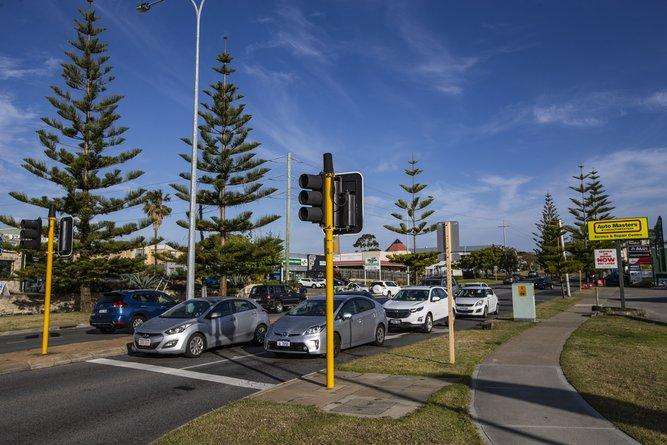
A proposal to improve pedestrian safety in South Fremantle has sparked a passionate community campaign, with residents fighting to save two iconic Norfolk Island pine trees that have stood along South Terrace for more than a century.
The trees are slated for removal as part of a planned redesign of the busy Douro Road–South Terrace intersection. The City of Fremantle is seeking to improve pedestrian safety at the location by installing a new raised pedestrian crossing, commonly known as a wombat crossing, after years of complaints from locals about dangerous traffic conditions and several reported near misses.
However, the proposed design has drawn strong opposition from many residents, who believe the century-old pines are an important part of Fremantle's heritage and identity. They argue the trees should not be sacrificed and are urging authorities to investigate alternative engineering solutions that would improve pedestrian safety without removing mature vegetation.
One of the campaign's leading voices, Hayley Parker O'Toole, said the issue goes beyond preserving a pair of trees. She described them as living links to Fremantle's history and highlighted her family's long-standing connection to tree planting across Western Australia. According to Parker O'Toole, the pines contribute significantly to the area's unique streetscape and coastal character, making their removal unacceptable if other design options exist.
Supporters of the crossing project acknowledge the historical value of the trees but say pedestrian safety must remain the highest priority. The intersection connects South Beach, Wilson Park, nearby cafés and residential neighbourhoods, attracting large numbers of pedestrians throughout the year. Community members have repeatedly raised concerns about people, including children and elderly residents, struggling to cross safely amid heavy traffic.
Engineering assessments presented to the council indicate that the trees and surrounding vegetation reduce sightlines for motorists approaching the proposed crossing. As a result, planners have recommended removing or substantially trimming vegetation to meet road safety requirements and ensure adequate visibility between pedestrians and drivers.
The debate has highlighted the broader challenge faced by many growing cities: balancing the protection of mature urban trees with the need to improve transport infrastructure and pedestrian safety. Heritage advocates argue that established trees provide shade, environmental benefits and cultural value that cannot easily be replaced, while traffic engineers emphasise that visibility standards are essential for preventing serious crashes.
The City of Fremantle is continuing public consultation on the project, with community feedback expected to inform the final design. Residents on both sides of the debate are encouraging authorities to pursue a solution that improves safety while preserving as much of the area's historic landscape as possible.
The outcome will determine not only the future of the two Norfolk Island pines but could also influence how similar heritage-versus-safety decisions are managed across Western Australia as councils modernise transport infrastructure in established suburbs.
TreesSafetyFremantlePedestrianResidents
A proposal to improve pedestrian safety in South Fremantle has sparked a passionate community campaign, with residents fighting to save two iconic Norfolk Island pine trees that have stood along South Terrace for more than a century.
The trees are slated for removal as part of a planned redesign of the busy Douro Road–South Terrace intersection. The City of Fremantle is seeking to improve pedestrian safety at the location by installing a new raised pedestrian crossing, commonly known as a wombat crossing, after years of complaints from locals about dangerous traffic conditions and several reported near misses.
However, the proposed design has drawn strong opposition from many residents, who believe the century-old pines are an important part of Fremantle's heritage and identity. They argue the trees should not be sacrificed and are urging authorities to investigate alternative engineering solutions that would improve pedestrian safety without removing mature vegetation.
One of the campaign's leading voices, Hayley Parker O'Toole, said the issue goes beyond preserving a pair of trees. She described them as living links to Fremantle's history and highlighted her family's long-standing connection to tree planting across Western Australia. According to Parker O'Toole, the pines contribute significantly to the area's unique streetscape and coastal character, making their removal unacceptable if other design options exist.
Supporters of the crossing project acknowledge the historical value of the trees but say pedestrian safety must remain the highest priority. The intersection connects South Beach, Wilson Park, nearby cafés and residential neighbourhoods, attracting large numbers of pedestrians throughout the year. Community members have repeatedly raised concerns about people, including children and elderly residents, struggling to cross safely amid heavy traffic.
Engineering assessments presented to the council indicate that the trees and surrounding vegetation reduce sightlines for motorists approaching the proposed crossing. As a result, planners have recommended removing or substantially trimming vegetation to meet road safety requirements and ensure adequate visibility between pedestrians and drivers.
The debate has highlighted the broader challenge faced by many growing cities: balancing the protection of mature urban trees with the need to improve transport infrastructure and pedestrian safety. Heritage advocates argue that established trees provide shade, environmental benefits and cultural value that cannot easily be replaced, while traffic engineers emphasise that visibility standards are essential for preventing serious crashes.
The City of Fremantle is continuing public consultation on the project, with community feedback expected to inform the final design. Residents on both sides of the debate are encouraging authorities to pursue a solution that improves safety while preserving as much of the area's historic landscape as possible.
The outcome will determine not only the future of the two Norfolk Island pines but could also influence how similar heritage-versus-safety decisions are managed across Western Australia as councils modernise transport infrastructure in established suburbs.
Armidale Regional Council will replace an ageing cast-iron water main in Ampol and Miller Streets with a modern system, with construction scheduled to b...
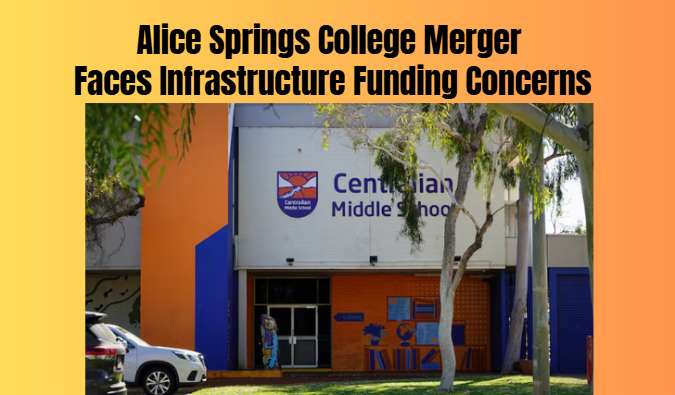
Community and education representatives have raised concerns that the initial $500,000 allocation may not cover the infrastructure upgrades needed for t...
Four public swimming pools across the Central Darling Shire are being opened for unsupervised access this season, with residents required to complete sa...
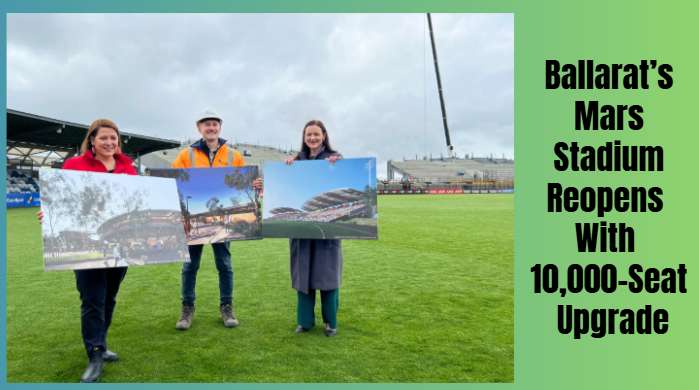
Ballarat’s redeveloped Mars Stadium has unveiled its expanded seating capacity and upgraded facilities ahead of the return of major AFLW events to the r...
A 59-year-old rubbish-truck driver has been charged with dangerous driving causing death after a 70-year-old man was fatally struck in Queens Park earli...
Police have arrested five people after a man was taken to hospital with a gunshot wound following a serious incident at Moonyoonooka, east of Geraldton,...
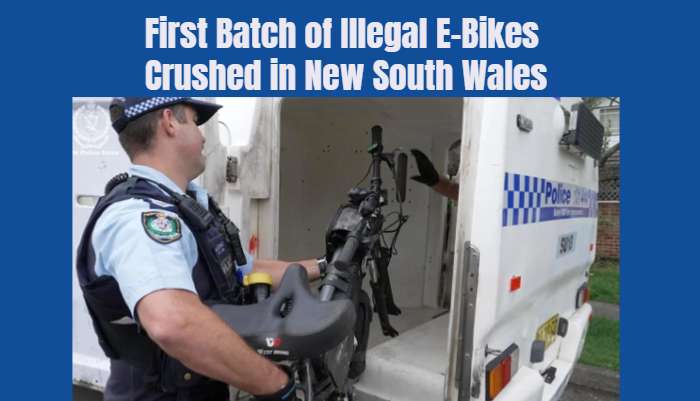
Authorities have crushed 23 confiscated electric bikes in Blacktown under new laws targeting non-compliant e-bikes, following a joint enforcement operat...
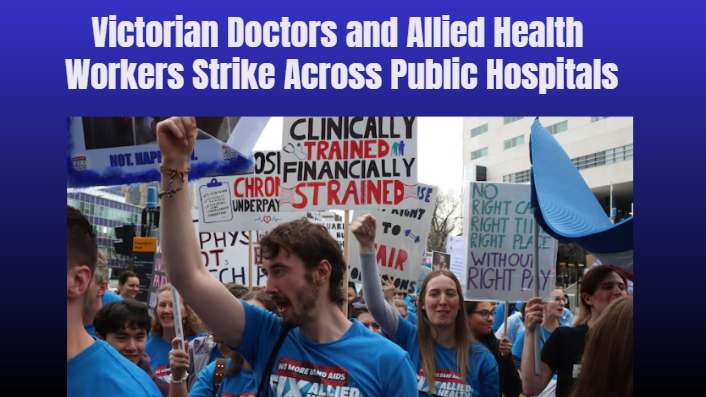
Thousands of Victorian doctors and allied health professionals have begun industrial action over stalled negotiations on pay and working conditions, wit...