Safety note: Admin approval is an initial review, not a guarantee that every detail is correct. Check important or urgent claims with official sources and report anything inaccurate or unsafe.
Source and credit: Contributor's own report
Fremantle Sets New Container Rail Freight Record - Fremantle, WA
Smart summary
More than 240,000 containers were moved by rail through Fremantle’s Inner Harbour over the past year, marking a record share of container freight transported by rail.
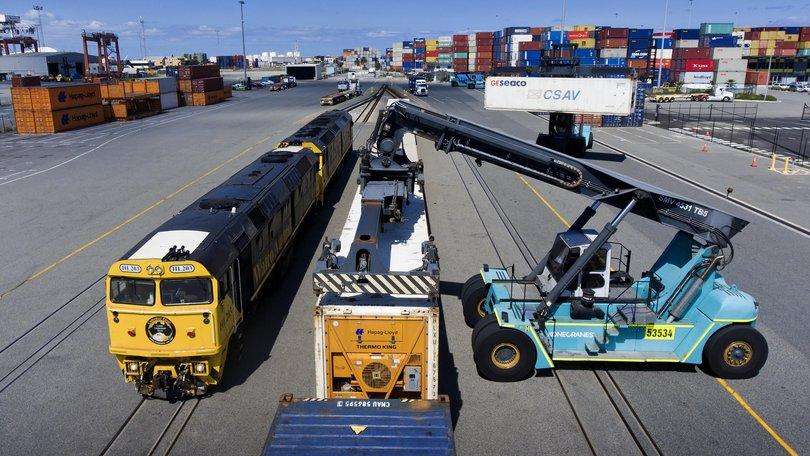
Western Australia has recorded a new milestone for container freight transported by rail through Fremantle’s Inner Harbour, with more than 240,000 containers moved by rail during the latest period. The record highlights the growing role of rail in moving freight to and from Fremantle Port.
The increase is significant for Fremantle because the port is one of Western Australia’s most important freight hubs. Large volumes of imported and exported goods pass through the port every year, requiring an efficient transport network to move containers between the harbour, distribution centres and businesses across the metropolitan area.
Moving containers by rail can reduce the number of heavy trucks required on metropolitan roads. This can help ease pressure on busy roads, reduce congestion and potentially improve freight efficiency. For a densely developed area such as Fremantle, finding ways to manage increasing freight demand is particularly important.
The latest record comes as Western Australia continues to experience growth in freight activity. Population growth, business expansion and increasing trade volumes are expected to place additional demands on the state's transport infrastructure.
Rail provides an important alternative to road transport because a single freight train can move a large number of containers in one journey. Increasing the proportion of containers transported by rail can therefore help make better use of existing transport infrastructure while reducing the number of individual truck movements required.
The result is also relevant to discussions about the future of Fremantle Port and the state's broader freight network. As container volumes increase, authorities and industry need to consider how additional freight can be moved efficiently without creating unacceptable congestion in surrounding communities.
Fremantle's location within an established urban area creates particular challenges. Freight vehicles must share roads with commuters, pedestrians and local traffic, while rail infrastructure also operates through developed parts of the metropolitan area.
The record rail result demonstrates that existing rail infrastructure is already capable of handling substantial freight volumes. Industry representatives are likely to see further opportunities to increase rail's share as container trade grows.
For businesses, efficient freight transport can also have economic benefits. Faster and more reliable movement of containers can improve supply-chain performance and help businesses manage inventories, deliveries and exports more effectively.
For local residents, greater use of rail could potentially reduce some pressure associated with heavy freight vehicles on roads around Fremantle and connecting suburbs. However, continued investment and careful planning will be required as freight volumes increase.
The latest figures therefore represent more than a single transport milestone. They indicate a continuing shift towards greater use of rail for container movements through Fremantle and highlight the importance of maintaining reliable rail connections to one of Western Australia's key ports.
FreightRailFremantleContainersTransport
Western Australia has recorded a new milestone for container freight transported by rail through Fremantle’s Inner Harbour, with more than 240,000 containers moved by rail during the latest period. The record highlights the growing role of rail in moving freight to and from Fremantle Port.
The increase is significant for Fremantle because the port is one of Western Australia’s most important freight hubs. Large volumes of imported and exported goods pass through the port every year, requiring an efficient transport network to move containers between the harbour, distribution centres and businesses across the metropolitan area.
Moving containers by rail can reduce the number of heavy trucks required on metropolitan roads. This can help ease pressure on busy roads, reduce congestion and potentially improve freight efficiency. For a densely developed area such as Fremantle, finding ways to manage increasing freight demand is particularly important.
The latest record comes as Western Australia continues to experience growth in freight activity. Population growth, business expansion and increasing trade volumes are expected to place additional demands on the state's transport infrastructure.
Rail provides an important alternative to road transport because a single freight train can move a large number of containers in one journey. Increasing the proportion of containers transported by rail can therefore help make better use of existing transport infrastructure while reducing the number of individual truck movements required.
The result is also relevant to discussions about the future of Fremantle Port and the state's broader freight network. As container volumes increase, authorities and industry need to consider how additional freight can be moved efficiently without creating unacceptable congestion in surrounding communities.
Fremantle's location within an established urban area creates particular challenges. Freight vehicles must share roads with commuters, pedestrians and local traffic, while rail infrastructure also operates through developed parts of the metropolitan area.
The record rail result demonstrates that existing rail infrastructure is already capable of handling substantial freight volumes. Industry representatives are likely to see further opportunities to increase rail's share as container trade grows.
For businesses, efficient freight transport can also have economic benefits. Faster and more reliable movement of containers can improve supply-chain performance and help businesses manage inventories, deliveries and exports more effectively.
For local residents, greater use of rail could potentially reduce some pressure associated with heavy freight vehicles on roads around Fremantle and connecting suburbs. However, continued investment and careful planning will be required as freight volumes increase.
The latest figures therefore represent more than a single transport milestone. They indicate a continuing shift towards greater use of rail for container movements through Fremantle and highlight the importance of maintaining reliable rail connections to one of Western Australia's key ports.
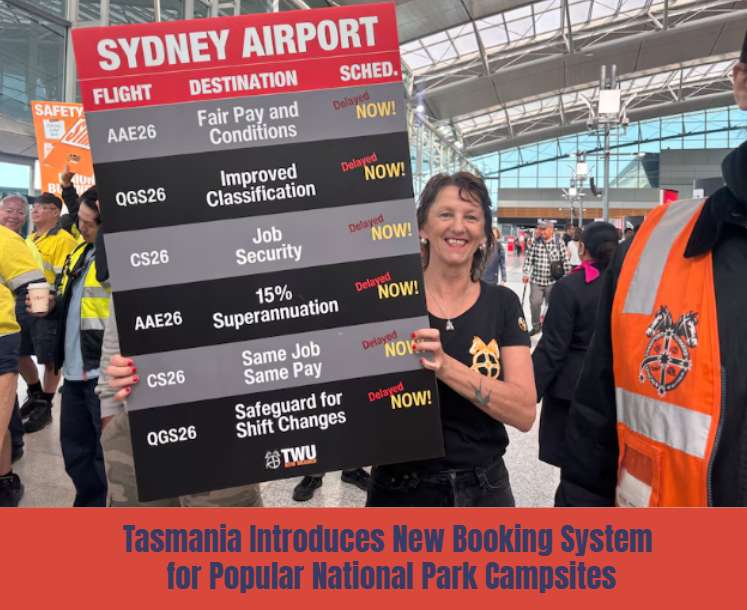
Passengers travelling through Sydney Airport on September 24 are being warned to allow extra time as separate strikes involving airport security and gro...
A British traveller was left behind at a remote South Australian roadside stop after her Greyhound bus departed during a scheduled overnight break near...
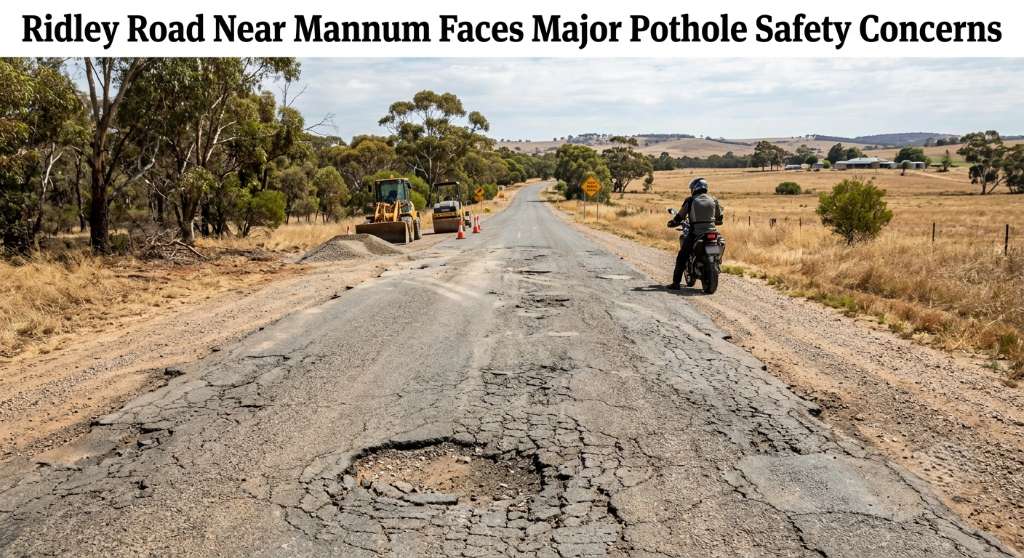
A badly deteriorated section of Ridley Road between Mannum and Cambrai has raised serious safety concerns, with South Australian authorities acknowledgi...
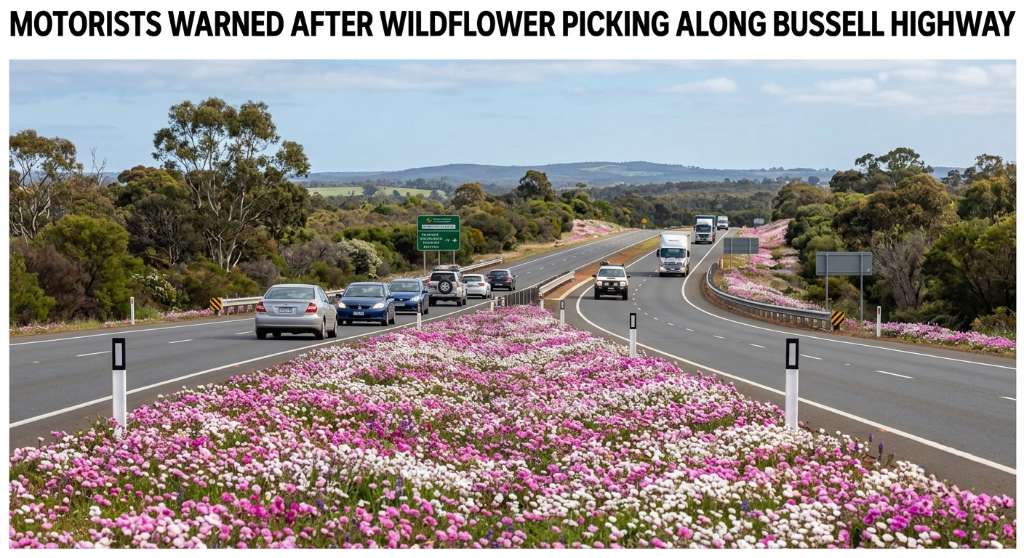
Drivers stopping to pick or photograph colourful everlasting wildflowers along Western Australia’s Bussell Highway are being warned about serious road-s...
Three separate earthquakes were recorded near Port Hedland in Western Australia over the weekend, with more than 100 reports submitted to Geoscience Aus...
A growing number of young Australians are taking up birdwatching, bringing fresh interest to the Broome Bird Observatory and the migratory shorebirds of...
A 63-year-old swimmer died after a shark attack at Sorrento Beach on Friday, with authorities keeping beaches across Perth’s northern suburbs closed on...
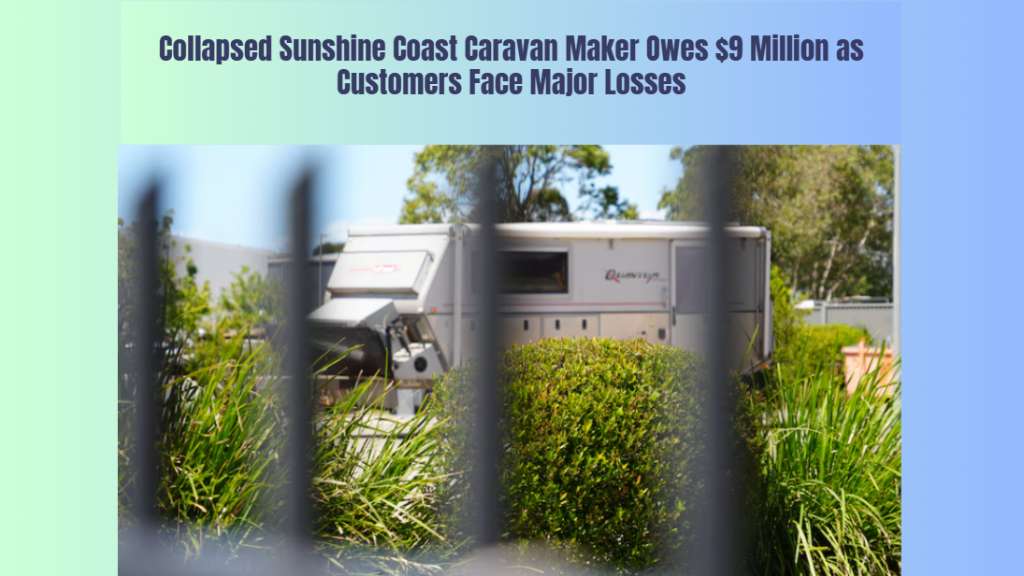
Administrators have revealed Australian Off Road owes about $9 million after the Sunshine Coast caravan manufacturer collapsed, leaving customers, emplo...
A woman has died following a serious three-vehicle collision involving a commercial bus and two cars in Glenburn, in Victoria’s Yarra Ranges, on Thursday, 24 September 2026. Eme...
A woman has died following a serious three-car collision in Leongatha, Victoria, on Wednesday afternoon, 23 September 2026. Emergency services were called to the Strzelecki High...
A Queensland parliamentary committee has completed regional hearings on proposed tougher bail laws, hearing from crime victims, legal experts and commun...