Safety note: Admin approval is an initial review, not a guarantee that every detail is correct. Check important or urgent claims with official sources and report anything inaccurate or unsafe.
Source and credit: Contributor's own report
Geelong’s Growth Accelerates as Leaders Push for Long-Term Vision - Geelong, VIC
Smart summary
Committee for Geelong’s new interim CEO says major projects, investment and long-term planning will be critical as the region continues to expand.
Geelong is entering another period of significant growth, with regional leaders calling for long-term planning and continued investment to ensure the city's expansion delivers lasting benefits for the wider community.
Kate Coghlan, the new interim chief executive of Committee for Geelong, has outlined a vision focused on ensuring the region grows well rather than simply growing quickly. She has taken on the leadership role at a time when the organisation is beginning to refresh its strategic roadmap for the next four years.
Coghlan is familiar with Geelong's regional development and advocacy sector, having previously spent four years working with the G21 Geelong Region Alliance. Her experience in regional advocacy comes as Committee for Geelong considers how it can contribute to the city's future development and bring leaders together around major priorities.
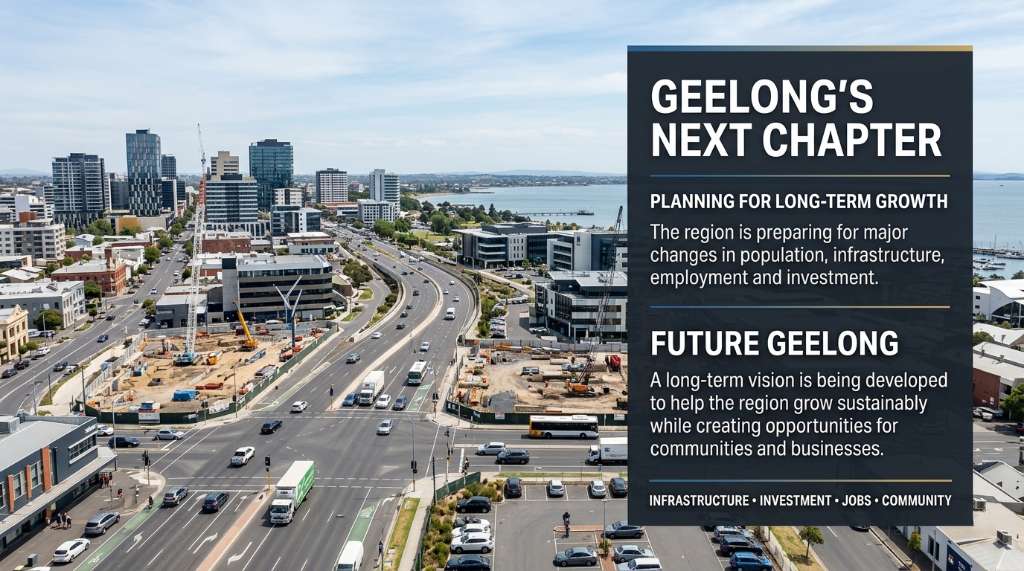
A central part of the organisation's work will be its Future Geelong project, which considers what the region could look like as its population approaches one million residents. The project examines how people could live, work, move around and enjoy the region as Geelong continues to develop.
The long-term approach is focused on major projects and investments that could shape Geelong over decades. The aim is to maintain momentum on important initiatives even when economic or political circumstances change.
Major transport infrastructure provides an example of how long-term advocacy can influence the region. The Geelong Ring Road took decades of planning before its first sections opened in 2008. The project demonstrated the importance of maintaining a long-term vision and continuing to advocate for infrastructure that can support the city's growth.
Coghlan believes Geelong has a strong advocacy environment, with organisations including Committee for Geelong, the Geelong Chamber of Commerce, G21 and the City of Greater Geelong working within the region. She sees collaboration between these organisations as an important strength because it allows different groups to work towards common priorities.
Geelong has undergone significant transformation over the past 15 years, creating a stronger economic and development story for the region. However, securing government investment remains challenging as governments at different levels face financial pressures.
The region's future development is also taking place against a changing political environment. With the Victorian state election approaching in November, Geelong has become an increasingly important focus. Recent election modelling has indicated that several of the region's state seats could be competitive.
The changing political environment means regional organisations need to remain focused on long-term objectives while also adapting to new opportunities. Continued advocacy across political cycles is viewed as important for projects that can take many years to develop and deliver.
For Geelong, the challenge is therefore not simply managing population growth but ensuring that infrastructure, employment opportunities, productivity and community development keep pace with that growth.
Long-term projects can require sustained advocacy before they become reality. The experience of the Geelong Ring Road demonstrates how ideas developed decades earlier can eventually become major pieces of regional infrastructure.
The Committee for Geelong's renewed strategic planning is intended to help identify the major changes and investments that could influence the region's future. The organisation wants to work with other local leaders and maintain a consistent approach to advocating for projects that can strengthen Geelong's economy and communities.
As the region continues to grow, the focus is increasingly turning towards how that growth can be managed effectively and how major investments can create opportunities for residents and businesses.
The new leadership at Committee for Geelong comes at an important point for the region, with population growth, major infrastructure requirements, economic opportunities and the upcoming state election all contributing to the wider discussion about Geelong's future.
GeelongRegionGrowthLong-TermMajor
Geelong is entering another period of significant growth, with regional leaders calling for long-term planning and continued investment to ensure the city's expansion delivers lasting benefits for the wider community.
Kate Coghlan, the new interim chief executive of Committee for Geelong, has outlined a vision focused on ensuring the region grows well rather than simply growing quickly. She has taken on the leadership role at a time when the organisation is beginning to refresh its strategic roadmap for the next four years.
Coghlan is familiar with Geelong's regional development and advocacy sector, having previously spent four years working with the G21 Geelong Region Alliance. Her experience in regional advocacy comes as Committee for Geelong considers how it can contribute to the city's future development and bring leaders together around major priorities.
A central part of the organisation's work will be its Future Geelong project, which considers what the region could look like as its population approaches one million residents. The project examines how people could live, work, move around and enjoy the region as Geelong continues to develop.
The long-term approach is focused on major projects and investments that could shape Geelong over decades. The aim is to maintain momentum on important initiatives even when economic or political circumstances change.
Major transport infrastructure provides an example of how long-term advocacy can influence the region. The Geelong Ring Road took decades of planning before its first sections opened in 2008. The project demonstrated the importance of maintaining a long-term vision and continuing to advocate for infrastructure that can support the city's growth.
Coghlan believes Geelong has a strong advocacy environment, with organisations including Committee for Geelong, the Geelong Chamber of Commerce, G21 and the City of Greater Geelong working within the region. She sees collaboration between these organisations as an important strength because it allows different groups to work towards common priorities.
Geelong has undergone significant transformation over the past 15 years, creating a stronger economic and development story for the region. However, securing government investment remains challenging as governments at different levels face financial pressures.
The region's future development is also taking place against a changing political environment. With the Victorian state election approaching in November, Geelong has become an increasingly important focus. Recent election modelling has indicated that several of the region's state seats could be competitive.
The changing political environment means regional organisations need to remain focused on long-term objectives while also adapting to new opportunities. Continued advocacy across political cycles is viewed as important for projects that can take many years to develop and deliver.
For Geelong, the challenge is therefore not simply managing population growth but ensuring that infrastructure, employment opportunities, productivity and community development keep pace with that growth.
Long-term projects can require sustained advocacy before they become reality. The experience of the Geelong Ring Road demonstrates how ideas developed decades earlier can eventually become major pieces of regional infrastructure.
The Committee for Geelong's renewed strategic planning is intended to help identify the major changes and investments that could influence the region's future. The organisation wants to work with other local leaders and maintain a consistent approach to advocating for projects that can strengthen Geelong's economy and communities.
As the region continues to grow, the focus is increasingly turning towards how that growth can be managed effectively and how major investments can create opportunities for residents and businesses.
The new leadership at Committee for Geelong comes at an important point for the region, with population growth, major infrastructure requirements, economic opportunities and the upcoming state election all contributing to the wider discussion about Geelong's future.
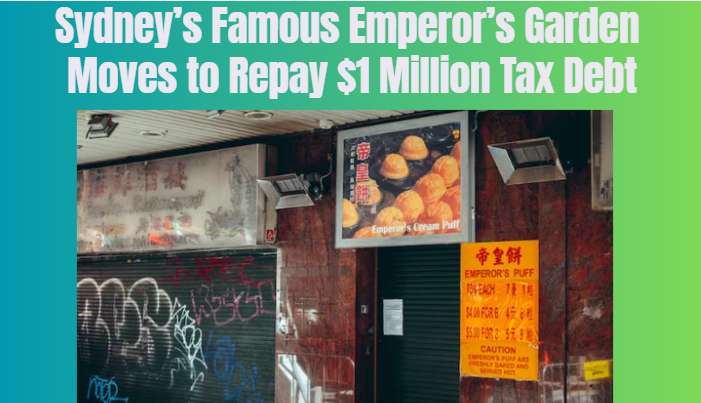
Sydney Chinatown institution Emperor’s Garden has reached an agreement to repay more than $1 million in tax debt, with discussions now underway about re...
A major developer has ended its involvement in the Eyre residential development in Adelaide's north, leaving South Australia's Renewal SA to take respon...
Chinese-owned Yongji Health has taken almost complete control of Tasmanian Botanics, one of Australia's largest medicinal cannabis producers, following...
The Western Australia Supreme Court has dismissed a $2.6 million claim brought by engineering companies over alleged damage to a commercial barge that w...
Thousands of Victorian doctors and allied health professionals have begun industrial action over stalled negotiations on pay and working conditions, wit...
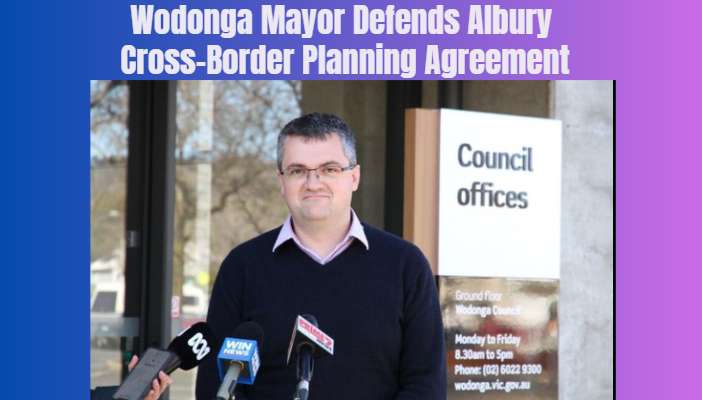
Wodonga councillors have extended the Two Cities One Community agreement with Albury until 2030, despite criticism from one councillor over the value of...
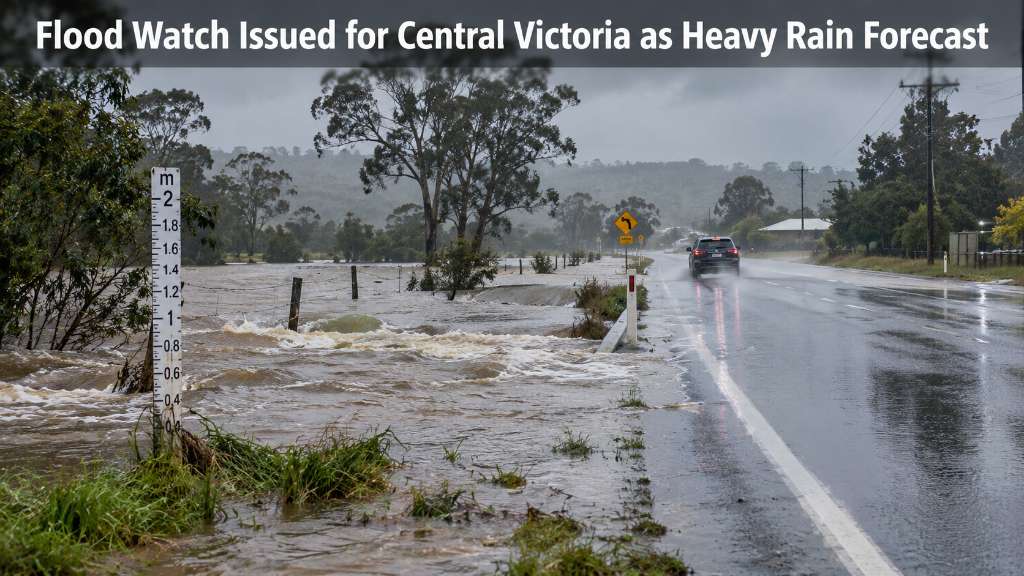
A flood watch is in place across parts of Victoria, with Ballarat and surrounding Central Victorian catchments facing the risk of minor to moderate floo...
Two 16-year-old boys and an 18-year-old man have been charged after police investigated a series of alleged robberies, car thefts and home invasions acr...
Authorities have crushed 23 confiscated electric bikes in Blacktown under new laws targeting non-compliant e-bikes, following a joint enforcement operat...
Thousands of Victorian doctors and allied health professionals have begun industrial action over stalled negotiations on pay and working conditions, wit...