Safety note: Admin approval is an initial review, not a guarantee that every detail is correct. Check important or urgent claims with official sources and report anything inaccurate or unsafe.
Source and credit: Contributor's own report
Geraldton Man Pleads Guilty Over Looted Shipwreck Coins - Geraldton, WA
Smart summary
A Geraldton man has pleaded guilty to charges involving the supply, exportation and possession of historically significant coins recovered from an ancient shipwreck.
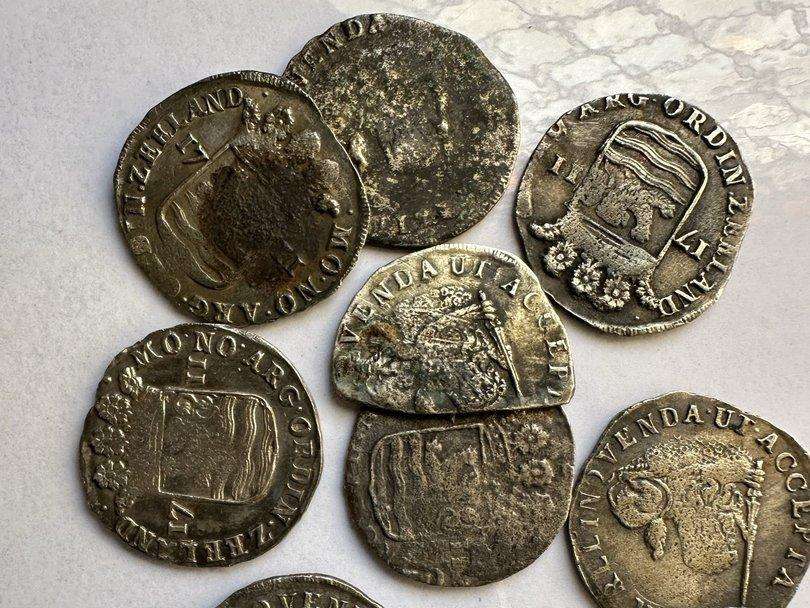
A Geraldton man has pleaded guilty to a series of charges connected with the alleged looting and illegal handling of historically significant coins recovered from an ancient shipwreck.
The case has drawn attention because shipwreck artefacts are protected under Australian laws designed to preserve items of historical and cultural significance. Objects recovered from historic wrecks can provide valuable information about Australia's maritime history, trade routes and the people who travelled along the country's coastline.
According to the report, the Geraldton man admitted offences involving the supply, exportation and possession of looted shipwreck coins. The matter relates to unique coins associated with an ancient shipwreck and has been investigated as part of efforts to protect Australia's underwater cultural heritage.
Shipwrecks around Western Australia's coastline contain artefacts that can be hundreds of years old. The waters around the Mid West and Geraldton are particularly significant because the region has a long maritime history and has been associated with a number of historic shipwrecks.
Authorities treat the unauthorised removal or trade of protected shipwreck artefacts seriously. Items such as coins, ceramics, navigational equipment and other objects can provide important evidence about historic voyages and the movement of goods between Australia and other parts of the world.
The case also highlights the difficulty of protecting underwater heritage. Shipwreck sites can be located in remote areas and may be vulnerable to unauthorised recovery. Once artefacts are removed from their original locations, investigators may have to trace where the objects went and who was involved in their possession or sale.
The guilty plea means the court has received an admission from the accused in relation to the charges. However, the final legal outcome will depend on the court proceedings and any sentencing decisions that follow.
For Geraldton and the wider Mid West, the case reinforces the importance of protecting the region's maritime heritage. Historic shipwrecks are not simply underwater structures; they can represent significant chapters in Australia's history and can provide researchers with evidence that cannot be replaced once artefacts are lost.
The investigation also demonstrates the role of law-enforcement and heritage authorities in preventing historically significant objects from entering private collections or international markets without proper authorisation.
The matter is particularly relevant to Western Australia because the state's coastline contains numerous historically important wreck sites. Protecting these locations allows future generations to study and understand the region's maritime past.
The Geraldton man's guilty plea is therefore an important development in the case and brings the legal proceedings involving the allegedly looted coins closer to a final outcome.
ShipwreckCoinsGeraldtonArtefactsCase
A Geraldton man has pleaded guilty to a series of charges connected with the alleged looting and illegal handling of historically significant coins recovered from an ancient shipwreck.
The case has drawn attention because shipwreck artefacts are protected under Australian laws designed to preserve items of historical and cultural significance. Objects recovered from historic wrecks can provide valuable information about Australia's maritime history, trade routes and the people who travelled along the country's coastline.
According to the report, the Geraldton man admitted offences involving the supply, exportation and possession of looted shipwreck coins. The matter relates to unique coins associated with an ancient shipwreck and has been investigated as part of efforts to protect Australia's underwater cultural heritage.
Shipwrecks around Western Australia's coastline contain artefacts that can be hundreds of years old. The waters around the Mid West and Geraldton are particularly significant because the region has a long maritime history and has been associated with a number of historic shipwrecks.
Authorities treat the unauthorised removal or trade of protected shipwreck artefacts seriously. Items such as coins, ceramics, navigational equipment and other objects can provide important evidence about historic voyages and the movement of goods between Australia and other parts of the world.
The case also highlights the difficulty of protecting underwater heritage. Shipwreck sites can be located in remote areas and may be vulnerable to unauthorised recovery. Once artefacts are removed from their original locations, investigators may have to trace where the objects went and who was involved in their possession or sale.
The guilty plea means the court has received an admission from the accused in relation to the charges. However, the final legal outcome will depend on the court proceedings and any sentencing decisions that follow.
For Geraldton and the wider Mid West, the case reinforces the importance of protecting the region's maritime heritage. Historic shipwrecks are not simply underwater structures; they can represent significant chapters in Australia's history and can provide researchers with evidence that cannot be replaced once artefacts are lost.
The investigation also demonstrates the role of law-enforcement and heritage authorities in preventing historically significant objects from entering private collections or international markets without proper authorisation.
The matter is particularly relevant to Western Australia because the state's coastline contains numerous historically important wreck sites. Protecting these locations allows future generations to study and understand the region's maritime past.
The Geraldton man's guilty plea is therefore an important development in the case and brings the legal proceedings involving the allegedly looted coins closer to a final outcome.
Two men have been charged after detectives investigating an alleged large-scale drug supply network seized cocaine, methylamphetamine, MDMA and other it...
Drivers stopping to pick or photograph colourful everlasting wildflowers along Western Australia’s Bussell Highway are being warned about serious road-s...
Three separate earthquakes were recorded near Port Hedland in Western Australia over the weekend, with more than 100 reports submitted to Geoscience Aus...
A growing number of young Australians are taking up birdwatching, bringing fresh interest to the Broome Bird Observatory and the migratory shorebirds of...
A 63-year-old swimmer died after a shark attack at Sorrento Beach on Friday, with authorities keeping beaches across Perth’s northern suburbs closed on...
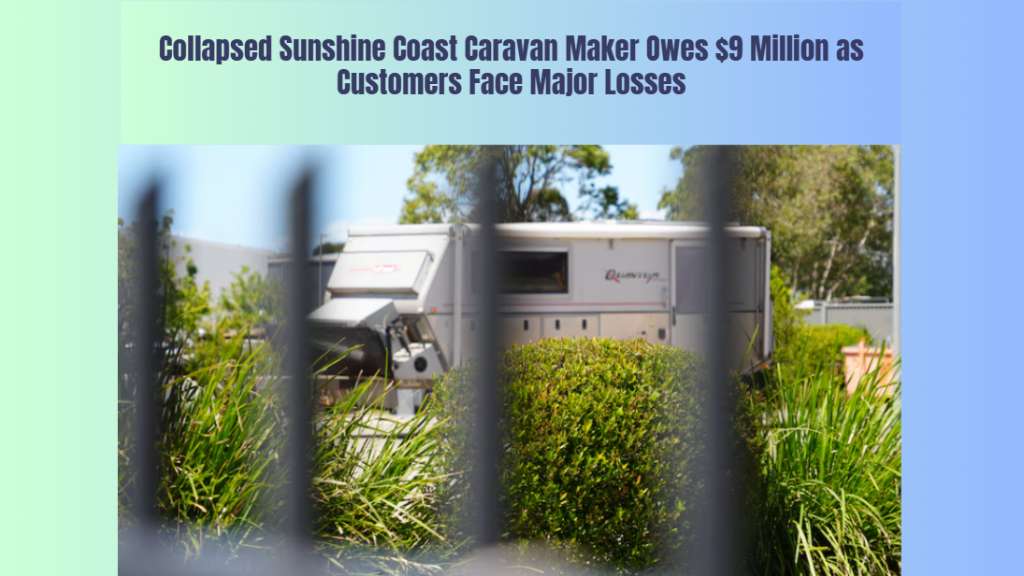
Administrators have revealed Australian Off Road owes about $9 million after the Sunshine Coast caravan manufacturer collapsed, leaving customers, emplo...
A woman has died following a serious three-vehicle collision involving a commercial bus and two cars in Glenburn, in Victoria’s Yarra Ranges, on Thursday, 24 September 2026. Eme...
A woman has died following a serious three-car collision in Leongatha, Victoria, on Wednesday afternoon, 23 September 2026. Emergency services were called to the Strzelecki High...
A Queensland parliamentary committee has completed regional hearings on proposed tougher bail laws, hearing from crime victims, legal experts and commun...