Safety note: Admin approval is an initial review, not a guarantee that every detail is correct. Check important or urgent claims with official sources and report anything inaccurate or unsafe.
Source and credit: Contributor's own report
Gold Coast Light Rail Success Offers Lesson for Critics of New Autonomous Transport - Gold Coast, QLD
Smart summary
An opinion piece argues that the Gold Coast's once-controversial light rail project has become a major success and should serve as a reminder for those sceptical about the city's proposed autonomous public transport i...
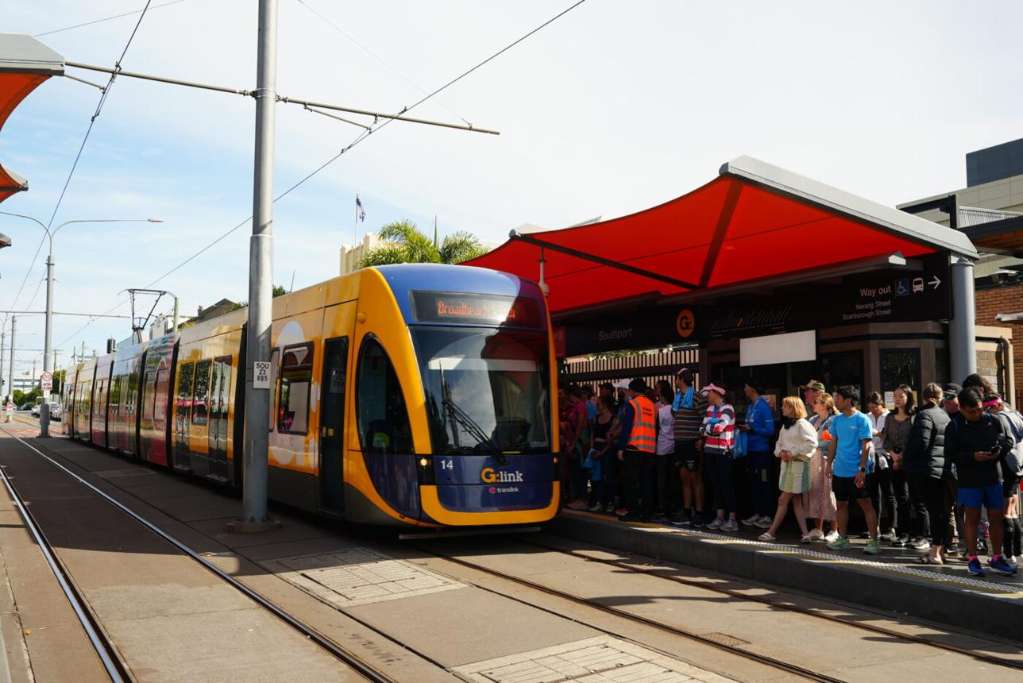
More than a decade after the Gold Coast light rail (G: link) first opened, what was once one of the city's most controversial infrastructure projects is now being cited as proof that major transport investments can transform communities despite early opposition. An opinion article in the Gold Coast Bulletin argues that the success of the light rail should provide an important lesson for critics of the city's next generation of transport technology, including proposed autonomous or robotic transit systems.
Before construction began, opponents warned the light rail would become a costly "white elephant," damage businesses, worsen congestion and fail to attract passengers. Some critics even predicted the project would become a financial burden for taxpayers and permanently disrupt the city's road network.
However, according to the opinion piece, those predictions have largely failed to materialise. Since opening in 2014, the G: link network has become one of the Gold Coast's most widely used public transport services, carrying around 15 million passenger journeys each year while supporting tourism, reducing dependence on private vehicles and encouraging development along its route.
The article argues that the same pattern of resistance is now emerging as the city explores new forms of autonomous public transport, including driverless shuttles and robotic mobility technologies. Critics have questioned their safety, practicality and value for money, while supporters believe they could improve connectivity, reduce congestion and complement the existing transport network.
Supporters of innovation say new technology should be carefully tested rather than dismissed outright. They argue that transport systems continue to evolve as cities grow, and that embracing emerging technology can improve accessibility, reduce emissions and better connect residential areas with employment, education and entertainment precincts.
The opinion also highlights how major infrastructure projects often face significant public opposition during planning and construction because of temporary disruption, uncertainty and concerns about cost. Once completed, however, many projects become well-used community assets that deliver long-term economic and social benefits.
As the Gold Coast prepares for continued population growth and the lead-up to the 2032 Brisbane Olympic and Paralympic Games, investment in modern transport infrastructure is expected to remain a priority. Expanding public transport options and adopting new mobility technologies are seen by many planners as important steps toward creating a more connected and sustainable city.
The article concludes that while healthy public debate is important, the experience of the Gold Coast light rail demonstrates that innovative transport projects should ultimately be judged on evidence and long-term outcomes rather than initial scepticism. With the light rail now widely regarded as a successful part of the city's transport system, proponents believe future transport innovations deserve the same opportunity to prove their value.
TransportCityCoastGoldLight
More than a decade after the Gold Coast light rail (G: link) first opened, what was once one of the city's most controversial infrastructure projects is now being cited as proof that major transport investments can transform communities despite early opposition. An opinion article in the Gold Coast Bulletin argues that the success of the light rail should provide an important lesson for critics of the city's next generation of transport technology, including proposed autonomous or robotic transit systems.
Before construction began, opponents warned the light rail would become a costly "white elephant," damage businesses, worsen congestion and fail to attract passengers. Some critics even predicted the project would become a financial burden for taxpayers and permanently disrupt the city's road network.
However, according to the opinion piece, those predictions have largely failed to materialise. Since opening in 2014, the G: link network has become one of the Gold Coast's most widely used public transport services, carrying around 15 million passenger journeys each year while supporting tourism, reducing dependence on private vehicles and encouraging development along its route.
The article argues that the same pattern of resistance is now emerging as the city explores new forms of autonomous public transport, including driverless shuttles and robotic mobility technologies. Critics have questioned their safety, practicality and value for money, while supporters believe they could improve connectivity, reduce congestion and complement the existing transport network.
Supporters of innovation say new technology should be carefully tested rather than dismissed outright. They argue that transport systems continue to evolve as cities grow, and that embracing emerging technology can improve accessibility, reduce emissions and better connect residential areas with employment, education and entertainment precincts.
The opinion also highlights how major infrastructure projects often face significant public opposition during planning and construction because of temporary disruption, uncertainty and concerns about cost. Once completed, however, many projects become well-used community assets that deliver long-term economic and social benefits.
As the Gold Coast prepares for continued population growth and the lead-up to the 2032 Brisbane Olympic and Paralympic Games, investment in modern transport infrastructure is expected to remain a priority. Expanding public transport options and adopting new mobility technologies are seen by many planners as important steps toward creating a more connected and sustainable city.
The article concludes that while healthy public debate is important, the experience of the Gold Coast light rail demonstrates that innovative transport projects should ultimately be judged on evidence and long-term outcomes rather than initial scepticism. With the light rail now widely regarded as a successful part of the city's transport system, proponents believe future transport innovations deserve the same opportunity to prove their value.
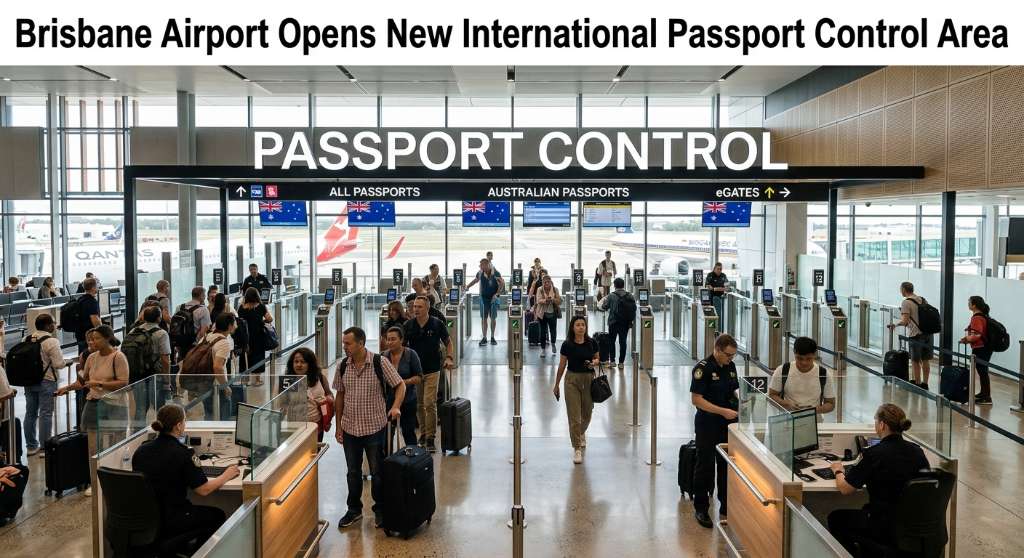
A new 12-lane passport control facility has opened at Brisbane Airport as the airport prepares for more than 1.8 million passengers during the September...
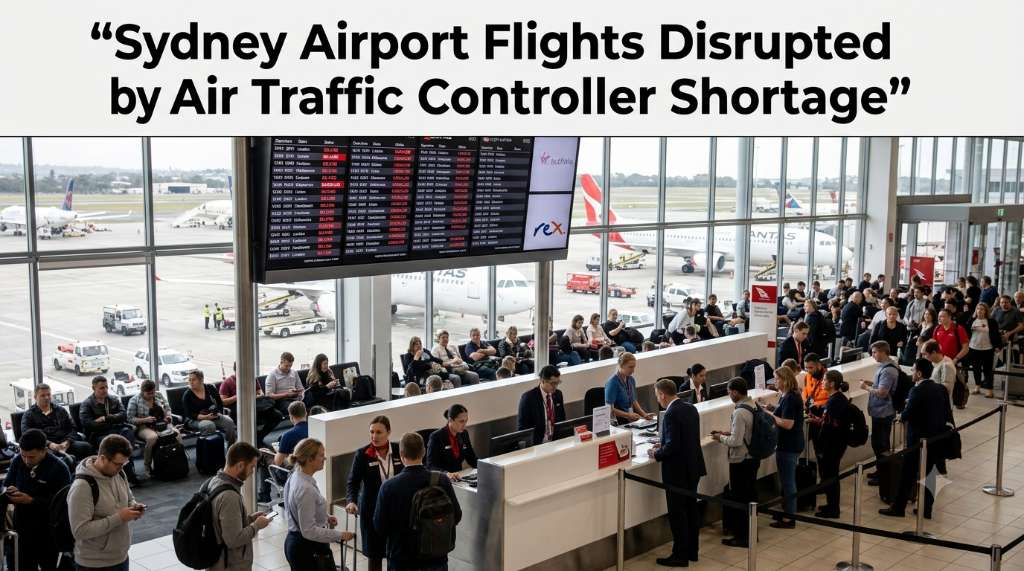
Flight delays and cancellations affected Sydney Airport passengers on Friday morning after staffing shortages prompted temporary air-traffic management...
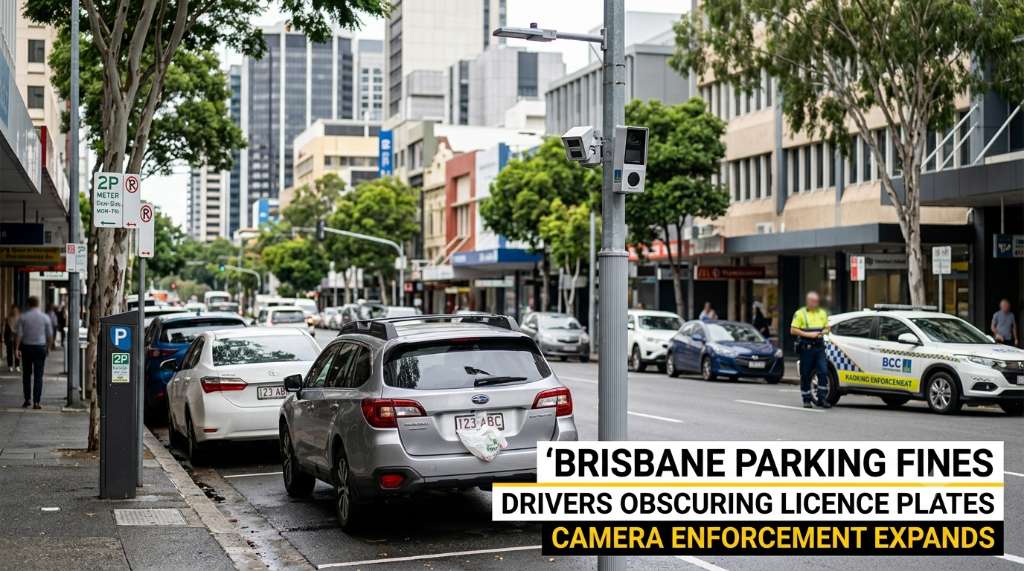
Some Brisbane motorists are covering their licence plates to avoid automatic parking enforcement cameras as council fines approach $35 million this year.
Queensland's emerging football prospects are coming together for a three-day Brisbane Lions State Academy showcase, giving young players an opportunity...
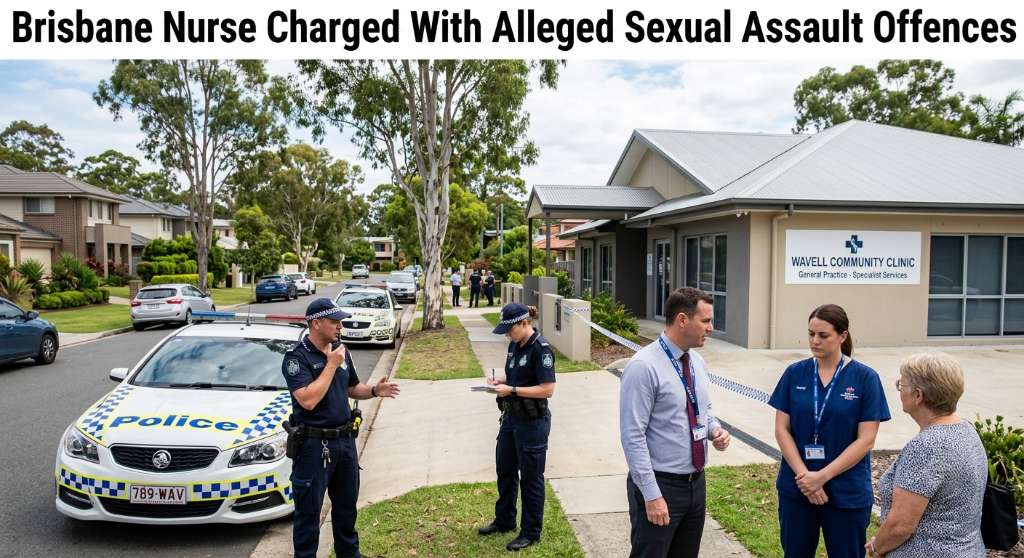
A Wavell Heights enrolled nurse has been charged with four counts of alleged sexual assault and one count of wilful exposure, with his professional regi...
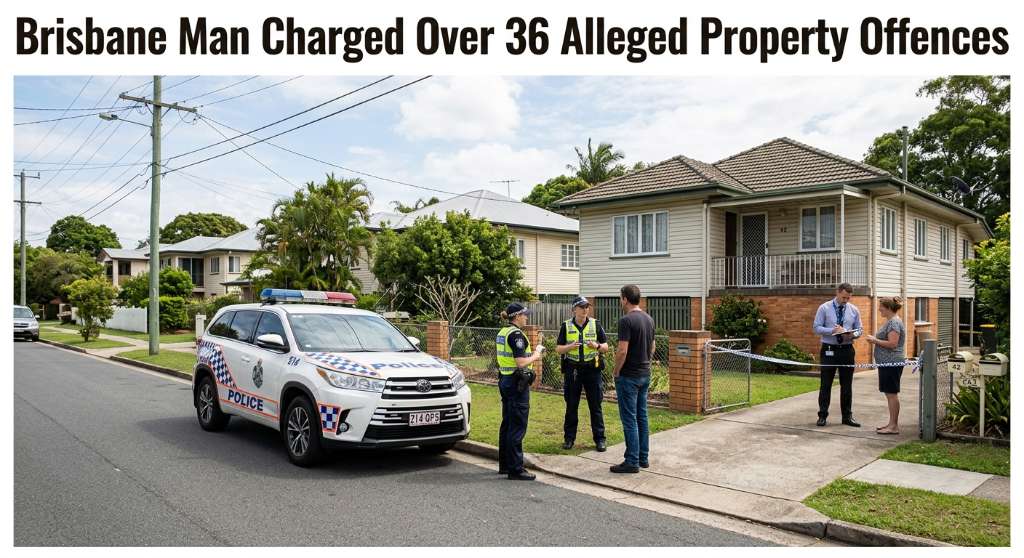
A 24-year-old Carina Heights man has been charged with 36 offences following an investigation into alleged break-ins, vehicle offences and other propert...
Cairns Regional Council has unanimously voted to seek $400,000 in Queensland Government funding for a program designed to connect local businesses with the region’s growing film...
An automated external defibrillator and memorial plaque have been installed at Ellery Creek Big Hole following the death of disability advocate Ellen Fr...
Queensland firefighters spent several hours monitoring a significant grass fire at Mary Kinross Park in Bargara, near Bundaberg, after the blaze broke out on Wednesday evening....