Safety note: Admin approval is an initial review, not a guarantee that every detail is correct. Check important or urgent claims with official sources and report anything inaccurate or unsafe.
Source and credit: Contributor's own report
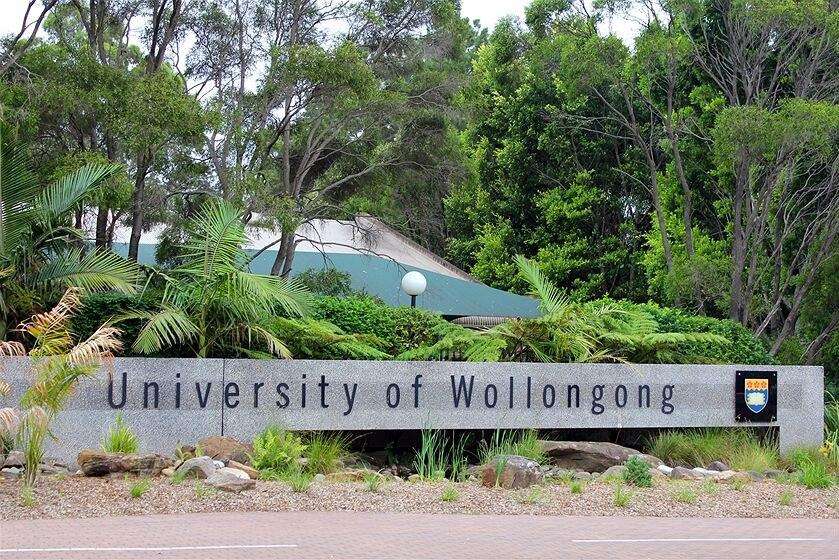
ICAC hears former University of Wollongong vice-chancellor declared Korda Mentha conflict but kept role - Wollongong, NSW
Smart summary
The NSW Independent Commission Against Corruption (ICAC) has heard former interim University of Wollongong vice-chancellor John Dewar declared a conflict of interest over his links to consulting firm Korda Mentha, but...
The NSW Independent Commission Against Corruption (ICAC) has heard further evidence in its public inquiry into governance at the University of Wollongong (UOW), focusing on how the university managed a potential conflict of interest involving former interim vice-chancellor John Dewar and consulting firm Korda Mentha.
The inquiry is examining whether senior university officials properly managed conflicts of interest when Dewar was appointed interim vice-chancellor while also maintaining links with Korda Mentha, a consultancy that was later engaged by the university to conduct operational and financial reviews. The issue forms one of several allegations being investigated under Operation Scandi, alongside separate allegations concerning recruitment processes and consultancy contracts.
ICAC heard that Dewar formally declared his association with Korda Mentha after becoming interim vice-chancellor. Evidence presented during the hearings indicated conflict-of-interest management arrangements were established, with Dewar excluded from decisions directly relating to the consultancy's engagement. However, counsel assisting the commission questioned whether those arrangements were sufficient given his continuing leadership role within the university while Korda Mentha carried out work for UOW.
Dewar has consistently denied any wrongdoing. He has previously told parliamentary inquiries and ICAC that he took unpaid leave from his position at Korda Mentha during his tenure as interim vice-chancellor and had no involvement in selecting the consultancy or overseeing its work. He maintains that appropriate conflict declarations were made and that governance processes were followed throughout his appointment.
The inquiry is also examining whether University of Wollongong Chancellor Michael Still or any other university staff failed to appropriately manage the conflict of interest arising from Dewar's appointment and Korda Mentha's engagement. ICAC has stressed that the hearings are investigative in nature and that no findings of corrupt conduct have been made.
Questions surrounding governance at the university first emerged during a NSW parliamentary inquiry into higher education governance, which raised concerns about consultancy spending and oversight at UOW. Those concerns ultimately led ICAC to launch its public inquiry in June 2026.
The University of Wollongong has previously stated it is fully cooperating with ICAC and has declined to comment on the specific allegations while the inquiry is underway. Following the commencement of the investigation, Chancellor Michael Still temporarily stepped aside from his role pending the outcome of the proceedings.
The public inquiry continues to hear evidence from current and former university executives, governance officials and other witnesses. At the conclusion of the hearings, ICAC will determine whether any corrupt conduct occurred and whether recommendations for prosecutions, disciplinary action or governance reforms are warranted.
UniversityIcacInquiryKordaMentha
The NSW Independent Commission Against Corruption (ICAC) has heard further evidence in its public inquiry into governance at the University of Wollongong (UOW), focusing on how the university managed a potential conflict of interest involving former interim vice-chancellor John Dewar and consulting firm Korda Mentha.
The inquiry is examining whether senior university officials properly managed conflicts of interest when Dewar was appointed interim vice-chancellor while also maintaining links with Korda Mentha, a consultancy that was later engaged by the university to conduct operational and financial reviews. The issue forms one of several allegations being investigated under Operation Scandi, alongside separate allegations concerning recruitment processes and consultancy contracts.
ICAC heard that Dewar formally declared his association with Korda Mentha after becoming interim vice-chancellor. Evidence presented during the hearings indicated conflict-of-interest management arrangements were established, with Dewar excluded from decisions directly relating to the consultancy's engagement. However, counsel assisting the commission questioned whether those arrangements were sufficient given his continuing leadership role within the university while Korda Mentha carried out work for UOW.
Dewar has consistently denied any wrongdoing. He has previously told parliamentary inquiries and ICAC that he took unpaid leave from his position at Korda Mentha during his tenure as interim vice-chancellor and had no involvement in selecting the consultancy or overseeing its work. He maintains that appropriate conflict declarations were made and that governance processes were followed throughout his appointment.
The inquiry is also examining whether University of Wollongong Chancellor Michael Still or any other university staff failed to appropriately manage the conflict of interest arising from Dewar's appointment and Korda Mentha's engagement. ICAC has stressed that the hearings are investigative in nature and that no findings of corrupt conduct have been made.
Questions surrounding governance at the university first emerged during a NSW parliamentary inquiry into higher education governance, which raised concerns about consultancy spending and oversight at UOW. Those concerns ultimately led ICAC to launch its public inquiry in June 2026.
The University of Wollongong has previously stated it is fully cooperating with ICAC and has declined to comment on the specific allegations while the inquiry is underway. Following the commencement of the investigation, Chancellor Michael Still temporarily stepped aside from his role pending the outcome of the proceedings.
The public inquiry continues to hear evidence from current and former university executives, governance officials and other witnesses. At the conclusion of the hearings, ICAC will determine whether any corrupt conduct occurred and whether recommendations for prosecutions, disciplinary action or governance reforms are warranted.
A Chinese private processor has purchased 68,000 tonnes of new-season Australian canola for shipment in March, marking the first known private-sector pu...
Darwin Northern Territory · Other News · 01 Sep 2026
A scenic hike through Butterfly Gorge in the Northern Territory turned into a frightening experience when a buffalo charged at two hikers. ABC Darwin reported the story today, 1...
Coffs Harbour New South Wales · Other News · 01 Sep 2026
A Safe Work NSW inspection blitz across the Coffs Harbour region has uncovered dozens of workplace-safety issues in the horticulture industry. The operation followed concerns ab...
Armidale Regional Council will replace an ageing cast-iron water main in Ampol and Miller Streets with a modern system, with construction scheduled to b...
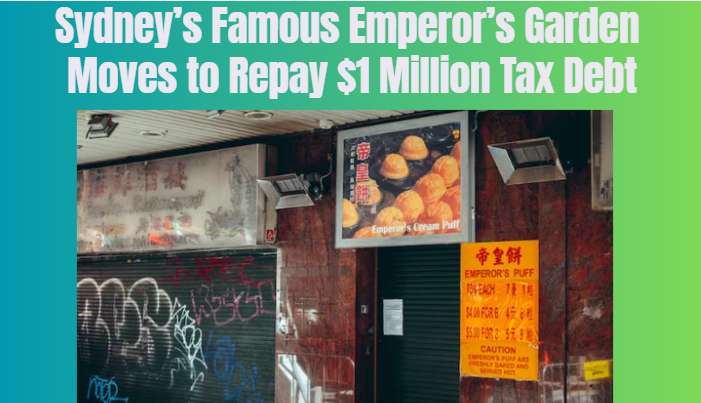
Sydney Chinatown institution Emperor’s Garden has reached an agreement to repay more than $1 million in tax debt, with discussions now underway about re...
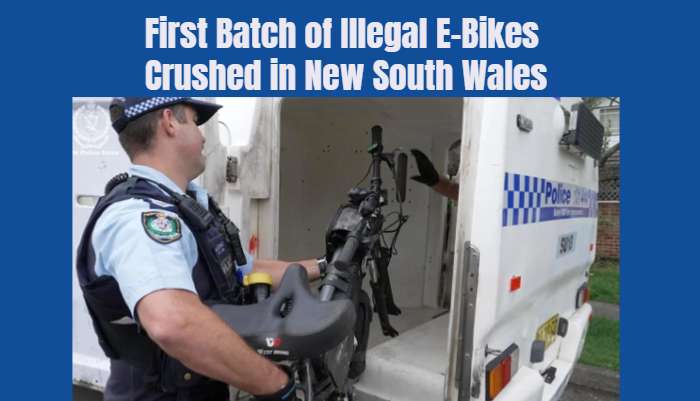
Authorities have crushed 23 confiscated electric bikes in Blacktown under new laws targeting non-compliant e-bikes, following a joint enforcement operat...
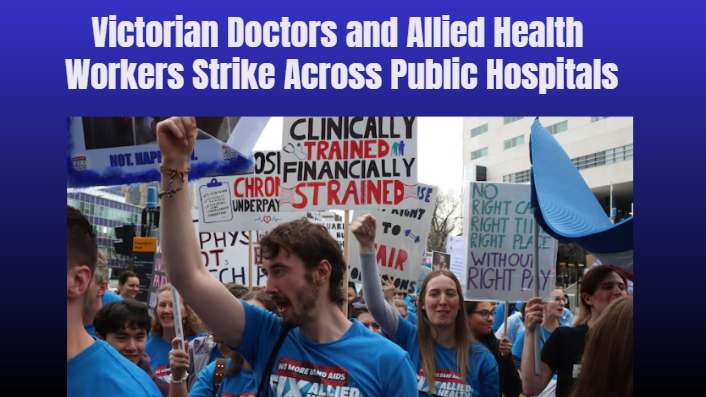
Thousands of Victorian doctors and allied health professionals have begun industrial action over stalled negotiations on pay and working conditions, wit...