Mayors Urge Urgent Funding as Great Western Highway Closure Passes 100-day Mark
By Neha · Published 15 Jun 2026 · Updated 15 Jun 2026
Bathurst, NSW · New South Wales News
Safety note: Admin approval is an initial review, not a guarantee that every detail is correct. Check important or urgent claims with official sources and report anything inaccurate or unsafe.
Source and credit: Contributor's own report
Mayors Urge Urgent Funding as Great Western Highway Closure Passes 100-day Mark
Smart summary
Regional leaders warn prolonged road shutdown is damaging businesses, tourism, healthcare access, and local economies across western New South Wales.
Regional mayors and community leaders are intensifying calls for financial assistance as the closure of the Great Western Highway enters its 100th day, creating ongoing disruption across western New South Wales.
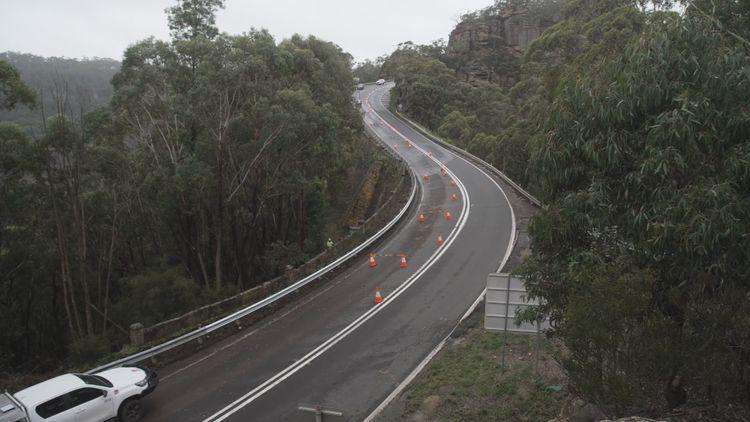
The highway was shut in March after significant structural concerns were discovered at the historic Mitchell's Causeway near Victoria Pass. Since then, thousands of motorists, freight operators, tourists, and local residents have been forced to use lengthy alternative routes, increasing travel times and costs.
Local councils say the extended closure has placed enormous pressure on businesses that rely on tourism and through-traffic. Many operators have reported major declines in customer numbers, while freight and transport costs have risen substantially due to detours and delays. Community leaders warn some businesses could struggle to survive if additional support is not provided.
Mayors from affected regions argue that the economic impact now extends far beyond the immediate closure zone, affecting communities throughout the Blue Mountains, Lithgow, Bathurst and the broader Central West. They are seeking greater state and federal assistance, including expanded business grants, tourism recovery funding, and support for transport services.
Healthcare providers and community transport groups have also raised concerns. Longer travel routes are making it more difficult for patients from regional areas to reach specialist medical appointments in Sydney, while transport providers face increased operating expenses.
The NSW Government previously announced a $3.5 million support package, including grants for eligible small businesses and funding for tourism initiatives. However, local representatives argue the assistance does not fully reflect the scale of losses experienced across the wider region.
Repair plans continue to be assessed, with authorities balancing the need for urgent infrastructure work against heritage requirements associated with the nearly 200-year-old structure. Government officials have stated that reopening the highway remains a priority, but a definitive completion date has yet to be announced.
As winter conditions approach, regional leaders are warning that delays could further affect road safety, tourism activity, freight movement, and economic confidence throughout western New South Wales. Calls are growing for accelerated repairs and additional funding measures to support communities until the highway is fully reopened.
HighwayClosureFundingSupportTourism
Regional mayors and community leaders are intensifying calls for financial assistance as the closure of the Great Western Highway enters its 100th day, creating ongoing disruption across western New South Wales.
The highway was shut in March after significant structural concerns were discovered at the historic Mitchell's Causeway near Victoria Pass. Since then, thousands of motorists, freight operators, tourists, and local residents have been forced to use lengthy alternative routes, increasing travel times and costs.
Local councils say the extended closure has placed enormous pressure on businesses that rely on tourism and through-traffic. Many operators have reported major declines in customer numbers, while freight and transport costs have risen substantially due to detours and delays. Community leaders warn some businesses could struggle to survive if additional support is not provided.
Mayors from affected regions argue that the economic impact now extends far beyond the immediate closure zone, affecting communities throughout the Blue Mountains, Lithgow, Bathurst and the broader Central West. They are seeking greater state and federal assistance, including expanded business grants, tourism recovery funding, and support for transport services.
Healthcare providers and community transport groups have also raised concerns. Longer travel routes are making it more difficult for patients from regional areas to reach specialist medical appointments in Sydney, while transport providers face increased operating expenses.
The NSW Government previously announced a $3.5 million support package, including grants for eligible small businesses and funding for tourism initiatives. However, local representatives argue the assistance does not fully reflect the scale of losses experienced across the wider region.
Repair plans continue to be assessed, with authorities balancing the need for urgent infrastructure work against heritage requirements associated with the nearly 200-year-old structure. Government officials have stated that reopening the highway remains a priority, but a definitive completion date has yet to be announced.
As winter conditions approach, regional leaders are warning that delays could further affect road safety, tourism activity, freight movement, and economic confidence throughout western New South Wales. Calls are growing for accelerated repairs and additional funding measures to support communities until the highway is fully reopened.
Queensland Police have charged a 24-year-old Coomera man following an alleged stolen-truck incident and hit-and-run crash across the northern Gold Coast. Police say the investig...
A dramatic close call at Brisbane's Howard Smith Wharves has reignited discussions about pedestrian safety, rider responsibility and the use of shared p...
From European-style villages and tropical rainforests to turquoise beaches and dramatic desert landscapes, these Australian locations offer internationa...
The City of Moreton Bay will launch Australia's first next-generation AI traffic light pilot in Petrie, using intelligent sensors and artificial intelli...
A 36-year-old man has been charged after investigators allegedly found fraudulent identification documents, cloned number plates, cash and drug-manufact...
A Sydney court has heard that a man sent 249 messages to a former partner within 24 hours, with the messages treated as a single alleged breach of an ap...
A high-profile athlete has returned to court and told the hearing that an alleged unwanted kiss by former broadcaster Alan Jones remained difficult to f...
Work on the $150 million Sydney Town Hall Square project has been paused after the NSW Planning Minister referred the development for review by the Inde...
Cairns Regional Council has unanimously voted to seek $400,000 in Queensland Government funding for a program designed to connect local businesses with the region’s growing film...
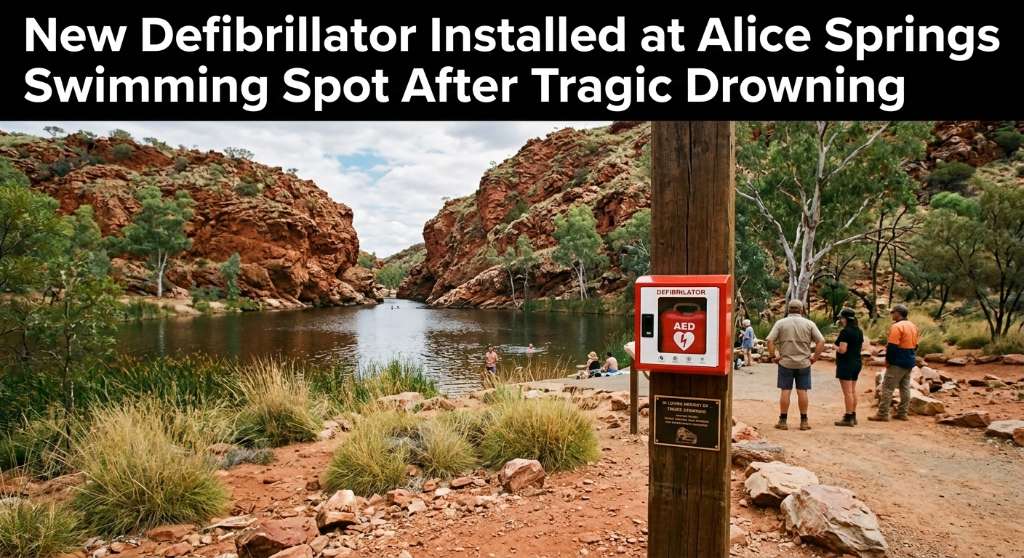
An automated external defibrillator and memorial plaque have been installed at Ellery Creek Big Hole following the death of disability advocate Ellen Fr...
Queensland firefighters spent several hours monitoring a significant grass fire at Mary Kinross Park in Bargara, near Bundaberg, after the blaze broke out on Wednesday evening....