Safety note: Admin approval is an initial review, not a guarantee that every detail is correct. Check important or urgent claims with official sources and report anything inaccurate or unsafe.
Source and credit: Contributor's own report
Measles Exposure Warning Issued After Patient Visits Adelaide Hospital - Adelaide, SA
Smart summary
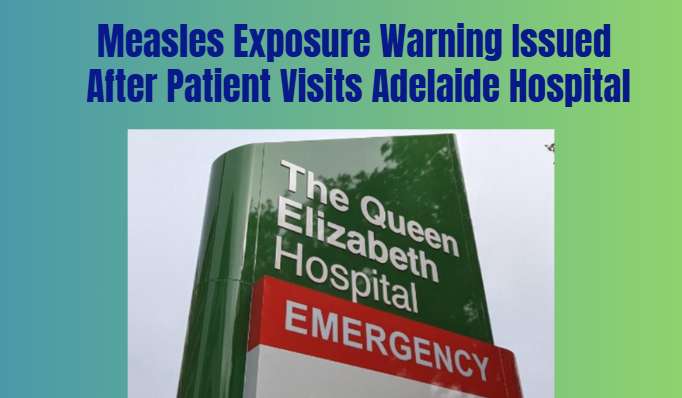
South Australian health authorities are contacting people who may have been exposed to measles after a confirmed case spent more than 24 hours across areas of the Queen Elizabeth Hospital emergency department.
South Australian health authorities are conducting contact tracing after a person with confirmed measles visited the emergency department at Adelaide's Queen Elizabeth Hospital last week.
The latest case is linked to a growing measles cluster associated with Brighton Secondary School. South Australian health authorities said the infected person, who is in their forties, had a known connection to the first case in the cluster and has been hospitalised in a stable condition.
The latest infection brings the Brighton school-linked cluster to five cases and takes South Australia's total number of reported measles cases this year to nine, according to information released by SA Health and reported by ABC News.
Health authorities said the patient spent several hours in the Queen Elizabeth Hospital emergency department waiting area on September 23. The person later remained in another part of the emergency department, known as the fast-track area, from Wednesday evening until Thursday evening.
Because measles is highly infectious, health authorities are contacting people who may have been present in the relevant hospital areas during the exposure period. Hospital staff who may have been exposed are also being assessed through contact-tracing procedures.
The exposure warning extends beyond the hospital. Other locations listed by SA Health include a pharmacy in Fulham Gardens, two SA Pathology collection centres, Westfield Marion, Harbour Town outlets and Morphett Vale Stadium. People who were present at the identified locations during the relevant periods have been advised to monitor themselves for symptoms.
Measles symptoms can include fever, cough, a blocked or runny nose, conjunctivitis and a red rash that can spread across the body. The incubation period is commonly around 10 days, although symptoms can appear between seven and 18 days after exposure.
South Australia's Chief Public Health Officer Nicola Spurrier has urged people who may have been exposed to monitor for symptoms. People who develop symptoms after a possible exposure are advised to contact a doctor or hospital before arriving in person, so appropriate precautions can be arranged.
Health authorities are also encouraging people to check their vaccination records. Dr Spurrier said some Australians born from 1966 onwards may have received only one measles vaccine dose, and people without clear evidence of having received two doses may wish to discuss vaccination with a healthcare professional.
The outbreak has prompted increased attention because measles can spread quickly among people who are not adequately protected. Health officials have stressed that the public should remain alert while avoiding unnecessary alarm.
The current investigation is focused on identifying people who may have been exposed and preventing additional transmission. Contact tracers are reviewing hospital records and other information to identify people who were present during the infectious period.
The Queen Elizabeth Hospital exposure is one part of a wider measles response across South Australia as authorities continue monitoring the Brighton-linked cluster.
HealthHospitalMeaslesPeopleAuthorities
South Australian health authorities are conducting contact tracing after a person with confirmed measles visited the emergency department at Adelaide's Queen Elizabeth Hospital last week.
The latest case is linked to a growing measles cluster associated with Brighton Secondary School. South Australian health authorities said the infected person, who is in their forties, had a known connection to the first case in the cluster and has been hospitalised in a stable condition.
The latest infection brings the Brighton school-linked cluster to five cases and takes South Australia's total number of reported measles cases this year to nine, according to information released by SA Health and reported by ABC News.
Health authorities said the patient spent several hours in the Queen Elizabeth Hospital emergency department waiting area on September 23. The person later remained in another part of the emergency department, known as the fast-track area, from Wednesday evening until Thursday evening.
Because measles is highly infectious, health authorities are contacting people who may have been present in the relevant hospital areas during the exposure period. Hospital staff who may have been exposed are also being assessed through contact-tracing procedures.
The exposure warning extends beyond the hospital. Other locations listed by SA Health include a pharmacy in Fulham Gardens, two SA Pathology collection centres, Westfield Marion, Harbour Town outlets and Morphett Vale Stadium. People who were present at the identified locations during the relevant periods have been advised to monitor themselves for symptoms.
Measles symptoms can include fever, cough, a blocked or runny nose, conjunctivitis and a red rash that can spread across the body. The incubation period is commonly around 10 days, although symptoms can appear between seven and 18 days after exposure.
South Australia's Chief Public Health Officer Nicola Spurrier has urged people who may have been exposed to monitor for symptoms. People who develop symptoms after a possible exposure are advised to contact a doctor or hospital before arriving in person, so appropriate precautions can be arranged.
Health authorities are also encouraging people to check their vaccination records. Dr Spurrier said some Australians born from 1966 onwards may have received only one measles vaccine dose, and people without clear evidence of having received two doses may wish to discuss vaccination with a healthcare professional.
The outbreak has prompted increased attention because measles can spread quickly among people who are not adequately protected. Health officials have stressed that the public should remain alert while avoiding unnecessary alarm.
The current investigation is focused on identifying people who may have been exposed and preventing additional transmission. Contact tracers are reviewing hospital records and other information to identify people who were present during the infectious period.
The Queen Elizabeth Hospital exposure is one part of a wider measles response across South Australia as authorities continue monitoring the Brighton-linked cluster.
Construction of Tasmania's new Northern Heart Centre at Launceston General Hospital is expected to begin within weeks, expanding cardiac services for pa...
A mock assessment of Ambulance Tasmania found that only 23 of 138 relevant national safety and quality actions were fully met, while the service says im...
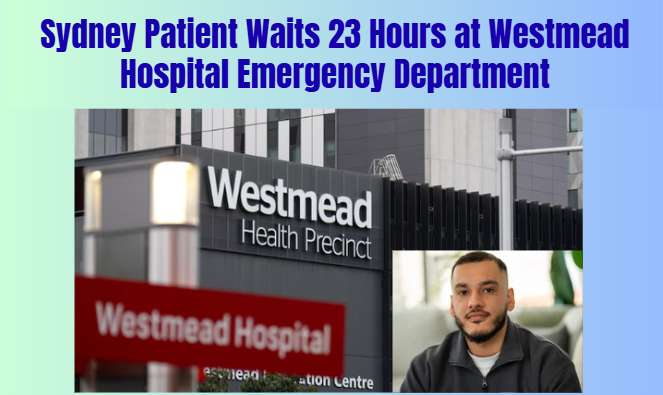
A Sydney patient says he spent 23 hours waiting on a chair at Westmead Hospital's emergency department, while new figures show continuing pressure on th...
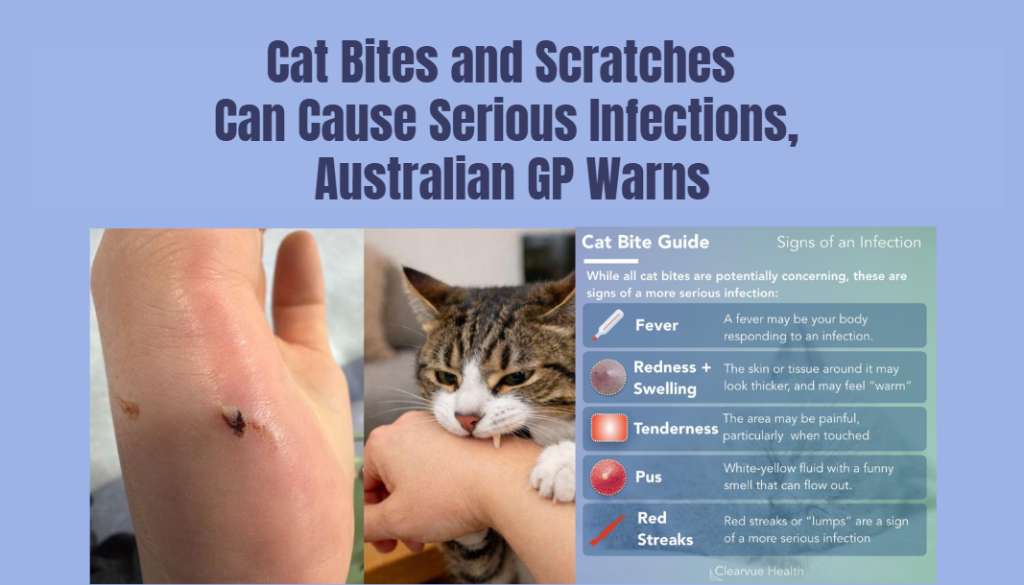
Australian health experts are warning that cat bites and scratches can cause severe infections, with hospitalisations from cat-related injuries nearly t...
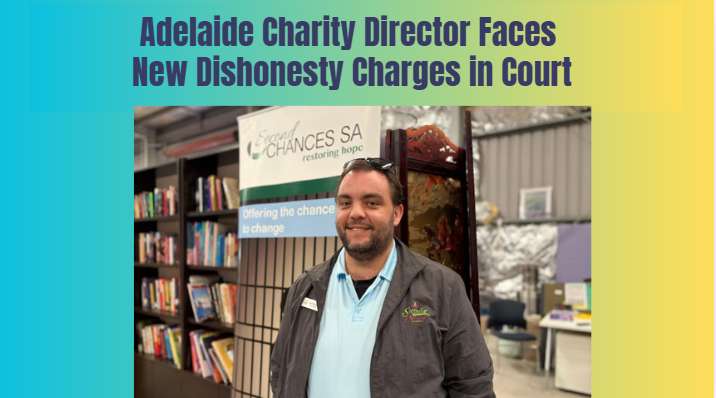
Second Chances charity director Samuel Mark Narroway has appeared before an Adelaide-area court over contested charges involving alleged dishonest deali...
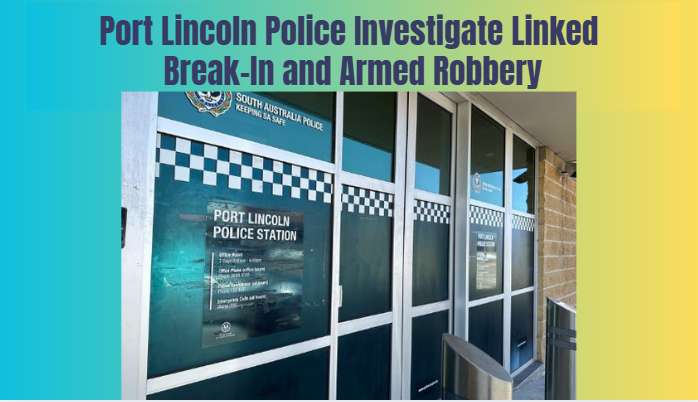
Police are investigating two early-morning incidents at a Port Lincoln business and service station after a man allegedly broke into a store and later t...
Two teenagers have been arrested after a large factory fire in Melbourne's north was declared suspicious, with police investigating how the blaze started.
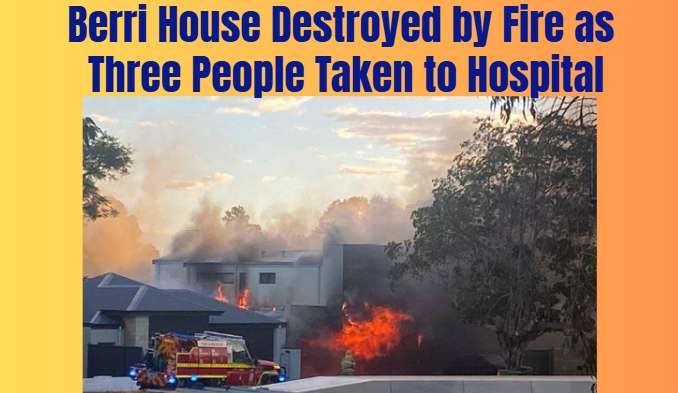
A house in Berri, South Australia, was destroyed by fire on Sunday morning, with three people taken to hospital as a precaution after escaping the burni...
Construction of Tasmania's new Northern Heart Centre at Launceston General Hospital is expected to begin within weeks, expanding cardiac services for pa...
Darwin-based Aboriginal hip-hop artist Yung Milla has been crowned the winner of The Voice Australia 2026 after receiving audience votes across the coun...