Safety note: Admin approval is an initial review, not a guarantee that every detail is correct. Check important or urgent claims with official sources and report anything inaccurate or unsafe.
Source and credit: Contributor's own report
Melbourne Public Housing Residents Take Tower Demolition Fight to High Court - Melbourne, VIC
Smart summary
Residents affected by Victoria’s plan to demolish 44 public housing towers are challenging the decision in Australia’s highest court, arguing they were not properly consulted before their homes were targeted for redev...
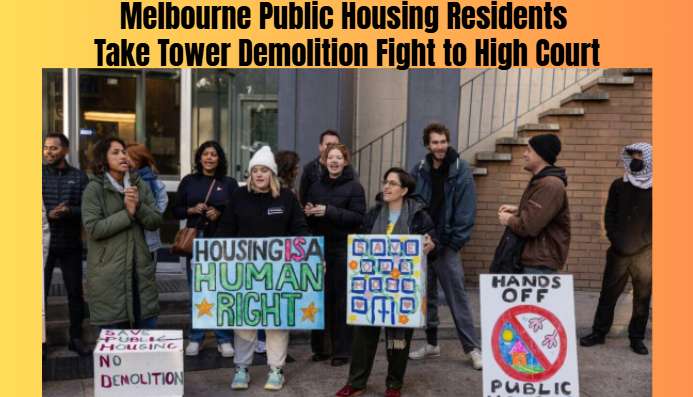
A major legal dispute over Melbourne’s public housing towers is moving closer to a decisive stage, with residents challenging the Victorian Government’s plan to progressively demolish and redevelop 44 public housing towers across Melbourne. The issue is receiving renewed attention today, 5 October 2026, ahead of the High Court hearing scheduled for this week.
The Victorian Government announced the redevelopment program in 2023, saying the older high-rise towers had reached the end of their useful lives and needed to be replaced with modern, accessible housing. The government plans to redevelop the sites progressively through to 2051.
At the time the redevelopment program was announced, around 10,000 people were living across the 44 towers. The government says the redevelopment will ultimately provide more homes and improve the quality, accessibility and safety of public and social housing.
However, some residents have strongly opposed the plan and argue they should have been consulted before the decision to demolish their homes was made.
The legal challenge focuses on whether residents had a legally recognised interest that required the government to provide them with procedural fairness before deciding to demolish the towers. The case, Saleh v Homes Victoria, has reached the High Court after the Victorian Court of Appeal previously ruled that the demolition decision was not subject to an obligation to provide procedural fairness to residents.
The High Court case is scheduled for a full-court hearing in Canberra on 7 October 2026. The legal question is significant because the outcome could affect how governments make major decisions involving public housing residents and redevelopment projects.
Residents involved in the campaign say they were informed about the demolition plans after the government had already made the decision. Some residents have described their homes as more than simply buildings, arguing that long-term neighbours and community networks provide important social support.
One resident, Lyrae Fiddes, lives in a tower included in the redevelopment program and has described the announcement as a major shock for residents. She and other residents have argued that the government should have consulted communities before deciding that their homes would be demolished.
The dispute has also attracted international attention. A UN housing expert raised concerns about the redevelopment program and called for further consideration of the human-rights implications. The Victorian Government has rejected calls to stop the redevelopment and says it believes the existing towers do not provide adequate modern housing.
Victoria’s government says it is supporting residents through relocation, including assistance designed to help households move to alternative accommodation. Homes Victoria maintains that the redevelopment program will deliver new and improved homes and says residents will continue to receive support during the process.
The Victorian Ombudsman is also investigating the experiences of residents affected by the tower demolitions and relocations. Its investigation includes questions about whether replacement homes are suitable, how residents are supported when moving and how the government communicates with people affected by the redevelopment.
The High Court proceedings could therefore become an important moment in the long-running dispute. While the court will focus on the legal question of procedural fairness, the wider disagreement concerns housing security, community connections, redevelopment and the future of public housing in Melbourne.
For residents, the case represents an attempt to challenge how the demolition decisions were made. For the Victorian Government, the redevelopment remains a major housing project intended to replace ageing towers with newer homes.
The legal proceedings are continuing, and the High Court has not yet delivered a final decision on the residents’ challenge.
ResidentsGovernmentHousingRedevelopmentHomes
A major legal dispute over Melbourne’s public housing towers is moving closer to a decisive stage, with residents challenging the Victorian Government’s plan to progressively demolish and redevelop 44 public housing towers across Melbourne. The issue is receiving renewed attention today, 5 October 2026, ahead of the High Court hearing scheduled for this week.
The Victorian Government announced the redevelopment program in 2023, saying the older high-rise towers had reached the end of their useful lives and needed to be replaced with modern, accessible housing. The government plans to redevelop the sites progressively through to 2051.
At the time the redevelopment program was announced, around 10,000 people were living across the 44 towers. The government says the redevelopment will ultimately provide more homes and improve the quality, accessibility and safety of public and social housing.
However, some residents have strongly opposed the plan and argue they should have been consulted before the decision to demolish their homes was made.
The legal challenge focuses on whether residents had a legally recognised interest that required the government to provide them with procedural fairness before deciding to demolish the towers. The case, Saleh v Homes Victoria, has reached the High Court after the Victorian Court of Appeal previously ruled that the demolition decision was not subject to an obligation to provide procedural fairness to residents.
The High Court case is scheduled for a full-court hearing in Canberra on 7 October 2026. The legal question is significant because the outcome could affect how governments make major decisions involving public housing residents and redevelopment projects.
Residents involved in the campaign say they were informed about the demolition plans after the government had already made the decision. Some residents have described their homes as more than simply buildings, arguing that long-term neighbours and community networks provide important social support.
One resident, Lyrae Fiddes, lives in a tower included in the redevelopment program and has described the announcement as a major shock for residents. She and other residents have argued that the government should have consulted communities before deciding that their homes would be demolished.
The dispute has also attracted international attention. A UN housing expert raised concerns about the redevelopment program and called for further consideration of the human-rights implications. The Victorian Government has rejected calls to stop the redevelopment and says it believes the existing towers do not provide adequate modern housing.
Victoria’s government says it is supporting residents through relocation, including assistance designed to help households move to alternative accommodation. Homes Victoria maintains that the redevelopment program will deliver new and improved homes and says residents will continue to receive support during the process.
The Victorian Ombudsman is also investigating the experiences of residents affected by the tower demolitions and relocations. Its investigation includes questions about whether replacement homes are suitable, how residents are supported when moving and how the government communicates with people affected by the redevelopment.
The High Court proceedings could therefore become an important moment in the long-running dispute. While the court will focus on the legal question of procedural fairness, the wider disagreement concerns housing security, community connections, redevelopment and the future of public housing in Melbourne.
For residents, the case represents an attempt to challenge how the demolition decisions were made. For the Victorian Government, the redevelopment remains a major housing project intended to replace ageing towers with newer homes.
The legal proceedings are continuing, and the High Court has not yet delivered a final decision on the residents’ challenge.
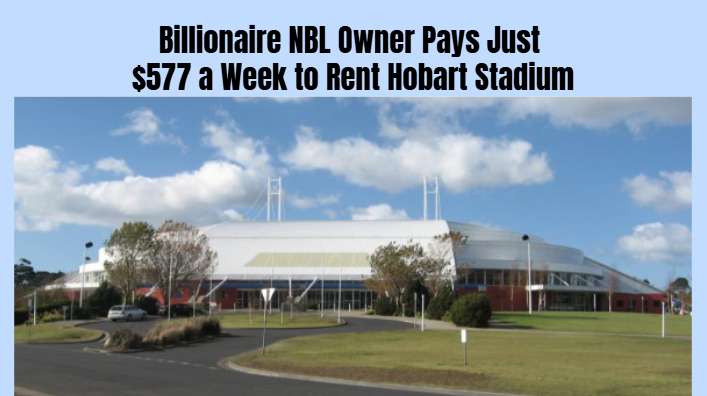
A Tasmanian parliamentary report has raised concerns over the government’s lease arrangements for the Derwent Entertainment Centre and the proposed sale...
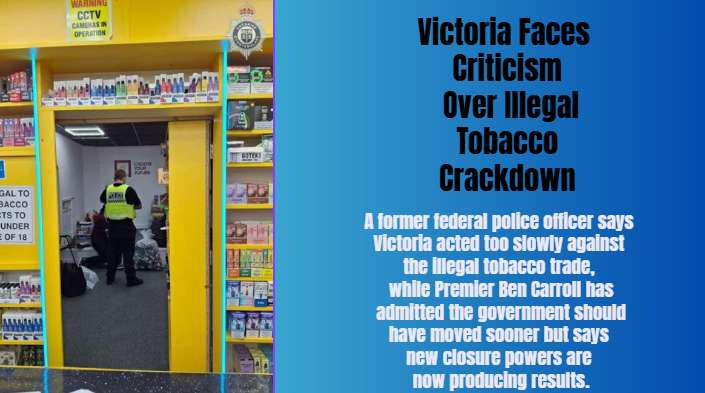
A former federal police officer says Victoria acted too slowly against the illegal tobacco trade, while Premier Ben Carroll has admitted the government...
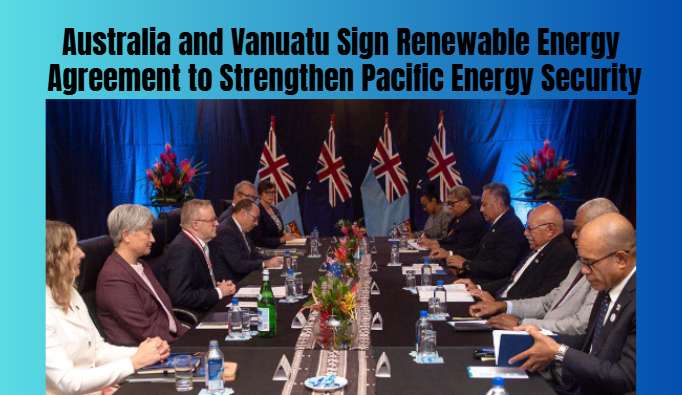
Australia has signed a new agreement with Vanuatu to support its renewable energy transition, alongside a $7.29 million regional package aimed at improv...
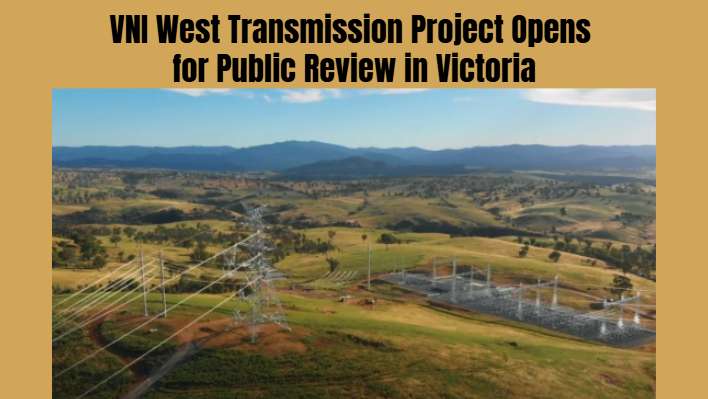
Victoria’s proposed VNI West electricity transmission project has entered a new public review stage today, with residents and communities invited to exa...
A former federal police officer says Victoria acted too slowly against the illegal tobacco trade, while Premier Ben Carroll has admitted the government...
Victoria’s proposed VNI West electricity transmission project has entered a new public review stage today, with residents and communities invited to exa...
A teenager has suffered serious burns after three cars caught fire in Melbourne’s north-west early Monday morning, with police investigating the inciden...
A man has died after being hit by a car on the Midland Highway near Magpie, south of Ballarat. Police are investigating the circumstances of the collisi...
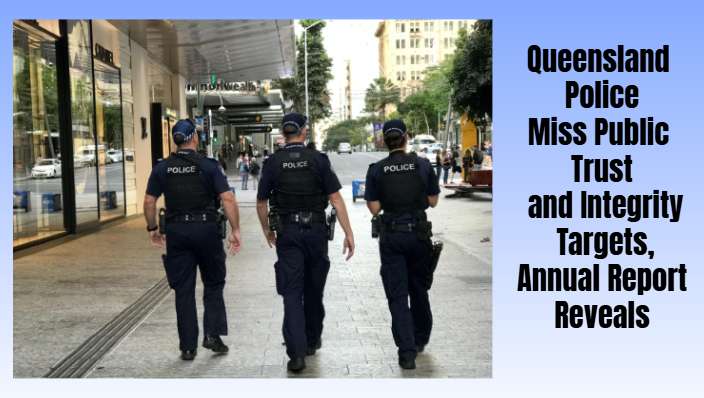
A Queensland Police Service annual report shows the service failed to meet its targets for public perceptions of honesty, trust, fairness and profession...
A Tasmanian parliamentary report has raised concerns over the government’s lease arrangements for the Derwent Entertainment Centre and the proposed sale...
A former federal police officer says Victoria acted too slowly against the illegal tobacco trade, while Premier Ben Carroll has admitted the government...
Australia has signed a new agreement with Vanuatu to support its renewable energy transition, alongside a $7.29 million regional package aimed at improv...