Meta Rejects Claims Policy Changes Triggered Rise in Antisemitism at Royal Commission
By Neha · Published 06 Jul 2026 · Updated 06 Jul 2026
Sydney, NSW · New South Wales News
Safety note: Admin approval is an initial review, not a guarantee that every detail is correct. Check important or urgent claims with official sources and report anything inaccurate or unsafe.
Source and credit: Contributor's own report
Meta Rejects Claims Policy Changes Triggered Rise in Antisemitism at Royal Commission - Sydney, NSW
Smart summary
Meta has defended its content moderation policies before Australia's Royal Commission on Antisemitism and Social Cohesion, rejecting claims that changes to its moderation approach led to an increase in antisemitic con...
Meta, the parent company of Facebook and Instagram, has defended its content moderation practices during a hearing before Australia's Royal Commission on Antisemitism and Social Cohesion, denying allegations that recent policy changes resulted in a rise in antisemitic content on its platforms. The hearing formed part of the commission's ongoing examination of how major technology companies respond to online hate speech and protect users from harmful content.
Meta's Global Director of Core Policy, Benjamin Good, appeared before the commission and was questioned about the company's decision to shift from proactive detection of some harmful content to a more reactive moderation model. Critics argued that this approach may have reduced the amount of hate speech removed before it was reported by users, contributing to concerns from Australia's Jewish community.
Good rejected those claims, telling the commission there was no evidence that Meta's policy changes had caused an increase in antisemitism on its platforms. He said the company remains committed to removing content that violates its policies and continues to prohibit antisemitic hate speech. According to Meta, the moderation changes were introduced to reduce incorrect removals of legitimate content while improving the accuracy of enforcement decisions.
During questioning, commissioners examined Meta's handling of reports involving antisemitic posts and asked why some offensive material had remained online despite being reported multiple times. The commission also explored whether Meta possesses sufficient artificial intelligence and moderation tools to identify harmful content before it spreads widely. Good acknowledged the company has advanced AI capabilities but said balancing user safety with freedom of expression remains a complex challenge.
The hearing follows earlier evidence presented to the commission by researchers, online safety experts and community organisations, who argued that extremist groups increasingly use coded language, memes and symbols to avoid automated moderation systems. Witnesses have called for stronger responsibilities on digital platforms to detect and remove harmful content more effectively while protecting vulnerable communities from online abuse.
Australia's Royal Commission on Antisemitism and Social Cohesion was established following the 2025 Bondi terrorist attack and is examining the causes of antisemitism, online radicalisation and ways to strengthen social cohesion. As part of its work, the commission has been hearing evidence from government agencies, technology companies, researchers and community representatives about the role digital platforms play in spreading or limiting hate speech.
Meta told the commission it continues investing in artificial intelligence, human reviewers and reporting systems designed to identify policy violations more accurately. Company representatives said they remain open to improving moderation processes and cooperating with Australian regulators, while maintaining that enforcement decisions must carefully balance safety, accuracy and freedom of expression.
The commission is expected to continue hearing evidence from major social media companies before delivering its final recommendations later this year. Its findings could influence future Australian laws governing online safety, platform accountability and the responsibilities of technology companies in addressing hate speech and harmful online content.
CommissionContentMetaOnlineModeration
Meta, the parent company of Facebook and Instagram, has defended its content moderation practices during a hearing before Australia's Royal Commission on Antisemitism and Social Cohesion, denying allegations that recent policy changes resulted in a rise in antisemitic content on its platforms. The hearing formed part of the commission's ongoing examination of how major technology companies respond to online hate speech and protect users from harmful content.
Meta's Global Director of Core Policy, Benjamin Good, appeared before the commission and was questioned about the company's decision to shift from proactive detection of some harmful content to a more reactive moderation model. Critics argued that this approach may have reduced the amount of hate speech removed before it was reported by users, contributing to concerns from Australia's Jewish community.
Good rejected those claims, telling the commission there was no evidence that Meta's policy changes had caused an increase in antisemitism on its platforms. He said the company remains committed to removing content that violates its policies and continues to prohibit antisemitic hate speech. According to Meta, the moderation changes were introduced to reduce incorrect removals of legitimate content while improving the accuracy of enforcement decisions.
During questioning, commissioners examined Meta's handling of reports involving antisemitic posts and asked why some offensive material had remained online despite being reported multiple times. The commission also explored whether Meta possesses sufficient artificial intelligence and moderation tools to identify harmful content before it spreads widely. Good acknowledged the company has advanced AI capabilities but said balancing user safety with freedom of expression remains a complex challenge.
The hearing follows earlier evidence presented to the commission by researchers, online safety experts and community organisations, who argued that extremist groups increasingly use coded language, memes and symbols to avoid automated moderation systems. Witnesses have called for stronger responsibilities on digital platforms to detect and remove harmful content more effectively while protecting vulnerable communities from online abuse.
Australia's Royal Commission on Antisemitism and Social Cohesion was established following the 2025 Bondi terrorist attack and is examining the causes of antisemitism, online radicalisation and ways to strengthen social cohesion. As part of its work, the commission has been hearing evidence from government agencies, technology companies, researchers and community representatives about the role digital platforms play in spreading or limiting hate speech.
Meta told the commission it continues investing in artificial intelligence, human reviewers and reporting systems designed to identify policy violations more accurately. Company representatives said they remain open to improving moderation processes and cooperating with Australian regulators, while maintaining that enforcement decisions must carefully balance safety, accuracy and freedom of expression.
The commission is expected to continue hearing evidence from major social media companies before delivering its final recommendations later this year. Its findings could influence future Australian laws governing online safety, platform accountability and the responsibilities of technology companies in addressing hate speech and harmful online content.
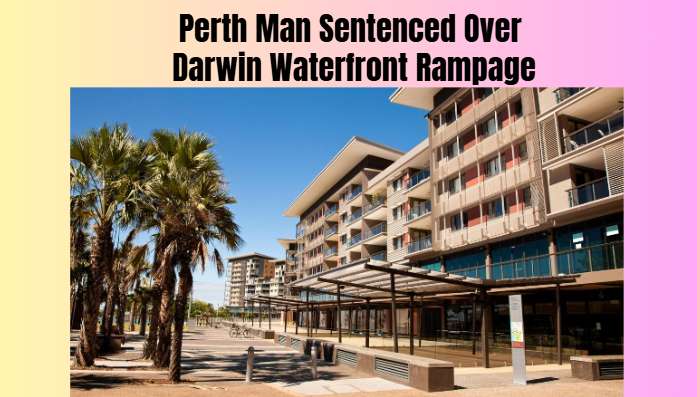
A 36-year-old man extradited from Perth has received a suspended prison sentence after being convicted over a violent incident involving four people at...
A teenager from Devonport has died and four other people were injured after a serious crash involving a ute on Mersey Main Road near Latrobe, Tasmania.
Northern Territory Police say a 40-year-old man allegedly assaulted four people with a crutch in Alice Springs, leaving two people requiring hospital tr...
A 33-year-old man has been charged with six offences following a police pursuit and arrest on the NSW Central Coast. Police say the incident began with...
A 33-year-old man has been charged with six offences following a police pursuit and arrest on the NSW Central Coast. Police say the incident began with...
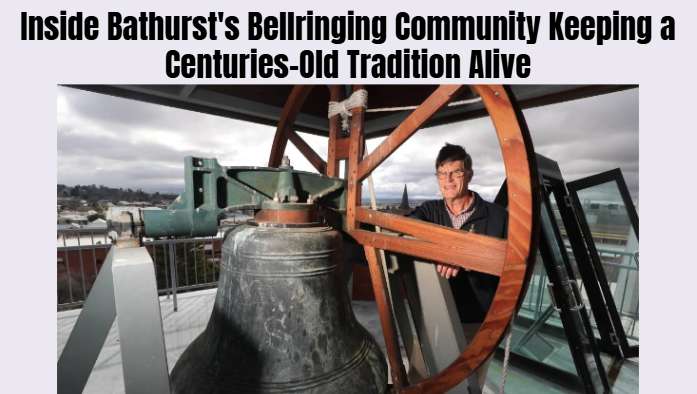
Bathurst bellringers are preparing to gather to celebrate a historic tradition dating back to 17th-century England, bringing together a community dedica...
New South Wales senator David Shoebridge has been elected leader of the Australian Greens following an internal party-room ballot, succeeding Larissa Wa...
Transport for NSW plans to hire local graziers and station owners to help repair roads damaged by months of heavy rain in the state’s Far West. However,...
A 36-year-old man extradited from Perth has received a suspended prison sentence after being convicted over a violent incident involving four people at...
Darwin's Frontier Bar and Grill manager Aston Bell has received two industry awards, recognising her leadership, customer service and contribution to th...
A teenager from Devonport has died and four other people were injured after a serious crash involving a ute on Mersey Main Road near Latrobe, Tasmania.