Neale Daniher’s Legacy Drives NSW Move to Make MND a Notifiable Disease
By Neha · Published 24 Jun 2026 · Updated 24 Jun 2026
Sydney, NSW · New South Wales News
Safety note: Admin approval is an initial review, not a guarantee that every detail is correct. Check important or urgent claims with official sources and report anything inaccurate or unsafe.
Source and credit: Contributor's own report
Neale Daniher’s Legacy Drives NSW Move to Make MND a Notifiable Disease - Sydney, NSW
Smart summary
The New South Wales Government has announced that Motor Neurone Disease (MND) will become a notifiable disease, a significant reform inspired by the advocacy and legacy of the late Neale Daniher and campaigners seekin...
The legacy of Australian sporting icon and MND advocate Neale Daniher has helped spark a major health policy change in New South Wales, with the state government announcing that Motor Neurone Disease (MND) will become a notifiable disease. The reform is designed to improve the collection of information about MND cases and provide researchers with a clearer understanding of the devastating illness.
NSW Health Minister Ryan Park told Parliament that healthcare providers, hospitals and laboratories will soon be required to report diagnosed cases of MND to health authorities. The change aims to create a more comprehensive picture of how the disease affects communities across the state and may help identify environmental, geographical or other factors linked to its development.
Notifiable diseases and conditions are those that must be formally reported to health authorities, enabling governments and researchers to monitor trends, gather accurate data and support public health responses. NSW already maintains reporting systems for a wide range of conditions, and MND will now join that framework.
The announcement follows years of advocacy from medical researchers, patient groups and politicians. Independent NSW MP Helen Dalton has been a prominent supporter of efforts to make MND a reportable condition, arguing that stronger data collection could improve understanding of the disease and accelerate research.
MND is a progressive neurological condition that attacks the nerve cells controlling movement, speech, swallowing and breathing. There is currently no cure, and in most cases the exact cause remains unknown. Researchers continue to investigate possible genetic, environmental and biological factors that may contribute to the disease.
The reform has been closely associated with the legacy of Neale Daniher, who died in May 2026 at the age of 65 after a 13-year battle with MND. A former AFL player and coach, Daniher became one of Australia's most influential health advocates, helping raise more than $157 million for research through initiatives including the annual Big Freeze campaign and the work of Fight MND.
Health Minister Park described Daniher as a great Australian whose efforts transformed public awareness of the disease. He said the new reporting requirements would help clinicians and researchers build a stronger evidence base in the search for improved treatments and, ultimately, a cure.
Researchers hope the enhanced data collection will support ongoing national initiatives aimed at improving diagnosis, treatment and care for people living with MND, while continuing the fight that Daniher championed for more than a decade.
DiseaseHealthDaniherResearchersWill
The legacy of Australian sporting icon and MND advocate Neale Daniher has helped spark a major health policy change in New South Wales, with the state government announcing that Motor Neurone Disease (MND) will become a notifiable disease. The reform is designed to improve the collection of information about MND cases and provide researchers with a clearer understanding of the devastating illness.
NSW Health Minister Ryan Park told Parliament that healthcare providers, hospitals and laboratories will soon be required to report diagnosed cases of MND to health authorities. The change aims to create a more comprehensive picture of how the disease affects communities across the state and may help identify environmental, geographical or other factors linked to its development.
Notifiable diseases and conditions are those that must be formally reported to health authorities, enabling governments and researchers to monitor trends, gather accurate data and support public health responses. NSW already maintains reporting systems for a wide range of conditions, and MND will now join that framework.
The announcement follows years of advocacy from medical researchers, patient groups and politicians. Independent NSW MP Helen Dalton has been a prominent supporter of efforts to make MND a reportable condition, arguing that stronger data collection could improve understanding of the disease and accelerate research.
MND is a progressive neurological condition that attacks the nerve cells controlling movement, speech, swallowing and breathing. There is currently no cure, and in most cases the exact cause remains unknown. Researchers continue to investigate possible genetic, environmental and biological factors that may contribute to the disease.
The reform has been closely associated with the legacy of Neale Daniher, who died in May 2026 at the age of 65 after a 13-year battle with MND. A former AFL player and coach, Daniher became one of Australia's most influential health advocates, helping raise more than $157 million for research through initiatives including the annual Big Freeze campaign and the work of Fight MND.
Health Minister Park described Daniher as a great Australian whose efforts transformed public awareness of the disease. He said the new reporting requirements would help clinicians and researchers build a stronger evidence base in the search for improved treatments and, ultimately, a cure.
Researchers hope the enhanced data collection will support ongoing national initiatives aimed at improving diagnosis, treatment and care for people living with MND, while continuing the fight that Daniher championed for more than a decade.
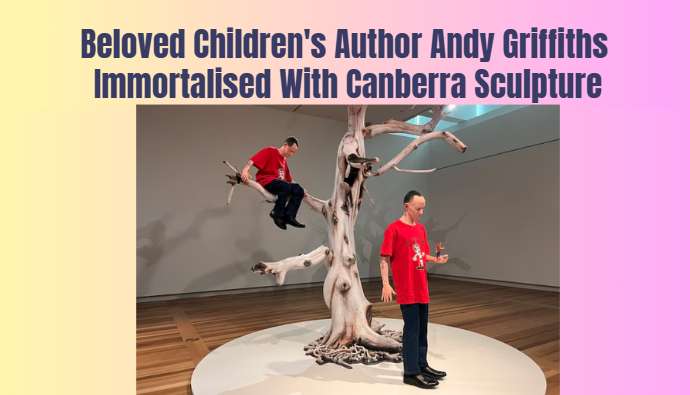
A four-metre-high 3D-printed sculpture celebrating Australian children's author Andy Griffiths has gone on display at Canberra's National Portrait Gallery.
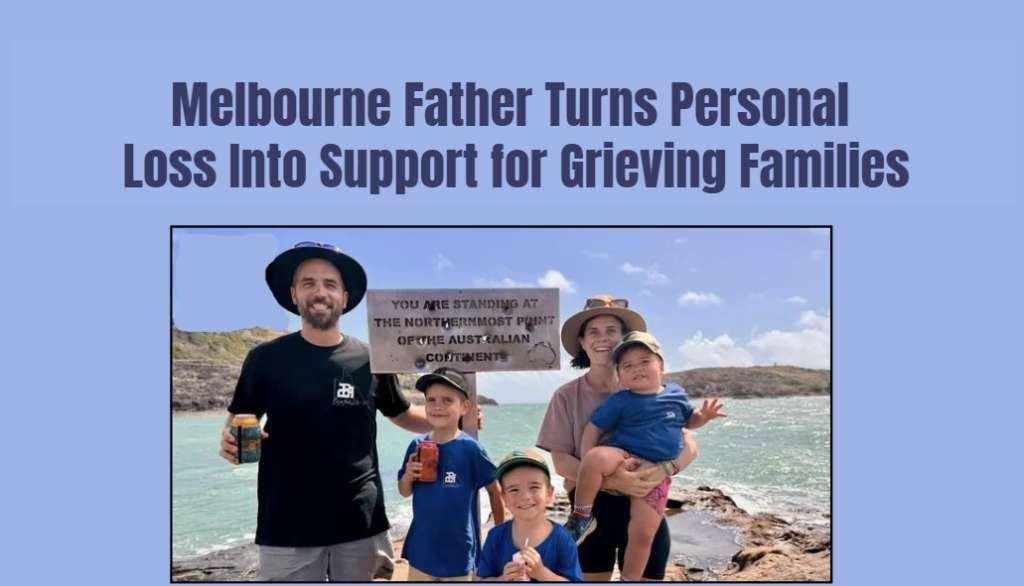
After losing two sons, Melbourne father Nick Olney has established a charity helping grieving parents preserve memories of their babies and access suppo...
A fire damaged the Moama Football and Netball Club's social rooms during Saturday's grand final, forcing about 1,000 people to leave the building becaus...
At least 80 positions have been identified for abolition as Tasmania restructures parts of its public service and works toward a broader reduction in go...
Multiple Rural Fire Service trucks were damaged after a planned hazard reduction burn at Wedderburn in Sydney's south-west escaped containment on Saturday.
Recent domestic violence-related deaths in New South Wales have highlighted concerns about gaps in identifying alleged perpetrators before serious viole...
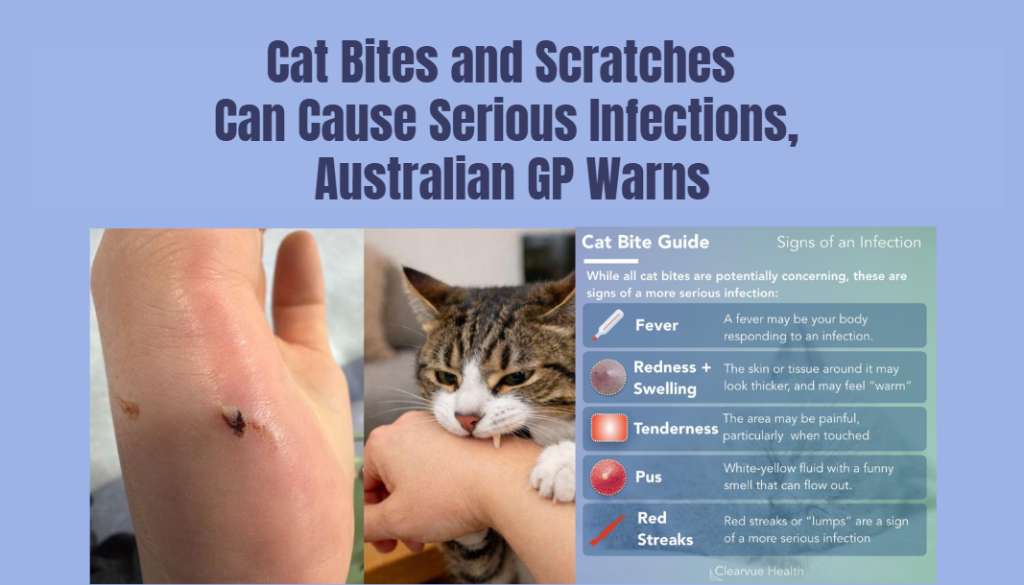
Australian health experts are warning that cat bites and scratches can cause severe infections, with hospitalisations from cat-related injuries nearly t...
A parliamentary petition calling for specialist endometriosis education in NSW public high schools has attracted more than 1,700 signatures, as health a...
A 50-year-old man has died after being struck by a vehicle in Fernvale, west of Brisbane, with police launching a homicide investigation and arresting a...
Multiple Rural Fire Service trucks were damaged after a planned hazard reduction burn at Wedderburn in Sydney's south-west escaped containment on Saturday.
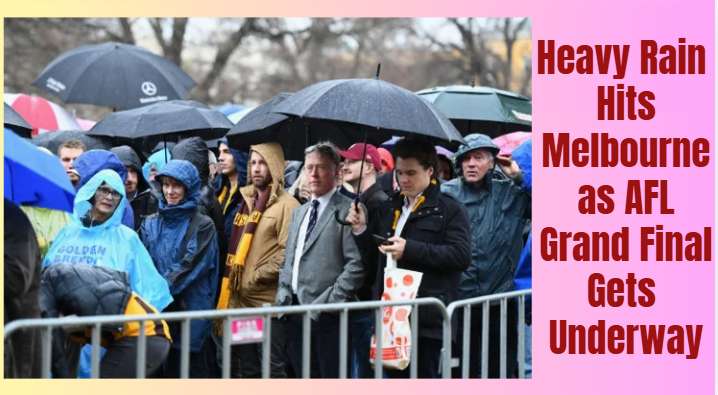
Wet conditions at the Melbourne Cricket Ground are creating difficult conditions for the AFL Grand Final, while poor weather has also disrupted flights...
Amateur astronomers are using new telescope technology to photograph the Moon, planets and distant galaxies from Brisbane homes, showing that city skies...