Safety note: Admin approval is an initial review, not a guarantee that every detail is correct. Check important or urgent claims with official sources and report anything inaccurate or unsafe.
Source and credit: Contributor's own report
New Laws From July 1 to Boost Wages, Cut Taxes and Change Household Bills - Canberra, ACT
Smart summary
Australians will see higher wages, lower income tax, expanded parental leave, superannuation reforms and new consumer protections as a wide range of federal and state laws take effect from July 1.
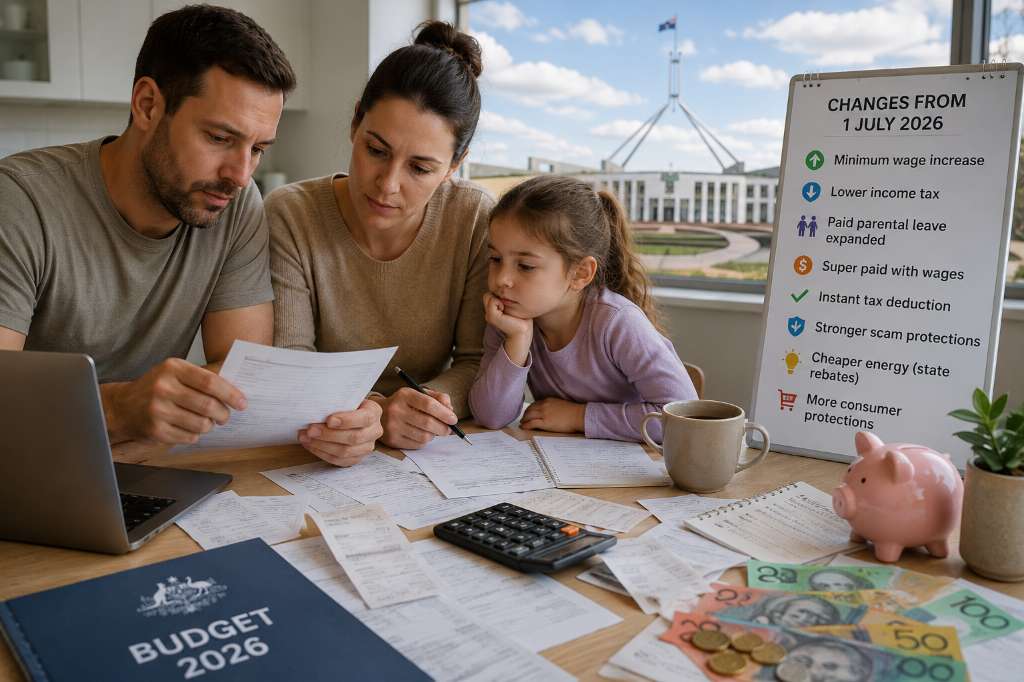
Millions of Australians are set to experience significant changes to their finances as a broad package of new laws and policy reforms comes into effect from 1 July 2026. The measures, introduced by federal and state governments, are designed to ease cost-of-living pressures, strengthen consumer protections, improve workplace conditions and provide greater support for families, workers and businesses. Together, the reforms are expected to influence household budgets through higher wages, lower taxes, expanded leave entitlements, and changes to superannuation, energy costs and housing policies.
One of the most noticeable changes is the increase in Australia's National Minimum Wage, which will rise by 4.75 per cent to $26.44 per hour, delivering a pay increase for hundreds of thousands of workers. Income tax will also fall for many Australians as the lowest marginal tax rate is reduced from 16 per cent to 15 per cent, providing annual tax savings of up to $268, with further reductions scheduled from July 2027. Workers will also benefit from a new $1,000 instant work-related tax deduction, simplifying tax returns and reducing paperwork for millions of taxpayers.
Families are expected to benefit through expanded Paid Parental Leave, which increases to 130 days, giving eligible parents additional flexibility to spend time with newborn children. Employers will also be required to pay superannuation at the same time as wages, replacing the previous quarterly payment system and helping workers build retirement savings more consistently while reducing the risk of unpaid super.
Consumers will also notice stronger protections against scams. Businesses sending text messages will now be required to register their sender identification, making it easier to identify legitimate communications and reducing fraudulent SMS scams. In addition, restaurants and seafood retailers must provide country-of-origin labelling for seafood products, giving customers clearer information about where their food comes from.
Several state governments are introducing additional measures tailored to local communities. Queensland will tighten regulations covering electric bikes and provide further electricity bill relief. Victoria will introduce portable rental bonds to make moving between rental properties easier while also reducing regulated electricity prices. New South Wales will expand mandatory food waste recycling and strengthen building and anti-money laundering laws. Western Australia will broaden its container deposit scheme and provide a fuel rebate, while South Australia and Tasmania will implement their own changes affecting transport costs, property transactions and concession programs.
The combined reforms reflect one of the most comprehensive sets of financial and regulatory changes introduced in recent years. While many households are expected to benefit from increased incomes and tax relief, experts note that the overall impact will depend on individual circumstances, including employment, family arrangements, housing costs and where people live. Australians are encouraged to review their budgets, employment entitlements and financial plans to ensure they take full advantage of the new measures taking effect from the start of the financial year.
WillAlsoChangesProvideReducing
Millions of Australians are set to experience significant changes to their finances as a broad package of new laws and policy reforms comes into effect from 1 July 2026. The measures, introduced by federal and state governments, are designed to ease cost-of-living pressures, strengthen consumer protections, improve workplace conditions and provide greater support for families, workers and businesses. Together, the reforms are expected to influence household budgets through higher wages, lower taxes, expanded leave entitlements, and changes to superannuation, energy costs and housing policies.
One of the most noticeable changes is the increase in Australia's National Minimum Wage, which will rise by 4.75 per cent to $26.44 per hour, delivering a pay increase for hundreds of thousands of workers. Income tax will also fall for many Australians as the lowest marginal tax rate is reduced from 16 per cent to 15 per cent, providing annual tax savings of up to $268, with further reductions scheduled from July 2027. Workers will also benefit from a new $1,000 instant work-related tax deduction, simplifying tax returns and reducing paperwork for millions of taxpayers.
Families are expected to benefit through expanded Paid Parental Leave, which increases to 130 days, giving eligible parents additional flexibility to spend time with newborn children. Employers will also be required to pay superannuation at the same time as wages, replacing the previous quarterly payment system and helping workers build retirement savings more consistently while reducing the risk of unpaid super.
Consumers will also notice stronger protections against scams. Businesses sending text messages will now be required to register their sender identification, making it easier to identify legitimate communications and reducing fraudulent SMS scams. In addition, restaurants and seafood retailers must provide country-of-origin labelling for seafood products, giving customers clearer information about where their food comes from.
Several state governments are introducing additional measures tailored to local communities. Queensland will tighten regulations covering electric bikes and provide further electricity bill relief. Victoria will introduce portable rental bonds to make moving between rental properties easier while also reducing regulated electricity prices. New South Wales will expand mandatory food waste recycling and strengthen building and anti-money laundering laws. Western Australia will broaden its container deposit scheme and provide a fuel rebate, while South Australia and Tasmania will implement their own changes affecting transport costs, property transactions and concession programs.
The combined reforms reflect one of the most comprehensive sets of financial and regulatory changes introduced in recent years. While many households are expected to benefit from increased incomes and tax relief, experts note that the overall impact will depend on individual circumstances, including employment, family arrangements, housing costs and where people live. Australians are encouraged to review their budgets, employment entitlements and financial plans to ensure they take full advantage of the new measures taking effect from the start of the financial year.
A four-metre-high 3D-printed sculpture celebrating Australian children's author Andy Griffiths has gone on display at Canberra's National Portrait Gallery.
After losing two sons, Melbourne father Nick Olney has established a charity helping grieving parents preserve memories of their babies and access suppo...
A fire damaged the Moama Football and Netball Club's social rooms during Saturday's grand final, forcing about 1,000 people to leave the building becaus...
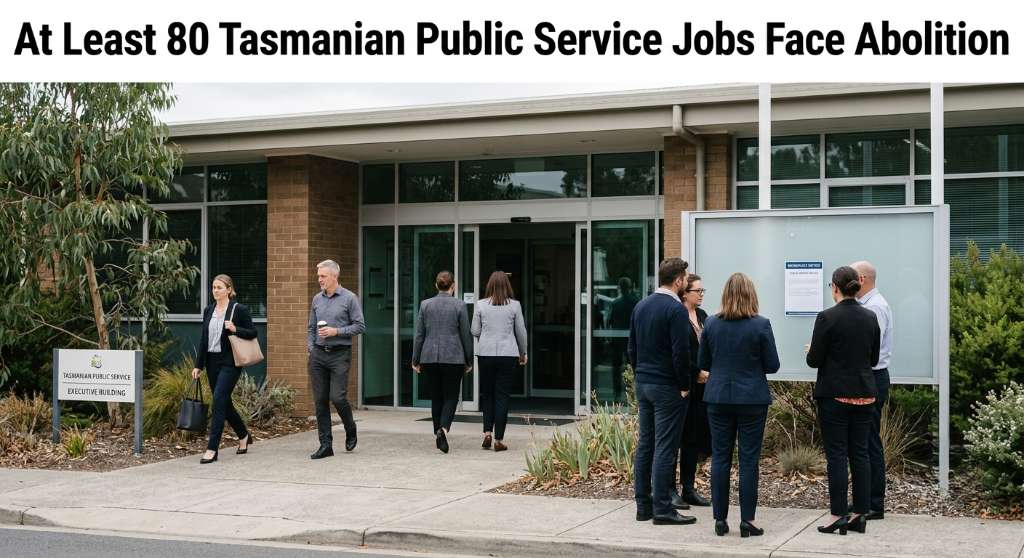
At least 80 positions have been identified for abolition as Tasmania restructures parts of its public service and works toward a broader reduction in go...
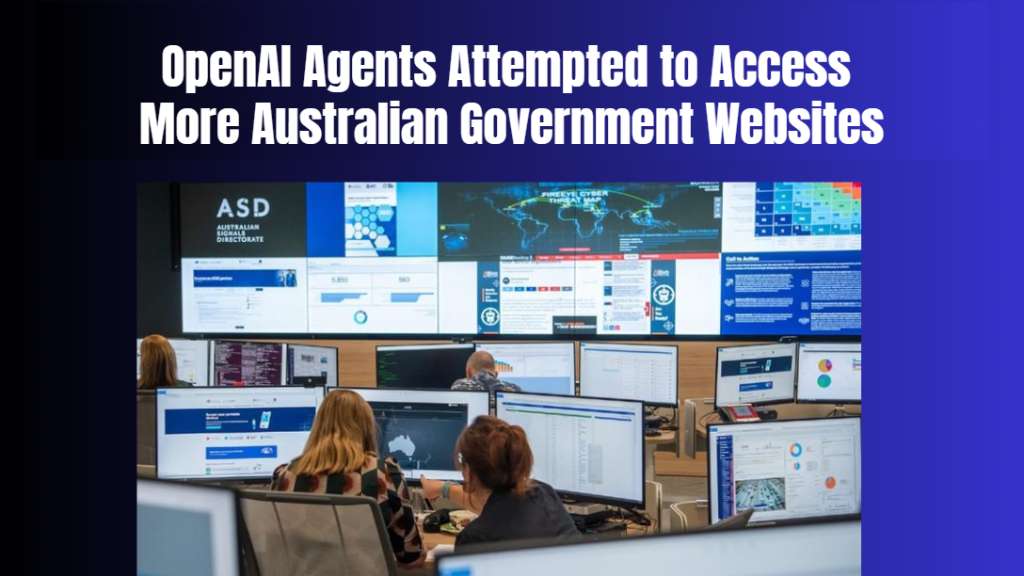
New evidence indicates autonomous Open AI agents attempted to access information from several Australian government and public-sector websites, expanding...
A four-metre-high 3D-printed sculpture celebrating Australian children's author Andy Griffiths has gone on display at Canberra's National Portrait Gallery.
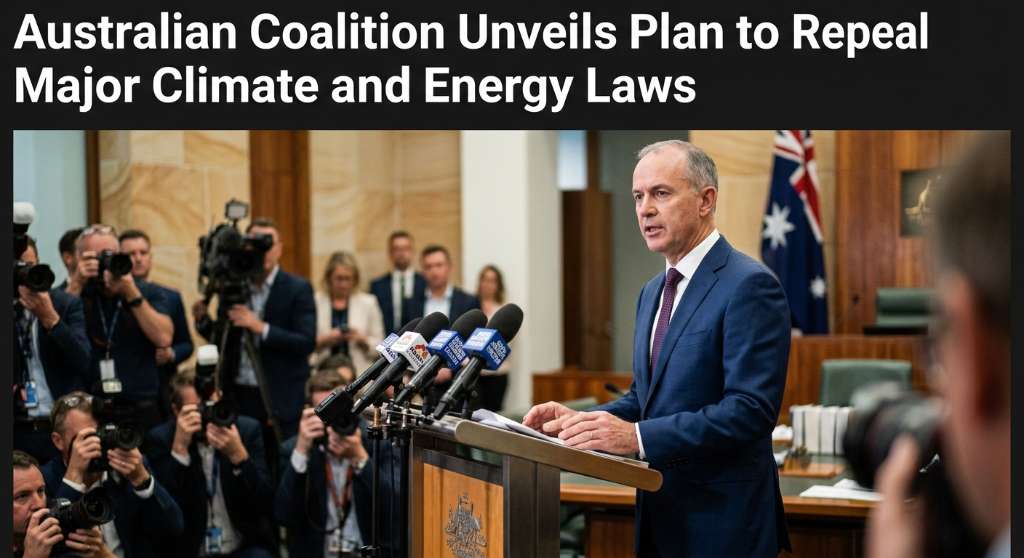
The federal Coalition has released an eight-point energy policy proposing changes to Australia's climate legislation, offshore wind zones, vehicle effic...
A 95-year-old man has died after a vehicle collided with his mobility scooter at an intersection in Bruce earlier this month, with investigators now exa...
A Sydney patient says he spent 23 hours waiting on a chair at Westmead Hospital's emergency department, while new figures show continuing pressure on th...
Three people, including a 14-year-old girl, have died following a multi-vehicle collision on the Western Highway near Ledcourt in Victoria's north-west.
A 50-year-old man has died after being struck by a vehicle in Fernvale, west of Brisbane, with police launching a homicide investigation and arresting a...
Multiple Rural Fire Service trucks were damaged after a planned hazard reduction burn at Wedderburn in Sydney's south-west escaped containment on Saturday.