Safety note: Admin approval is an initial review, not a guarantee that every detail is correct. Check important or urgent claims with official sources and report anything inaccurate or unsafe.
Source and credit: Contributor's own report
Shepparton Taxi Drivers Warn Rising Fuel Costs Are Putting Pressure on Local Services - Shepparton, VIC
Smart summary
Local taxi operators say higher fuel expenses are creating growing financial pressure, with each vehicle now costing significantly more to keep on the road.
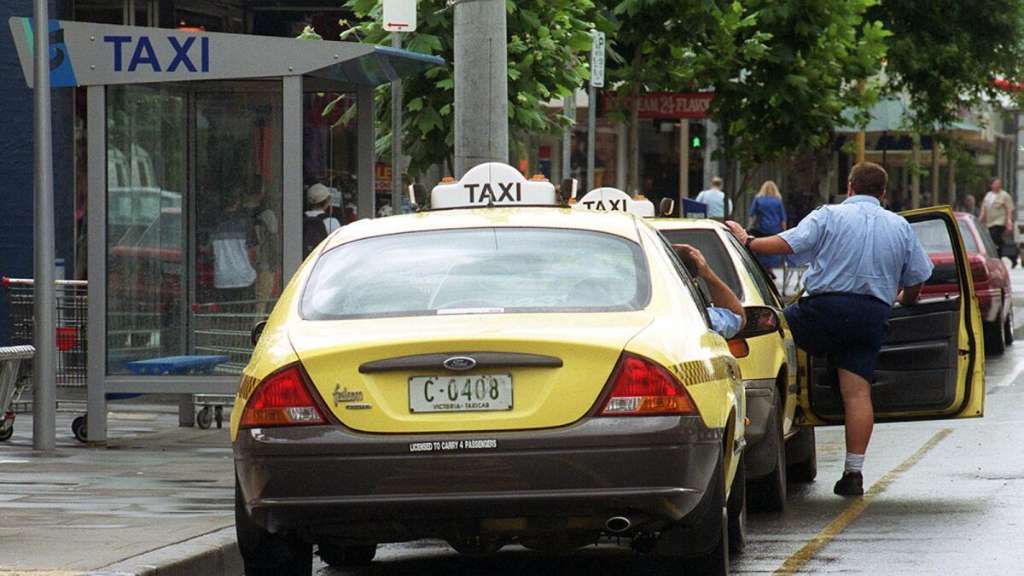
Taxi operators in Shepparton are facing increased operating costs as higher fuel prices put additional pressure on the local industry.
Local drivers say the end of the fuel excise discount on 2 August 2026 has made running taxis considerably more expensive. For operators who rely on their vehicles every day, fuel is one of their largest ongoing expenses.
The increase is particularly significant for full-time drivers who regularly travel across Shepparton and surrounding areas. Taxi vehicles can cover substantial distances during a normal working week, meaning even relatively small increases in the price of fuel can quickly add to operating costs.
One local operator said filling a vehicle now costs more than $120, with some full-time drivers needing to refuel approximately twice each week. For businesses operating multiple vehicles, the additional expense can become substantial over a month.
Taxi services play an important role in Shepparton and the wider Goulburn Valley. They provide transport for residents who do not have access to private vehicles, people travelling to medical appointments, older residents, visitors and passengers needing transport outside regular public-transport routes.
The industry is therefore sensitive to increases in operating expenses because taxis need to remain available while operators also have to manage maintenance, insurance, registration and other business costs.
Fuel is only one component of the overall cost of operating a taxi, but it is one that can change quickly. When petrol and diesel prices rise, drivers have limited ability to reduce consumption because providing the service requires regular travel.
For local operators, the increased cost creates a difficult balance. Raising fares could help offset additional expenses, but higher fares could also affect demand from passengers who are already dealing with rising household costs.
Keeping fares unchanged, meanwhile, means operators absorb more of the increased expense themselves.
The situation is particularly challenging for small businesses and independent drivers who may have fewer vehicles and less financial capacity to absorb sudden increases.
Local taxi companies also compete with other forms of transport, including private vehicles, buses and app-based rides. Maintaining competitive prices while covering higher operating costs can therefore be difficult.
The increased fuel expenses may also affect decisions about vehicle use and replacement. Operators need reliable vehicles because breakdowns can interrupt services and create additional repair costs.
For passengers, taxis remain an important part of Shepparton's transport network. Some customers rely on taxis because they cannot drive themselves or because public transport does not provide a suitable route or timetable.
Medical and healthcare-related journeys are particularly important in regional centres, where residents from surrounding communities may need to travel into Shepparton for appointments and services.
The pressure on taxi operators therefore has implications beyond individual businesses. If operating costs continue increasing, transport providers may need to reassess how services are delivered and how prices are structured.
Despite the challenges, local drivers continue operating services across Shepparton and the surrounding Goulburn Valley.
The current situation provides a new local business and transport story for Shepparton, focusing on the impact of fuel costs rather than the flooding, vehicle theft and community events covered previously.
CostsFuelOperatingSheppartonDrivers
Taxi operators in Shepparton are facing increased operating costs as higher fuel prices put additional pressure on the local industry.
Local drivers say the end of the fuel excise discount on 2 August 2026 has made running taxis considerably more expensive. For operators who rely on their vehicles every day, fuel is one of their largest ongoing expenses.
The increase is particularly significant for full-time drivers who regularly travel across Shepparton and surrounding areas. Taxi vehicles can cover substantial distances during a normal working week, meaning even relatively small increases in the price of fuel can quickly add to operating costs.
One local operator said filling a vehicle now costs more than $120, with some full-time drivers needing to refuel approximately twice each week. For businesses operating multiple vehicles, the additional expense can become substantial over a month.
Taxi services play an important role in Shepparton and the wider Goulburn Valley. They provide transport for residents who do not have access to private vehicles, people travelling to medical appointments, older residents, visitors and passengers needing transport outside regular public-transport routes.
The industry is therefore sensitive to increases in operating expenses because taxis need to remain available while operators also have to manage maintenance, insurance, registration and other business costs.
Fuel is only one component of the overall cost of operating a taxi, but it is one that can change quickly. When petrol and diesel prices rise, drivers have limited ability to reduce consumption because providing the service requires regular travel.
For local operators, the increased cost creates a difficult balance. Raising fares could help offset additional expenses, but higher fares could also affect demand from passengers who are already dealing with rising household costs.
Keeping fares unchanged, meanwhile, means operators absorb more of the increased expense themselves.
The situation is particularly challenging for small businesses and independent drivers who may have fewer vehicles and less financial capacity to absorb sudden increases.
Local taxi companies also compete with other forms of transport, including private vehicles, buses and app-based rides. Maintaining competitive prices while covering higher operating costs can therefore be difficult.
The increased fuel expenses may also affect decisions about vehicle use and replacement. Operators need reliable vehicles because breakdowns can interrupt services and create additional repair costs.
For passengers, taxis remain an important part of Shepparton's transport network. Some customers rely on taxis because they cannot drive themselves or because public transport does not provide a suitable route or timetable.
Medical and healthcare-related journeys are particularly important in regional centres, where residents from surrounding communities may need to travel into Shepparton for appointments and services.
The pressure on taxi operators therefore has implications beyond individual businesses. If operating costs continue increasing, transport providers may need to reassess how services are delivered and how prices are structured.
Despite the challenges, local drivers continue operating services across Shepparton and the surrounding Goulburn Valley.
The current situation provides a new local business and transport story for Shepparton, focusing on the impact of fuel costs rather than the flooding, vehicle theft and community events covered previously.
Australian shoppers and small businesses are preparing for changes to card-payment surcharges, with new Reserve Bank rules due to take effect from Octob...
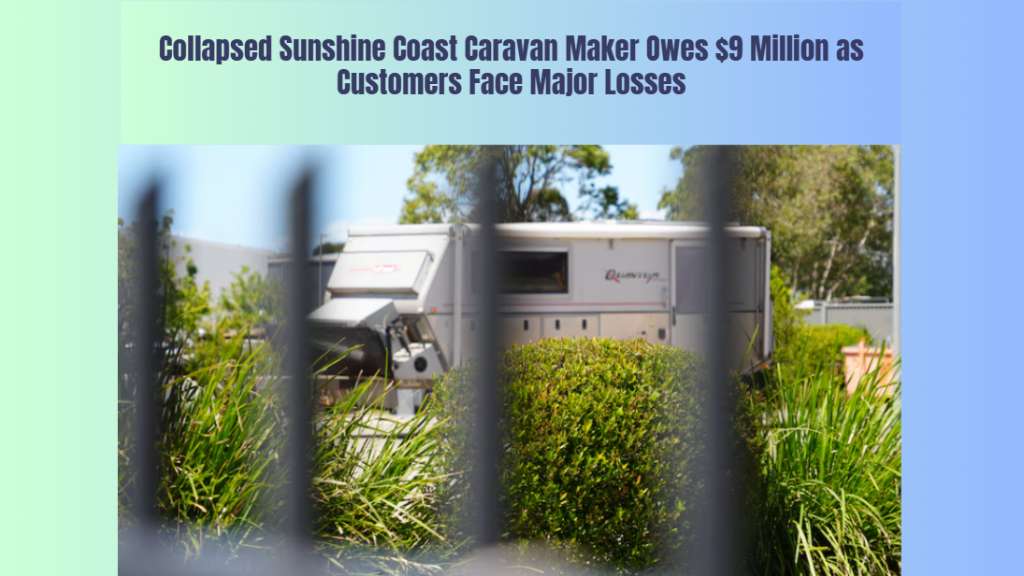
Administrators have revealed Australian Off Road owes about $9 million after the Sunshine Coast caravan manufacturer collapsed, leaving customers, emplo...
Bathurst New South Wales · Business News · 21 Sep 2026
Bathurst-based Bell Conveyancing has received three honours at the 2026 Carillon Business Awards, marking a significant recognition for the local business and its work in the re...
Brisbane is hosting a three-day national conference focused on critical minerals, supply chains, processing, investment and the future of Australia's re...
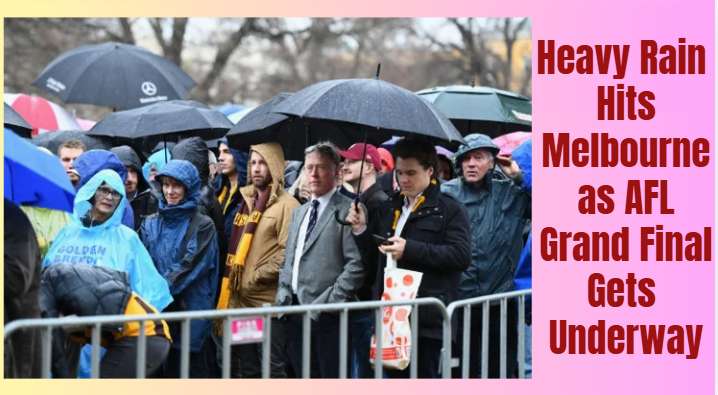
Wet conditions at the Melbourne Cricket Ground are creating difficult conditions for the AFL Grand Final, while poor weather has also disrupted flights...
Police have arrested three teenagers after a man was allegedly stabbed while confronting a group of boys attempting to break into a car in Melbourne’s s...
After losing two sons, Melbourne father Nick Olney has established a charity helping grieving parents preserve memories of their babies and access suppo...
A Sydney patient says he spent 23 hours waiting on a chair at Westmead Hospital's emergency department, while new figures show continuing pressure on th...
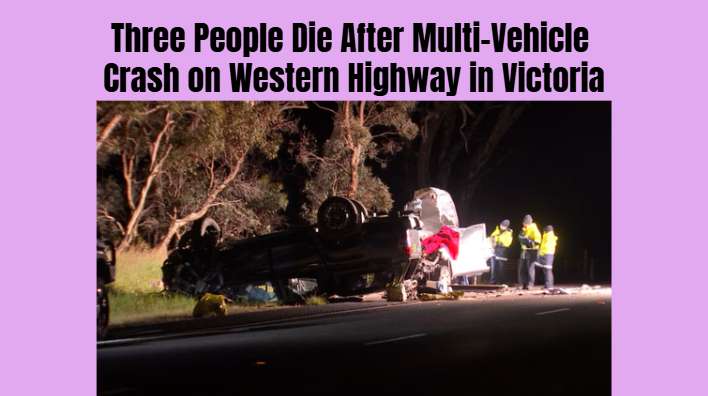
Three people, including a 14-year-old girl, have died following a multi-vehicle collision on the Western Highway near Ledcourt in Victoria's north-west.
A 50-year-old man has died after being struck by a vehicle in Fernvale, west of Brisbane, with police launching a homicide investigation and arresting a...
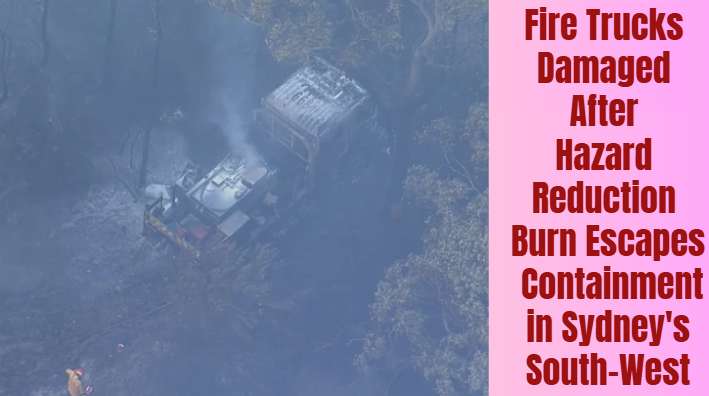
Multiple Rural Fire Service trucks were damaged after a planned hazard reduction burn at Wedderburn in Sydney's south-west escaped containment on Saturday.