Safety note: Admin approval is an initial review, not a guarantee that every detail is correct. Check important or urgent claims with official sources and report anything inaccurate or unsafe.
Source and credit: Contributor's own report
Australian Retailers Prepare for Major Change to Card Surcharges - Sydney, NSW
Smart summary
Australian shoppers and small businesses are preparing for changes to card-payment surcharges, with new Reserve Bank rules due to take effect from October 1.
Australian shoppers are facing changes to the way card-payment surcharges are handled as new rules from the Reserve Bank of Australia approach. The changes are expected to affect businesses that charge customers additional fees when they pay using cards or other electronic payment methods.
Card surcharges have become a regular part of everyday transactions in Australia. Customers may encounter an additional fee when paying by credit card, debit card or certain electronic payment methods. For small businesses, these charges have also become an important way of recovering the costs associated with accepting electronic payments.
According to the latest ABC report, card surcharges can cost small businesses thousands of dollars in payment fees each year. Some businesses pass these costs directly on to customers through a surcharge, while others absorb part or all of the expense themselves.
The Reserve Bank is preparing changes that will affect payment surcharges from October 1. The reforms are part of broader changes to Australia's payments system and are intended to address the costs associated with card transactions.
For consumers, the changes could make payment costs more transparent. Businesses will need to review how they calculate and display surcharges and ensure their payment systems comply with the new requirements.
The issue has been particularly important for smaller retailers, cafes, restaurants and service businesses, where payment processing fees can represent a noticeable operating cost. A business processing thousands of electronic transactions can accumulate significant fees over the course of a year.
The debate also highlights Australia's changing payment habits. Australians increasingly use cards and digital payment services for everyday purchases, reducing their reliance on cash. For many businesses, electronic payments are now a routine part of trading.
However, payment fees remain a cost for merchants. Businesses that accept card payments generally pay fees to payment providers and financial institutions. Some merchants recover these costs by adding a surcharge to customers' bills.
The upcoming changes mean businesses will need to check their existing pricing and payment arrangements. Customers may also notice differences in the way additional payment costs are presented at checkout.
The Reserve Bank's changes are therefore likely to have an impact across a wide range of Australian businesses, particularly smaller retailers that operate on tight margins.
For shoppers, the main change to watch will be how payment fees appear during transactions after the new rules begin. Businesses will need to make sure any applicable charges are clearly communicated and handled according to the updated requirements.
The changes are part of Australia's continuing adjustment to a rapidly evolving payments environment, where electronic transactions have become increasingly common.
PaymentBusinessesChangesCardFees
Australian shoppers are facing changes to the way card-payment surcharges are handled as new rules from the Reserve Bank of Australia approach. The changes are expected to affect businesses that charge customers additional fees when they pay using cards or other electronic payment methods.
Card surcharges have become a regular part of everyday transactions in Australia. Customers may encounter an additional fee when paying by credit card, debit card or certain electronic payment methods. For small businesses, these charges have also become an important way of recovering the costs associated with accepting electronic payments.
According to the latest ABC report, card surcharges can cost small businesses thousands of dollars in payment fees each year. Some businesses pass these costs directly on to customers through a surcharge, while others absorb part or all of the expense themselves.
The Reserve Bank is preparing changes that will affect payment surcharges from October 1. The reforms are part of broader changes to Australia's payments system and are intended to address the costs associated with card transactions.
For consumers, the changes could make payment costs more transparent. Businesses will need to review how they calculate and display surcharges and ensure their payment systems comply with the new requirements.
The issue has been particularly important for smaller retailers, cafes, restaurants and service businesses, where payment processing fees can represent a noticeable operating cost. A business processing thousands of electronic transactions can accumulate significant fees over the course of a year.
The debate also highlights Australia's changing payment habits. Australians increasingly use cards and digital payment services for everyday purchases, reducing their reliance on cash. For many businesses, electronic payments are now a routine part of trading.
However, payment fees remain a cost for merchants. Businesses that accept card payments generally pay fees to payment providers and financial institutions. Some merchants recover these costs by adding a surcharge to customers' bills.
The upcoming changes mean businesses will need to check their existing pricing and payment arrangements. Customers may also notice differences in the way additional payment costs are presented at checkout.
The Reserve Bank's changes are therefore likely to have an impact across a wide range of Australian businesses, particularly smaller retailers that operate on tight margins.
For shoppers, the main change to watch will be how payment fees appear during transactions after the new rules begin. Businesses will need to make sure any applicable charges are clearly communicated and handled according to the updated requirements.
The changes are part of Australia's continuing adjustment to a rapidly evolving payments environment, where electronic transactions have become increasingly common.
Administrators have revealed Australian Off Road owes about $9 million after the Sunshine Coast caravan manufacturer collapsed, leaving customers, emplo...
Bathurst New South Wales · Business News · 21 Sep 2026
Bathurst-based Bell Conveyancing has received three honours at the 2026 Carillon Business Awards, marking a significant recognition for the local business and its work in the re...
Brisbane is hosting a three-day national conference focused on critical minerals, supply chains, processing, investment and the future of Australia's re...
Central Coast New South Wales · Business News · 18 Sep 2026
More than 130 oyster-lease operators on the Central Coast are set to benefit from reforms announced by the NSW Government, with the changes designed to provide greater certainty...
A parliamentary petition calling for specialist endometriosis education in NSW public high schools has attracted more than 1,700 signatures, as health a...
A firearms expert has told a court that a gun presented as evidence in the murder investigation involving two Australian brothers and their American fri...
Prime Minister Anthony Albanese has launched Australia's campaign for a two-year seat on the United Nations Security Council while signing a decade-long...
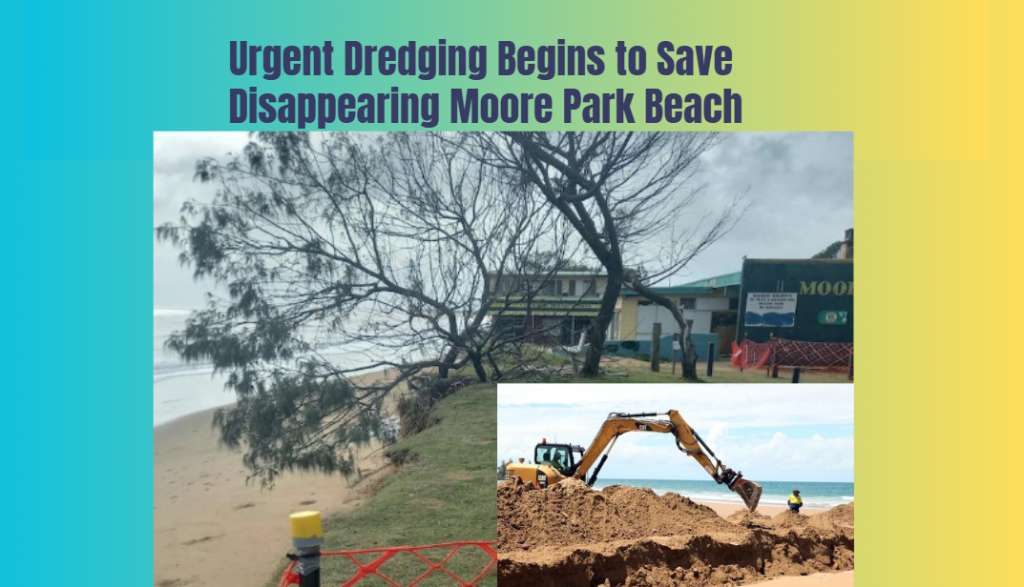
Emergency dredging has begun at Moore Park Beach near Bundaberg after severe erosion washed away sections of the coastline and shifted the mouth of Moor...
A parliamentary petition calling for specialist endometriosis education in NSW public high schools has attracted more than 1,700 signatures, as health a...
A firearms expert has told a court that a gun presented as evidence in the murder investigation involving two Australian brothers and their American fri...