Safety note: Admin approval is an initial review, not a guarantee that every detail is correct. Check important or urgent claims with official sources and report anything inaccurate or unsafe.
Source and credit: Contributor's own report
New Regional Climate Partnership Extended for Three More Years - Ipswich, Queensland
Smart summary
Ipswich City Council will continue hosting the SEQ Climate Resilient Alliance as the regional partnership expands its work on climate resilience.
A regional climate-resilience partnership hosted by Ipswich City Council has been extended for another three years, allowing councils and partner organisations across South East Queensland to continue working together on climate-related challenges.
The SEQ Climate Resilient Alliance brings together local governments and other organisations to improve the region's ability to prepare for and respond to climate-related risks.
For Ipswich, the continuation of the alliance is significant because the city is part of a rapidly growing South East Queensland region facing increasing pressure from population growth, extreme weather and changing environmental conditions.
The partnership provides a way for councils to share information, knowledge and practical approaches rather than addressing climate-resilience challenges independently.
A major benefit of regional cooperation is that environmental risks do not stop at council boundaries. Flooding, extreme weather, heat and other hazards can affect multiple communities at the same time, making coordinated planning particularly important.
The extended partnership will allow participating organisations to continue developing resilience initiatives and sharing lessons from projects across South East Queensland.
For local communities, climate-resilience planning can influence infrastructure, emergency preparedness, environmental management and future development.
Ipswich has experienced significant growth in recent years, increasing the importance of ensuring that new development and infrastructure can withstand future environmental pressures.
The alliance also provides opportunities for councils to learn from each other's experiences and identify approaches that could be adapted for local conditions.
The continuation of the partnership demonstrates that climate resilience remains a long-term planning priority rather than a short-term project.
For Ipswich residents, the work may eventually influence how the city prepares for extreme weather and manages future growth.
The partnership's extended three-year term provides participating councils with more time to develop practical projects and strengthen cooperation across the region.
PartnershipCouncilsEnvironmentalExtendedIpswich
A regional climate-resilience partnership hosted by Ipswich City Council has been extended for another three years, allowing councils and partner organisations across South East Queensland to continue working together on climate-related challenges.
The SEQ Climate Resilient Alliance brings together local governments and other organisations to improve the region's ability to prepare for and respond to climate-related risks.
For Ipswich, the continuation of the alliance is significant because the city is part of a rapidly growing South East Queensland region facing increasing pressure from population growth, extreme weather and changing environmental conditions.
The partnership provides a way for councils to share information, knowledge and practical approaches rather than addressing climate-resilience challenges independently.
A major benefit of regional cooperation is that environmental risks do not stop at council boundaries. Flooding, extreme weather, heat and other hazards can affect multiple communities at the same time, making coordinated planning particularly important.
The extended partnership will allow participating organisations to continue developing resilience initiatives and sharing lessons from projects across South East Queensland.
For local communities, climate-resilience planning can influence infrastructure, emergency preparedness, environmental management and future development.
Ipswich has experienced significant growth in recent years, increasing the importance of ensuring that new development and infrastructure can withstand future environmental pressures.
The alliance also provides opportunities for councils to learn from each other's experiences and identify approaches that could be adapted for local conditions.
The continuation of the partnership demonstrates that climate resilience remains a long-term planning priority rather than a short-term project.
For Ipswich residents, the work may eventually influence how the city prepares for extreme weather and manages future growth.
The partnership's extended three-year term provides participating councils with more time to develop practical projects and strengthen cooperation across the region.
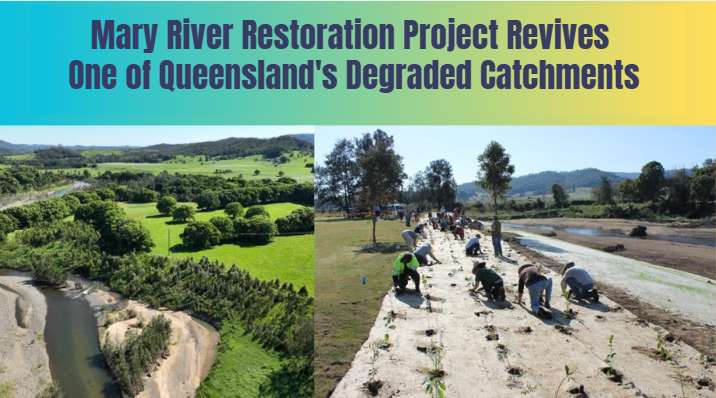
A long-running community restoration effort along Queensland's Mary River is reducing erosion, improving water quality and helping restore habitat for n...
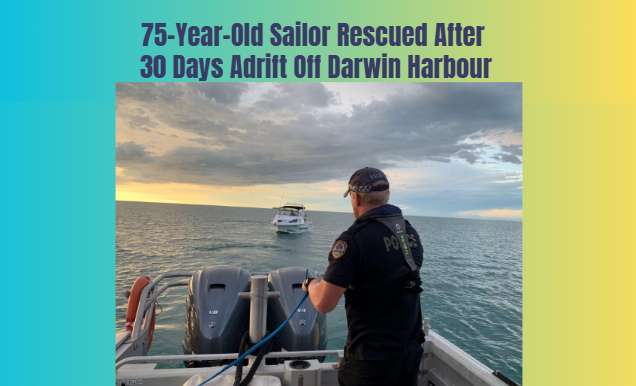
A 75-year-old sailor has been rescued after spending 30 days at sea near Darwin Harbour, with three strangers coming to his aid after his supplies were...
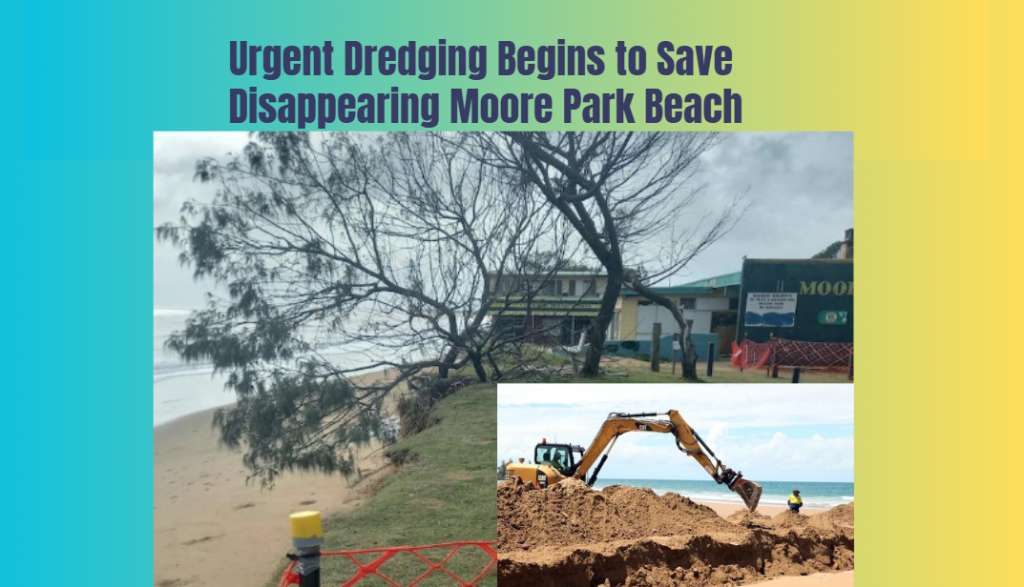
Emergency dredging has begun at Moore Park Beach near Bundaberg after severe erosion washed away sections of the coastline and shifted the mouth of Moor...
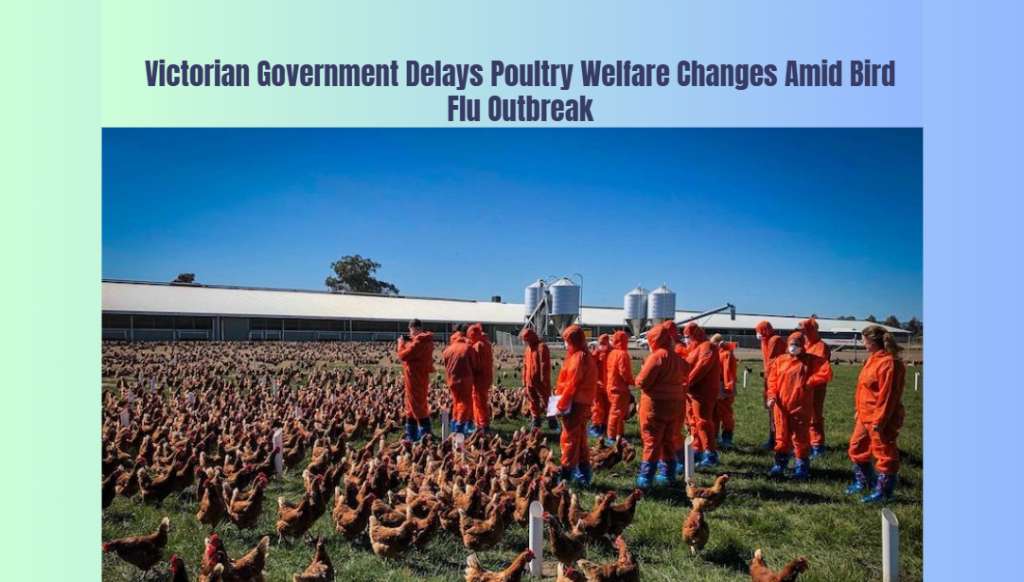
Victoria has delayed tougher poultry and caged-egg regulations by 12 months as authorities and producers respond to the spread of H5N1 bird flu across t...
Australian cyclist Sarah Gigante is back racing internationally after more than a year away from competition and will lead a four-rider Australian team...
Adam Scott and Min Woo Lee played key roles as the International team produced a clean sweep against the United States in the second-day foursomes at th...
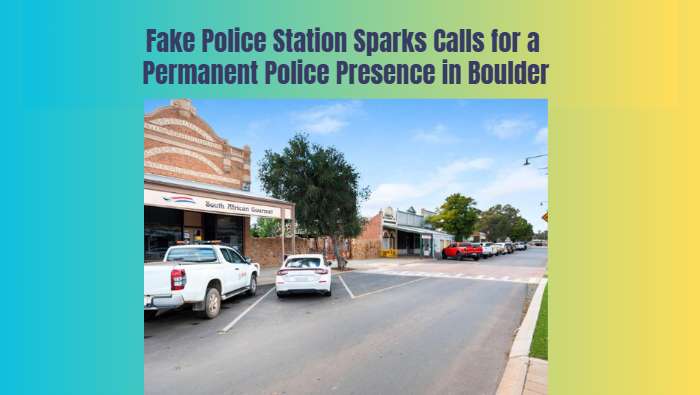
A temporary police station created as a film set in Boulder appeared to calm activity on Burt Street, prompting locals to renew calls for a permanent 24...
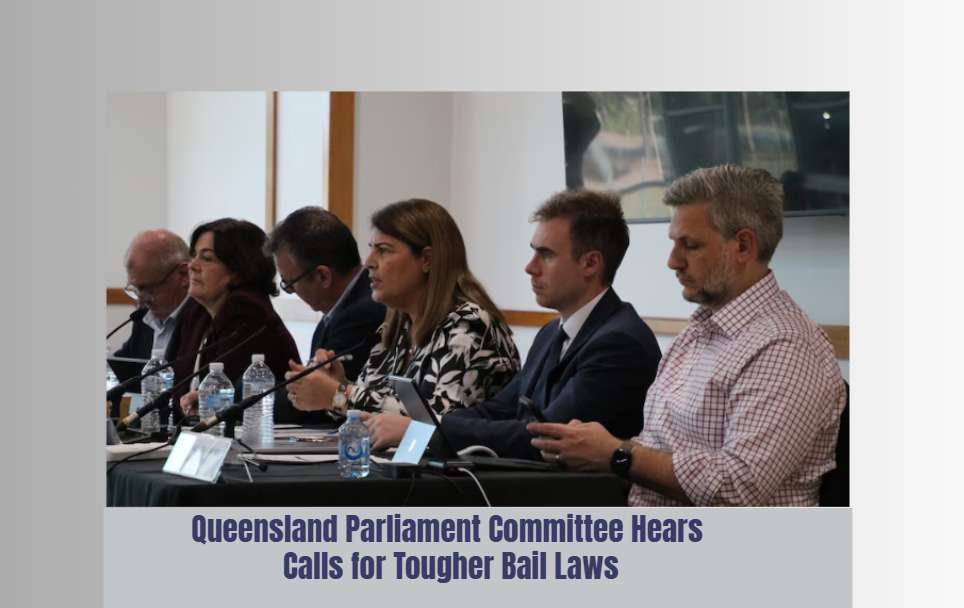
A Queensland parliamentary committee has completed regional hearings on proposed tougher bail laws, hearing from crime victims, legal experts and commun...
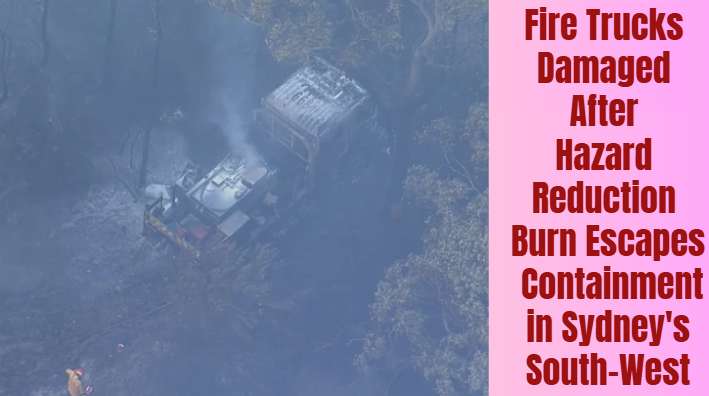
Multiple Rural Fire Service trucks were damaged after a planned hazard reduction burn at Wedderburn in Sydney's south-west escaped containment on Saturday.
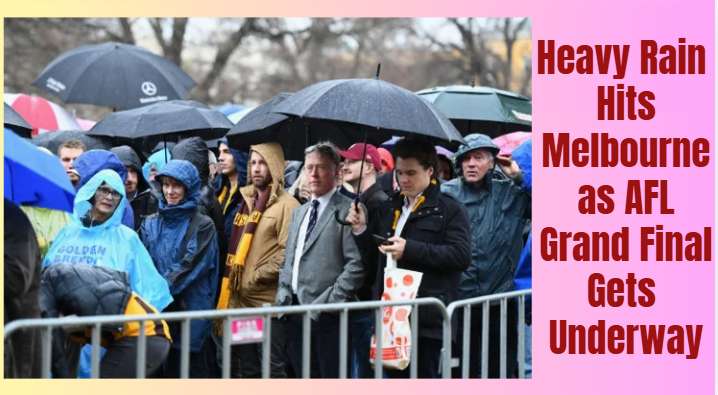
Wet conditions at the Melbourne Cricket Ground are creating difficult conditions for the AFL Grand Final, while poor weather has also disrupted flights...
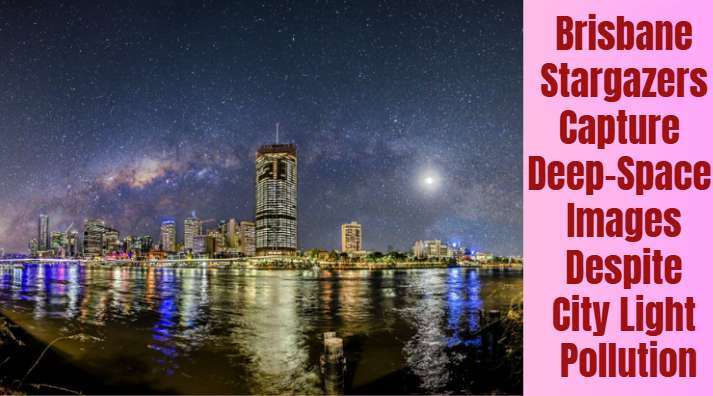
Amateur astronomers are using new telescope technology to photograph the Moon, planets and distant galaxies from Brisbane homes, showing that city skies...
Australian cyclist Sarah Gigante is back racing internationally after more than a year away from competition and will lead a four-rider Australian team...