Northern Australia Holds Nation's Biggest Growth Opportunities, Industry Leaders Say
By Neha · Published 04 Jul 2026 · Updated 04 Jul 2026
Mackay, Queensland · Queensland News
Safety note: Admin approval is an initial review, not a guarantee that every detail is correct. Check important or urgent claims with official sources and report anything inaccurate or unsafe.
Source and credit: Contributor's own report
Northern Australia Holds Nation's Biggest Growth Opportunities, Industry Leaders Say - Mackay, Queensland
Smart summary
Business and regional development leaders say Northern Australia is well positioned to drive Australia's future through mining, agriculture, renewable energy, critical minerals and infrastructure investment.
Northern Australia is being promoted as one of the country's greatest economic opportunities, with industry leaders calling for increased investment in infrastructure, workforce development and innovation to unlock the region's full potential. Speaking at regional development discussions, business representatives highlighted the vast opportunities across Queensland, the Northern Territory and northern Western Australia, arguing that the north will play a vital role in Australia's long-term economic growth.
The region is rich in natural resources, including critical minerals, coal, gas and agricultural land, while also offering significant potential for renewable energy projects such as solar, wind and green hydrogen. Industry experts believe global demand for clean energy technologies and essential minerals presents Northern Australia with a unique opportunity to expand processing, manufacturing and export industries rather than relying solely on raw resource extraction.
Agriculture remains another major growth sector. Northern Australia produces substantial quantities of beef, sugar, tropical fruits, grains and other agricultural products that are exported to markets throughout Asia and beyond. Continued investment in water infrastructure, transport networks and supply chains is expected to improve productivity and strengthen the region's international competitiveness.
Mining and mining services also continue to underpin regional economies. New critical minerals projects involving lithium, cobalt, rare earth elements and vanadium are expected to complement traditional coal and base metal industries. Supporters argue that expanding downstream processing within Australia would create additional skilled jobs and generate greater economic value before products are exported overseas.
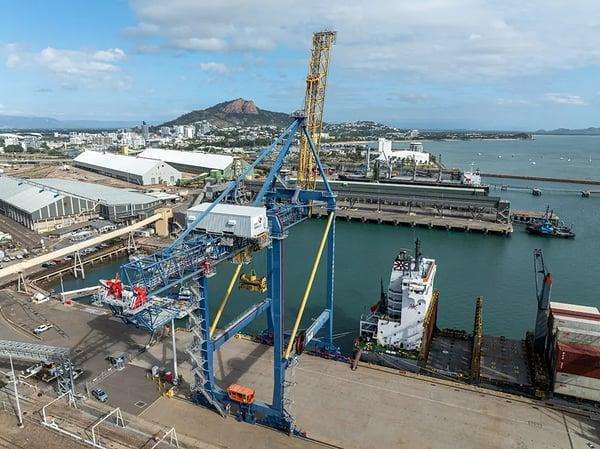
Improving transport infrastructure remains one of the highest priorities identified by industry leaders. Upgrades to highways, rail corridors, ports and airports are viewed as essential for supporting growing export industries and attracting private investment. Better digital connectivity, telecommunications and energy infrastructure are also considered critical to encouraging business growth across remote and regional communities.
Another key focus is workforce development. Businesses are calling for increased training opportunities, apprenticeships and partnerships with universities and vocational education providers to ensure workers have the skills required for emerging industries. Addressing labour shortages and attracting skilled professionals to regional communities will be important for sustaining future growth.
Industry representatives also emphasised the importance of collaboration between governments, Indigenous organisations, research institutions and private industry. They believe coordinated planning and long-term policy certainty will encourage greater investment while ensuring economic development delivers lasting benefits for local communities.
Environmental sustainability remains an important consideration as development expands. Many projects are incorporating cleaner technologies, improved environmental management and stronger engagement with Traditional Owners to balance economic growth with responsible stewardship of natural resources.
Supporters argue that Northern Australia's strategic location close to fast-growing Asian markets provides a significant competitive advantage. Combined with abundant natural resources, established export industries and increasing investment in advanced manufacturing and renewable energy, the region is viewed as being well placed to become a major driver of Australia's future prosperity.
While challenges such as infrastructure gaps, workforce shortages and investment costs remain, business leaders believe targeted government support and private-sector collaboration can unlock substantial long-term opportunities. They say Northern Australia's continued development will strengthen national economic resilience, create new employment opportunities and position Australia as a global leader in resources, agriculture and clean energy industries.
NorthernDevelopmentEconomicGrowthIndustries
Northern Australia is being promoted as one of the country's greatest economic opportunities, with industry leaders calling for increased investment in infrastructure, workforce development and innovation to unlock the region's full potential. Speaking at regional development discussions, business representatives highlighted the vast opportunities across Queensland, the Northern Territory and northern Western Australia, arguing that the north will play a vital role in Australia's long-term economic growth.
The region is rich in natural resources, including critical minerals, coal, gas and agricultural land, while also offering significant potential for renewable energy projects such as solar, wind and green hydrogen. Industry experts believe global demand for clean energy technologies and essential minerals presents Northern Australia with a unique opportunity to expand processing, manufacturing and export industries rather than relying solely on raw resource extraction.
Agriculture remains another major growth sector. Northern Australia produces substantial quantities of beef, sugar, tropical fruits, grains and other agricultural products that are exported to markets throughout Asia and beyond. Continued investment in water infrastructure, transport networks and supply chains is expected to improve productivity and strengthen the region's international competitiveness.
Mining and mining services also continue to underpin regional economies. New critical minerals projects involving lithium, cobalt, rare earth elements and vanadium are expected to complement traditional coal and base metal industries. Supporters argue that expanding downstream processing within Australia would create additional skilled jobs and generate greater economic value before products are exported overseas.
Improving transport infrastructure remains one of the highest priorities identified by industry leaders. Upgrades to highways, rail corridors, ports and airports are viewed as essential for supporting growing export industries and attracting private investment. Better digital connectivity, telecommunications and energy infrastructure are also considered critical to encouraging business growth across remote and regional communities.
Another key focus is workforce development. Businesses are calling for increased training opportunities, apprenticeships and partnerships with universities and vocational education providers to ensure workers have the skills required for emerging industries. Addressing labour shortages and attracting skilled professionals to regional communities will be important for sustaining future growth.
Industry representatives also emphasised the importance of collaboration between governments, Indigenous organisations, research institutions and private industry. They believe coordinated planning and long-term policy certainty will encourage greater investment while ensuring economic development delivers lasting benefits for local communities.
Environmental sustainability remains an important consideration as development expands. Many projects are incorporating cleaner technologies, improved environmental management and stronger engagement with Traditional Owners to balance economic growth with responsible stewardship of natural resources.
Supporters argue that Northern Australia's strategic location close to fast-growing Asian markets provides a significant competitive advantage. Combined with abundant natural resources, established export industries and increasing investment in advanced manufacturing and renewable energy, the region is viewed as being well placed to become a major driver of Australia's future prosperity.
While challenges such as infrastructure gaps, workforce shortages and investment costs remain, business leaders believe targeted government support and private-sector collaboration can unlock substantial long-term opportunities. They say Northern Australia's continued development will strengthen national economic resilience, create new employment opportunities and position Australia as a global leader in resources, agriculture and clean energy industries.
Sydney Chinatown institution Emperor’s Garden has reached an agreement to repay more than $1 million in tax debt, with discussions now underway about re...
A major developer has ended its involvement in the Eyre residential development in Adelaide's north, leaving South Australia's Renewal SA to take respon...
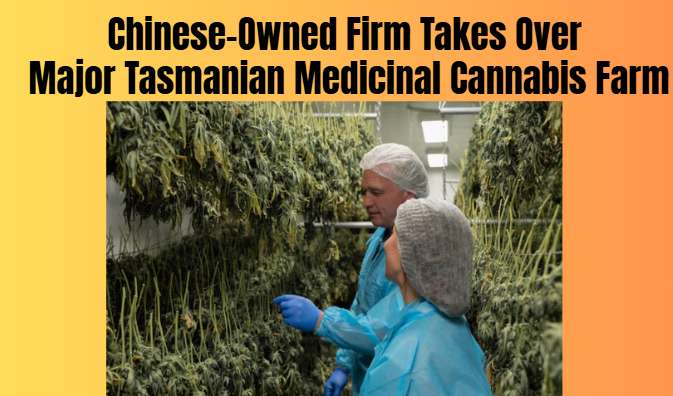
Chinese-owned Yongji Health has taken almost complete control of Tasmanian Botanics, one of Australia's largest medicinal cannabis producers, following...
The Western Australia Supreme Court has dismissed a $2.6 million claim brought by engineering companies over alleged damage to a commercial barge that w...
Bluebottles measuring up to three times the usual size have been washing onto Gold Coast beaches earlier than expected, prompting questions from scienti...
A high-tech greenhouse at Pacific Pines State High School is giving students hands-on experience in growing fresh produce, learning science and developi...
A Queensland government department has lost approximately $800,000 in a cyberattack, prompting a review that found no government data or sensitive infor...
Brisbane is transforming plain walls and graffiti-prone public spaces into colourful murals by local artists, with a Newstead tunnel artwork and a Toowo...
South Australian police have arrested a 22-year-old woman following an alleged assault on an elderly woman outside a business on Beach Road, Christies B...
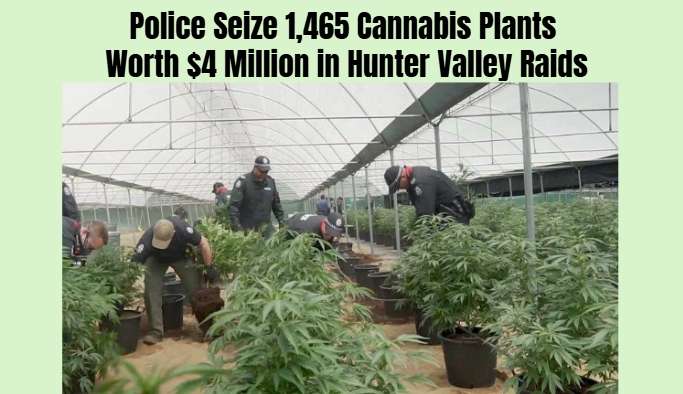
Two men have been charged after a series of police raids across Cessnock, Denman, Muswellbrook and Singleton Heights uncovered 1,465 cannabis plants, wi...
A 36-year-old man from Kambah has been charged with drug trafficking and multiple prohibited weapons offences after ACT Policing searched his home as pa...
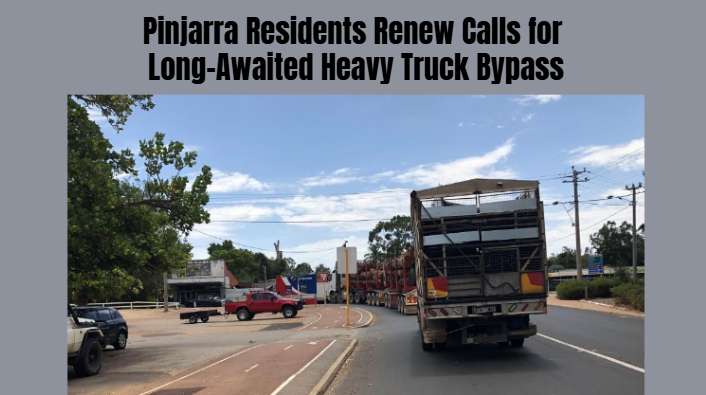
Around 800 heavy haulage trucks travel through Pinjarra each day, prompting renewed calls for a bypass to improve road safety, reduce congestion and eas...