Safety note: Admin approval is an initial review, not a guarantee that every detail is correct. Check important or urgent claims with official sources and report anything inaccurate or unsafe.
Source and credit: Contributor's own report
Northern Territory utility bills rise 5.3% from July 1 - Darwin, Northern Territory
Smart summary
Households and businesses across the Northern Territory will pay 5.3 per cent more for electricity, water and sewerage services from 1 July 2026, with the Territory Government attributing the increase to higher operat...
Residents and businesses across the Northern Territory are facing higher utility bills from 1 July 2026, with the Territory Government increasing electricity, water and sewerage charges by 5.3 per cent.
The increase applies to customers of the Territory's publicly owned utility providers and is higher than last year's 3 per cent rise. The government says the adjustment reflects increasing costs associated with generating electricity, maintaining infrastructure and delivering essential utility services across the Territory.
Under the Territory's pricing system, utility tariffs are determined annually by the Treasurer through pricing orders. While price adjustments are often linked to inflation, this year's increase exceeds recent annual rises, drawing criticism from the opposition and advocacy groups representing older Territorians, who argue the higher charges will place additional pressure on households already dealing with rising living costs.
Treasurer Bill Yan defended the decision, saying higher operating expenses and broader economic conditions made the increase necessary. He also pointed to the government's continued Community Service Obligation (CSO) subsidy, which helps keep electricity prices lower than the actual cost of supplying power, particularly in remote communities where operating costs are significantly higher. According to the government, the CSO funding has increased substantially for the 2026–27 financial year to help offset the true cost of delivering electricity across the Territory.
The Northern Territory's vast geography presents unique challenges for utility providers. Electricity generation and distribution networks must service remote towns and Indigenous communities spread across large distances, making infrastructure maintenance and fuel costs considerably higher than in more densely populated states.
Consumer advocates have expressed concern that the increase will add to cost-of-living pressures, particularly for pensioners, low-income families and residents in remote areas who already spend a greater proportion of their income on essential services. They have called for additional assistance measures to help vulnerable households manage rising utility expenses.
Despite the increase, the government maintains that utility prices in the Northern Territory continue to be heavily subsidised compared with the actual cost of providing services. Officials say the pricing decision balances the need to recover part of the increasing operational costs while continuing to provide significant government support to consumers.
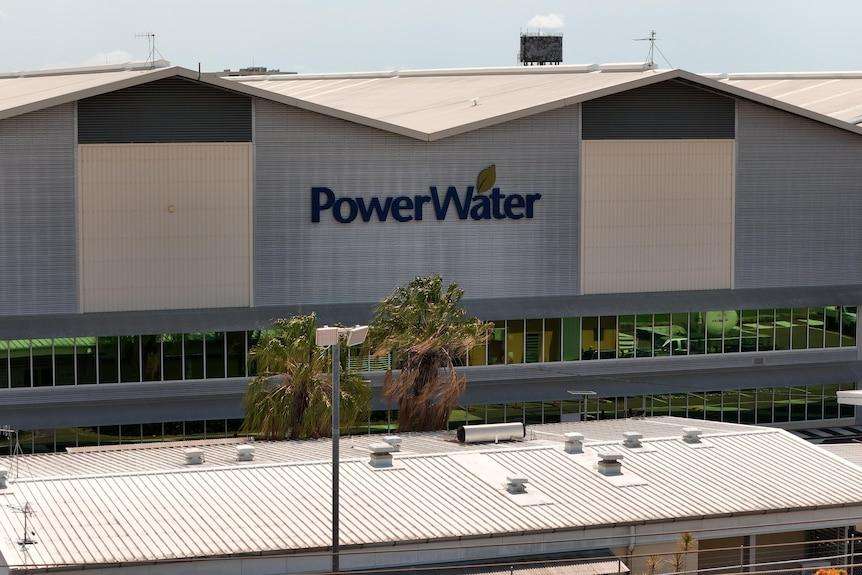
The revised tariffs apply to electricity, water and sewerage services from 1 July 2026, with updated charges reflected in customers' upcoming bills. Power and Water Corporation has advised customers to review the new tariff schedule and seek available concessions if they are eligible.
The price rise comes as governments around Australia continue to grapple with increasing infrastructure costs, inflation and growing demand for reliable utility services, particularly in regional and remote communities.
TerritoryUtilityCostsElectricityGovernment
Residents and businesses across the Northern Territory are facing higher utility bills from 1 July 2026, with the Territory Government increasing electricity, water and sewerage charges by 5.3 per cent.
The increase applies to customers of the Territory's publicly owned utility providers and is higher than last year's 3 per cent rise. The government says the adjustment reflects increasing costs associated with generating electricity, maintaining infrastructure and delivering essential utility services across the Territory.
Under the Territory's pricing system, utility tariffs are determined annually by the Treasurer through pricing orders. While price adjustments are often linked to inflation, this year's increase exceeds recent annual rises, drawing criticism from the opposition and advocacy groups representing older Territorians, who argue the higher charges will place additional pressure on households already dealing with rising living costs.
Treasurer Bill Yan defended the decision, saying higher operating expenses and broader economic conditions made the increase necessary. He also pointed to the government's continued Community Service Obligation (CSO) subsidy, which helps keep electricity prices lower than the actual cost of supplying power, particularly in remote communities where operating costs are significantly higher. According to the government, the CSO funding has increased substantially for the 2026–27 financial year to help offset the true cost of delivering electricity across the Territory.
The Northern Territory's vast geography presents unique challenges for utility providers. Electricity generation and distribution networks must service remote towns and Indigenous communities spread across large distances, making infrastructure maintenance and fuel costs considerably higher than in more densely populated states.
Consumer advocates have expressed concern that the increase will add to cost-of-living pressures, particularly for pensioners, low-income families and residents in remote areas who already spend a greater proportion of their income on essential services. They have called for additional assistance measures to help vulnerable households manage rising utility expenses.
Despite the increase, the government maintains that utility prices in the Northern Territory continue to be heavily subsidised compared with the actual cost of providing services. Officials say the pricing decision balances the need to recover part of the increasing operational costs while continuing to provide significant government support to consumers.
The revised tariffs apply to electricity, water and sewerage services from 1 July 2026, with updated charges reflected in customers' upcoming bills. Power and Water Corporation has advised customers to review the new tariff schedule and seek available concessions if they are eligible.
The price rise comes as governments around Australia continue to grapple with increasing infrastructure costs, inflation and growing demand for reliable utility services, particularly in regional and remote communities.
A house in Berri, South Australia, was destroyed by fire on Sunday morning, with three people taken to hospital as a precaution after escaping the burni...
A 43-year-old man has been charged following a fire at a funeral home in Warragul, Victoria, on Wednesday evening, 23 September 2026. Police allege the man walked along Howitt S...
A 14-year-old boy from Maryborough has been charged after Queensland police alleged he was preparing to cause death or grievous bodily harm and possesse...
Essential bus services connecting Alice Springs with five remote communities have been reduced, with the operator warning that some routes could be canc...
Northern Territory Police are investigating a series of alleged aggravated burglaries in Alice Springs after up to seven homes in the Araluen area were...
Darwin-based Aboriginal hip-hop artist Yung Milla has been crowned the winner of The Voice Australia 2026 after receiving audience votes across the coun...
A carpentry apprentice in Alice Springs says course cancellations at Charles Darwin University could delay his qualification by up to 12 months because...
A 22-year-old Elimbah man has been charged after a two-car crash at Baringa on the Sunshine Coast, with police alleging he fled into nearby bushland bef...
A new proposal for factory-built ecohomes in Orange aims to speed up construction while reducing household energy costs as local property prices remain...
Geelong's historic Botanic Gardens are preparing for their 175th anniversary, with volunteers and horticultural staff working to preserve a living colle...