Safety note: Admin approval is an initial review, not a guarantee that every detail is correct. Check important or urgent claims with official sources and report anything inaccurate or unsafe.
Source and credit: Contributor's own report
Pauline Hanson Defends Comments About White Australia Policy During Perth Event - Perth, WA
Smart summary
One Nation leader Pauline Hanson has rejected claims that she supports the return of the White Australia policy after facing questions about remarks made during a recent interview and immigration debate.
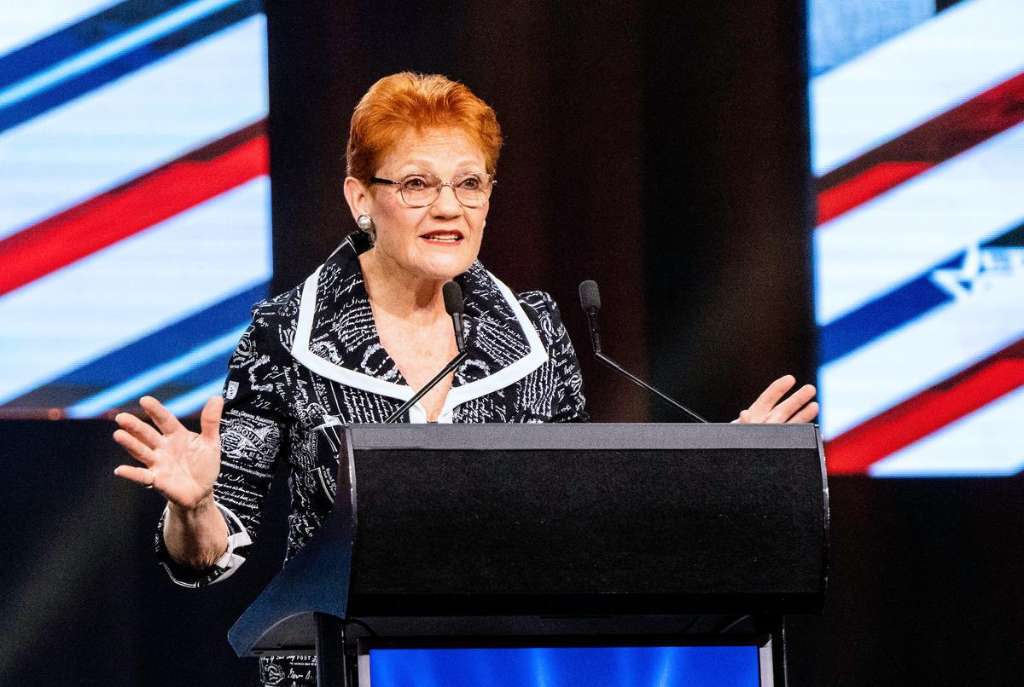
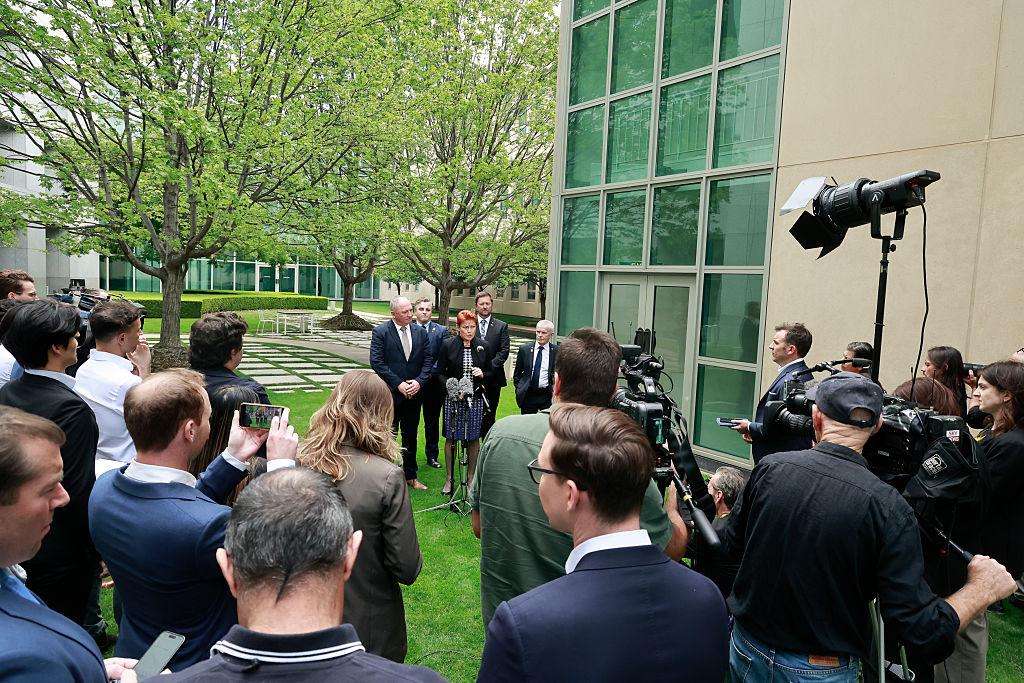
One Nation leader Pauline Hanson has addressed controversy surrounding comments about the White Australia policy during a business event in Perth, saying she has never advocated for the policy and arguing that her comments were being misinterpreted.
The discussion followed remarks Hanson made during an interview with UK far-right commentator Tommy Robinson, where she spoke about changes to Australia’s immigration system and referred to the end of the White Australia policy in the 1970s. Her comments attracted criticism, with opponents accusing her of promoting views associated with the former discriminatory immigration system.
Speaking at a Perth business breakfast, Hanson rejected those claims, saying she was explaining a historical change rather than supporting a return to the policy. She said her position was focused on immigration levels, national values and social cohesion rather than race or ethnicity.
The White Australia policy was a series of historical immigration restrictions that limited non-European migration to Australia before being dismantled through reforms between the 1940s and 1970s. References to the policy remain highly sensitive because of its connection to racial discrimination and exclusion.
Hanson’s comments have reignited a long-running political debate about immigration, multiculturalism and national identity. Supporters of One Nation say the party’s policies focus on population management, border control and protecting Australian interests. Critics argue that some of Hanson’s past statements and immigration positions have contributed to division and concerns about discrimination.
During the Perth event, Hanson also defended her broader immigration views, including opposition to migration from what she described as “radical Islamic countries”. She argued that her concerns were related to cultural values and security rather than race.
The comments have drawn responses from political opponents and community groups, with critics saying language around immigration must be carefully considered because of Australia’s multicultural population and history.
Hanson has remained a prominent and controversial figure in Australian politics since entering federal politics in the 1990s. Her One Nation party has frequently focused on issues including immigration, cost of living, regional Australia and government accountability.
The latest controversy comes as immigration remains a major political issue in Australia, with debate continuing over population growth, housing availability, infrastructure pressures and social integration.
Hanson’s appearance in Perth also followed scrutiny over her recent overseas activities and public comments, increasing attention on One Nation’s position ahead of future political debates.
The incident highlights ongoing tensions in Australian politics over how immigration policy should be discussed and how leaders address questions about national identity, diversity and inclusion.
ImmigrationHansonPolicyCommentsPerth
One Nation leader Pauline Hanson has addressed controversy surrounding comments about the White Australia policy during a business event in Perth, saying she has never advocated for the policy and arguing that her comments were being misinterpreted.
The discussion followed remarks Hanson made during an interview with UK far-right commentator Tommy Robinson, where she spoke about changes to Australia’s immigration system and referred to the end of the White Australia policy in the 1970s. Her comments attracted criticism, with opponents accusing her of promoting views associated with the former discriminatory immigration system.
Speaking at a Perth business breakfast, Hanson rejected those claims, saying she was explaining a historical change rather than supporting a return to the policy. She said her position was focused on immigration levels, national values and social cohesion rather than race or ethnicity.
The White Australia policy was a series of historical immigration restrictions that limited non-European migration to Australia before being dismantled through reforms between the 1940s and 1970s. References to the policy remain highly sensitive because of its connection to racial discrimination and exclusion.
Hanson’s comments have reignited a long-running political debate about immigration, multiculturalism and national identity. Supporters of One Nation say the party’s policies focus on population management, border control and protecting Australian interests. Critics argue that some of Hanson’s past statements and immigration positions have contributed to division and concerns about discrimination.
During the Perth event, Hanson also defended her broader immigration views, including opposition to migration from what she described as “radical Islamic countries”. She argued that her concerns were related to cultural values and security rather than race.
The comments have drawn responses from political opponents and community groups, with critics saying language around immigration must be carefully considered because of Australia’s multicultural population and history.
Hanson has remained a prominent and controversial figure in Australian politics since entering federal politics in the 1990s. Her One Nation party has frequently focused on issues including immigration, cost of living, regional Australia and government accountability.
The latest controversy comes as immigration remains a major political issue in Australia, with debate continuing over population growth, housing availability, infrastructure pressures and social integration.
Hanson’s appearance in Perth also followed scrutiny over her recent overseas activities and public comments, increasing attention on One Nation’s position ahead of future political debates.
The incident highlights ongoing tensions in Australian politics over how immigration policy should be discussed and how leaders address questions about national identity, diversity and inclusion.
The Federal Government is preparing new measures targeting temporary visas, visa overstayers, international students and visa-hopping, while maintaining...
One Nation’s proposed major reduction in migration has triggered warnings that a sharp cut to population growth could weaken Australia’s economy and cre...
Two teenagers have appeared in a Perth court after allegedly breaking into a crocodile enclosure and attacking the 400-kilogram reptile with a metal pole.
Cairns Regional Council has unanimously voted to seek $400,000 in Queensland Government funding for a program designed to connect local businesses with the region’s growing film...
An automated external defibrillator and memorial plaque have been installed at Ellery Creek Big Hole following the death of disability advocate Ellen Fr...
Queensland firefighters spent several hours monitoring a significant grass fire at Mary Kinross Park in Bargara, near Bundaberg, after the blaze broke out on Wednesday evening....