Safety note: Admin approval is an initial review, not a guarantee that every detail is correct. Check important or urgent claims with official sources and report anything inaccurate or unsafe.
Source and credit: Contributor's own report
Perth Mum Reveals Robot Vacuum Explosion That Left Son Fighting for Life - Perth, WA
Smart summary
A Perth mother has shared the heartbreaking story of how a robot vacuum cleaner explosion left her son, Lachie Perrem, with life-threatening burns over 75 per cent of his body and destroyed his home.
A Perth family is speaking publicly for the first time about the devastating household accident that left Lachie Perrem fighting for his life after a robot vacuum cleaner exploded inside his home.
Lachie, a Perth tradesman, suffered burns to approximately 75 per cent of his body when the robotic vacuum exploded in the kitchen of his home in Brabham, in Perth's north-east, on 2 July 2026. The explosion also sparked a major house fire that destroyed the property he shared with his fiancée and housemates.
His mother, Fiona Perrem, has now revealed what she believes happened in the moments before the explosion. She said the robotic vacuum had a battery that had developed a leak without anyone in the household being aware of the fault.
According to Fiona, Lachie was preparing dinner when the damaged battery ignited, causing the robot vacuum to explode violently. She believes the sudden blast trapped her son in the kitchen, resulting in catastrophic burns before the fire spread rapidly throughout the house.
Fire investigators have indicated that the explosion was likely caused by a fault involving the robotic vacuum, with the device now forming part of an official investigation. Authorities are examining the appliance to determine exactly what caused the failure and whether a battery defect was responsible.
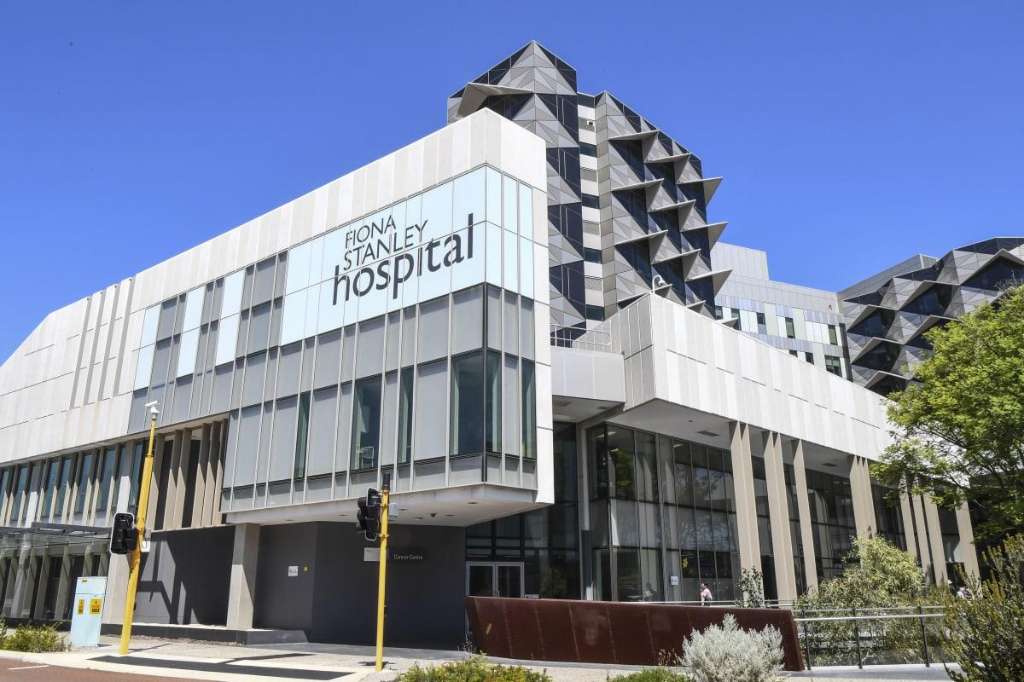
Lachie was rushed to Fiona Stanley Hospital's burns unit, where he underwent multiple emergency operations and was placed into an induced coma due to the severity of his injuries. Doctors have worked to stabilise his condition through repeated surgeries and extensive skin graft procedures.
In recent days, the family has shared encouraging news about his recovery. Lachie has now woken from the induced coma, his skin grafts are healing, he has regained movement in one of his hands, and his feeding tube has been removed. Although he still faces a long rehabilitation journey involving further surgeries and intensive therapy, doctors are optimistic about his progress.
The explosion has left the family facing enormous financial and emotional challenges. Along with serious medical expenses, Lachie lost his home and has been unable to continue operating his business. A community fundraising campaign has received widespread public support to help cover rehabilitation costs and assist with rebuilding his life.
The incident has also prompted renewed discussion about lithium-ion battery safety. Fire authorities regularly advise consumers to inspect rechargeable devices for signs of damage, overheating or swelling, use only approved charging equipment and replace batteries showing signs of deterioration. While investigations into this case continue, officials have reminded Australians that damaged lithium-ion batteries can pose a serious fire risk if they fail.
For Fiona Perrem, sharing her son's story is about more than explaining what happened. She hopes raising awareness will encourage other households to check battery-powered devices before a similar tragedy occurs.
Despite the long recovery still ahead, Lachie's family says every small improvement represents another step toward rebuilding his life after an accident that changed it forever.
LachieVacuumExplosionFireBattery
A Perth family is speaking publicly for the first time about the devastating household accident that left Lachie Perrem fighting for his life after a robot vacuum cleaner exploded inside his home.
Lachie, a Perth tradesman, suffered burns to approximately 75 per cent of his body when the robotic vacuum exploded in the kitchen of his home in Brabham, in Perth's north-east, on 2 July 2026. The explosion also sparked a major house fire that destroyed the property he shared with his fiancée and housemates.
His mother, Fiona Perrem, has now revealed what she believes happened in the moments before the explosion. She said the robotic vacuum had a battery that had developed a leak without anyone in the household being aware of the fault.
According to Fiona, Lachie was preparing dinner when the damaged battery ignited, causing the robot vacuum to explode violently. She believes the sudden blast trapped her son in the kitchen, resulting in catastrophic burns before the fire spread rapidly throughout the house.
Fire investigators have indicated that the explosion was likely caused by a fault involving the robotic vacuum, with the device now forming part of an official investigation. Authorities are examining the appliance to determine exactly what caused the failure and whether a battery defect was responsible.
Lachie was rushed to Fiona Stanley Hospital's burns unit, where he underwent multiple emergency operations and was placed into an induced coma due to the severity of his injuries. Doctors have worked to stabilise his condition through repeated surgeries and extensive skin graft procedures.
In recent days, the family has shared encouraging news about his recovery. Lachie has now woken from the induced coma, his skin grafts are healing, he has regained movement in one of his hands, and his feeding tube has been removed. Although he still faces a long rehabilitation journey involving further surgeries and intensive therapy, doctors are optimistic about his progress.
The explosion has left the family facing enormous financial and emotional challenges. Along with serious medical expenses, Lachie lost his home and has been unable to continue operating his business. A community fundraising campaign has received widespread public support to help cover rehabilitation costs and assist with rebuilding his life.
The incident has also prompted renewed discussion about lithium-ion battery safety. Fire authorities regularly advise consumers to inspect rechargeable devices for signs of damage, overheating or swelling, use only approved charging equipment and replace batteries showing signs of deterioration. While investigations into this case continue, officials have reminded Australians that damaged lithium-ion batteries can pose a serious fire risk if they fail.
For Fiona Perrem, sharing her son's story is about more than explaining what happened. She hopes raising awareness will encourage other households to check battery-powered devices before a similar tragedy occurs.
Despite the long recovery still ahead, Lachie's family says every small improvement represents another step toward rebuilding his life after an accident that changed it forever.
Queensland firefighters spent several hours monitoring a significant grass fire at Mary Kinross Park in Bargara, near Bundaberg, after the blaze broke out on Wednesday evening....
Paramedics responding to an emergency in Alice Springs were forced to use a stretcher as a barricade after an armed and allegedly intoxicated group beca...
Two teenagers have appeared in a Perth court after allegedly breaking into a crocodile enclosure and attacking the 400-kilogram reptile with a metal pole.
Cairns Regional Council has unanimously voted to seek $400,000 in Queensland Government funding for a program designed to connect local businesses with the region’s growing film...
An automated external defibrillator and memorial plaque have been installed at Ellery Creek Big Hole following the death of disability advocate Ellen Fr...
Queensland firefighters spent several hours monitoring a significant grass fire at Mary Kinross Park in Bargara, near Bundaberg, after the blaze broke out on Wednesday evening....