By Chloe · Published 28 Oct 2026 · Updated 28 Oct 2026
Goolwa, SA
Safety note: Admin approval is an initial review, not a guarantee that every detail is correct. Check important or urgent claims with official sources and report anything inaccurate or unsafe.
Source and credit: Contributor's own report
Plane Crash Report Finds Instructor Likely Breached Flight Safety Rules Before Fatal Accident - Goolwa, SA
Smart summary
Australia's transport safety watchdog has released its final findings into a crash near Goolwa that killed three men, identifying concerns about unauthorised mid-air manoeuvres and failures to report unsafe flying pra...
Australia's aviation safety authorities have released their final report into a fatal light aircraft crash near Goolwa, South Australia, finding that the flight instructor likely initiated a dangerous mid-air manoeuvre before the aircraft entered an unrecoverable spin. The Australian Transport Safety Bureau (ATSB) published its findings on 28 October 2026, highlighting concerns about aviation safety practices and the failure to report previous incidents involving the instructor.
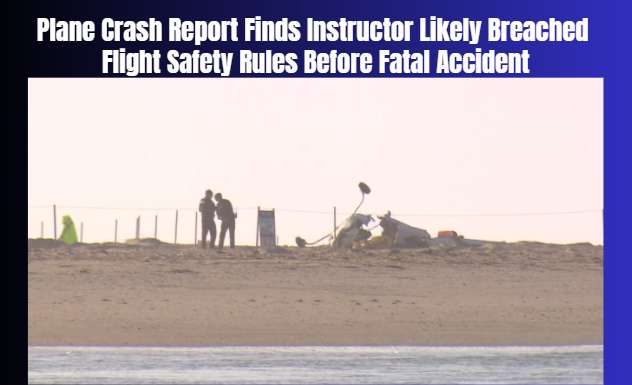
The crash occurred on 6 February 2026, when a single-engine Cessna 210N aircraft went down in the water near Long Bay, close to the mouth of the River Murray. Three men aboard the aircraft died. They were 53-year-old flight instructor Leo Howard, from Morphett Vale, an 18-year-old man from Freeling named Tristan Scheffers, and a 20-year-old man from Pasadena.
According to the investigation, the aircraft departed from Goolwa Airport for a local flight intended to provide one of the younger pilots with experience in the Cessna. Approximately 12 minutes into the flight, the aircraft entered a rapid descent. Witnesses reported seeing it spiral steeply before striking the water.
The ATSB concluded that the instructor had likely initiated a spin manoeuvre to allow the pilot to practise recovery techniques. However, the aircraft was not approved for intentional spins, and recovering from a fully developed spin could be difficult. Investigators believe the pilot in the left-hand seat mishandled the recovery during the early stage of the spin, while the instructor did not intervene quickly enough to prevent the aircraft from entering a fully developed spin.
The investigation also identified a history of previous spin-related violations involving the instructor. By examining records and video footage from earlier flights, investigators identified evidence of at least six mid-air spins during flights in 2023, 2024 and 2025.
The report found that these activities had not been adequately reported to the aircraft operator or the Civil Aviation Safety Authority. Some pilots who knew about the manoeuvres were reluctant to report them, believing they had limited ability to act or that reporting was not their responsibility.
The ATSB warned that this reluctance can allow unsafe practices to continue without appropriate intervention. It stressed the need for effective reporting systems that encourage pilots and aviation workers to raise concerns before an incident results in serious consequences.
The findings have broader implications for flight training and aviation oversight. Training exercises involving aircraft manoeuvres must follow the aircraft's approved operating limits and be conducted with appropriate safety precautions. Instructors are responsible for maintaining control of training situations and intervening when a developing emergency threatens the safety of everyone on board.
The investigation also demonstrates the importance of reviewing previous safety complaints and ensuring that concerns raised by pilots are properly assessed. A reporting system is most effective when people feel able to disclose unsafe conduct without fear or uncertainty about whether their concerns will be addressed.
The deaths of the three men prompted a major investigation involving wreckage examination, witness interviews and the analysis of flight information. The final report provides a clearer explanation of the likely sequence of events and highlights safety lessons intended to help prevent similar accidents.
AircraftSafetyFlightInstructorAviation
Australia's aviation safety authorities have released their final report into a fatal light aircraft crash near Goolwa, South Australia, finding that the flight instructor likely initiated a dangerous mid-air manoeuvre before the aircraft entered an unrecoverable spin. The Australian Transport Safety Bureau (ATSB) published its findings on 28 October 2026, highlighting concerns about aviation safety practices and the failure to report previous incidents involving the instructor.
The crash occurred on 6 February 2026, when a single-engine Cessna 210N aircraft went down in the water near Long Bay, close to the mouth of the River Murray. Three men aboard the aircraft died. They were 53-year-old flight instructor Leo Howard, from Morphett Vale, an 18-year-old man from Freeling named Tristan Scheffers, and a 20-year-old man from Pasadena.
According to the investigation, the aircraft departed from Goolwa Airport for a local flight intended to provide one of the younger pilots with experience in the Cessna. Approximately 12 minutes into the flight, the aircraft entered a rapid descent. Witnesses reported seeing it spiral steeply before striking the water.
The ATSB concluded that the instructor had likely initiated a spin manoeuvre to allow the pilot to practise recovery techniques. However, the aircraft was not approved for intentional spins, and recovering from a fully developed spin could be difficult. Investigators believe the pilot in the left-hand seat mishandled the recovery during the early stage of the spin, while the instructor did not intervene quickly enough to prevent the aircraft from entering a fully developed spin.
The investigation also identified a history of previous spin-related violations involving the instructor. By examining records and video footage from earlier flights, investigators identified evidence of at least six mid-air spins during flights in 2023, 2024 and 2025.
The report found that these activities had not been adequately reported to the aircraft operator or the Civil Aviation Safety Authority. Some pilots who knew about the manoeuvres were reluctant to report them, believing they had limited ability to act or that reporting was not their responsibility.
The ATSB warned that this reluctance can allow unsafe practices to continue without appropriate intervention. It stressed the need for effective reporting systems that encourage pilots and aviation workers to raise concerns before an incident results in serious consequences.
The findings have broader implications for flight training and aviation oversight. Training exercises involving aircraft manoeuvres must follow the aircraft's approved operating limits and be conducted with appropriate safety precautions. Instructors are responsible for maintaining control of training situations and intervening when a developing emergency threatens the safety of everyone on board.
The investigation also demonstrates the importance of reviewing previous safety complaints and ensuring that concerns raised by pilots are properly assessed. A reporting system is most effective when people feel able to disclose unsafe conduct without fear or uncertainty about whether their concerns will be addressed.
The deaths of the three men prompted a major investigation involving wreckage examination, witness interviews and the analysis of flight information. The final report provides a clearer explanation of the likely sequence of events and highlights safety lessons intended to help prevent similar accidents.
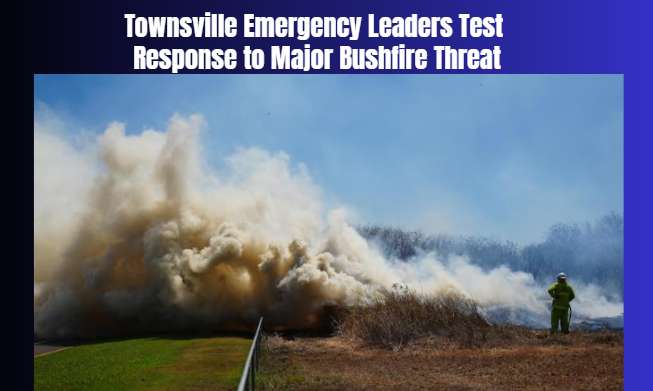
Disaster management teams in Townsville have conducted a large-scale emergency exercise simulating a fast-moving bushfire threatening rural homes, major...
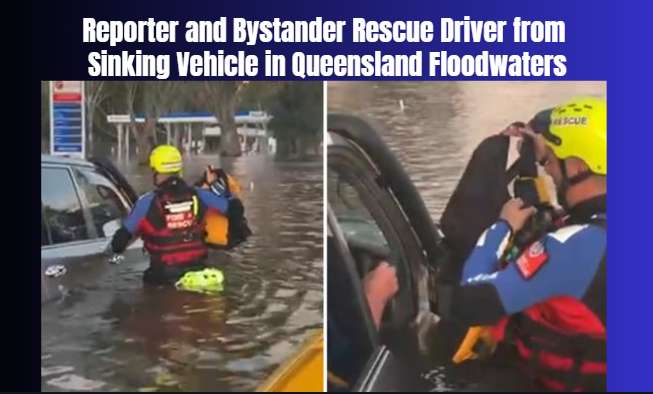
An ABC reporter and a bystander rescued a driver trapped inside a vehicle that was rapidly sinking in floodwater, highlighting the dangers of driving th...
Western Australian police are investigating a suspicious fire at a high-value Perth property after a threatening message was reportedly found at the scene.
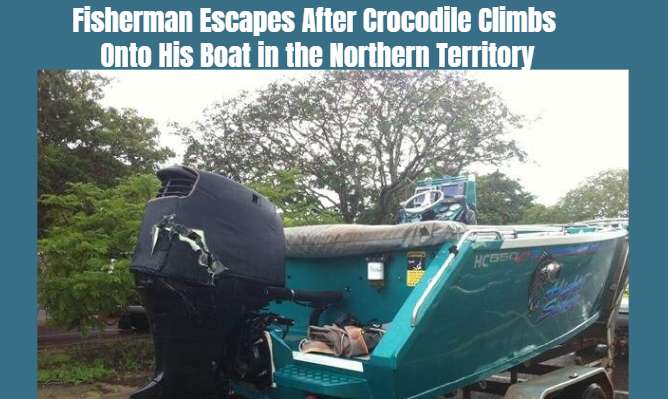
A fisherman escaped unharmed after a large crocodile climbed onto his boat while he was fishing alone on the Mary River, prompting renewed safety warnin...
A filmmaker from Bourke in western New South Wales has taken over leadership of an Indigenous film festival in Paris, creating an opportunity to bring A...
Concerns are growing over the reliability and availability of Australia's public electric vehicle charging network, with thousands of charging points po...
Indigenous women are using traditional weaving and craft-making to strengthen cultural connections, preserve knowledge passed down through generations a...
A psychiatric report presented to South Australia's Supreme Court has raised questions about Tamika Chesser's mental competence in the case involving th...
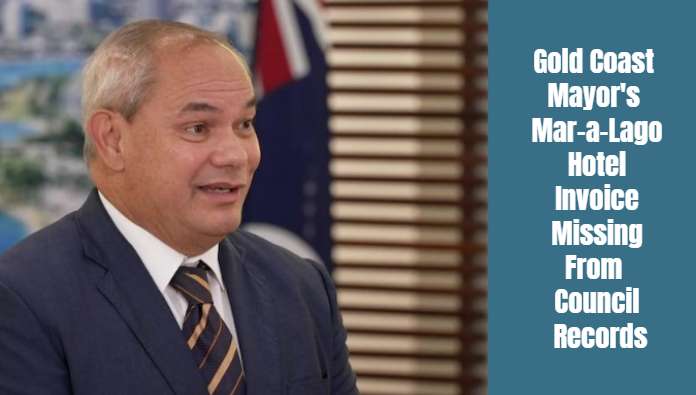
A freedom of information request has revealed that Gold Coast Council does not hold a copy of the invoice for Mayor Tom Tate's three-day stay at Donald...