Townsville Emergency Leaders Test Response to Major Bushfire Threat
By Chloe · Published 29 Oct 2026 · Updated 29 Oct 2026
Townsville, QLD · Queensland News
Safety note: Admin approval is an initial review, not a guarantee that every detail is correct. Check important or urgent claims with official sources and report anything inaccurate or unsafe.
Source and credit: Contributor's own report
Townsville Emergency Leaders Test Response to Major Bushfire Threat - Townsville, QLD
Smart summary
Disaster management teams in Townsville have conducted a large-scale emergency exercise simulating a fast-moving bushfire threatening rural homes, major roads and critical infrastructure south of the city.
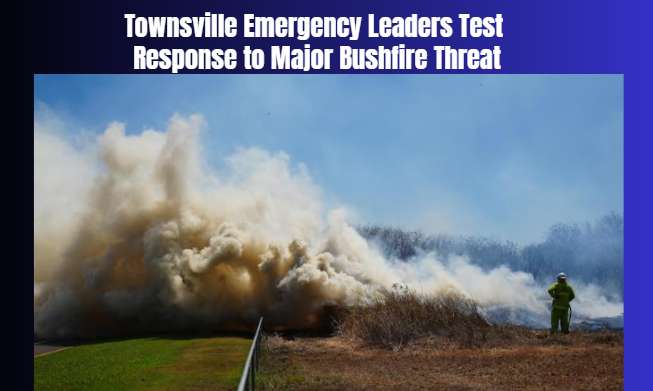
Emergency management leaders in Townsville, Queensland, have tested their preparedness for a major bushfire emergency during a large-scale disaster response exercise conducted on Thursday, 29 October 2026. The exercise focused on a simulated fire threatening homes, transport routes and critical infrastructure in areas south of the city.
The Townsville Local Disaster Management Group organised the exercise with representatives from the local council, emergency services, government agencies, utility providers and other organisations involved in disaster response. The scenario was designed around a fast-moving bushfire developing near Nome and Julago after several weeks of high-risk fire conditions. The National Tribune
The simulated emergency challenged participating agencies to coordinate their response as the fire threatened rural properties, major roads and important industrial and infrastructure facilities. Officials worked through different stages of the scenario to assess how quickly they could share information, make decisions and organise support for potentially affected communities.
Townsville is familiar with tropical cyclones and flooding, but authorities have highlighted bushfires as another significant hazard facing the region. Extended periods of hot, dry and windy weather can increase fire danger, particularly in areas with extensive grasslands and rural communities. Under these conditions, fires can spread quickly and create challenges for emergency responders.
Townsville Local Disaster Management Group chair and Mayor Nick Dametto said the exercise was intended to test how agencies would work together during a complex emergency. He emphasised the importance of identifying weaknesses in existing plans before a real disaster occurs.
The exercise included evacuation planning, public warnings, emergency communications, infrastructure impacts and the coordination of assistance for affected residents. These activities allowed participating organisations to assess their procedures and identify areas where cooperation could be improved.
Queensland Fire Department crews have also been responding to actual fire incidents across the Townsville local government area. Anita Dwyer, the Rural Fire Service Queensland Tropical Coast's bushfire mitigation manager, said crews had responded to more than 120 bushfires and primary-industry fires in the area since the beginning of August. Of 123 incidents reported during that period, seven involved contracted aircraft for water bombing or reconnaissance. The National Tribune
The figures demonstrate the operational demands that bushfires can place on firefighters and supporting agencies, even outside a major disaster. Ground crews, aircraft and drones can all play roles in monitoring fires, assessing conditions and supporting suppression efforts.
Local disaster coordinator Zac Dawes said the exercise provided an opportunity to test communication arrangements and coordinated decision-making as an emergency developed. Exercises of this kind can help authorities identify gaps in procedures, improve the flow of information and clarify responsibilities between agencies.
The 29 October exercise was the first of two disaster preparedness activities planned by the Townsville Local Disaster Management Group for the year. The group operates throughout the year and can coordinate participating organisations when a local disaster threatens the community.
The exercise was a simulation, not a report of an active major bushfire threatening Townsville on that day. Its purpose was to prepare agencies for a potential emergency and strengthen their ability to protect residents, property and essential services if a real fire develops.
Authorities continue to emphasise the importance of planning, communication and coordination as part of regional disaster preparedness. The lessons identified during the exercise can help inform future emergency planning across Townsville and surrounding communities.
DisasterEmergencyExerciseTownsvilleFire
Emergency management leaders in Townsville, Queensland, have tested their preparedness for a major bushfire emergency during a large-scale disaster response exercise conducted on Thursday, 29 October 2026. The exercise focused on a simulated fire threatening homes, transport routes and critical infrastructure in areas south of the city.
The Townsville Local Disaster Management Group organised the exercise with representatives from the local council, emergency services, government agencies, utility providers and other organisations involved in disaster response. The scenario was designed around a fast-moving bushfire developing near Nome and Julago after several weeks of high-risk fire conditions. The National Tribune
The simulated emergency challenged participating agencies to coordinate their response as the fire threatened rural properties, major roads and important industrial and infrastructure facilities. Officials worked through different stages of the scenario to assess how quickly they could share information, make decisions and organise support for potentially affected communities.
Townsville is familiar with tropical cyclones and flooding, but authorities have highlighted bushfires as another significant hazard facing the region. Extended periods of hot, dry and windy weather can increase fire danger, particularly in areas with extensive grasslands and rural communities. Under these conditions, fires can spread quickly and create challenges for emergency responders.
Townsville Local Disaster Management Group chair and Mayor Nick Dametto said the exercise was intended to test how agencies would work together during a complex emergency. He emphasised the importance of identifying weaknesses in existing plans before a real disaster occurs.
The exercise included evacuation planning, public warnings, emergency communications, infrastructure impacts and the coordination of assistance for affected residents. These activities allowed participating organisations to assess their procedures and identify areas where cooperation could be improved.
Queensland Fire Department crews have also been responding to actual fire incidents across the Townsville local government area. Anita Dwyer, the Rural Fire Service Queensland Tropical Coast's bushfire mitigation manager, said crews had responded to more than 120 bushfires and primary-industry fires in the area since the beginning of August. Of 123 incidents reported during that period, seven involved contracted aircraft for water bombing or reconnaissance. The National Tribune
The figures demonstrate the operational demands that bushfires can place on firefighters and supporting agencies, even outside a major disaster. Ground crews, aircraft and drones can all play roles in monitoring fires, assessing conditions and supporting suppression efforts.
Local disaster coordinator Zac Dawes said the exercise provided an opportunity to test communication arrangements and coordinated decision-making as an emergency developed. Exercises of this kind can help authorities identify gaps in procedures, improve the flow of information and clarify responsibilities between agencies.
The 29 October exercise was the first of two disaster preparedness activities planned by the Townsville Local Disaster Management Group for the year. The group operates throughout the year and can coordinate participating organisations when a local disaster threatens the community.
The exercise was a simulation, not a report of an active major bushfire threatening Townsville on that day. Its purpose was to prepare agencies for a potential emergency and strengthen their ability to protect residents, property and essential services if a real fire develops.
Authorities continue to emphasise the importance of planning, communication and coordination as part of regional disaster preparedness. The lessons identified during the exercise can help inform future emergency planning across Townsville and surrounding communities.
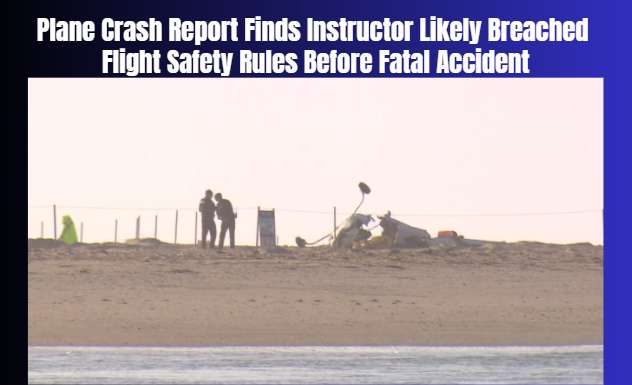
Australia's transport safety watchdog has released its final findings into a crash near Goolwa that killed three men, identifying concerns about unautho...
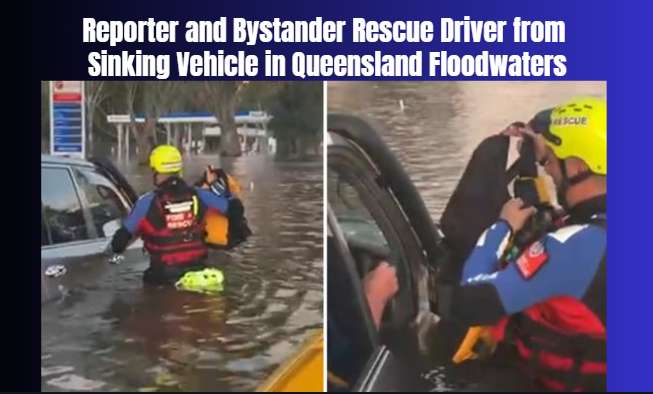
An ABC reporter and a bystander rescued a driver trapped inside a vehicle that was rapidly sinking in floodwater, highlighting the dangers of driving th...
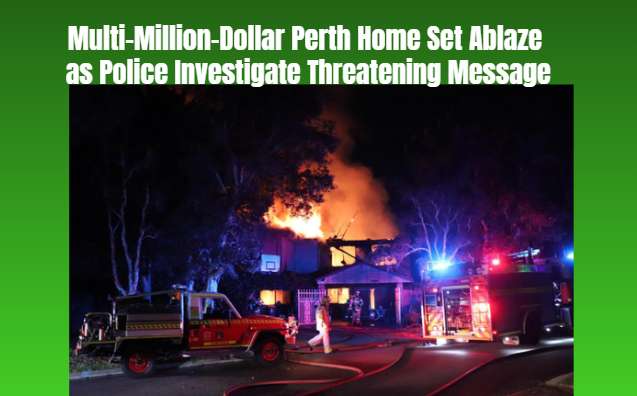
Western Australian police are investigating a suspicious fire at a high-value Perth property after a threatening message was reportedly found at the scene.
A freedom of information request has revealed that Gold Coast Council does not hold a copy of the invoice for Mayor Tom Tate's three-day stay at Donald...
Eight people have died in separate road crashes across Victoria during the Melbourne Cup long weekend, with four of the fatal incidents involving motorc...
A psychiatric report presented to South Australia's Supreme Court has raised questions about Tamika Chesser's mental competence in the case involving th...
A freedom of information request has revealed that Gold Coast Council does not hold a copy of the invoice for Mayor Tom Tate's three-day stay at Donald...