Safety note: Admin approval is an initial review, not a guarantee that every detail is correct. Check important or urgent claims with official sources and report anything inaccurate or unsafe.
Source and credit: Contributor's own report
Planning panel rejects three seawall proposals for Wamberal Beach - Central Coast, NSW
Smart summary
The Hunter and Central Coast Regional Planning Panel has refused three development applications for private seawalls at Wamberal Beach, citing concerns over coastal impacts, environmental risks and planning requirements.
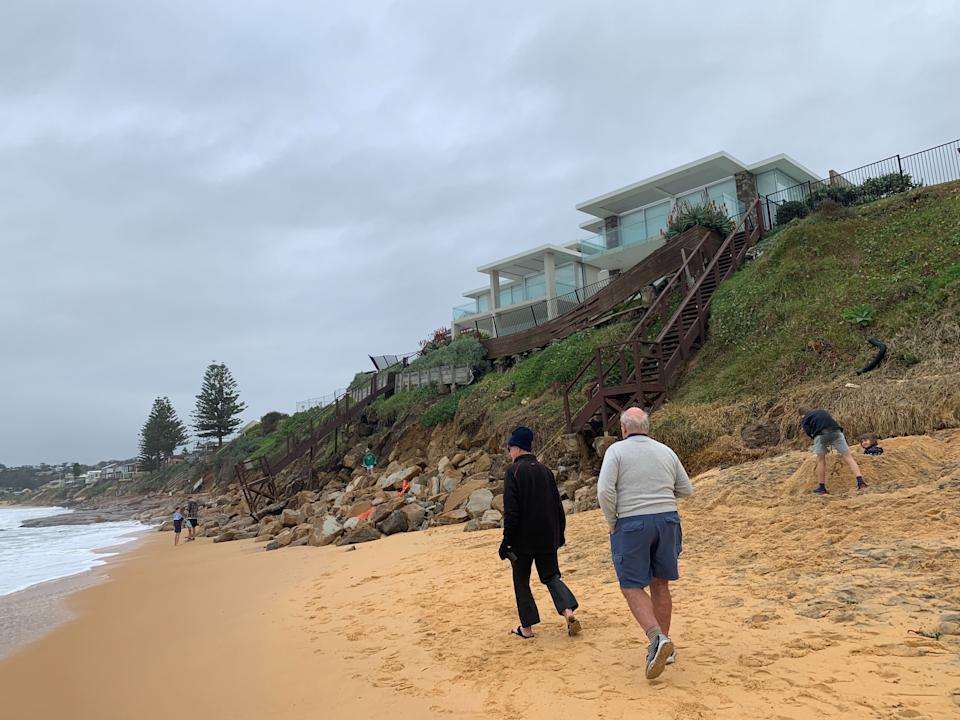
The Hunter and Central Coast Regional Planning Panel has rejected three separate development applications seeking approval to construct private seawalls along Wamberal Beach on the New South Wales Central Coast, marking another significant chapter in the long-running debate over coastal erosion management.
The applications were considered during a public hearing where the panel heard submissions from property owners, community groups, technical experts and council representatives. After reviewing the evidence, the panel concluded that the proposed seawalls did not satisfy planning requirements and raised concerns about their potential impacts on the surrounding coastline.
Wamberal Beach has experienced severe coastal erosion over recent years, with powerful storms causing significant damage to beachfront properties and threatening infrastructure. Homeowners have argued that seawalls are necessary to protect homes from future erosion and storm surges, particularly as climate change contributes to more frequent and intense coastal weather events.
However, opponents of the proposals contend that individual seawalls can worsen erosion on neighbouring sections of beach by altering natural sand movement and wave patterns. Environmental groups have consistently advocated for broader, coordinated coastal management strategies rather than piecemeal private protection works.
In its decision, the planning panel found that the proposed developments were not consistent with planning controls and raised unresolved issues regarding coastal processes, environmental impacts and long-term public access to the beach. Members concluded that insufficient evidence had been provided to demonstrate that the seawalls would avoid unacceptable impacts on the surrounding coastal environment.
The ruling represents a setback for the affected property owners, many of whom have spent years seeking approval for permanent coastal protection measures. Several residents argued that without engineered defences their homes remain vulnerable to future storms and ongoing shoreline retreat.
Supporters of the decision welcomed the outcome, saying it protects the natural character of Wamberal Beach and reinforces the importance of managing coastal hazards through comprehensive planning rather than isolated developments. They argue that long-term solutions should balance private property protection with public environmental interests.
The seawall debate has become one of the Central Coast's most contentious planning issues, involving local residents, engineers, environmental organisations, Central Coast Council and state planning authorities. Various studies have examined options including beach nourishment, dune restoration, managed retreat and engineered coastal protection.
While the panel's decision rejects these three applications, discussions about protecting vulnerable beachfront properties are expected to continue. Property owners may explore alternative proposals or appeal the decision through the appropriate planning processes, while government agencies continue developing broader coastal management strategies for the area.
The outcome highlights the ongoing challenge of balancing property protection, environmental conservation and public access as coastal communities across Australia adapt to increasing erosion and rising sea levels. Future planning decisions at Wamberal are likely to remain closely watched by residents, policymakers and coastal management experts.
CoastalPlanningBeachPanelEnvironmental
The Hunter and Central Coast Regional Planning Panel has rejected three separate development applications seeking approval to construct private seawalls along Wamberal Beach on the New South Wales Central Coast, marking another significant chapter in the long-running debate over coastal erosion management.
The applications were considered during a public hearing where the panel heard submissions from property owners, community groups, technical experts and council representatives. After reviewing the evidence, the panel concluded that the proposed seawalls did not satisfy planning requirements and raised concerns about their potential impacts on the surrounding coastline.
Wamberal Beach has experienced severe coastal erosion over recent years, with powerful storms causing significant damage to beachfront properties and threatening infrastructure. Homeowners have argued that seawalls are necessary to protect homes from future erosion and storm surges, particularly as climate change contributes to more frequent and intense coastal weather events.
However, opponents of the proposals contend that individual seawalls can worsen erosion on neighbouring sections of beach by altering natural sand movement and wave patterns. Environmental groups have consistently advocated for broader, coordinated coastal management strategies rather than piecemeal private protection works.
In its decision, the planning panel found that the proposed developments were not consistent with planning controls and raised unresolved issues regarding coastal processes, environmental impacts and long-term public access to the beach. Members concluded that insufficient evidence had been provided to demonstrate that the seawalls would avoid unacceptable impacts on the surrounding coastal environment.
The ruling represents a setback for the affected property owners, many of whom have spent years seeking approval for permanent coastal protection measures. Several residents argued that without engineered defences their homes remain vulnerable to future storms and ongoing shoreline retreat.
Supporters of the decision welcomed the outcome, saying it protects the natural character of Wamberal Beach and reinforces the importance of managing coastal hazards through comprehensive planning rather than isolated developments. They argue that long-term solutions should balance private property protection with public environmental interests.
The seawall debate has become one of the Central Coast's most contentious planning issues, involving local residents, engineers, environmental organisations, Central Coast Council and state planning authorities. Various studies have examined options including beach nourishment, dune restoration, managed retreat and engineered coastal protection.
While the panel's decision rejects these three applications, discussions about protecting vulnerable beachfront properties are expected to continue. Property owners may explore alternative proposals or appeal the decision through the appropriate planning processes, while government agencies continue developing broader coastal management strategies for the area.
The outcome highlights the ongoing challenge of balancing property protection, environmental conservation and public access as coastal communities across Australia adapt to increasing erosion and rising sea levels. Future planning decisions at Wamberal are likely to remain closely watched by residents, policymakers and coastal management experts.
A 43-year-old man has been charged following a fire at a funeral home in Warragul, Victoria, on Wednesday evening, 23 September 2026. Police allege the man walked along Howitt S...
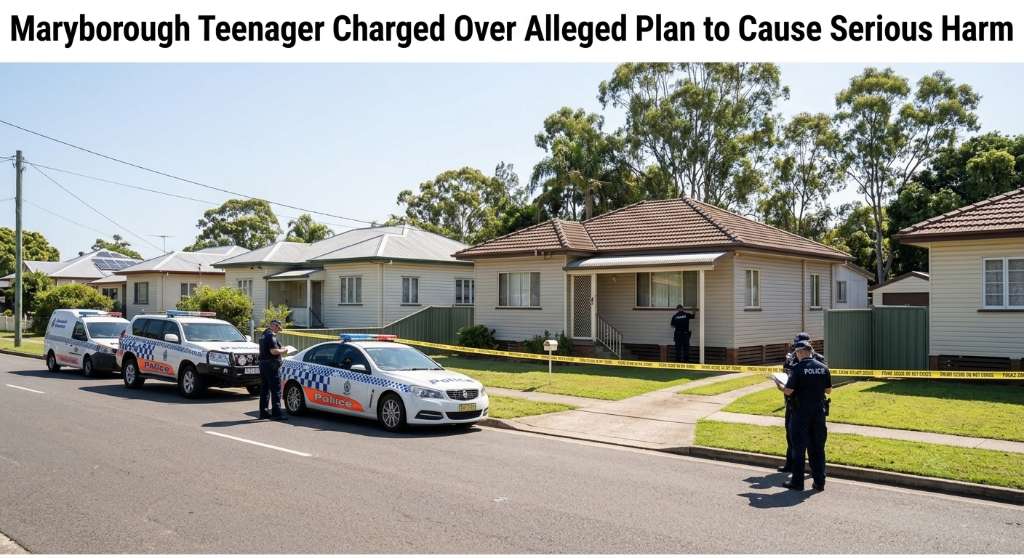
A 14-year-old boy from Maryborough has been charged after Queensland police alleged he was preparing to cause death or grievous bodily harm and possesse...
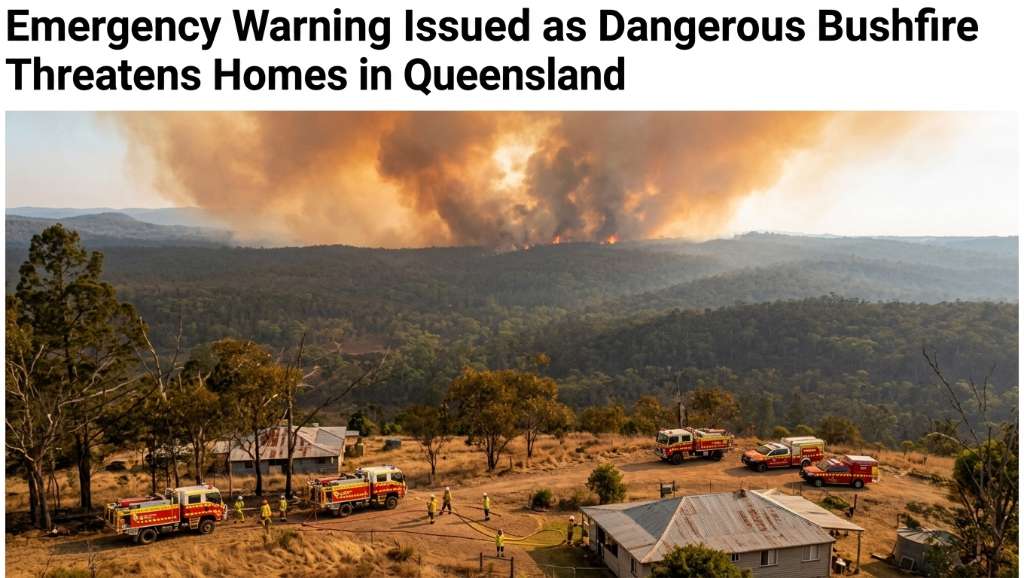
Residents in Teelah, north of Blackbutt, have been urged to seek shelter as a dangerous bushfire burns near homes in Queensland's South Burnett region.
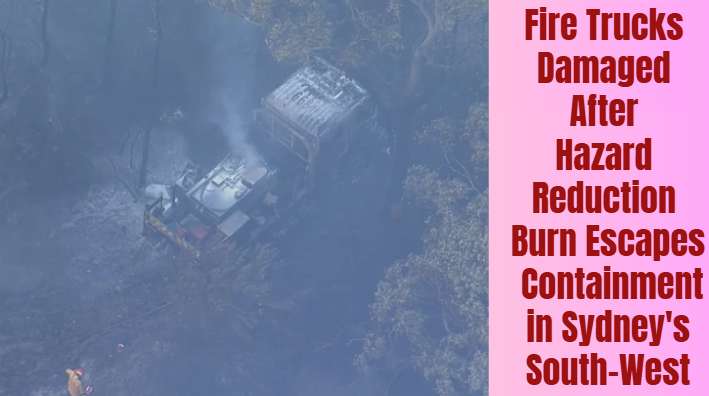
Multiple Rural Fire Service trucks were damaged after a planned hazard reduction burn at Wedderburn in Sydney's south-west escaped containment on Saturday.
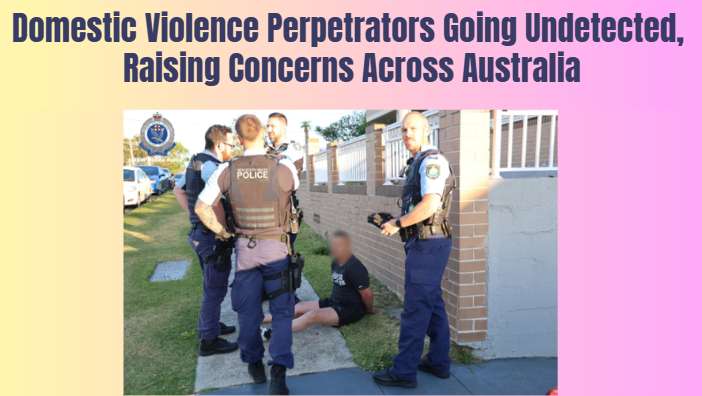
Recent domestic violence-related deaths in New South Wales have highlighted concerns about gaps in identifying alleged perpetrators before serious viole...
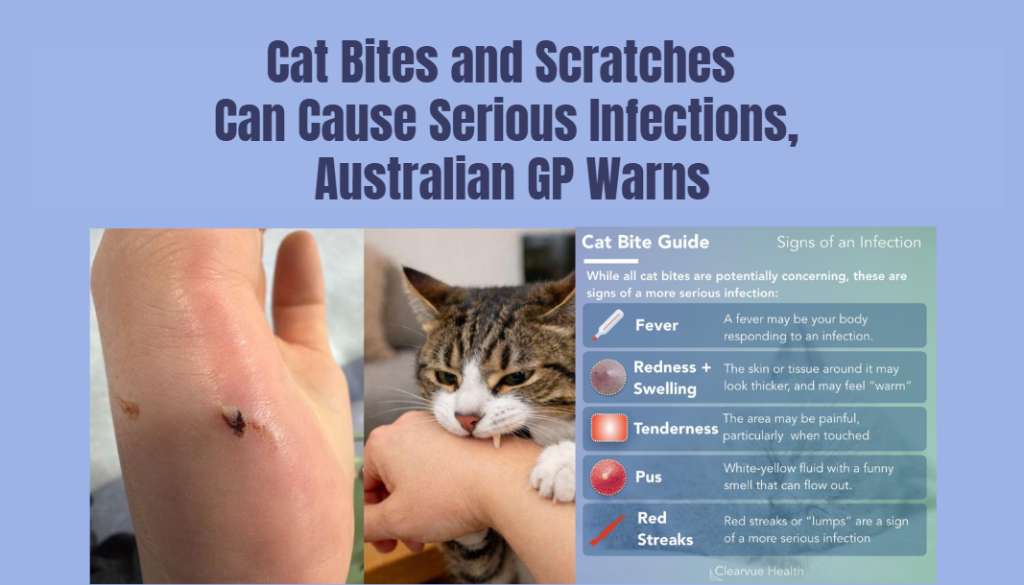
Australian health experts are warning that cat bites and scratches can cause severe infections, with hospitalisations from cat-related injuries nearly t...
A parliamentary petition calling for specialist endometriosis education in NSW public high schools has attracted more than 1,700 signatures, as health a...
A 50-year-old man has died after being struck by a vehicle in Fernvale, west of Brisbane, with police launching a homicide investigation and arresting a...
Multiple Rural Fire Service trucks were damaged after a planned hazard reduction burn at Wedderburn in Sydney's south-west escaped containment on Saturday.
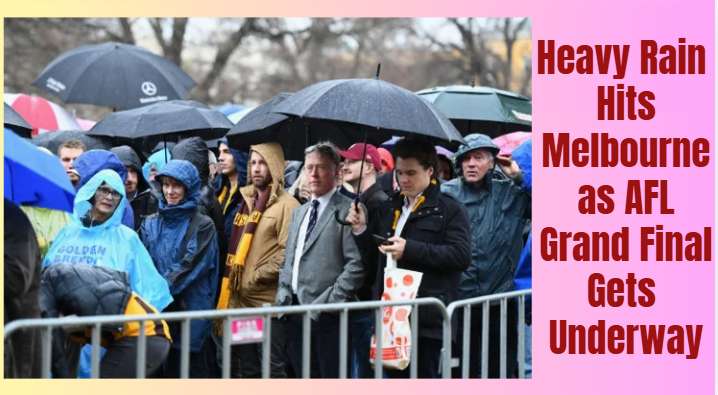
Wet conditions at the Melbourne Cricket Ground are creating difficult conditions for the AFL Grand Final, while poor weather has also disrupted flights...
Amateur astronomers are using new telescope technology to photograph the Moon, planets and distant galaxies from Brisbane homes, showing that city skies...