Port Macquarie motorist faces court over multiple alleged drink-driving offences
By Neha · Published 19 Jun 2026 · Updated 19 Jun 2026
Port Macquarie, NSW · New South Wales News
Safety note: Admin approval is an initial review, not a guarantee that every detail is correct. Check important or urgent claims with official sources and report anything inaccurate or unsafe.
Source and credit: Contributor's own report
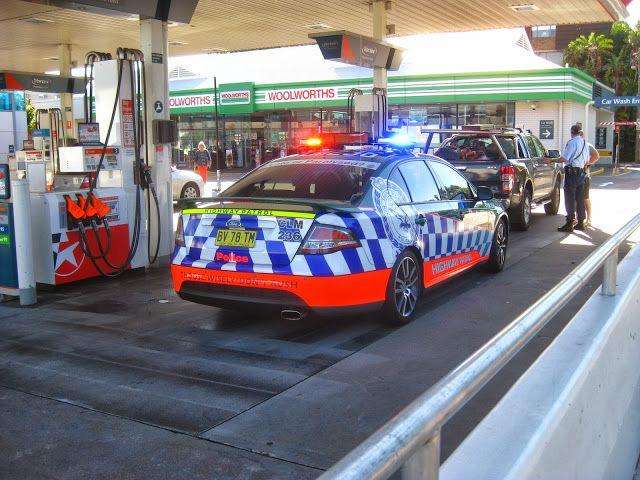
Police vehicle on patrol in a suburban street.
Smart summary
A Port Macquarie driver is set to appear in court following allegations of three separate drink-driving violations detected by local authorities.
A Port Macquarie driver has been charged with three alleged drink-driving offences following a police investigation on the NSW Mid North Coast.
According to reports, the driver is accused of committing multiple offences involving a prescribed concentration of alcohol (PCA), a term used in New South Wales to describe driving with a blood alcohol level above the legal limit. The matter is now before the courts and forms part of ongoing efforts by police to reduce alcohol-related road incidents across the region.
Police regularly conduct roadside breath testing operations throughout the Port Macquarie-Hastings area, particularly during holiday periods and weekends when traffic volumes increase. Authorities continue to warn motorists that drink-driving remains one of the leading contributors to serious crashes and road fatalities across New South Wales.
Under NSW law, PCA offences are categorised according to the driver's blood alcohol concentration. Penalties can include licence suspensions, fines, mandatory participation in behaviour-change programs, interlock orders and, in more serious cases, imprisonment. Repeat offenders often face significantly harsher consequences than first-time offenders.
The charges against the Port Macquarie driver will be considered by the court, where prosecutors are expected to present evidence relating to the alleged offences. As the matter remains before the courts, the allegations have not been proven.
Road safety authorities continue to emphasise the importance of planning alternative transport arrangements when consuming alcohol. Police regularly remind motorists that even relatively small amounts of alcohol can impair reaction times, judgement and driving ability. Random breath testing remains one of the primary tools used by law enforcement agencies to detect offenders and improve road safety outcomes.
The case serves as another reminder of the legal and safety consequences associated with drink-driving. Community safety advocates say consistent enforcement and public education remain critical to reducing alcohol-related crashes and protecting road users throughout regional New South Wales.
AlcoholOffencesRoadDrink-DrivingDriver
A Port Macquarie driver has been charged with three alleged drink-driving offences following a police investigation on the NSW Mid North Coast.
According to reports, the driver is accused of committing multiple offences involving a prescribed concentration of alcohol (PCA), a term used in New South Wales to describe driving with a blood alcohol level above the legal limit. The matter is now before the courts and forms part of ongoing efforts by police to reduce alcohol-related road incidents across the region.
Police regularly conduct roadside breath testing operations throughout the Port Macquarie-Hastings area, particularly during holiday periods and weekends when traffic volumes increase. Authorities continue to warn motorists that drink-driving remains one of the leading contributors to serious crashes and road fatalities across New South Wales.
Under NSW law, PCA offences are categorised according to the driver's blood alcohol concentration. Penalties can include licence suspensions, fines, mandatory participation in behaviour-change programs, interlock orders and, in more serious cases, imprisonment. Repeat offenders often face significantly harsher consequences than first-time offenders.
The charges against the Port Macquarie driver will be considered by the court, where prosecutors are expected to present evidence relating to the alleged offences. As the matter remains before the courts, the allegations have not been proven.
Road safety authorities continue to emphasise the importance of planning alternative transport arrangements when consuming alcohol. Police regularly remind motorists that even relatively small amounts of alcohol can impair reaction times, judgement and driving ability. Random breath testing remains one of the primary tools used by law enforcement agencies to detect offenders and improve road safety outcomes.
The case serves as another reminder of the legal and safety consequences associated with drink-driving. Community safety advocates say consistent enforcement and public education remain critical to reducing alcohol-related crashes and protecting road users throughout regional New South Wales.
Wagga Wagga New South Wales · Breaking News · 16 Sep 2026
Riverina Police have established a dedicated investigation, Strike Force Arctis, following a reported increase in serious property and violent offences across Wagga Wagga. The o...
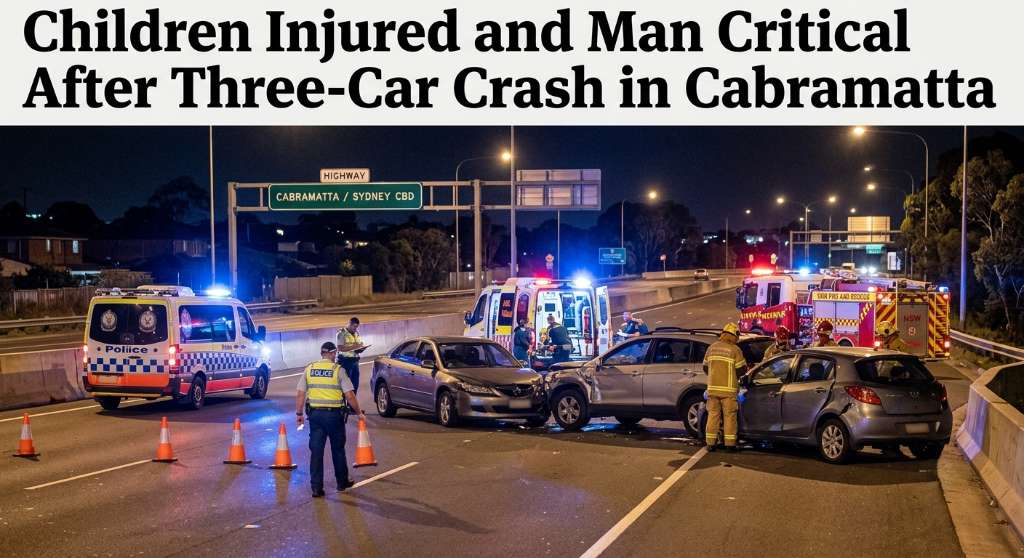
A serious late-night collision on the Hume Highway in Sydney’s south-west has left several people injured, including children, with one man in critical...
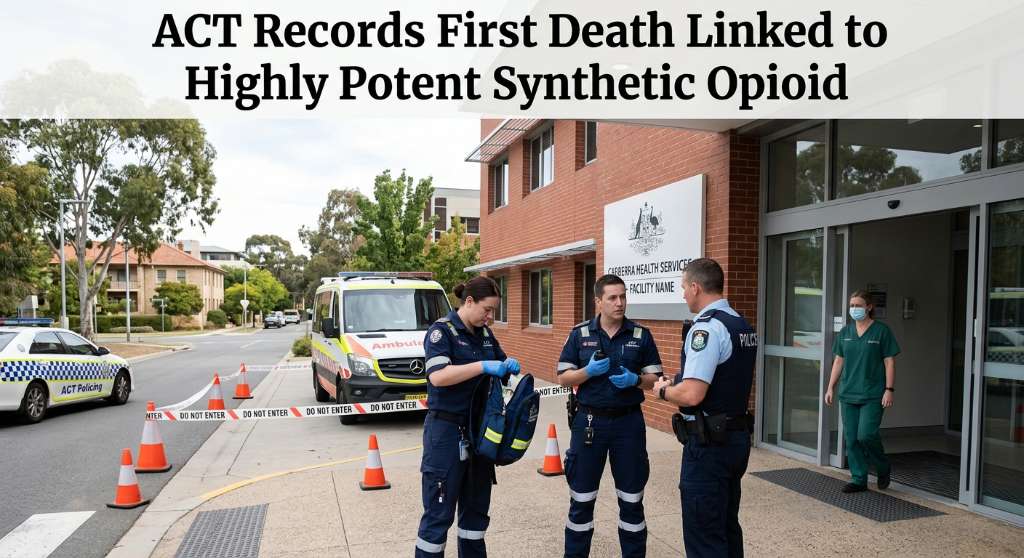
A Canberra woman has become the first person in the ACT whose death has been linked to a highly potent synthetic opioid, prompting renewed concern about...
A 36-year-old man has been charged after investigators allegedly found fraudulent identification documents, cloned number plates, cash and drug-manufact...
A Sydney court has heard that a man sent 249 messages to a former partner within 24 hours, with the messages treated as a single alleged breach of an ap...
A high-profile athlete has returned to court and told the hearing that an alleged unwanted kiss by former broadcaster Alan Jones remained difficult to f...
Work on the $150 million Sydney Town Hall Square project has been paused after the NSW Planning Minister referred the development for review by the Inde...
Cairns Regional Council has unanimously voted to seek $400,000 in Queensland Government funding for a program designed to connect local businesses with the region’s growing film...
An automated external defibrillator and memorial plaque have been installed at Ellery Creek Big Hole following the death of disability advocate Ellen Fr...
Queensland firefighters spent several hours monitoring a significant grass fire at Mary Kinross Park in Bargara, near Bundaberg, after the blaze broke out on Wednesday evening....