Safety note: Admin approval is an initial review, not a guarantee that every detail is correct. Check important or urgent claims with official sources and report anything inaccurate or unsafe.
Source and credit: Contributor's own report
Queensland private schools offer teacher salaries of up to $180,000 amid staff shortage - Brisbane, QLD
Smart summary
New industrial agreements reveal that some Queensland private schools are offering experienced teachers salaries approaching $180,000, along with improved workplace conditions and additional benefits as schools compet...
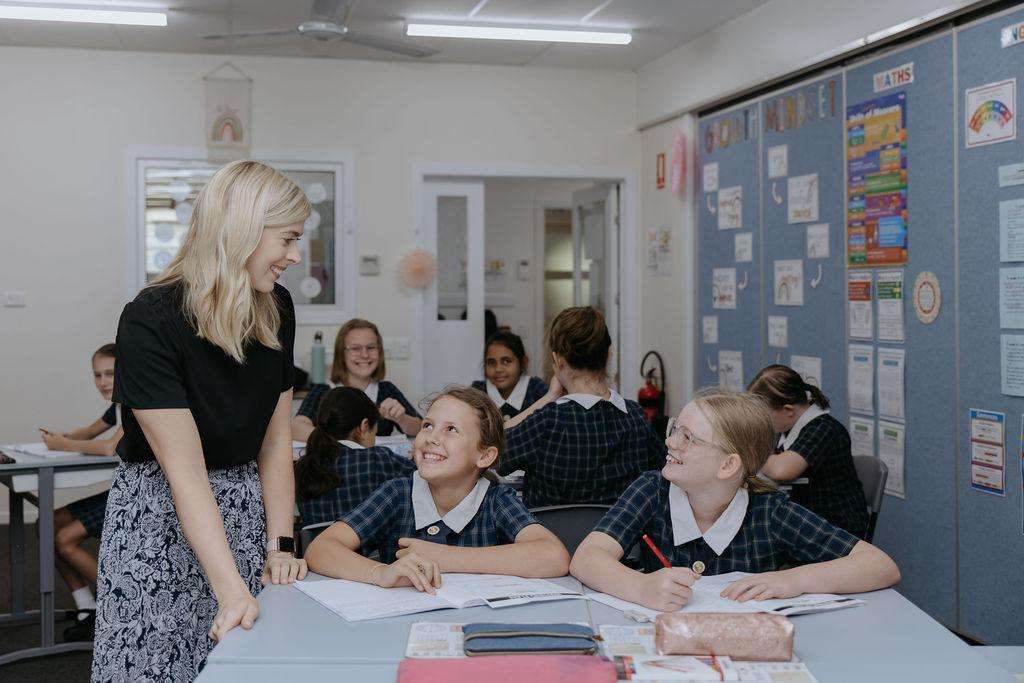
Private schools across Queensland are significantly increasing teacher salaries and expanding employment benefits as competition for qualified educators intensifies. A review of recent enterprise bargaining agreements shows that experienced teachers at some independent schools can earn salaries of up to $180,000, particularly when they hold leadership or additional responsibility positions.
The salary increases come as schools across Australia continue to experience teacher shortages, with both public and private education sectors competing to recruit and retain experienced staff. Independent schools have responded by negotiating higher pay, improved leave entitlements and measures aimed at reducing workload.
Among the highest-paying Queensland schools highlighted in the analysis is Canterbury College, where experienced teachers are expected to earn up to $179,832 under a new agreement. Meanwhile, Toowoomba Grammar School has secured a 12.5 per cent pay increase over four years, with senior teachers set to receive salaries of $148,527 by 2029 and graduate teachers earning more than $109,000.
The report also found that several schools operated by the Presbyterian and Methodist Schools Association (PMSA) have negotiated agreements that include not only salary increases but also improvements to working conditions. These include reduced workloads, overnight camp allowances, expanded reproductive health leave and additional family violence leave.
Beyond salary, many private schools are introducing benefits designed to improve staff wellbeing. Some agreements include limits on class sizes, shorter staff meetings, discounted tuition fees for employees' children and greater flexibility in working arrangements. Education unions say these initiatives recognise that retaining teachers requires more than simply increasing pay.
The improved employment packages come while negotiations continue between the Queensland Government and public school teachers. State school educators have sought larger wage increases, arguing that competitive salaries and improved conditions are necessary to prevent teachers moving to the private sector. Education experts warn that growing differences between public and private school employment conditions could make recruitment more challenging for government schools.
Independent school representatives say the agreements are intended to ensure schools remain attractive employers in an increasingly competitive labour market. They argue that investing in teachers ultimately benefits students by improving educational outcomes and reducing staff turnover.
Education analysts note that Australia's teacher shortage has placed pressure on schools to modernise employment conditions. In addition to higher salaries, many schools are focusing on professional development, mentoring opportunities and better work-life balance to attract experienced educators and graduates entering the profession.
While the new agreements represent a significant investment in teaching staff, they have also renewed debate about disparities between the public and private education sectors. Critics argue that government schools, which educate the majority of Queensland students, must also receive sufficient funding to remain competitive in recruiting qualified teachers.
The latest agreements demonstrate that Queensland's independent schools are placing a strong emphasis on teacher recruitment and retention, using a combination of competitive salaries and improved workplace conditions to address ongoing workforce challenges.
SchoolsTeachersPrivateSalariesAgreements
Private schools across Queensland are significantly increasing teacher salaries and expanding employment benefits as competition for qualified educators intensifies. A review of recent enterprise bargaining agreements shows that experienced teachers at some independent schools can earn salaries of up to $180,000, particularly when they hold leadership or additional responsibility positions.
The salary increases come as schools across Australia continue to experience teacher shortages, with both public and private education sectors competing to recruit and retain experienced staff. Independent schools have responded by negotiating higher pay, improved leave entitlements and measures aimed at reducing workload.
Among the highest-paying Queensland schools highlighted in the analysis is Canterbury College, where experienced teachers are expected to earn up to $179,832 under a new agreement. Meanwhile, Toowoomba Grammar School has secured a 12.5 per cent pay increase over four years, with senior teachers set to receive salaries of $148,527 by 2029 and graduate teachers earning more than $109,000.
The report also found that several schools operated by the Presbyterian and Methodist Schools Association (PMSA) have negotiated agreements that include not only salary increases but also improvements to working conditions. These include reduced workloads, overnight camp allowances, expanded reproductive health leave and additional family violence leave.
Beyond salary, many private schools are introducing benefits designed to improve staff wellbeing. Some agreements include limits on class sizes, shorter staff meetings, discounted tuition fees for employees' children and greater flexibility in working arrangements. Education unions say these initiatives recognise that retaining teachers requires more than simply increasing pay.
The improved employment packages come while negotiations continue between the Queensland Government and public school teachers. State school educators have sought larger wage increases, arguing that competitive salaries and improved conditions are necessary to prevent teachers moving to the private sector. Education experts warn that growing differences between public and private school employment conditions could make recruitment more challenging for government schools.
Independent school representatives say the agreements are intended to ensure schools remain attractive employers in an increasingly competitive labour market. They argue that investing in teachers ultimately benefits students by improving educational outcomes and reducing staff turnover.
Education analysts note that Australia's teacher shortage has placed pressure on schools to modernise employment conditions. In addition to higher salaries, many schools are focusing on professional development, mentoring opportunities and better work-life balance to attract experienced educators and graduates entering the profession.
While the new agreements represent a significant investment in teaching staff, they have also renewed debate about disparities between the public and private education sectors. Critics argue that government schools, which educate the majority of Queensland students, must also receive sufficient funding to remain competitive in recruiting qualified teachers.
The latest agreements demonstrate that Queensland's independent schools are placing a strong emphasis on teacher recruitment and retention, using a combination of competitive salaries and improved workplace conditions to address ongoing workforce challenges.
Wagga Wagga New South Wales · Breaking News · 16 Sep 2026
Riverina Police have established a dedicated investigation, Strike Force Arctis, following a reported increase in serious property and violent offences across Wagga Wagga. The o...
A serious late-night collision on the Hume Highway in Sydney’s south-west has left several people injured, including children, with one man in critical...
A Canberra woman has become the first person in the ACT whose death has been linked to a highly potent synthetic opioid, prompting renewed concern about...
Queensland's emerging football prospects are coming together for a three-day Brisbane Lions State Academy showcase, giving young players an opportunity...
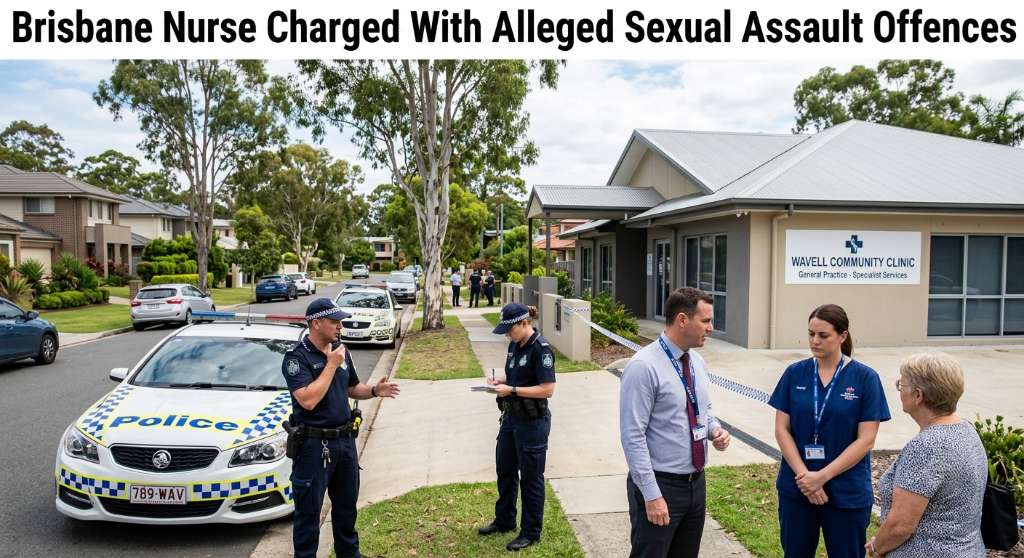
A Wavell Heights enrolled nurse has been charged with four counts of alleged sexual assault and one count of wilful exposure, with his professional regi...
A 24-year-old Carina Heights man has been charged with 36 offences following an investigation into alleged break-ins, vehicle offences and other propert...
Cairns Regional Council has unanimously voted to seek $400,000 in Queensland Government funding for a program designed to connect local businesses with the region’s growing film...
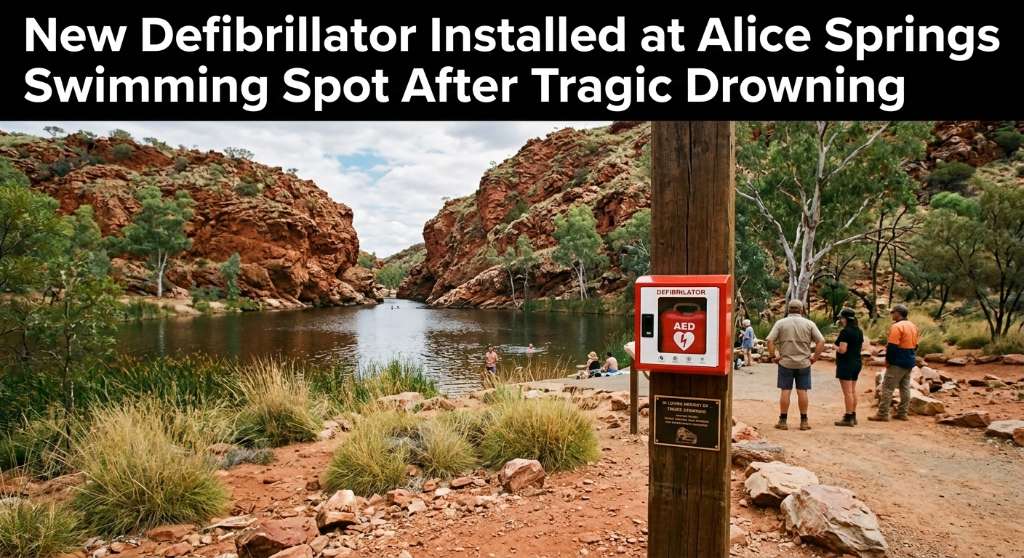
An automated external defibrillator and memorial plaque have been installed at Ellery Creek Big Hole following the death of disability advocate Ellen Fr...
Queensland firefighters spent several hours monitoring a significant grass fire at Mary Kinross Park in Bargara, near Bundaberg, after the blaze broke out on Wednesday evening....