Safety note: Admin approval is an initial review, not a guarantee that every detail is correct. Check important or urgent claims with official sources and report anything inaccurate or unsafe.
Source and credit: Contributor's own report
Premier Unveils Major Gold Coast Transport Plan Including New Light Rail Line - Gold Coast, Queensland
Smart summary
The Queensland Government has announced a significant long-term transport strategy for the Gold Coast, featuring a new light rail corridor and major infrastructure upgrades aimed at supporting rapid population growth...
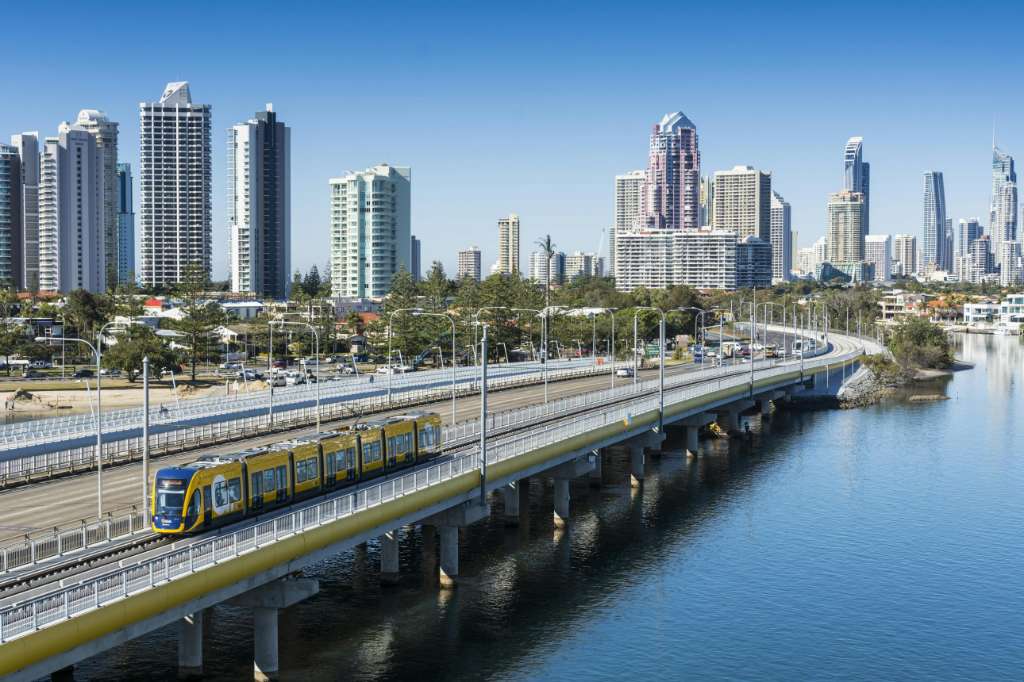
The Queensland Government has unveiled an ambitious transport plan for the Gold Coast, outlining major investments in public transport infrastructure designed to accommodate the region's growing population and future economic development.
At the centre of the proposal is a new light rail corridor that would expand the city's existing tram network and improve connections between key residential, commercial and tourism precincts. The announcement forms part of a broader vision to modernise transport across the Gold Coast as the city prepares for increasing demand in the lead-up to the 2032 Olympic and Paralympic Games.
Premier David Crisafulli said the plan aims to deliver a transport network capable of supporting future growth while reducing congestion on some of the region's busiest roads. The Gold Coast is one of Australia's fastest-growing urban areas, with population forecasts indicating substantial growth over the coming decades.
The proposed transport strategy includes expanded public transport options, improved road connections and long-term planning for future rail infrastructure. A key focus is improving connectivity between major activity centres, employment hubs and residential communities across the coastal city.
The new light rail proposal is expected to build upon the success of the existing G: link network, which has become a major component of the city's public transport system since its introduction. The network currently links several of the Gold Coast's busiest destinations and has played a significant role in reducing traffic pressure along key corridors.
Government planners argue that expanding light rail infrastructure will provide residents and visitors with more reliable transport alternatives while supporting economic development and tourism growth. The Gold Coast attracts millions of visitors annually and continues to experience strong residential development throughout the region.
Business groups and local stakeholders have generally welcomed the announcement, noting that improved transport infrastructure is essential for maintaining economic competitiveness and supporting future investment. However, detailed planning, route selection, environmental assessments and funding arrangements are expected to be examined further before construction begins.
The transport plan also aligns with broader preparations for major international events, including the Brisbane 2032 Olympic Games, where the Gold Coast is expected to host several sporting competitions and attract significant visitor numbers.
Transport experts note that long-term infrastructure planning is critical given the scale of projected population growth across South East Queensland. Public transport expansion is increasingly viewed as necessary to prevent worsening congestion and maintain mobility throughout the region.
While timelines and final project details are yet to be confirmed, the announcement signals a major commitment to the future development of transport infrastructure on the Gold Coast. Further consultation with local councils, industry groups and residents is expected as planning progresses.
TransportCoastGoldInfrastructureMajor
The Queensland Government has unveiled an ambitious transport plan for the Gold Coast, outlining major investments in public transport infrastructure designed to accommodate the region's growing population and future economic development.
At the centre of the proposal is a new light rail corridor that would expand the city's existing tram network and improve connections between key residential, commercial and tourism precincts. The announcement forms part of a broader vision to modernise transport across the Gold Coast as the city prepares for increasing demand in the lead-up to the 2032 Olympic and Paralympic Games.
Premier David Crisafulli said the plan aims to deliver a transport network capable of supporting future growth while reducing congestion on some of the region's busiest roads. The Gold Coast is one of Australia's fastest-growing urban areas, with population forecasts indicating substantial growth over the coming decades.
The proposed transport strategy includes expanded public transport options, improved road connections and long-term planning for future rail infrastructure. A key focus is improving connectivity between major activity centres, employment hubs and residential communities across the coastal city.
The new light rail proposal is expected to build upon the success of the existing G: link network, which has become a major component of the city's public transport system since its introduction. The network currently links several of the Gold Coast's busiest destinations and has played a significant role in reducing traffic pressure along key corridors.
Government planners argue that expanding light rail infrastructure will provide residents and visitors with more reliable transport alternatives while supporting economic development and tourism growth. The Gold Coast attracts millions of visitors annually and continues to experience strong residential development throughout the region.
Business groups and local stakeholders have generally welcomed the announcement, noting that improved transport infrastructure is essential for maintaining economic competitiveness and supporting future investment. However, detailed planning, route selection, environmental assessments and funding arrangements are expected to be examined further before construction begins.
The transport plan also aligns with broader preparations for major international events, including the Brisbane 2032 Olympic Games, where the Gold Coast is expected to host several sporting competitions and attract significant visitor numbers.
Transport experts note that long-term infrastructure planning is critical given the scale of projected population growth across South East Queensland. Public transport expansion is increasingly viewed as necessary to prevent worsening congestion and maintain mobility throughout the region.
While timelines and final project details are yet to be confirmed, the announcement signals a major commitment to the future development of transport infrastructure on the Gold Coast. Further consultation with local councils, industry groups and residents is expected as planning progresses.
Queensland Police have charged a 24-year-old Coomera man following an alleged stolen-truck incident and hit-and-run crash across the northern Gold Coast. Police say the investig...
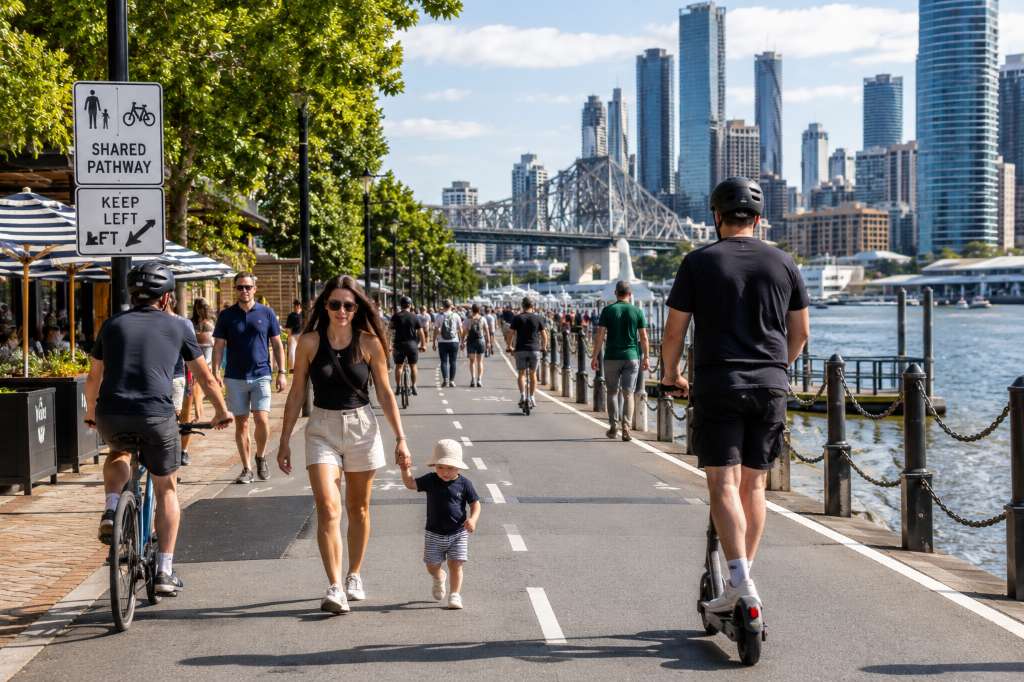
A dramatic close call at Brisbane's Howard Smith Wharves has reignited discussions about pedestrian safety, rider responsibility and the use of shared p...
From European-style villages and tropical rainforests to turquoise beaches and dramatic desert landscapes, these Australian locations offer internationa...
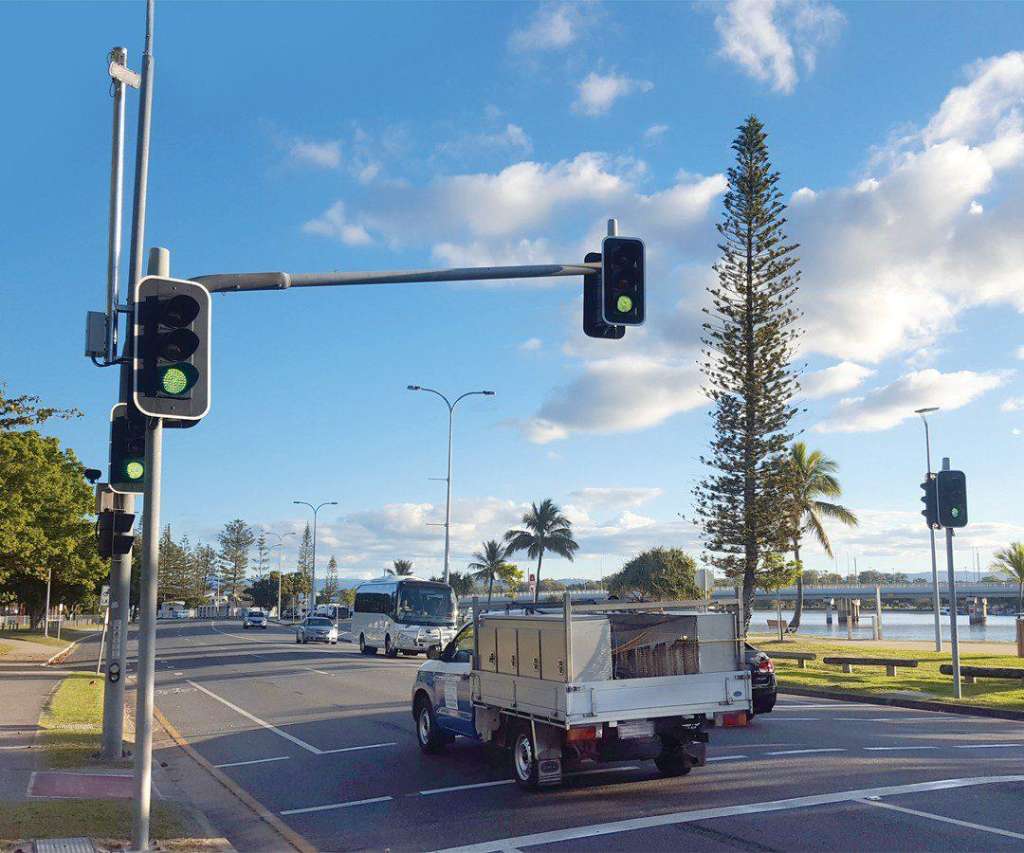
The City of Moreton Bay will launch Australia's first next-generation AI traffic light pilot in Petrie, using intelligent sensors and artificial intelli...
A 50-year-old man has died after being struck by a vehicle in Fernvale, west of Brisbane, with police launching a homicide investigation and arresting a...
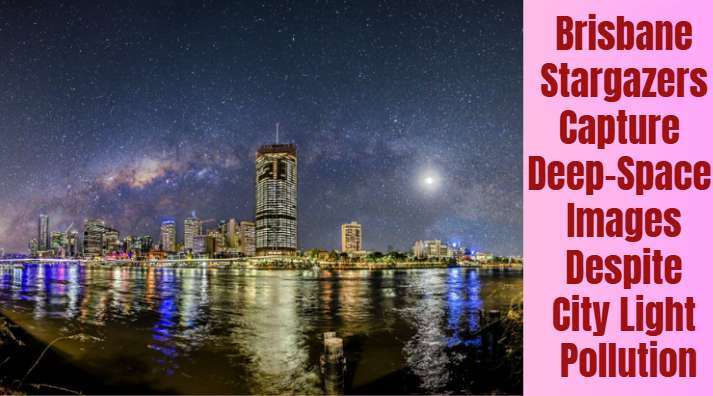
Amateur astronomers are using new telescope technology to photograph the Moon, planets and distant galaxies from Brisbane homes, showing that city skies...
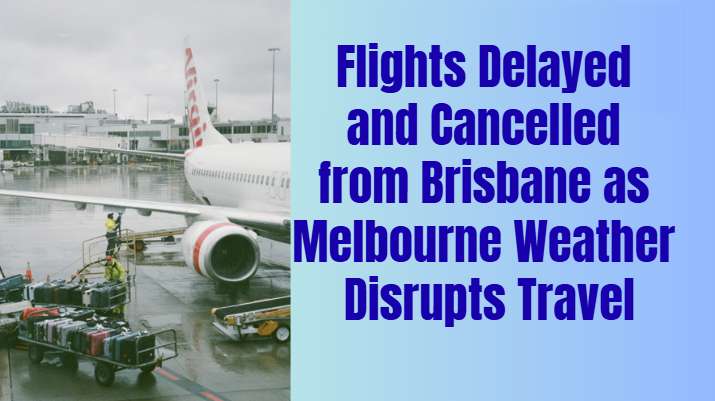
Severe weather in Melbourne has caused flight disruptions from Brisbane, with at least one flight cancelled and other services delayed as passengers tra...
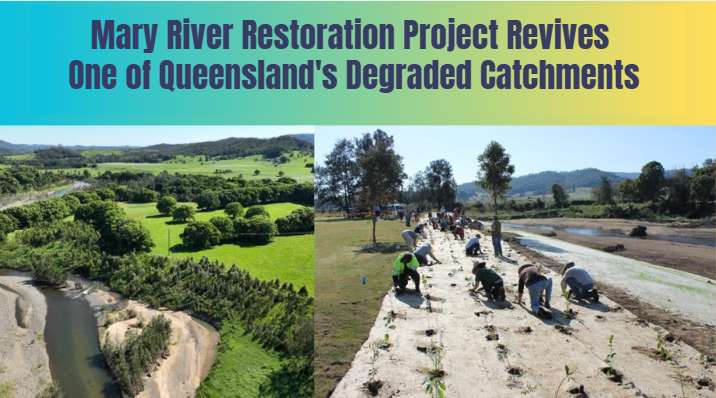
A long-running community restoration effort along Queensland's Mary River is reducing erosion, improving water quality and helping restore habitat for n...
A Sydney patient says he spent 23 hours waiting on a chair at Westmead Hospital's emergency department, while new figures show continuing pressure on th...
Three people, including a 14-year-old girl, have died following a multi-vehicle collision on the Western Highway near Ledcourt in Victoria's north-west.
A 50-year-old man has died after being struck by a vehicle in Fernvale, west of Brisbane, with police launching a homicide investigation and arresting a...
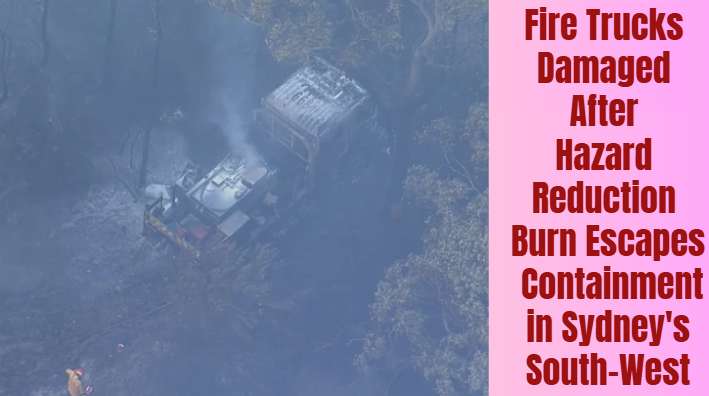
Multiple Rural Fire Service trucks were damaged after a planned hazard reduction burn at Wedderburn in Sydney's south-west escaped containment on Saturday.