Queensland Budget Balances Cost-of-Living Relief Against Rising Debt and Public Service Costs
By Neha · Published 23 Jun 2026 · Updated 23 Jun 2026
Brisbane, Queensland · Queensland News
Safety note: Admin approval is an initial review, not a guarantee that every detail is correct. Check important or urgent claims with official sources and report anything inaccurate or unsafe.
Source and credit: Contributor's own report
Queensland Budget Balances Cost-of-Living Relief Against Rising Debt and Public Service Costs - Brisbane, Queensland
Smart summary
The Queensland Government's 2026–27 budget delivers billions in cost-of-living support and infrastructure spending while grappling with growing state debt, pressure on public finances and concerns about the size of th...
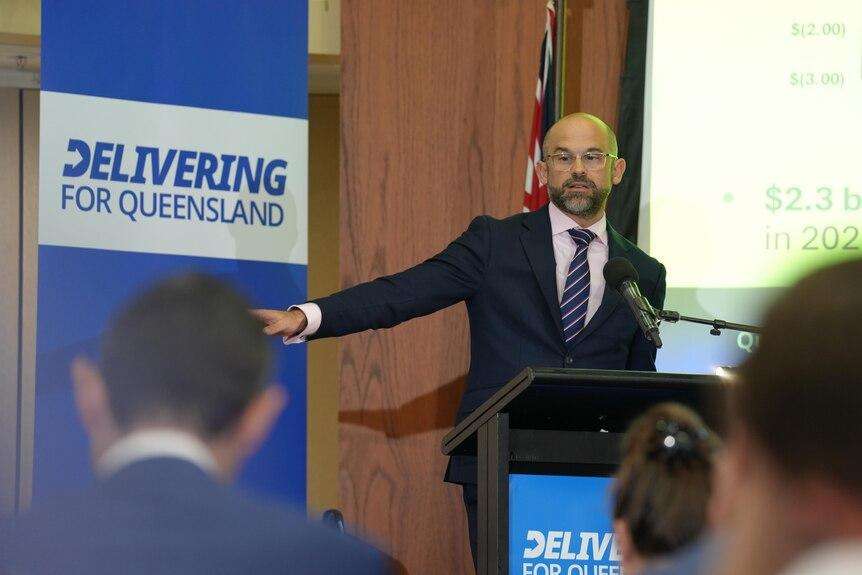
Queensland Treasurer David Janetzki has handed down the state's 2026–27 budget, outlining a plan that combines cost-of-living assistance, major infrastructure investment and public service reforms while forecasting a return to surplus later in the decade.
The budget forecasts a significant deficit in the near term but projects a return to a surplus of about $619 million by 2029–30. Despite that improvement, state debt is expected to continue rising, with gross debt forecast to exceed $216 billion by the end of the forward estimates.
A major focus of the budget is cost-of-living relief. Measures include making 50-cent public transport fares permanent, freezing bulk water prices in south-east Queensland, increasing assistance for school expenses through the Back to School Boost program, and maintaining energy bill support for eligible households.
The government has also committed record spending on health, housing, transport and community infrastructure. Health funding is expected to exceed $31 billion, while billions more will be invested in roads, hospitals, schools and housing projects across the state.
A key challenge highlighted in the budget is the growing cost of the public service. The government has flagged efforts to slow expenditure growth through procurement reforms, restrictions on senior executive positions and a reduction in reliance on external contractors. Ministers argue these measures will improve efficiency while protecting frontline services such as healthcare, policing and education.
Queensland's financial position has been helped by coal royalties and stronger-than-expected revenue, but Treasury acknowledges risks remain. Credit rating agency concerns persist, with Queensland continuing to face the possibility of a ratings downgrade if debt levels and expenditure growth are not contained.
The budget also includes substantial infrastructure spending linked to population growth and preparations for the 2032 Summer Olympics. Government leaders argue these investments are necessary to support economic growth and improve long-term productivity.
Political debate has already emerged over the budget. The government says it is delivering responsible financial management while helping households deal with ongoing cost pressures. Critics, however, argue rising debt remains a concern and question whether the projected return to surplus can be achieved.
BudgetDebtQueenslandGovernmentGrowth
Queensland Treasurer David Janetzki has handed down the state's 2026–27 budget, outlining a plan that combines cost-of-living assistance, major infrastructure investment and public service reforms while forecasting a return to surplus later in the decade.
The budget forecasts a significant deficit in the near term but projects a return to a surplus of about $619 million by 2029–30. Despite that improvement, state debt is expected to continue rising, with gross debt forecast to exceed $216 billion by the end of the forward estimates.
A major focus of the budget is cost-of-living relief. Measures include making 50-cent public transport fares permanent, freezing bulk water prices in south-east Queensland, increasing assistance for school expenses through the Back to School Boost program, and maintaining energy bill support for eligible households.
The government has also committed record spending on health, housing, transport and community infrastructure. Health funding is expected to exceed $31 billion, while billions more will be invested in roads, hospitals, schools and housing projects across the state.
A key challenge highlighted in the budget is the growing cost of the public service. The government has flagged efforts to slow expenditure growth through procurement reforms, restrictions on senior executive positions and a reduction in reliance on external contractors. Ministers argue these measures will improve efficiency while protecting frontline services such as healthcare, policing and education.
Queensland's financial position has been helped by coal royalties and stronger-than-expected revenue, but Treasury acknowledges risks remain. Credit rating agency concerns persist, with Queensland continuing to face the possibility of a ratings downgrade if debt levels and expenditure growth are not contained.
The budget also includes substantial infrastructure spending linked to population growth and preparations for the 2032 Summer Olympics. Government leaders argue these investments are necessary to support economic growth and improve long-term productivity.
Political debate has already emerged over the budget. The government says it is delivering responsible financial management while helping households deal with ongoing cost pressures. Critics, however, argue rising debt remains a concern and question whether the projected return to surplus can be achieved.
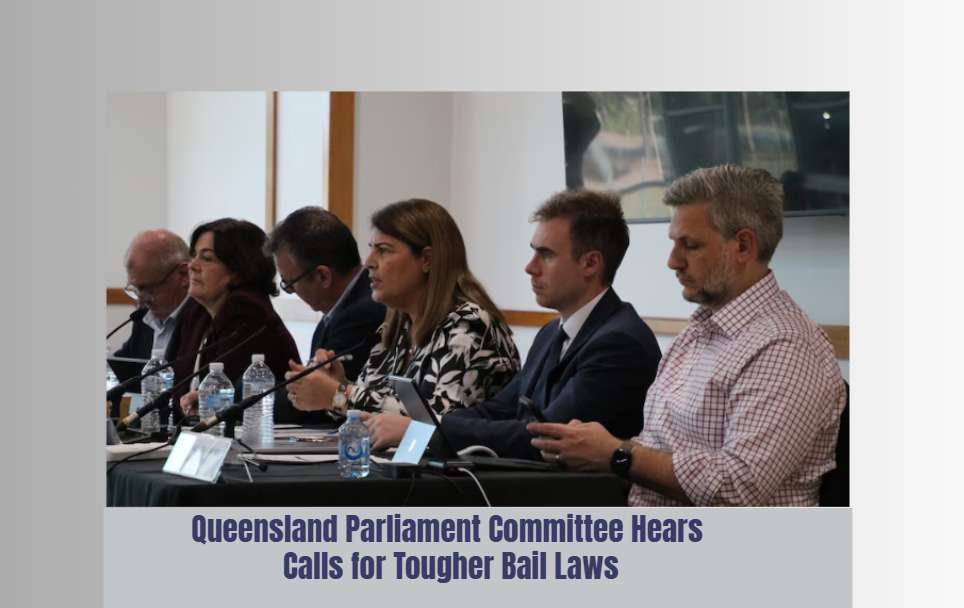
A Queensland parliamentary committee has completed regional hearings on proposed tougher bail laws, hearing from crime victims, legal experts and commun...
Prime Minister Anthony Albanese has launched Australia's campaign for a two-year seat on the United Nations Security Council while signing a decade-long...
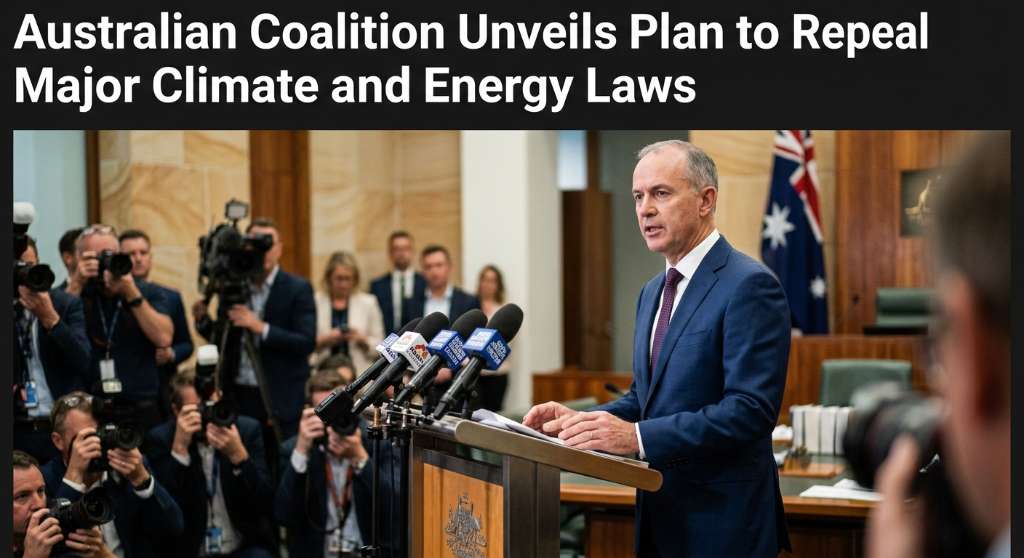
The federal Coalition has released an eight-point energy policy proposing changes to Australia's climate legislation, offshore wind zones, vehicle effic...
The Federal Government is preparing new measures targeting temporary visas, visa overstayers, international students and visa-hopping, while maintaining...
A 50-year-old man has died after being struck by a vehicle in Fernvale, west of Brisbane, with police launching a homicide investigation and arresting a...
Amateur astronomers are using new telescope technology to photograph the Moon, planets and distant galaxies from Brisbane homes, showing that city skies...
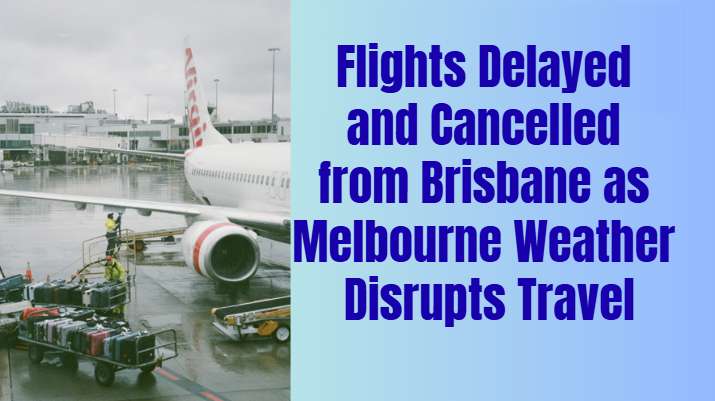
Severe weather in Melbourne has caused flight disruptions from Brisbane, with at least one flight cancelled and other services delayed as passengers tra...
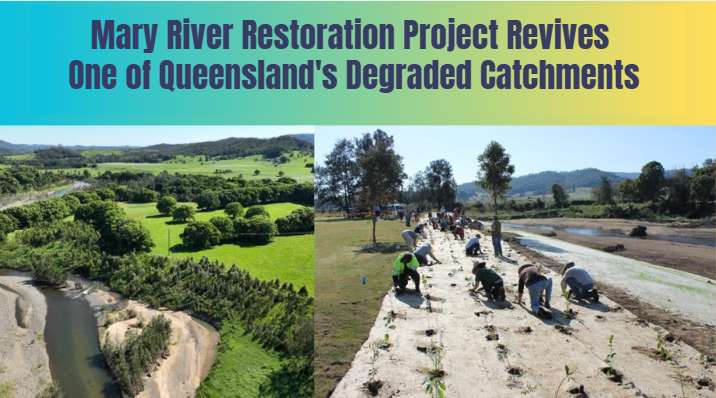
A long-running community restoration effort along Queensland's Mary River is reducing erosion, improving water quality and helping restore habitat for n...
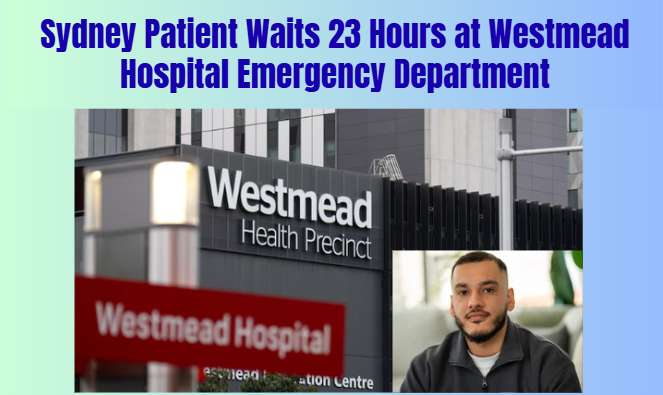
A Sydney patient says he spent 23 hours waiting on a chair at Westmead Hospital's emergency department, while new figures show continuing pressure on th...
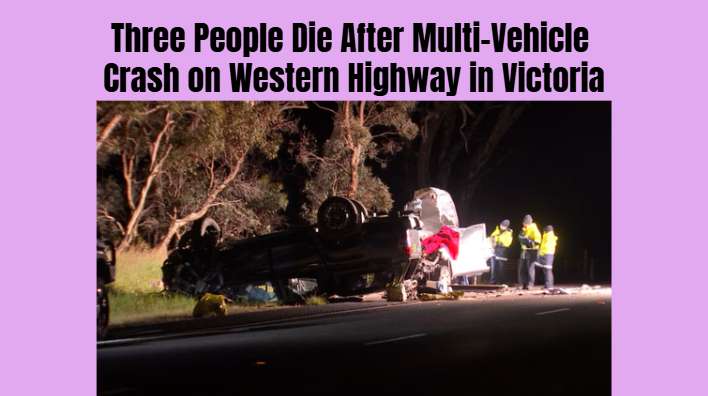
Three people, including a 14-year-old girl, have died following a multi-vehicle collision on the Western Highway near Ledcourt in Victoria's north-west.
A 50-year-old man has died after being struck by a vehicle in Fernvale, west of Brisbane, with police launching a homicide investigation and arresting a...
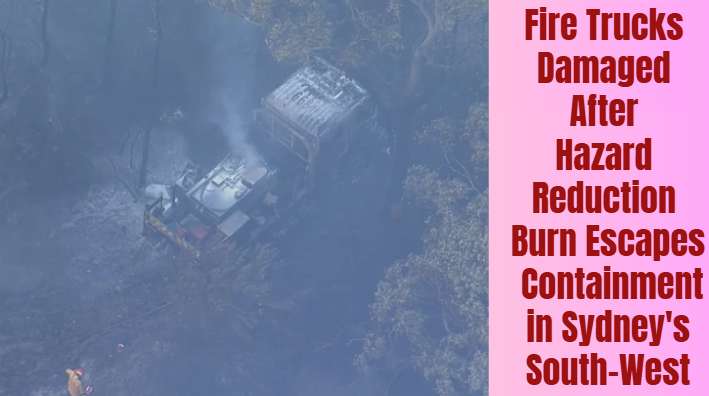
Multiple Rural Fire Service trucks were damaged after a planned hazard reduction burn at Wedderburn in Sydney's south-west escaped containment on Saturday.