Safety note: Admin approval is an initial review, not a guarantee that every detail is correct. Check important or urgent claims with official sources and report anything inaccurate or unsafe.
Gympie Regional Council is pushing Queensland councils to oppose proposed changes to the federal disaster funding model.
Gympie Regional Council is leading a statewide campaign against proposed changes to the way disaster recovery costs are shared between governments.
Gympie Mayor Glen Hartwig is calling on Queensland's local councils to support the campaign, arguing that changes to the existing disaster funding arrangement could place additional financial pressure on communities that regularly experience natural disasters.
The issue is particularly significant for Gympie because the region has experienced repeated major disasters. The council says Gympie has faced nine declared disasters in four years, demonstrating the scale of the challenge faced by the local community.
Under the proposed change, the existing federal-state disaster cost-sharing arrangement would move from a 75 per cent federal and 25 per cent state contribution to an equal 50-50 split. Gympie's council is concerned that local communities could ultimately face greater pressure if governments have to cover a larger share of recovery costs.
The council has raised its concerns with the Prime Minister and federal ministers and is now seeking broader support through the Local Government Association of Queensland.
For Gympie residents, disaster funding is an important local issue because major weather events can cause extensive damage to roads, bridges, public infrastructure, homes and businesses. Recovery and rebuilding can require significant investment long after the immediate emergency has ended.
The council argues that communities affected by disasters need reliable funding arrangements so that essential infrastructure can be repaired without placing excessive pressure on local rates or services.
Gympie's campaign is also intended to encourage other Queensland councils to take a united position. Queensland has many communities exposed to floods, cyclones, storms and other natural hazards, meaning changes to disaster funding could have consequences across the state.
The council is expected to use the upcoming Local Government Association of Queensland conference to put forward several motions. Alongside the disaster funding issue, Gympie plans to raise matters involving infrastructure planning, workforce development and waste coordination.
The disaster-funding debate is likely to attract attention from residents because local government budgets directly affect community services and infrastructure.
For Gympie, the issue is especially relevant given the region's history of significant flooding and other disaster events. Council leaders are arguing that the financial burden of recovery should not fall disproportionately on communities that have already experienced substantial damage.
The campaign could become an important Queensland local-government issue as councils consider how future disasters will be funded.
GympieDisasterCouncilQueenslandFunding
Gympie Regional Council is leading a statewide campaign against proposed changes to the way disaster recovery costs are shared between governments.
Gympie Mayor Glen Hartwig is calling on Queensland's local councils to support the campaign, arguing that changes to the existing disaster funding arrangement could place additional financial pressure on communities that regularly experience natural disasters.
The issue is particularly significant for Gympie because the region has experienced repeated major disasters. The council says Gympie has faced nine declared disasters in four years, demonstrating the scale of the challenge faced by the local community.
Under the proposed change, the existing federal-state disaster cost-sharing arrangement would move from a 75 per cent federal and 25 per cent state contribution to an equal 50-50 split. Gympie's council is concerned that local communities could ultimately face greater pressure if governments have to cover a larger share of recovery costs.
The council has raised its concerns with the Prime Minister and federal ministers and is now seeking broader support through the Local Government Association of Queensland.
For Gympie residents, disaster funding is an important local issue because major weather events can cause extensive damage to roads, bridges, public infrastructure, homes and businesses. Recovery and rebuilding can require significant investment long after the immediate emergency has ended.
The council argues that communities affected by disasters need reliable funding arrangements so that essential infrastructure can be repaired without placing excessive pressure on local rates or services.
Gympie's campaign is also intended to encourage other Queensland councils to take a united position. Queensland has many communities exposed to floods, cyclones, storms and other natural hazards, meaning changes to disaster funding could have consequences across the state.
The council is expected to use the upcoming Local Government Association of Queensland conference to put forward several motions. Alongside the disaster funding issue, Gympie plans to raise matters involving infrastructure planning, workforce development and waste coordination.
The disaster-funding debate is likely to attract attention from residents because local government budgets directly affect community services and infrastructure.
For Gympie, the issue is especially relevant given the region's history of significant flooding and other disaster events. Council leaders are arguing that the financial burden of recovery should not fall disproportionately on communities that have already experienced substantial damage.
The campaign could become an important Queensland local-government issue as councils consider how future disasters will be funded.
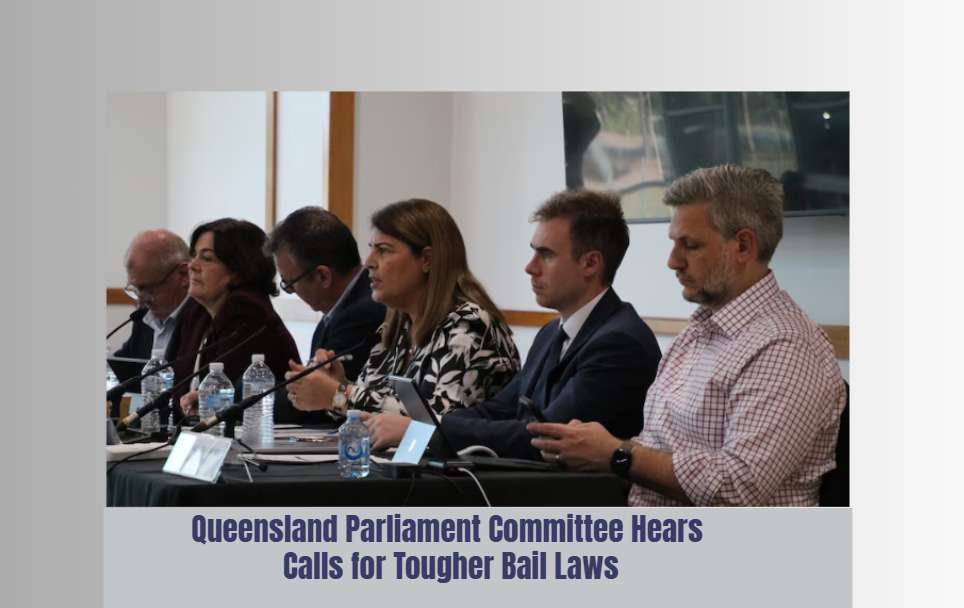
A Queensland parliamentary committee has completed regional hearings on proposed tougher bail laws, hearing from crime victims, legal experts and commun...
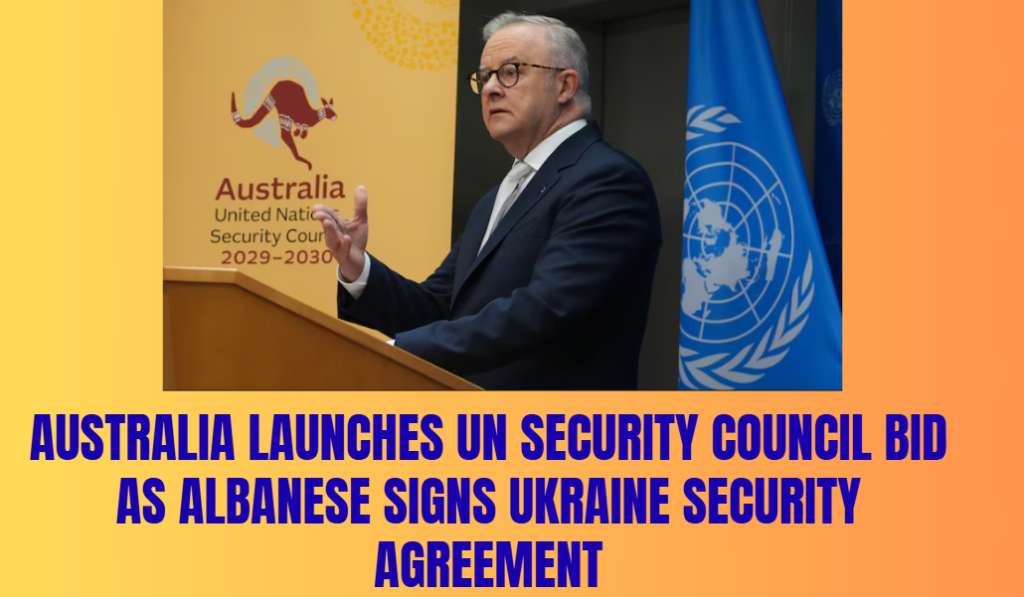
Prime Minister Anthony Albanese has launched Australia's campaign for a two-year seat on the United Nations Security Council while signing a decade-long...
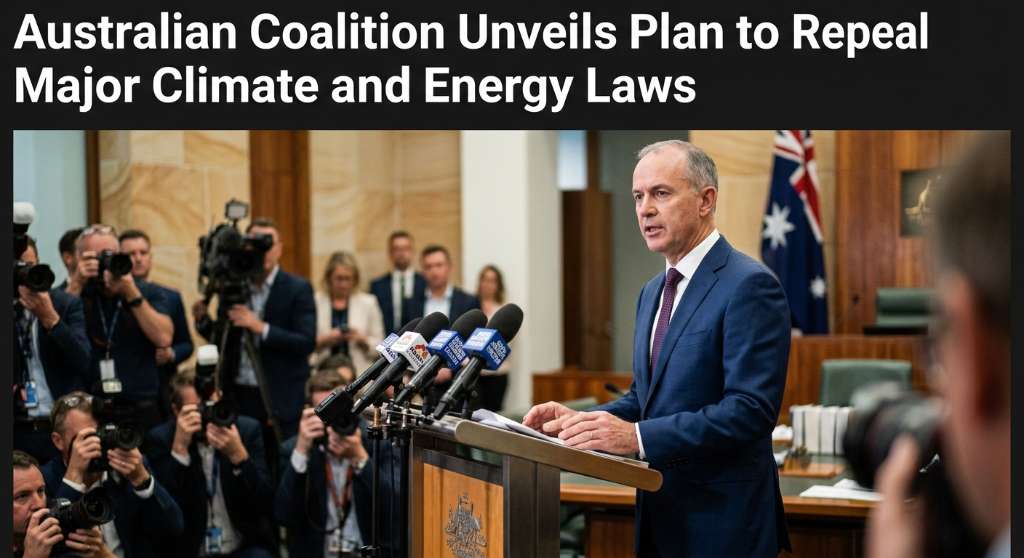
The federal Coalition has released an eight-point energy policy proposing changes to Australia's climate legislation, offshore wind zones, vehicle effic...
The Federal Government is preparing new measures targeting temporary visas, visa overstayers, international students and visa-hopping, while maintaining...
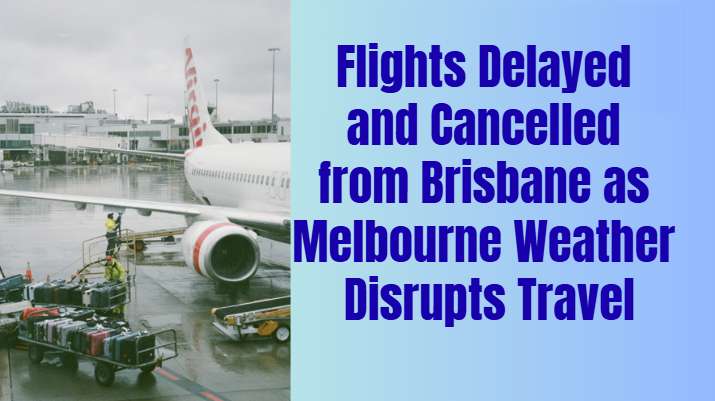
Severe weather in Melbourne has caused flight disruptions from Brisbane, with at least one flight cancelled and other services delayed as passengers tra...
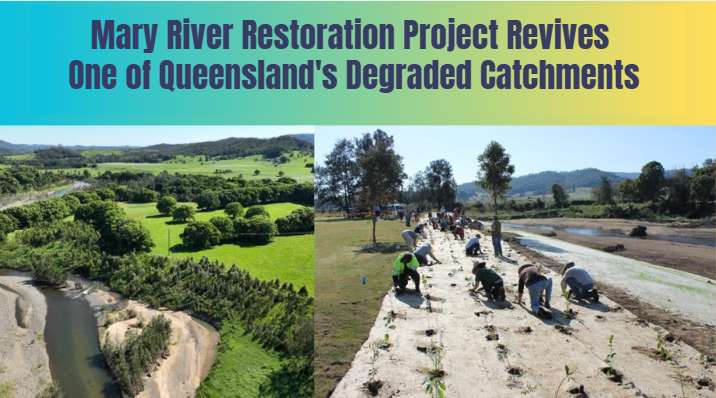
A long-running community restoration effort along Queensland's Mary River is reducing erosion, improving water quality and helping restore habitat for n...
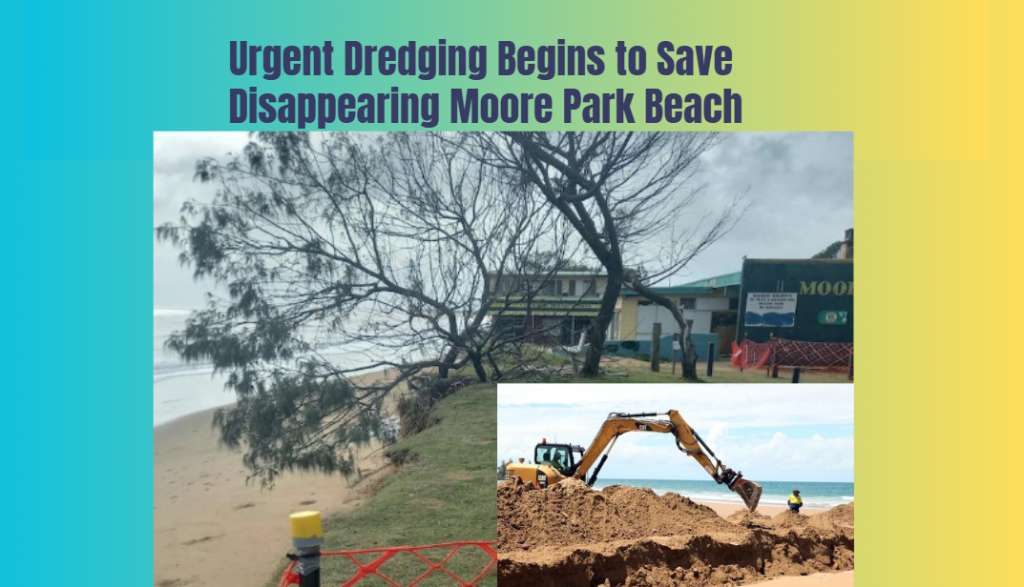
Emergency dredging has begun at Moore Park Beach near Bundaberg after severe erosion washed away sections of the coastline and shifted the mouth of Moor...
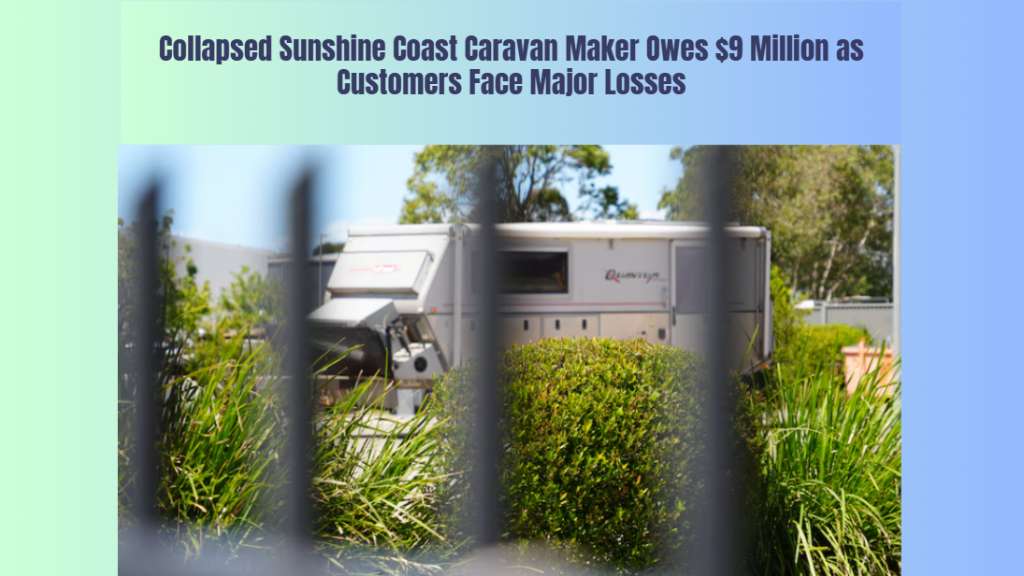
Administrators have revealed Australian Off Road owes about $9 million after the Sunshine Coast caravan manufacturer collapsed, leaving customers, emplo...
Australian tennis player Talia Gibson has reached her first WTA Tour-level singles final at the Singapore Open after Tatiana Prozorova withdrew from the...
Severe weather in Melbourne has caused flight disruptions from Brisbane, with at least one flight cancelled and other services delayed as passengers tra...
A new Tasmanian sports academy is creating education and career pathways as the state’s professional sporting sector expands with the Tasmania Devils, J...
New evidence indicates autonomous Open AI agents attempted to access information from several Australian government and public-sector websites, expanding...